


Knowing when to harvest pink oyster mushrooms (Pleurotus djamor) is crucial for capturing their peak flavor, optimal texture, and stunning visual appeal. These vibrant tropical fungi are among the fastest-growing oyster mushroom varieties, but their rapid development and short shelf life make precise timing essential. Unlike other mushroom varieties that offer wider harvesting windows, pink oyster mushrooms require careful daily monitoring and quick action to ensure you capture them at their prime. This comprehensive guide will teach you exactly when and how to harvest pink oyster mushrooms for the best culinary experience.
If you are still sourcing your first flush, the Lykyn Gourmet Pink Oyster Mushroom Growing Kit includes the colonized 5 lb block and the timing window described below, so the 5 to 7 day harvest math applies directly.
Quick Answer: Harvest pink oyster mushrooms when the cap edges begin to flatten and uncurl from their initial downward curl, typically 5-7 days after pins appear. The mushrooms should still be vibrant pink, firm to touch, and before spore release begins. This narrow window ensures optimal flavor, texture, and appearance.

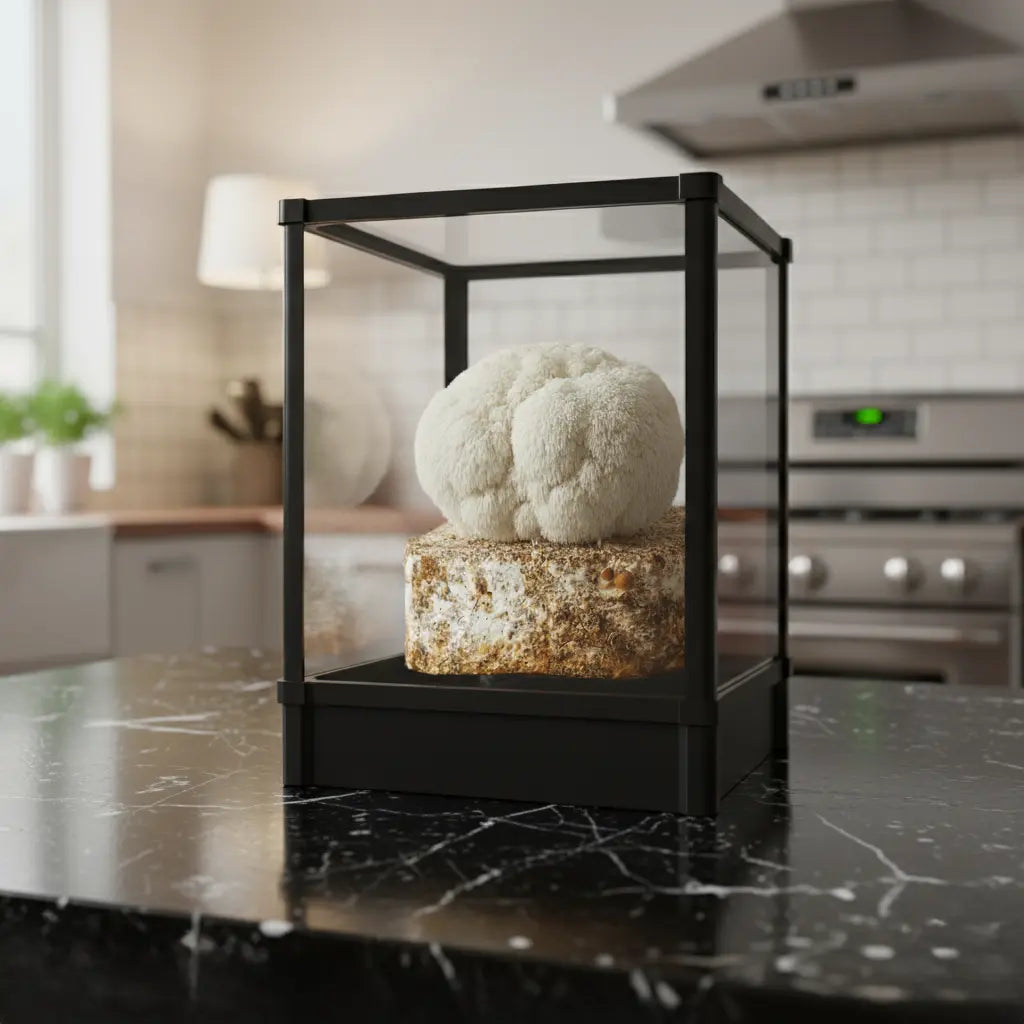
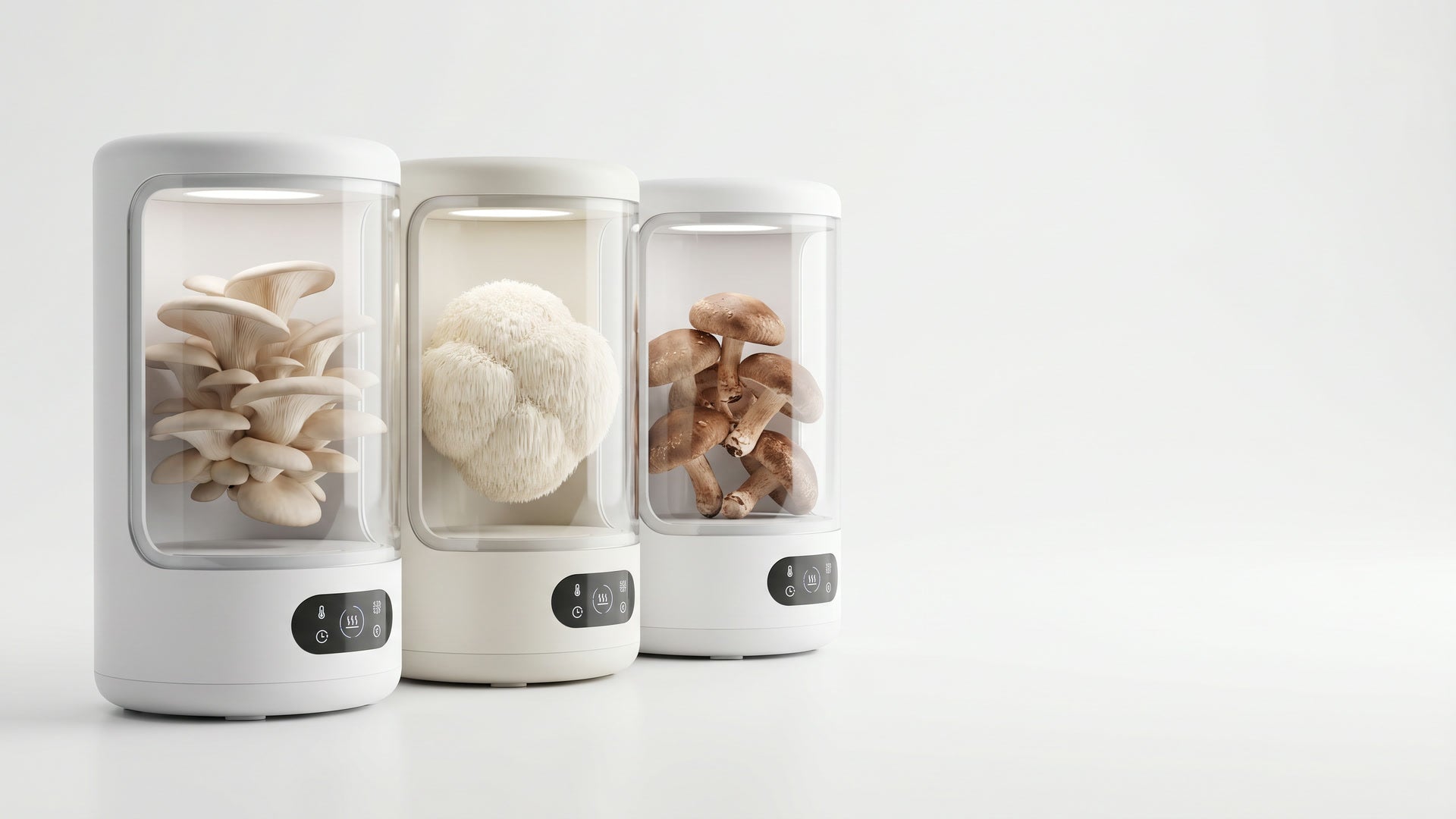
Smart Chamber. Bone White Single
- 2.8L tank, 90% humidity automatic
- App-controlled, plug-and-play
- 6 lb block ceiling, in stock

Smart Chamber. Obsidian Black Single
- Same hardware as Bone White
- Matte black premium finish
- Pairs with any kitchen palette


Understanding Pink Oyster Mushroom Development and Growth Cycle
Pink oyster mushrooms (Pleurotus djamor) are tropical fungi that stand out from other oyster mushroom varieties due to their stunning coral-pink color, rapid growth rate, and specific harvesting requirements. Native to subtropical and tropical regions, these mushrooms have adapted to warm, humid environments and demonstrate aggressive colonization compared to their temperate cousins.
The growth cycle of pink oyster mushrooms progresses through several distinct phases that directly impact harvesting timing. Understanding these phases helps cultivators recognize the optimal harvest window and avoid missing the peak quality period.
Pin Formation Phase: Small mushroom pins appear as tiny pink bumps on the substrate surface, typically 10-14 days after inoculation under optimal conditions. These pins grow rapidly in warm temperatures (70-85°F or 21-29°C).
Rapid Development Phase: Pink oyster mushrooms experience explosive growth, often doubling in size daily during this phase. The characteristic pink color becomes more pronounced, and the caps maintain their distinctive downward-curled edges.
Maturation Phase: This critical period lasts only 5-7 days from pin formation to harvest readiness. The caps begin to flatten, edges start uncurling, and spore production initiates.
Over-maturation Phase: If harvesting is delayed, mushrooms quickly lose their vibrant pink color, develop a slimy texture, and begin producing heavy spore loads that can overwhelm growing areas.
The Smart Mushroom Grow Kit provides ideal conditions for pink oyster cultivation, automatically maintaining the precise temperature and humidity these tropical mushrooms require for optimal development timing.
Pink Oyster vs. Other Oyster Mushroom Varieties
Pink oyster mushrooms differ significantly from other oyster varieties in their harvesting requirements. While pearl or blue oyster mushrooms offer more forgiving harvest windows, pink oysters demand prompt action due to their rapid maturation and shorter shelf life.
Key Differences in Harvesting:
-
Faster Development: Pink oysters mature 2-3 days faster than most oyster varieties
-
Shorter Window: Optimal harvest period lasts only 1-2 days versus 3-5 days for other varieties
-
Color Indicators: Vibrant pink color fades quickly past peak harvest time
-
Texture Changes: Become slimy or tough more rapidly than other oyster types
As detailed in our comprehensive oyster mushroom growing guide, understanding these variety-specific differences is crucial for successful home cultivation.
Visual Indicators: Recognizing the Perfect Harvest Moment
Cap Shape and Edge Configuration
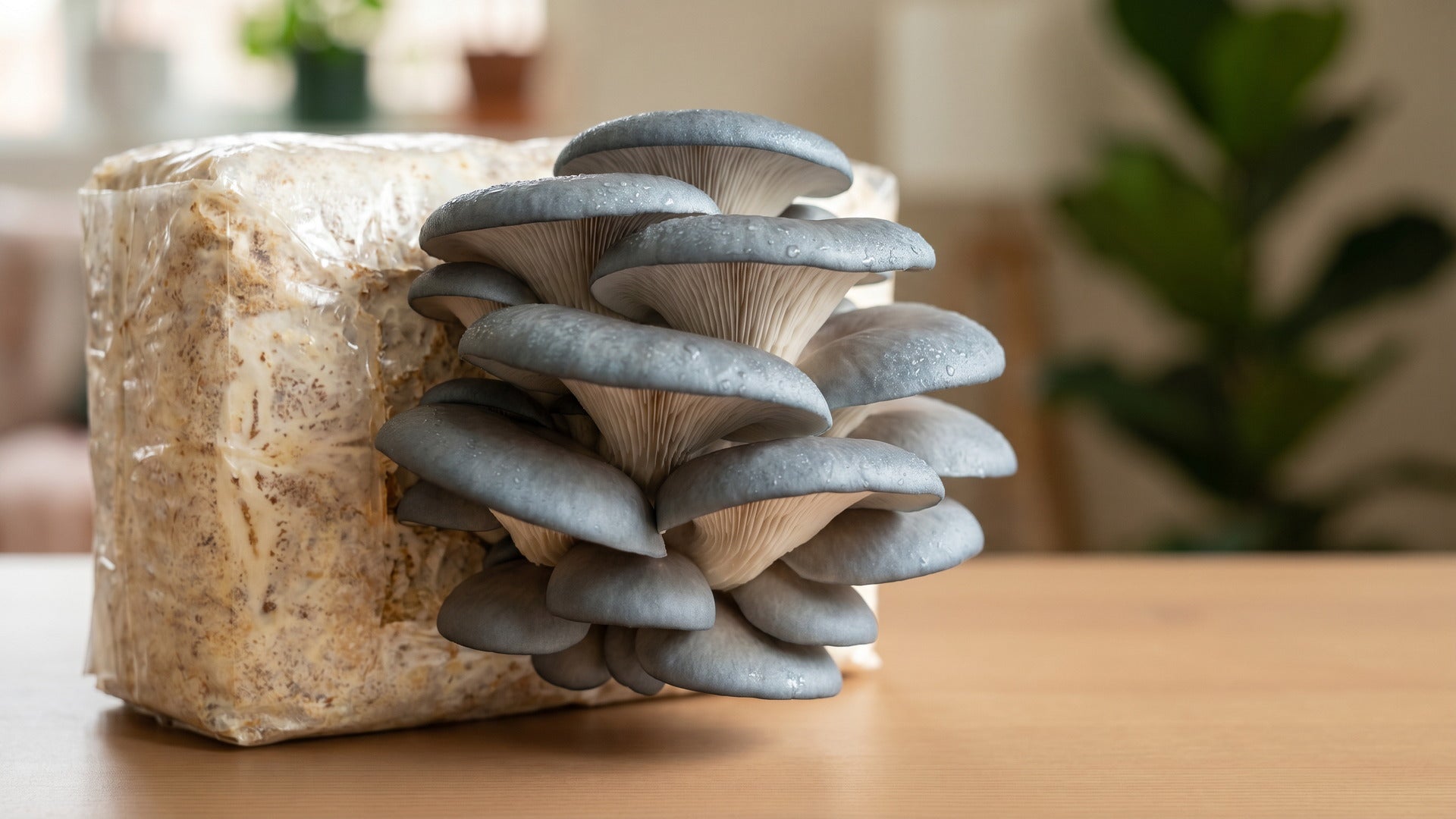
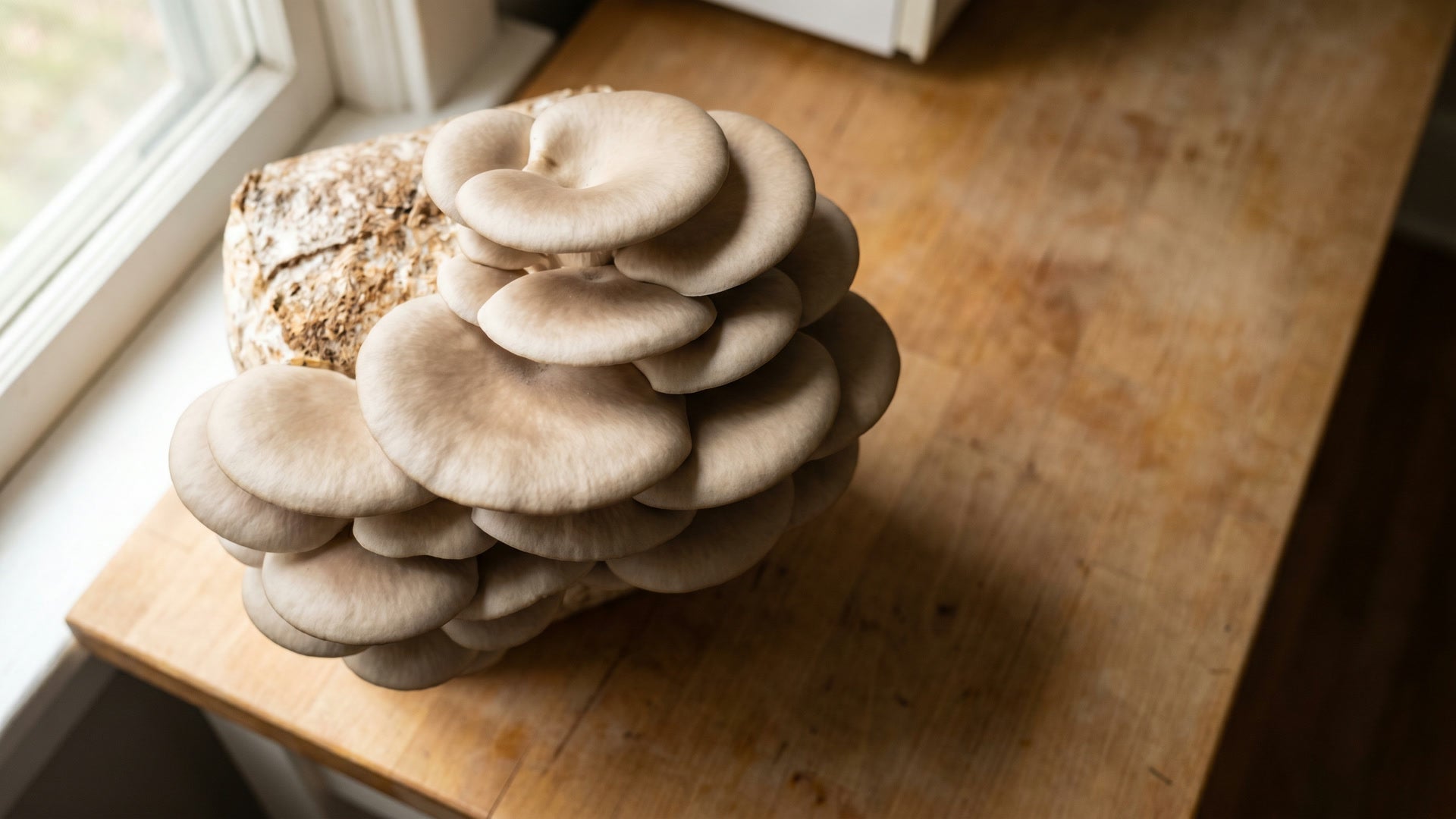
The most reliable indicator for pink oyster mushroom harvest timing is observing changes in cap shape and edge configuration. Young pink oyster mushrooms display distinctly curved caps with edges rolled inward and downward. As they approach harvest readiness, these edges begin to flatten and uncurl.
Optimal Harvest Indicators:
-
Edge Uncurling: Caps transition from tightly curled edges to slightly flattened margins
-
Shape Evolution: Caps progress from deeply convex to moderately convex or nearly flat
-
Size Stability: Growth rate slows as mushrooms reach mature size
-
Cluster Uniformity: Most mushrooms in a cluster show similar development stages
Signs You've Waited Too Long:
-
Edges curl upward beyond flat (creating concave shape)
-
Caps become extremely thin and fragile
-
White spore dust appears beneath mushroom clusters
-
Mushrooms feel soft or slimy to touch
Color Changes and Vibrancy Assessment
Pink oyster mushrooms are prized for their striking coral-pink coloration, which serves as both an aesthetic feature and a harvest timing indicator. Fresh, young mushrooms display deep, vibrant pink colors that gradually fade as they mature.
Color-Based Harvest Timing:
-
Peak Color: Harvest when pink hue is most vibrant and uniform
-
Slight Fading: Acceptable harvest time if other indicators align
-
Pale Pink/White: Past optimal harvest, though still edible
-
Brownish Tinge: Over-mature, quality significantly compromised
The vibrant pink color is more pronounced when grown under specific lighting conditions. The Smart Mushroom Grow Kit includes optimized lighting that enhances natural coloration while supporting proper development timing.
Texture and Firmness Evaluation
Physical texture provides crucial harvesting cues that complement visual indicators. Properly timed pink oyster mushrooms should feel firm but not rigid, with a slight give when gently pressed.
Texture Assessment Techniques:
-
Gentle Pressure Test: Mushrooms should feel firm with minimal compression
-
Surface Examination: Smooth, dry surface without sliminess
-
Stem Evaluation: Stems remain solid and don't feel hollow or soft
-
Overall Handling: Mushrooms maintain structural integrity when lifted
Texture Warning Signs:
-
Soft, squishy feeling indicates over-maturity
-
Slimy or sticky surface suggests decline
-
Brittle, fragile texture shows dehydration
-
Hollow-feeling stems indicate advanced aging
Timing Factors and Environmental Influences
Temperature Impact on Development Speed
Pink oyster mushrooms are heat-loving tropical fungi that respond dramatically to temperature changes. Understanding this relationship helps predict harvest timing and optimize growing conditions.
Temperature Effects on Harvest Timing:
-
75-85°F (24-29°C): Optimal range, 5-7 days from pins to harvest
-
68-74°F (20-23°C): Slower development, 7-10 days to harvest
-
Above 85°F (29°C): Accelerated growth but potential quality issues
-
Below 68°F (20°C): Significantly delayed development
Temperature Management Strategies:
-
Monitor daily temperatures in growing area
-
Adjust environmental controls for consistent development
-
Account for seasonal temperature variations
-
Use heating elements during cooler periods
The automated temperature control in the Smart Mushroom Grow Kit maintains optimal conditions for consistent pink oyster development timing.
Humidity and Its Effect on Quality
Humidity levels significantly impact both development timing and mushroom quality. Pink oyster mushrooms require high humidity (85-95%) during fruiting but excessive moisture can lead to quality problems.
Humidity Management for Optimal Harvest:
-
85-90%: Ideal range for healthy development
-
Above 95%: Risk of bacterial issues and slimy texture
-
Below 80%: Stunted growth and premature drying
-
Fluctuating Levels: Irregular development and quality issues
Quality Indicators Related to Humidity:
-
Proper humidity produces firm, well-formed mushrooms
-
Excessive humidity causes slimy surfaces and poor texture
-
Insufficient humidity leads to small, tough mushrooms
-
Consistent humidity ensures uniform cluster development
Light Requirements and Development
Unlike many mushroom varieties that fruit in darkness, pink oyster mushrooms benefit from indirect light exposure. Light influences both development timing and color intensity.
Light Effects on Pink Oyster Development:
-
Indirect Natural Light: Promotes healthy development and color
-
LED Grow Lights: Can enhance pink coloration under controlled conditions
-
Darkness: Slows development and reduces color vibrancy
-
Direct Sunlight: Can cause rapid dehydration and quality issues
For growers interested in understanding more about oyster mushroom varieties and their specific requirements, our oyster mushroom identification guide provides comprehensive variety-specific information.
Harvesting Techniques and Best Practices
Proper Harvesting Tools and Setup
Successful pink oyster mushroom harvesting requires minimal but specific tools to ensure clean cuts and prevent contamination that could affect future flushes.
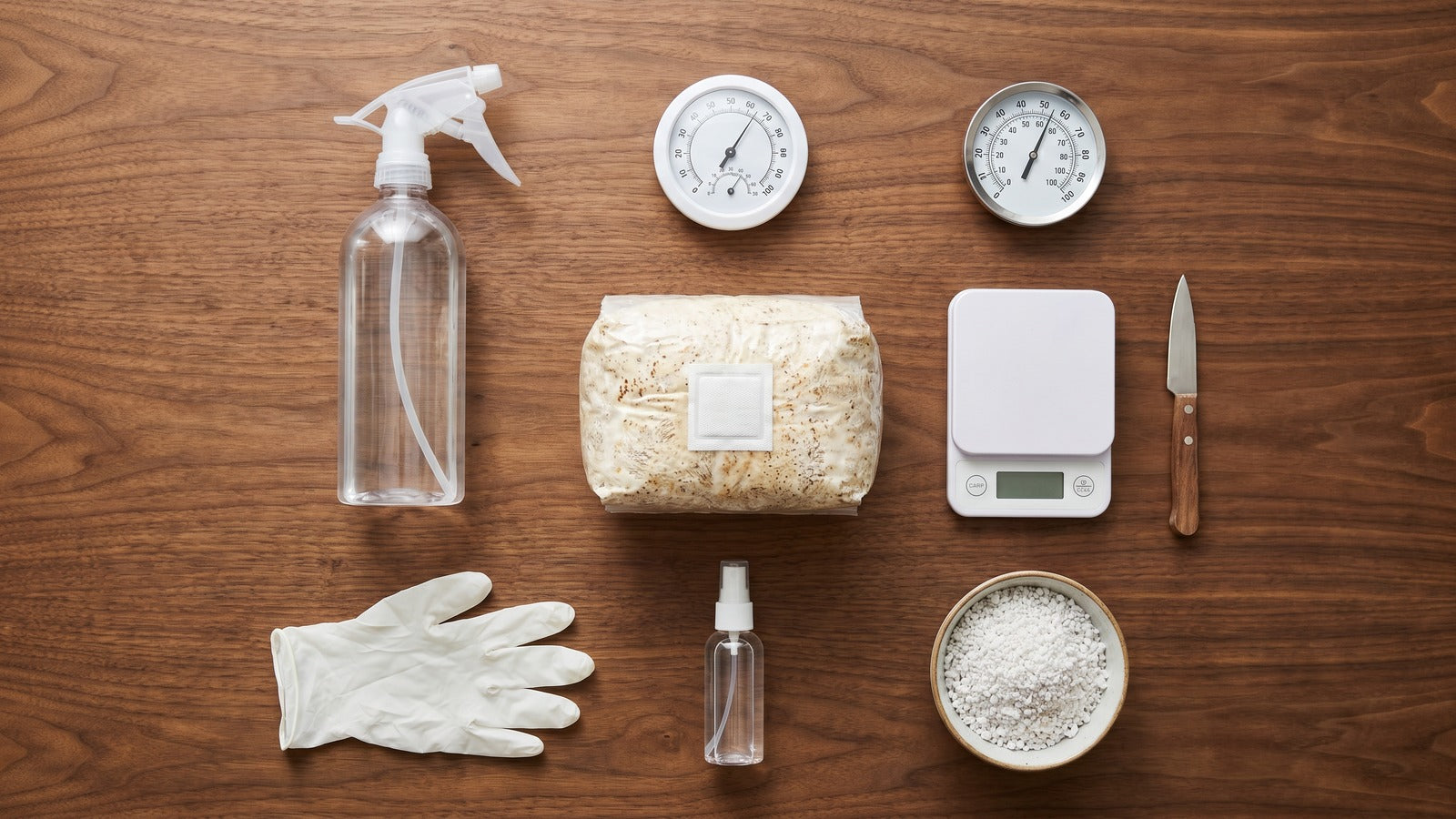
Essential Harvesting Equipment:
-
Sharp, Clean Knife: Sterile blade for clean cuts without tearing
-
Scissors: Alternative cutting tool for delicate clusters
-
Collection Container: Breathable basket or paper bag
-
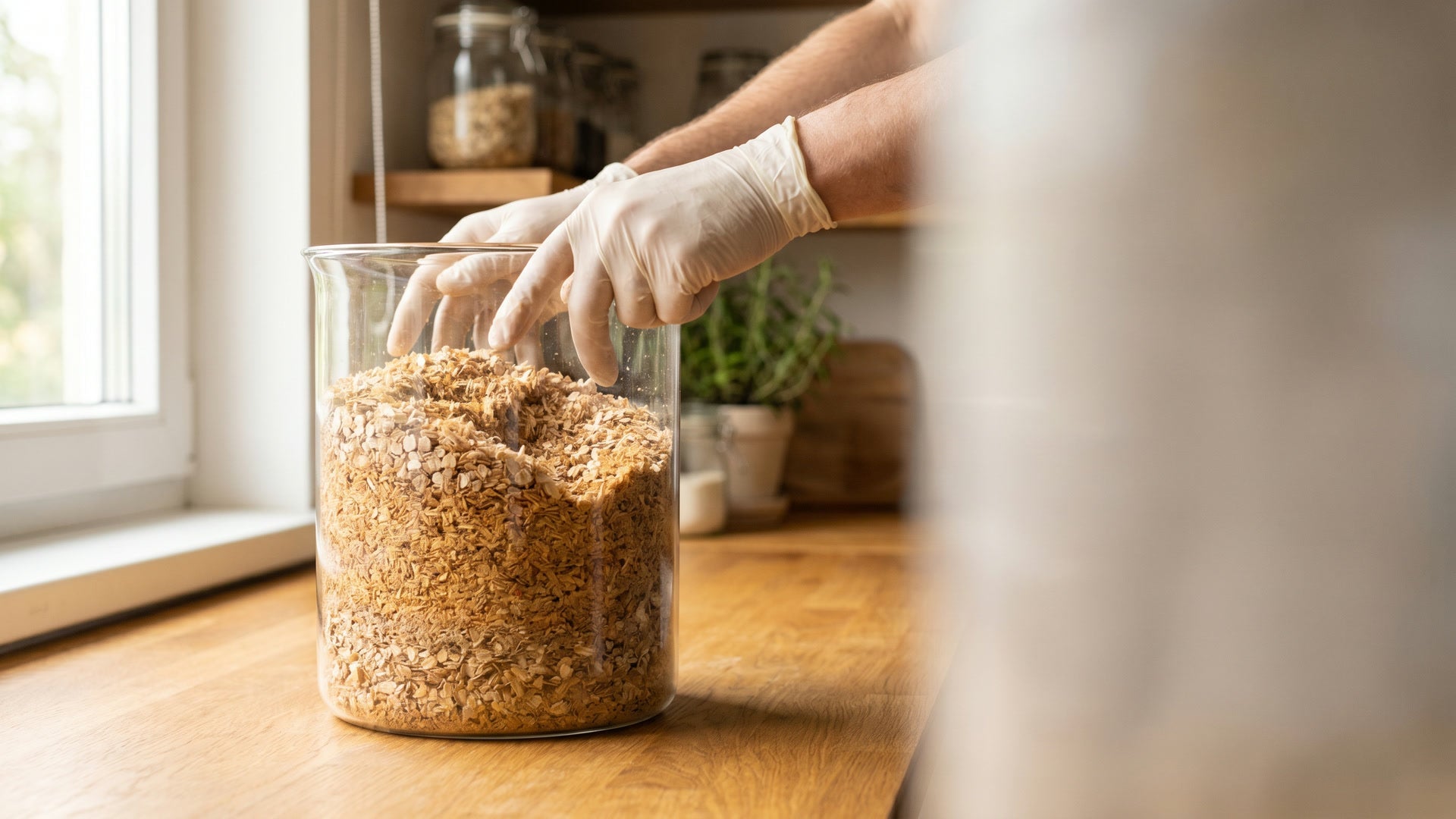
Gloves: Optional but helpful for maintaining cleanliness
-
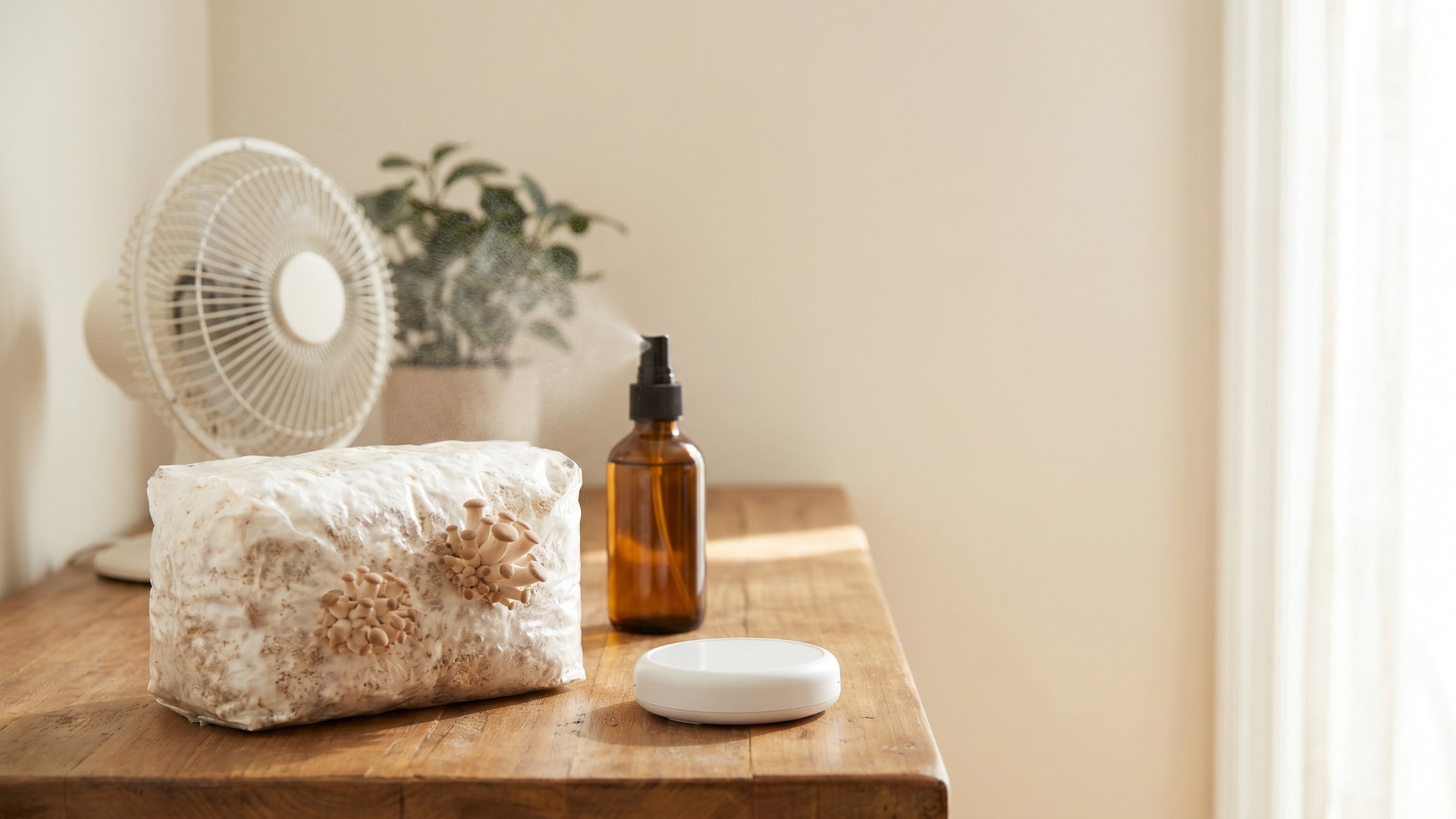
Spray Bottle: For maintaining humidity during harvesting
Pre-Harvest Preparation:
-
Sanitize all cutting tools with alcohol
-
Ensure good lighting for accurate assessment
-
Have storage containers ready for immediate handling
-
Check entire growing area for simultaneous harvest opportunities

Fuel Your Mushroom Journey
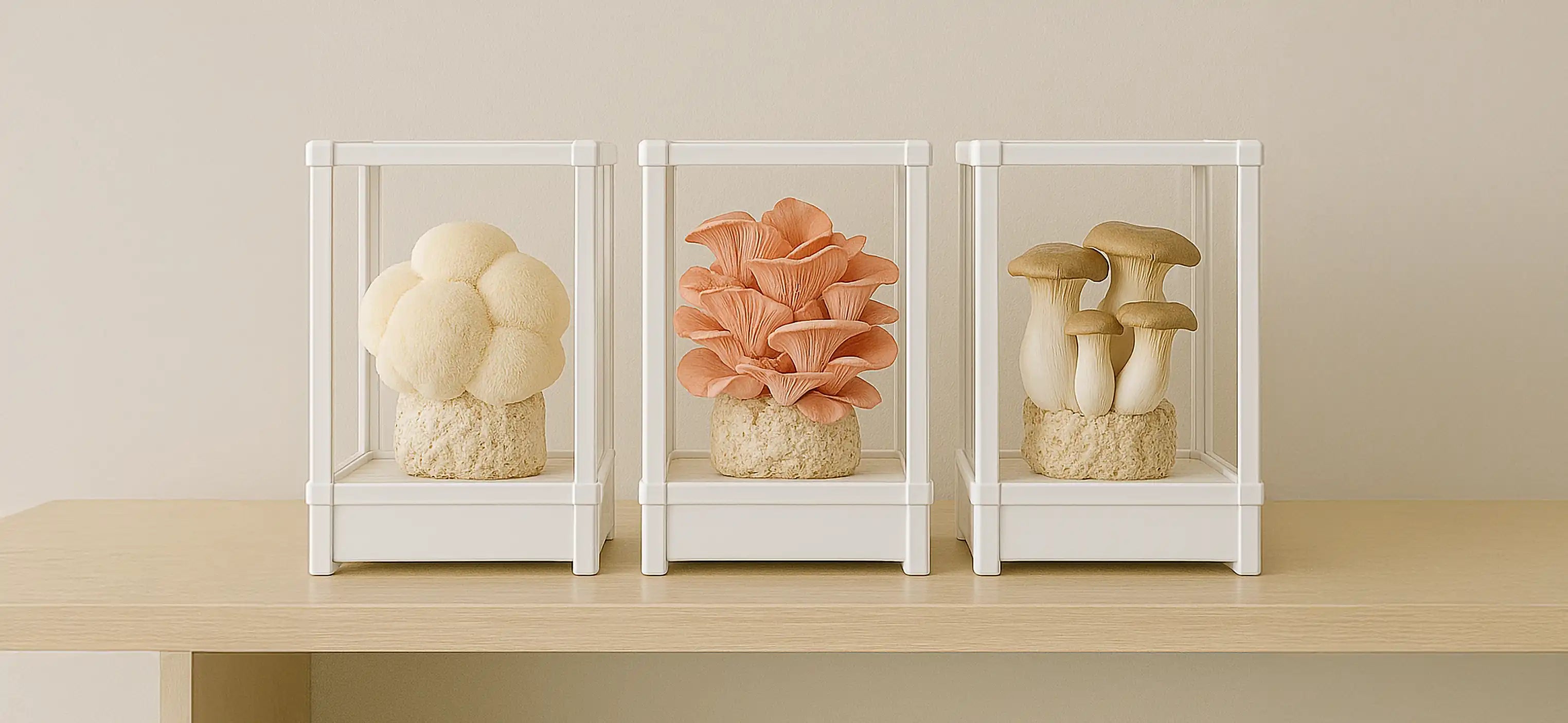
Smart Mushroom Grow Chamber
Plug-and-play smart chamber with humidity, light, and airflow dialed in for every species. Beginners harvest their first flush in days, not months.
Add to cart $299
Step-by-Step Harvesting Process
1. Final Assessment: Confirm harvest readiness using visual and tactile indicators 2. Tool Preparation: Sanitize cutting implements to prevent contamination 3. Cluster Selection: Identify entire clusters ready for simultaneous harvest 4. Cutting Technique: Make clean cuts at the base of mushroom stems 5. Substrate Protection: Avoid damaging growing medium for future flushes 6. Immediate Handling: Transfer harvested mushrooms to appropriate storage
Critical Harvesting Tips:
-
Harvest entire clusters simultaneously for uniform quality
-
Cut rather than twist to prevent mycelium damage
-
Leave clean cuts to minimize contamination risks
-
Handle gently to maintain structural integrity
Avoiding Common Harvesting Mistakes
Timing Errors:
-
Harvesting Too Early: Results in underdeveloped flavor and reduced yields
-
Waiting Too Long: Leads to poor texture and declining quality
-
Inconsistent Monitoring: Causes missed optimal harvest windows
Technique Problems:
-
Rough Handling: Damages delicate mushroom structure
-
Contaminated Tools: Introduces harmful microorganisms
-
Improper Cutting: Affects future flush development
-
Poor Storage: Accelerates quality decline
Post-Harvest Handling and Storage Guidelines
Immediate Post-Harvest Care
Pink oyster mushrooms have the shortest shelf life among oyster mushroom varieties, making immediate proper handling crucial for maintaining quality.
Immediate Handling Protocol:
-
Quick Assessment: Remove any damaged or over-mature specimens
-
Gentle Cleaning: Brush away substrate debris without washing
-
Proper Ventilation: Avoid sealed containers that trap moisture
-
Temperature Control: Move to cool environment quickly
Quality Preservation Techniques:
-
Store in paper bags rather than plastic containers
-
Maintain refrigeration temperatures (35-40°F or 2-4°C)
-
Ensure air circulation around stored mushrooms
-
Use within 24-48 hours for peak quality
Storage Methods and Shelf Life
Optimal Storage Conditions:
-
Refrigeration: 2-3 days maximum for fresh consumption
-
Paper Bag Storage: Allows breathing while maintaining humidity
-
Ventilated Containers: Prevents moisture buildup and spoilage
-
Cool, Dry Location: Extends usable life when refrigeration unavailable
Extended Storage Options:
-
Dehydration: Dries well for long-term storage
-
Freezing: Sauté briefly before freezing to maintain texture
-
Preservation: Pickle or preserve in oil for extended use
As noted in our oyster mushroom nutrition guide, pink oyster mushrooms deteriorate most quickly (2-3 days) compared to other oyster varieties.
Signs of Deterioration and Quality Loss
Visual Indicators of Decline:
-
Color fading from vibrant pink to pale or white
-
Surface becoming slimy or sticky
-
Development of dark spots or discoloration
-
Edges becoming extremely thin or brittle
Textural Changes:
-
Loss of firmness leading to soft, mushy texture
-
Development of unpleasant odors
-
Brittle, dehydrated appearance
-
Separation of caps from stems
Safety Considerations:
-
Discard mushrooms showing signs of bacterial growth
-
Avoid consuming specimens with off odors
-
Use only fresh, properly stored mushrooms
-
When in doubt, compost rather than consume
Maximizing Yields Through Proper Harvesting
Multiple Flush Management
Pink oyster mushrooms typically produce 2-3 flushes when properly managed, making harvest timing crucial for optimizing total yields.
Inter-Flush Management:
-
Rest Period: Allow substrate to recover 7-10 days between flushes
-
Hydration: Light misting or soaking to restore moisture levels
-
Environmental Reset: Maintain optimal conditions throughout cycle
-
Contamination Prevention: Remove all harvest debris promptly
Subsequent Flush Expectations:
-
Second Flush: Usually 70-80% of first flush yields
-
Third Flush: Typically 40-50% of original production
-
Quality Consistency: Maintain harvest timing standards for all flushes
Yield Optimization Strategies
Environmental Control:
-
Maintain consistent temperature and humidity
-
Provide adequate air exchange without excessive drying
-
Monitor for contamination throughout growing cycle
-
Adjust conditions based on mushroom response
Harvesting Efficiency:
-
Harvest all clusters when ready simultaneously
-
Avoid partial harvesting that stresses remaining mushrooms
-
Clean growing area thoroughly between flushes
-
Document timing patterns for future cultivation cycles
The Smart Mushroom Grow Kit automated systems help maintain consistent conditions that optimize both individual harvest quality and total yield across multiple flushes.
Troubleshooting Common Pink Oyster Harvesting Issues
Premature Color Loss
Problem: Pink color fades before apparent maturity Causes: Excessive light exposure, temperature stress, or nutritional deficiencies Solutions: Adjust lighting conditions, maintain stable temperatures, ensure adequate substrate nutrition
Rapid Over-Maturation
Problem: Mushrooms mature too quickly to harvest optimally Causes: High temperatures, excessive humidity, or overly rich substrates Solutions: Lower growing temperature, improve air circulation, reduce substrate supplementation
Irregular Development
Problem: Mushrooms in same cluster mature at different rates Causes: Uneven environmental conditions or substrate colonization Solutions: Improve air circulation, ensure uniform substrate preparation, maintain consistent conditions
Poor Texture Development
Problem: Mushrooms feel tough or stringy at harvest Causes: Low humidity, temperature stress, or harvesting too late Solutions: Increase humidity levels, stabilize temperature, monitor harvest timing more closely
For cultivators experiencing ongoing challenges, our beginner's mushroom growing guide provides troubleshooting assistance and optimization strategies.
Frequently Asked Questions About Harvesting Pink Oyster Mushrooms
Q: How quickly do pink oyster mushrooms grow from pins to harvest? A: Pink oyster mushrooms typically develop from pins to harvest-ready size in 5-7 days under optimal conditions (75-85°F with 85-95% humidity). This is faster than most oyster mushroom varieties, making daily monitoring essential to catch the optimal harvest window.
Q: Can I harvest pink oyster mushrooms individually or should I take the entire cluster? A: Always harvest the entire cluster at once rather than individual mushrooms. This prevents the remaining mushrooms from becoming stressed and ensures uniform quality. Individual harvesting can also damage the mycelium and affect future flushes.
Q: What happens if I harvest pink oyster mushrooms too late? A: Over-mature pink oyster mushrooms lose their vibrant color, develop poor texture (either slimy or tough), and begin releasing heavy spore loads. While still technically edible, they have significantly reduced flavor and culinary appeal. The short shelf life also becomes even shorter.
Q: How can I tell if pink oyster mushrooms are still good after harvest? A: Fresh pink oyster mushrooms should maintain their coral-pink color, feel firm to touch, have a pleasant mushroom aroma, and show no signs of sliminess. They should be used within 24-48 hours of harvest for best quality, as they deteriorate faster than other oyster varieties.
Q: Why did my pink oyster mushrooms turn white before I could harvest them? A: Pink oyster mushrooms turn white or pale when they become over-mature, are exposed to stress conditions (temperature fluctuations, incorrect humidity), or begin heavy spore production. This indicates you missed the optimal harvest window, though the mushrooms may still be edible with reduced quality.
Summary: Mastering Pink Oyster Mushroom Harvest Timing
Successfully harvesting pink oyster mushrooms requires understanding their unique development cycle, recognizing precise visual and tactile indicators, and acting quickly within the narrow optimal window. These vibrant tropical fungi reward careful attention with exceptional flavor, stunning appearance, and satisfying yields when harvested at peak quality.
The key to consistent success lies in daily monitoring during the critical 5-7 day development period, recognizing the subtle transition from curved to flattening cap edges, and maintaining optimal growing conditions throughout the cultivation cycle. With practice, cultivators develop an intuitive sense for the perfect harvest moment that maximizes both quality and yield.
Ready to experience the satisfaction of perfectly timed pink oyster mushroom harvests? The Smart Mushroom Grow Kit provides the controlled environment these temperature-sensitive mushrooms need for consistent development timing. Explore our complete selection of mushroom growing systems and start your journey toward mastering the art and science of pink oyster mushroom cultivation. With proper timing and technique, you'll soon be enjoying fresh, vibrant pink oyster mushrooms at their absolute peak quality.
Share:
Mung Bean Sprouts Nutrition: Complete Guide to Health Benefits and Nutritional Value
Mung Bean Sprouts Nutrition: Complete Guide to Health Benefits and Nutritional Value