


Baby bella mushroom nutrition is one of the best-kept secrets in the produce aisle. These small brown-capped mushrooms (also called creminis, brown mushrooms, or Italian browns) are the same species as white button and portabella mushrooms, just harvested at a middle stage of growth. That extra time on the substrate concentrates flavor and slightly boosts the nutrient density compared to the white button form. The result is a low-calorie, nutrient-dense ingredient that delivers more vitamins and minerals per gram than most vegetables.
This guide walks through the full nutrition profile of baby bella mushrooms, what makes them stand out, and how to get the most nutrition out of them when cooking.
Baby bella nutrition by the numbers

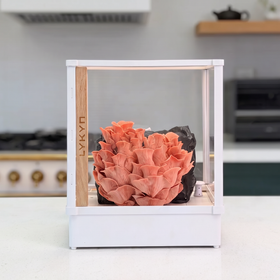
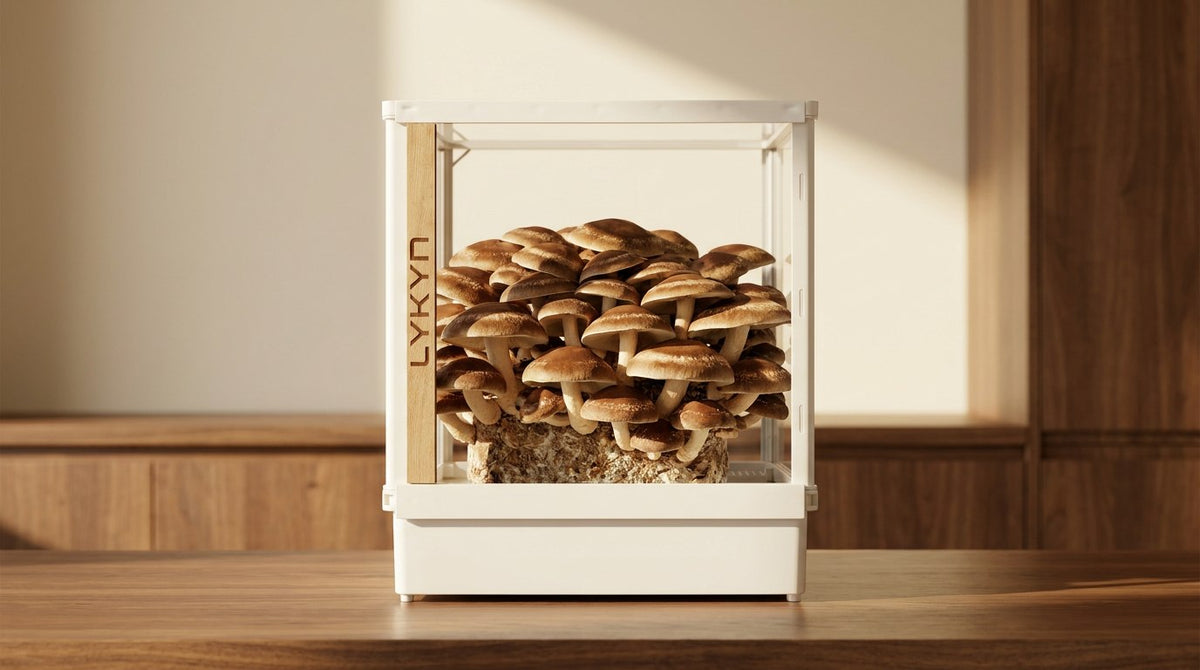
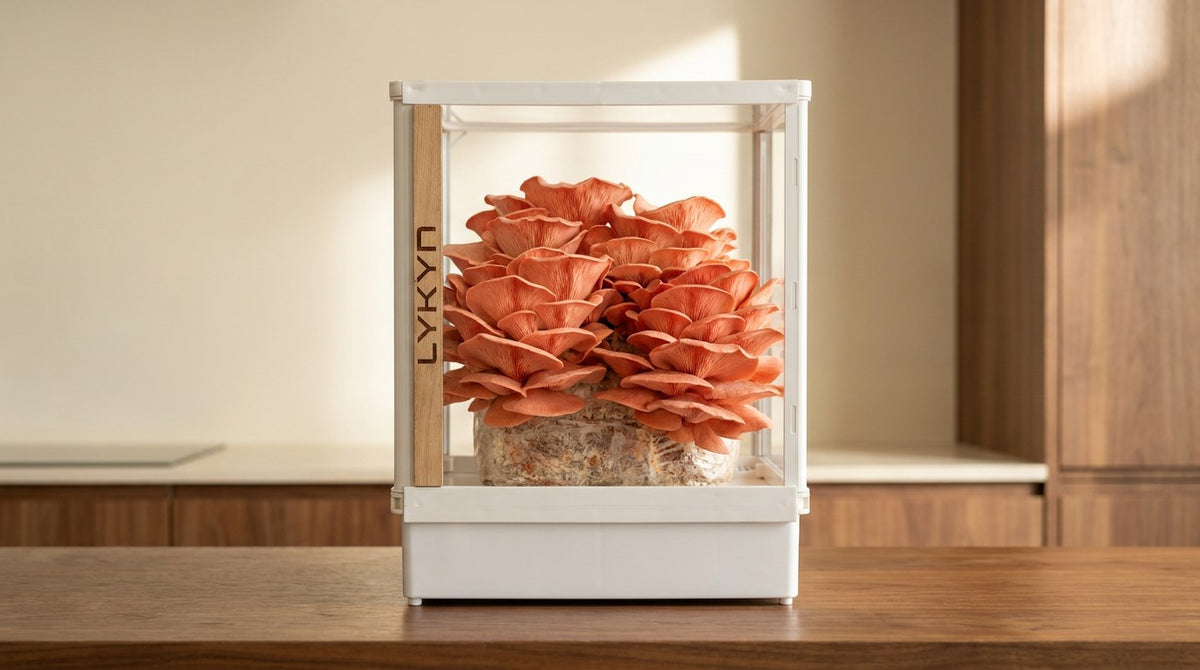
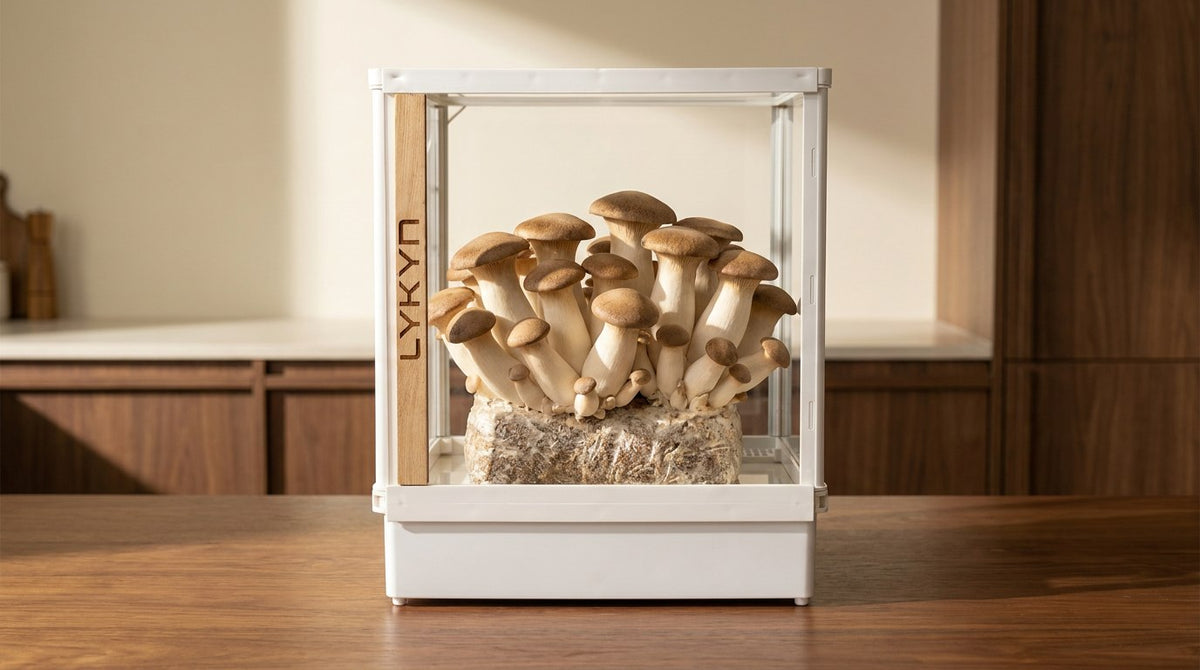
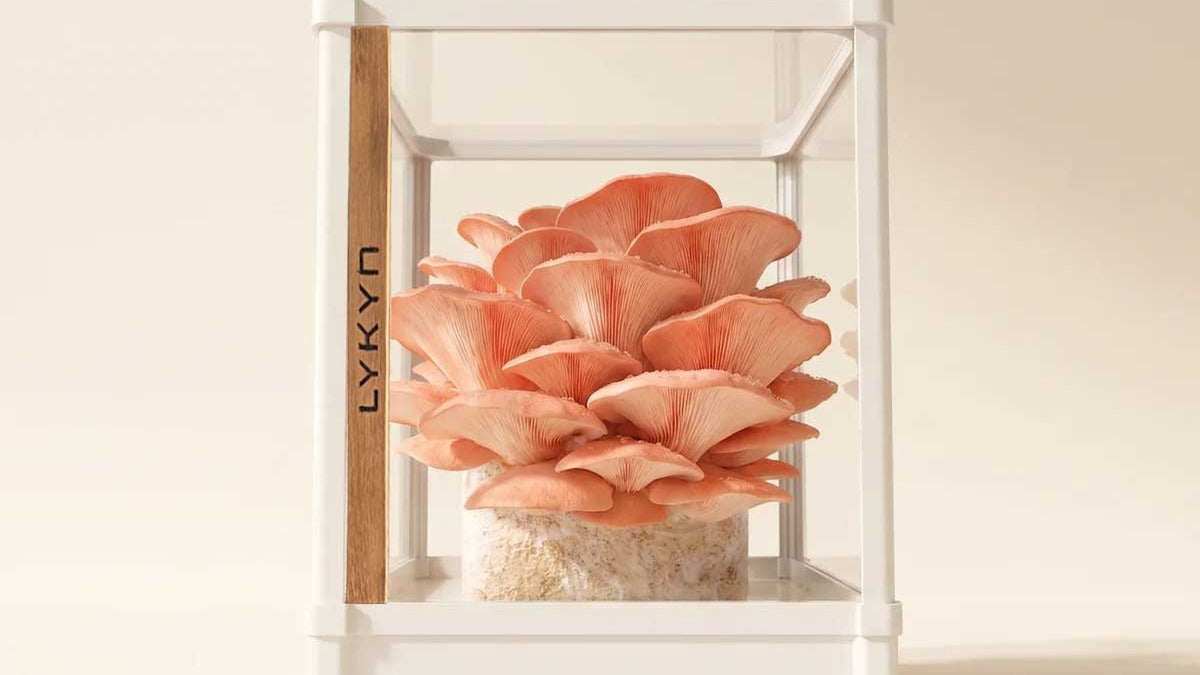
Smart Chamber. Bone White Single
- 2.8L tank, 90% humidity automatic
- App-controlled, plug-and-play
- 6 lb block ceiling, in stock

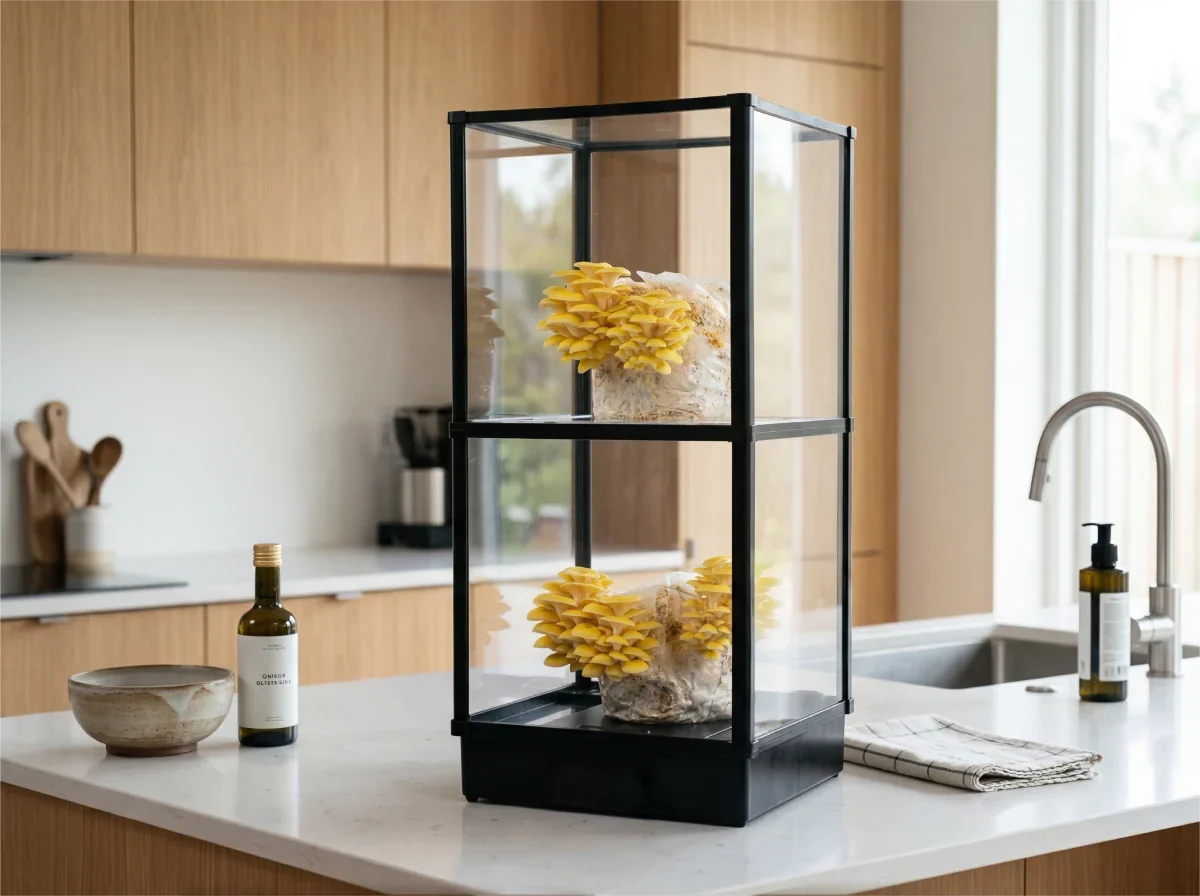
Smart Chamber. Obsidian Black Single
- Same hardware as Bone White
- Matte black premium finish
- Pairs with any kitchen palette

A 100-gram serving of raw baby bella mushrooms provides:
- 22 calories
- 2.5 grams of protein
- 0.1 grams of fat
- 4 grams of carbohydrates
- 0.6 grams of dietary fiber
- 1.7 grams of sugar (primarily mannitol and trehalose, not glucose)
That calorie density (22 calories per 100 grams) is among the lowest of any solid food in the produce section, comparable to lettuce and celery. Yet baby bellas are denser in micronutrients than most leafy greens.
The B-vitamin advantage
Mushrooms are one of the few plant sources of B-vitamins that genuinely move the needle. A 100-gram serving of baby bellas provides:
- Riboflavin (B2): 0.45 mg, roughly 35% of the daily recommended intake
- Niacin (B3): 3.8 mg, around 24% of the daily target
- Pantothenic acid (B5): 1.5 mg, around 30% of the daily target
- Folate (B9): 25 mcg
- Vitamin B6: 0.1 mg
For people on plant-based diets, baby bellas are one of the most reliable B-vitamin sources outside of fortified foods. Riboflavin alone is a nutrient many vegetarians fall short on, and a single cup of cooked baby bellas covers a third of the daily requirement.
Minerals worth knowing about
The mineral content of baby bella mushrooms is dense in some unusual places:
- Selenium: 26 mcg per 100 grams, around 47% of the daily target. Selenium supports thyroid function and acts as an antioxidant cofactor.
- Copper: 0.5 mg per 100 grams, more than 50% of the daily target. Copper is involved in iron metabolism and connective tissue formation.
- Potassium: 448 mg per 100 grams, more than a small banana.
- Phosphorus: 120 mg per 100 grams, useful for bone health and energy metabolism.
- Manganese: 0.14 mg per 100 grams, smaller but consistent contribution.
- Iron: 0.4 mg per 100 grams, modest but present.
- Zinc: 1.1 mg per 100 grams, a meaningful contribution in plant foods.
The selenium and copper content stand out as nutrients many people in modern diets fall short on, especially those eating less meat.
Vitamin D potential
Baby bellas contain ergosterol, a precursor that converts to vitamin D2 when exposed to UV light. Most store-bought mushrooms grow in dark cultivation rooms and arrive with minimal vitamin D content (around 10 IU per 100 grams). But UV-treated mushrooms are now available at many grocery stores, and these can pack 400 to 1000 IU per serving.
You can replicate this at home: place sliced baby bellas gill-side up in direct sunlight for 30 to 60 minutes before cooking. The vitamin D2 content rises significantly, making baby bellas one of the only plant-derived dietary sources of vitamin D.
Antioxidants and bioactives
Beyond the standard nutrition label, baby bellas contain bioactive compounds that show up in research on antioxidant activity:
- Ergothioneine: a sulfur-containing amino acid with potent antioxidant activity. Mushrooms are the richest dietary source.
- Glutathione: another antioxidant the body uses to neutralize oxidative damage.
- Beta-glucans: soluble fibers that support immune function and may help with cholesterol management.
- Polyphenols: a smaller but measurable contribution to total dietary antioxidant intake.
Cooking actually increases the bioavailability of ergothioneine and glutathione, since these compounds are locked inside the chitin cell walls that human enzymes cannot break down efficiently.

Fuel Your Mushroom Journey
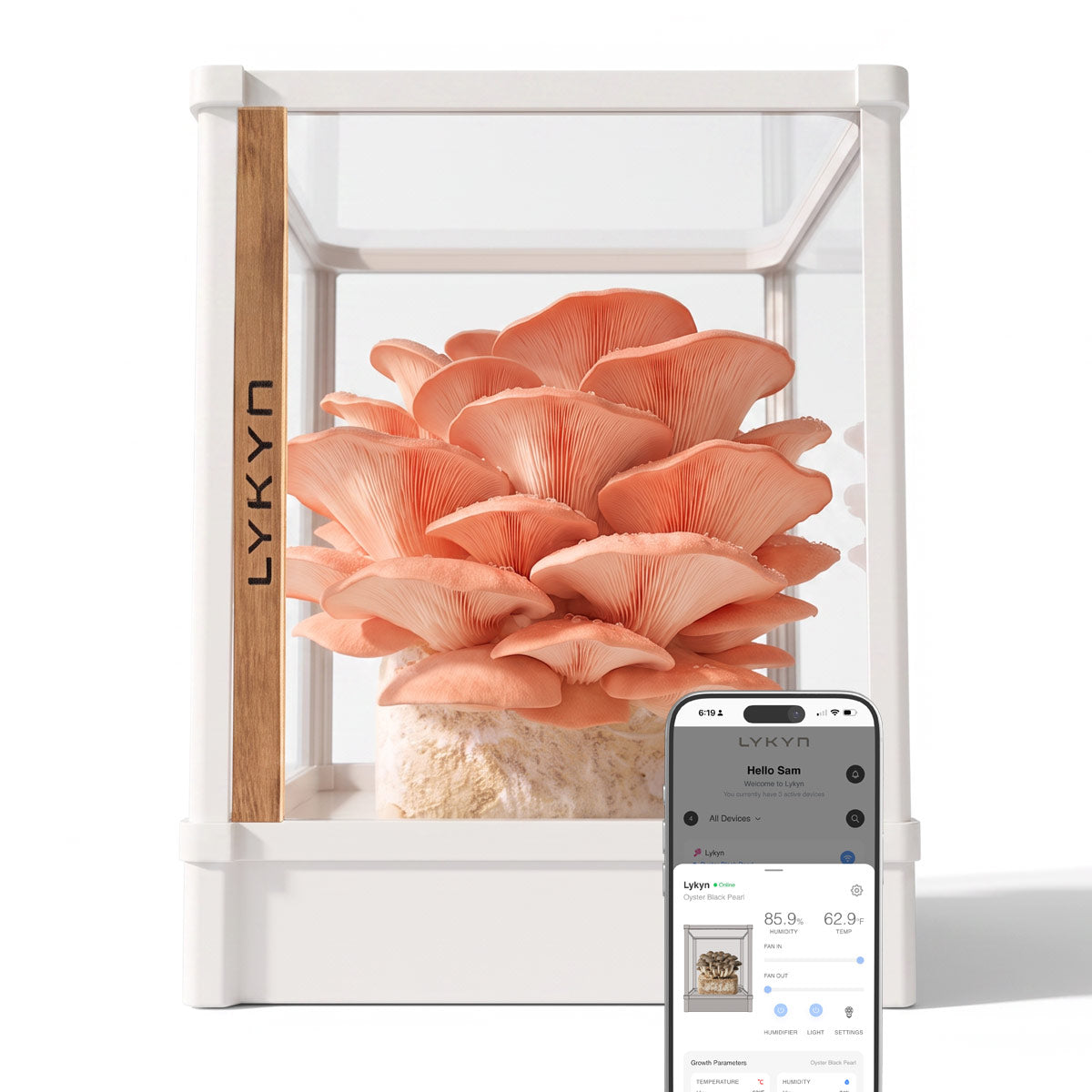
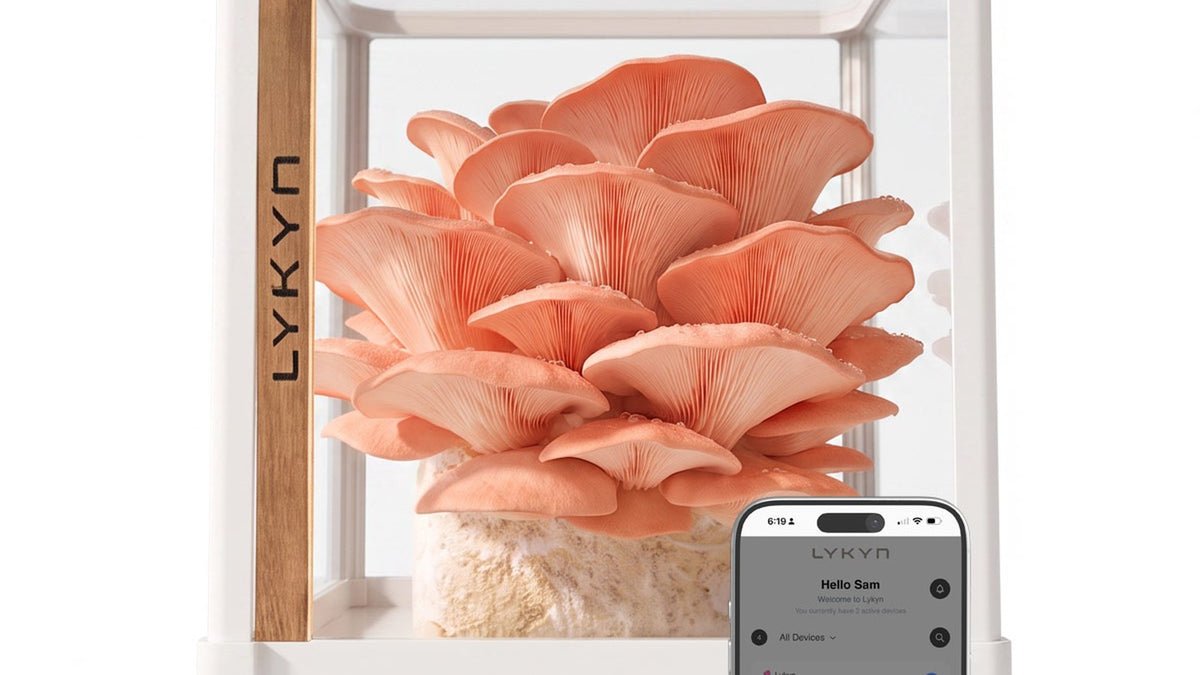
Smart Mushroom Grow Chamber
Plug-and-play smart chamber with humidity, light, and airflow dialed in for every species. Beginners harvest their first flush in days, not months.
Add to cart $299How baby bellas compare to white buttons
Baby bellas and white button mushrooms are the same species, but the longer growing time gives baby bellas a slight nutritional edge:
- Slightly higher antioxidant content
- More concentrated flavor (which often means people eat more of them)
- Firmer texture that holds up better in cooking
- Marginally higher mineral density
The differences are small. The much bigger difference is between fresh and old mushrooms. Baby bellas lose moisture, antioxidants, and texture quickly. The fresher the mushroom, the better the nutrition.
Best ways to cook for nutrition
To maximize the nutritional value of baby bellas:
- Cook them rather than eat raw. The chitin cell walls block absorption of B-vitamins, ergothioneine, and beta-glucans until heat breaks them down.
- Use moderate heat methods (saute, roast, grill) for 5 to 10 minutes. This breaks the cell walls without destroying heat-sensitive antioxidants.
- Avoid long boiling. Water-soluble B-vitamins leach into the cooking liquid. If you boil, drink the liquid (as in a soup or stew).
- Pair with a small amount of fat. Some compounds are fat-soluble, including ergosterol and any vitamin D you have generated through sunlight exposure.
- Add seasoning at the end. Salting too early draws out moisture and slows browning.
A simple saute in olive oil with a bit of garlic and a pinch of salt takes five minutes and gives you a maximally nutritious serving.
Are baby bellas keto-friendly?
Yes. With 4 grams of carbs and 0.6 grams of fiber per 100 grams (net carbs around 3.4 grams), baby bellas fit cleanly into ketogenic, low-carb, and diabetic-friendly eating plans. Their sugars are mostly non-glycemic mushroom-specific sugars like mannitol and trehalose, which have minimal impact on blood glucose.
Daily serving suggestions
One cup of cooked baby bellas (about 100 to 150 grams) is a reasonable daily target if you want to use mushrooms as a regular part of your diet. That single serving delivers:
- Approximately a third of your daily selenium and copper
- Around a third of your daily riboflavin and pantothenic acid
- Meaningful contributions to potassium, niacin, and folate
- Beta-glucans and ergothioneine in research-supported amounts
- All for around 30 to 50 calories depending on the cooking method
That nutrient-to-calorie ratio is hard to beat. Almost no other vegetable delivers as much per calorie.
Storage and freshness
Buy baby bellas with firm caps, dry surfaces, and tightly closed gills underneath. Store them in a paper bag in the refrigerator and use within four to five days. Plastic bags trap moisture and accelerate spoilage. Mushrooms that have shrunk, become slimy, or developed dark spots should be discarded.
For the freshest possible mushrooms, growing your own at home produces baby bellas that you can cook the same day they are picked. The nutrient density and flavor of just-harvested mushrooms beats anything that has been in a cooler for a week. You can explore home mushroom grow kits that produce baby bellas and other species reliably.
The takeaway
Baby bella mushroom nutrition is one of the most efficient calorie-to-nutrient trades in everyday food. At 22 calories per 100 grams, they deliver substantial B-vitamins, selenium, copper, potassium, and unique antioxidants like ergothioneine. Cook them, eat them often, and they earn their spot in a balanced diet without changing anything else.
Share:
What Does Mushroom Coffee Taste Like? An Honest Flavor Guide
What Does Mushroom Coffee Taste Like? An Honest Flavor Guide