


If you have been thinking about trying mushroom coffee but cannot get past the mental image of dirt in a mug, the good news is that mushroom coffee tastes much more like coffee than you think. The mushrooms add a subtle earthy note and a slight rounding of the bitterness, but they do not taste like mushrooms in any obvious, recognizable way. A well-made cup tastes like a smoother, less acidic, slightly mellower coffee.
The short answer: mushroom coffee tastes like coffee with the sharp edges sanded off. The mushroom-forward flavors people worry about (umami, earthy, fungal) are barely present. What you actually notice is a softer, less acidic cup with a slightly woody undertone, similar to the difference between a French roast and a balanced medium roast.
The Honest Flavor Profile

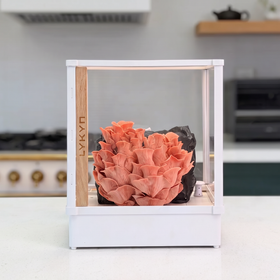
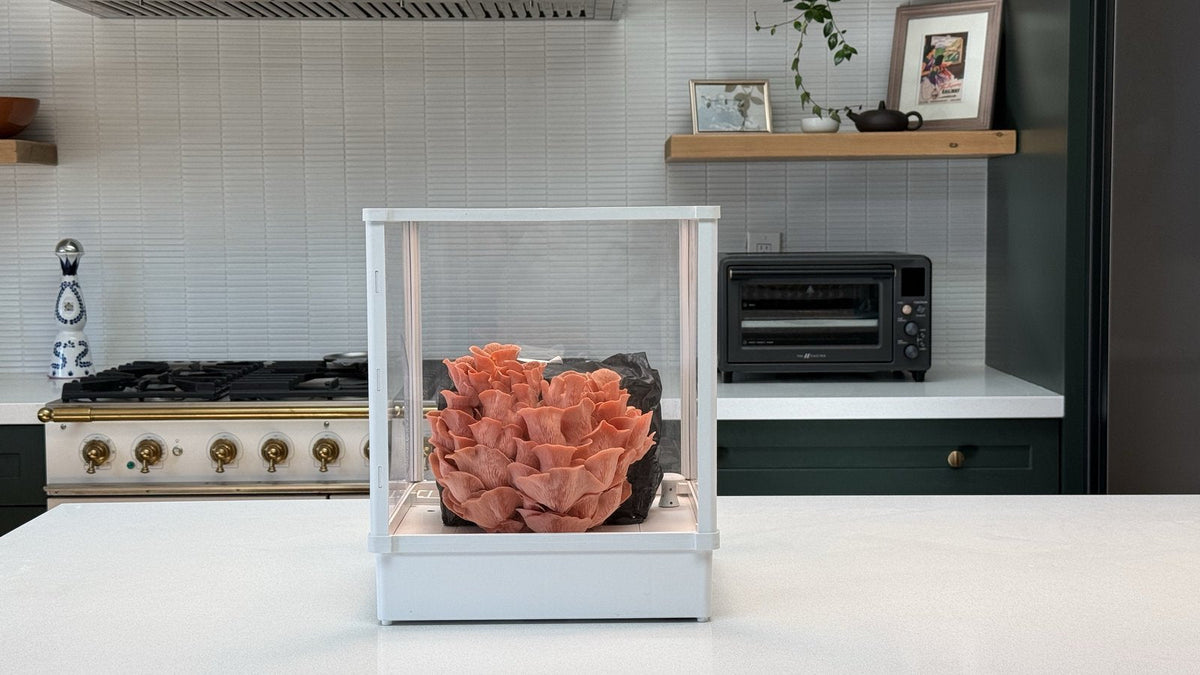
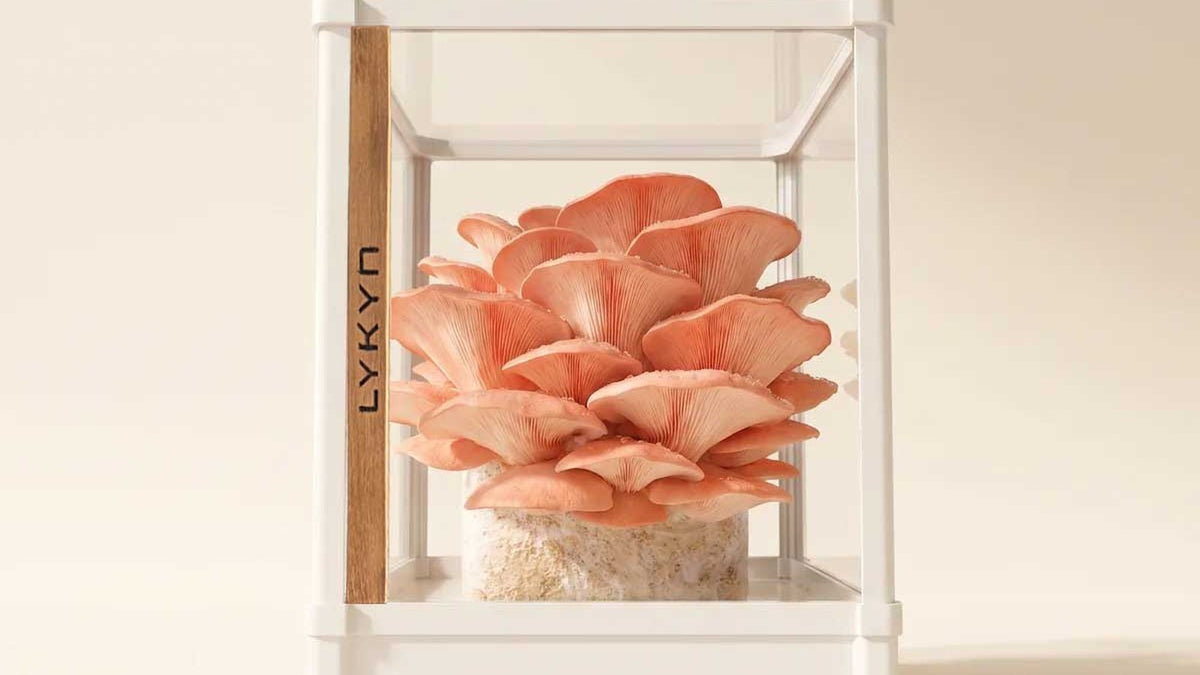
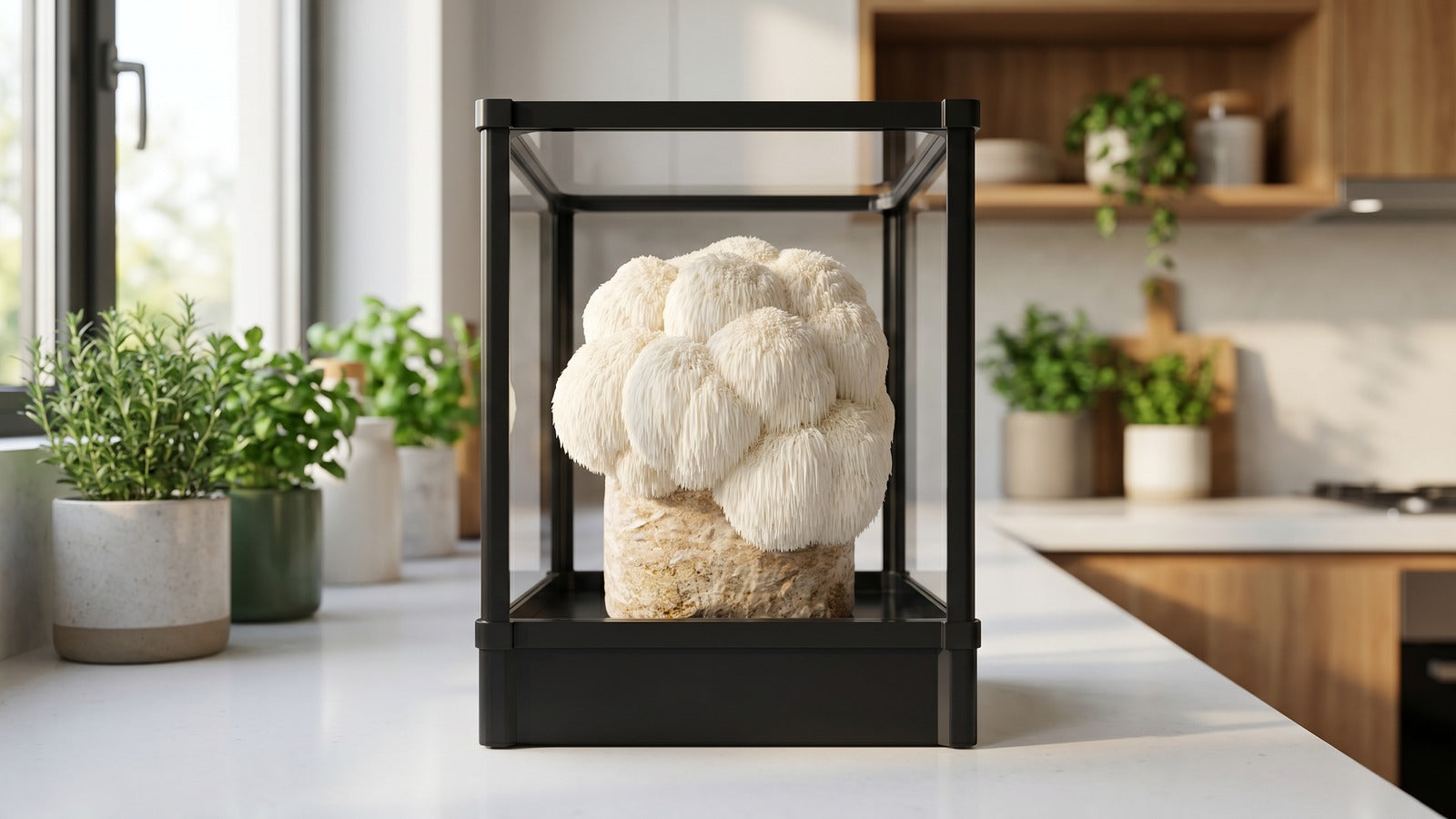
Smart Chamber. Bone White Single
- 2.8L tank, 90% humidity automatic
- App-controlled, plug-and-play
- 6 lb block ceiling, in stock

Smart Chamber. Obsidian Black Single
- Same hardware as Bone White
- Matte black premium finish
- Pairs with any kitchen palette

A typical cup of mushroom coffee has four flavor components.
- Coffee character first. The base is still ground Arabica or sometimes Robusta, brewed normally. Roast level, grind size, and brewing method drive most of the flavor.
- Reduced acidity. Mushroom extracts mellow the brightness that some single-origin coffees deliver. The "snap" of a Kenyan or Ethiopian coffee is gone. What is left is rounder and softer.
- Slight earthiness. This is the mushroom contribution. It reads as woody, slightly mineral, sometimes with a faint vanilla undertone (especially when chaga is in the blend). It is not "mushroom" in any culinary sense.
- Less bitterness. The mushrooms cut some of the harsh bitter notes that come from over-extraction or darker roasts.
Most first-time drinkers, when asked to describe a blind cup, say things like "smooth," "softer than usual," "less acidic," or "darker tasting." Very few say "mushroomy."
Why It Does Not Taste Like Mushrooms
The reason mushroom coffee does not taste like a portobello or a shiitake comes down to two facts. First, the mushroom species used (lion's mane, chaga, reishi, cordyceps) are functional mushrooms, not culinary mushrooms. Lion's mane on its own has a mild, slightly seafood-like flavor; chaga tastes earthy and faintly sweet; reishi is bitter and woody; cordyceps has a slight sweetness. None of them have the umami punch of a sautéed cremini.
Second, what goes into the coffee is not the whole mushroom. It is an extract, usually dual-extracted in water and alcohol, then dried into a powder. The extraction process pulls out the bioactive compounds (polysaccharides, triterpenes, beta-glucans) and leaves most of the volatile aromatic compounds behind. The end result is a concentrated powder that tastes faint and earthy, not like dinner.
Mix that powder with ground coffee at 5 to 15 percent by weight, brew it, and the coffee flavor dominates. The mushroom contribution shows up as texture and finish, not as a recognizable mushroom note.
How Brand and Species Affect Flavor
Not all mushroom coffee tastes the same. The species blend and the mushroom-to-coffee ratio change the experience.
Lion's Mane Forward
Blends heavy on lion's mane are the most neutral. Lion's mane is barely detectable in coffee, so the result tastes closest to regular coffee with a slightly cleaner finish.
Chaga Forward
Chaga adds the most distinctive flavor. It contributes a faint vanilla-earthy note that some people love and some find slightly off. If you brew chaga as a standalone tea, it tastes a bit like a mild dark coffee on its own, so adding it to coffee compounds that direction.
Reishi Forward
Reishi is bitter and woody, so blends with a lot of reishi can taste a touch more astringent. Most brands use reishi sparingly for this reason.

Fuel Your Mushroom Journey
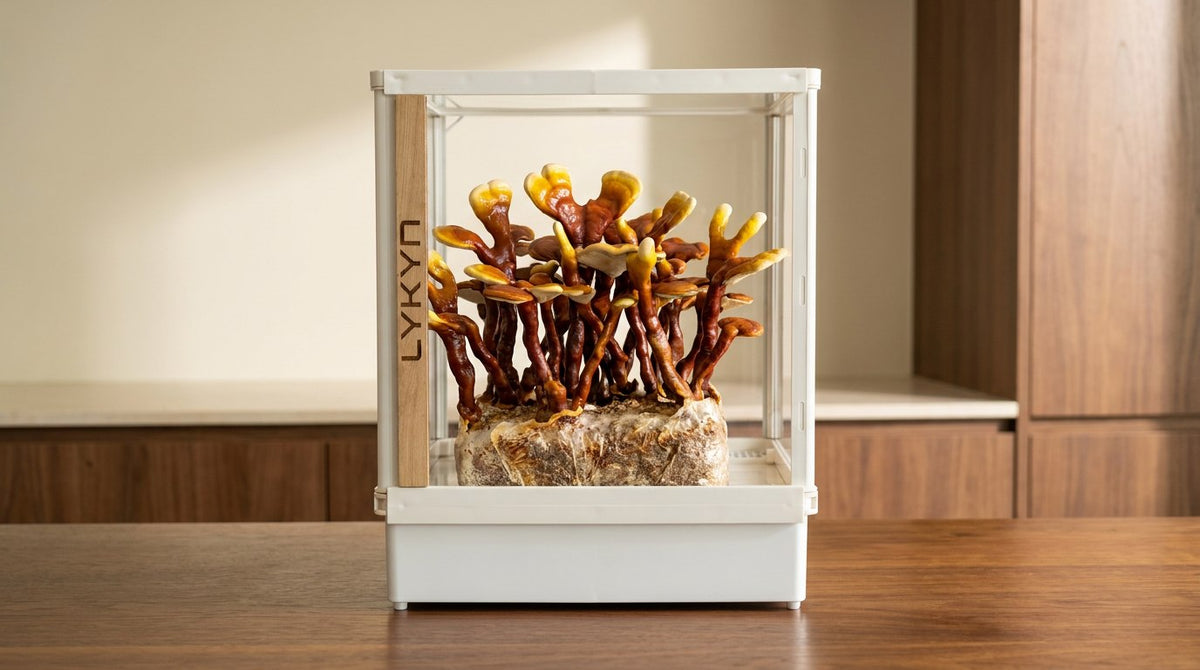
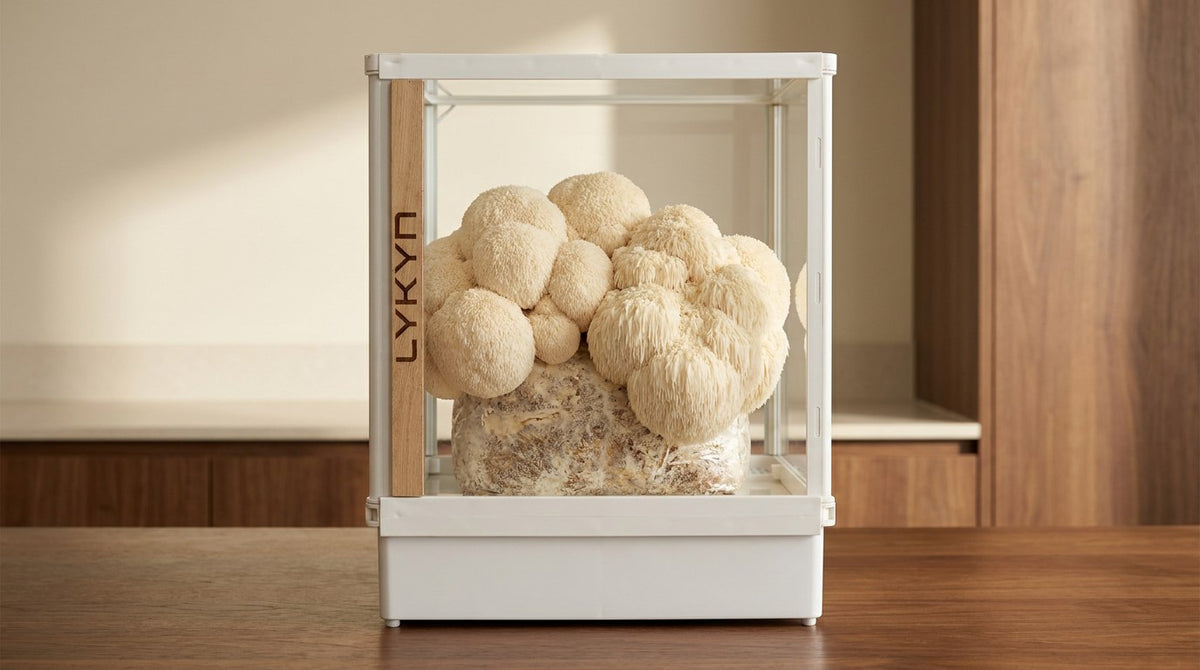
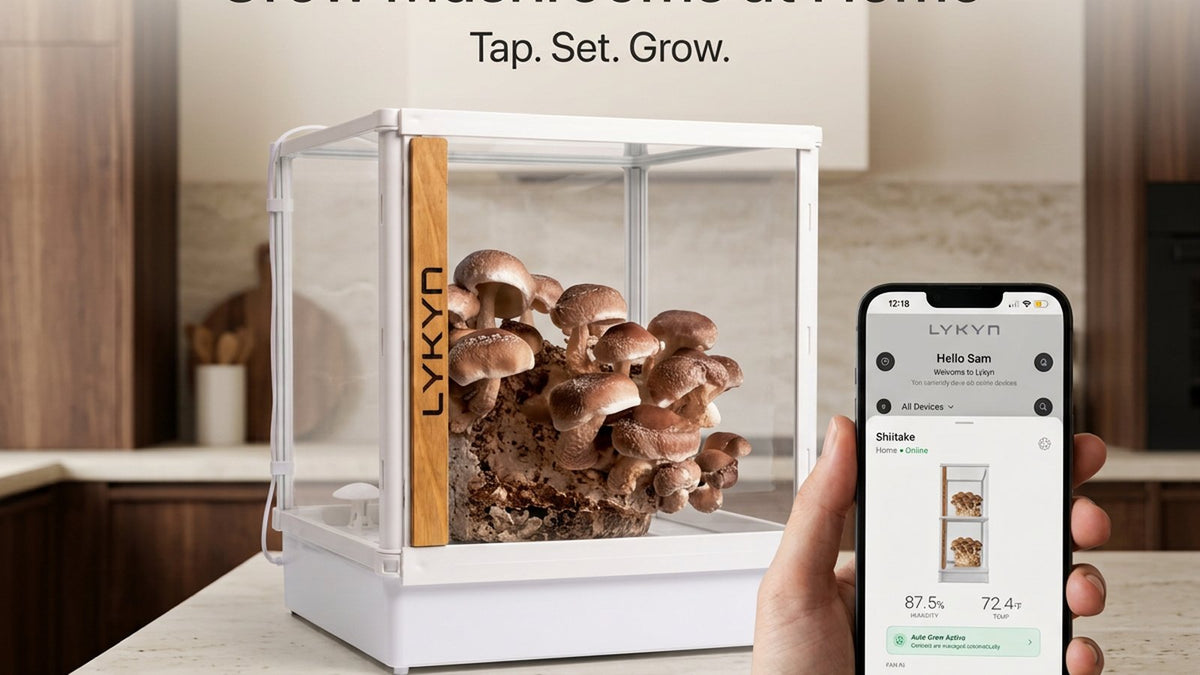
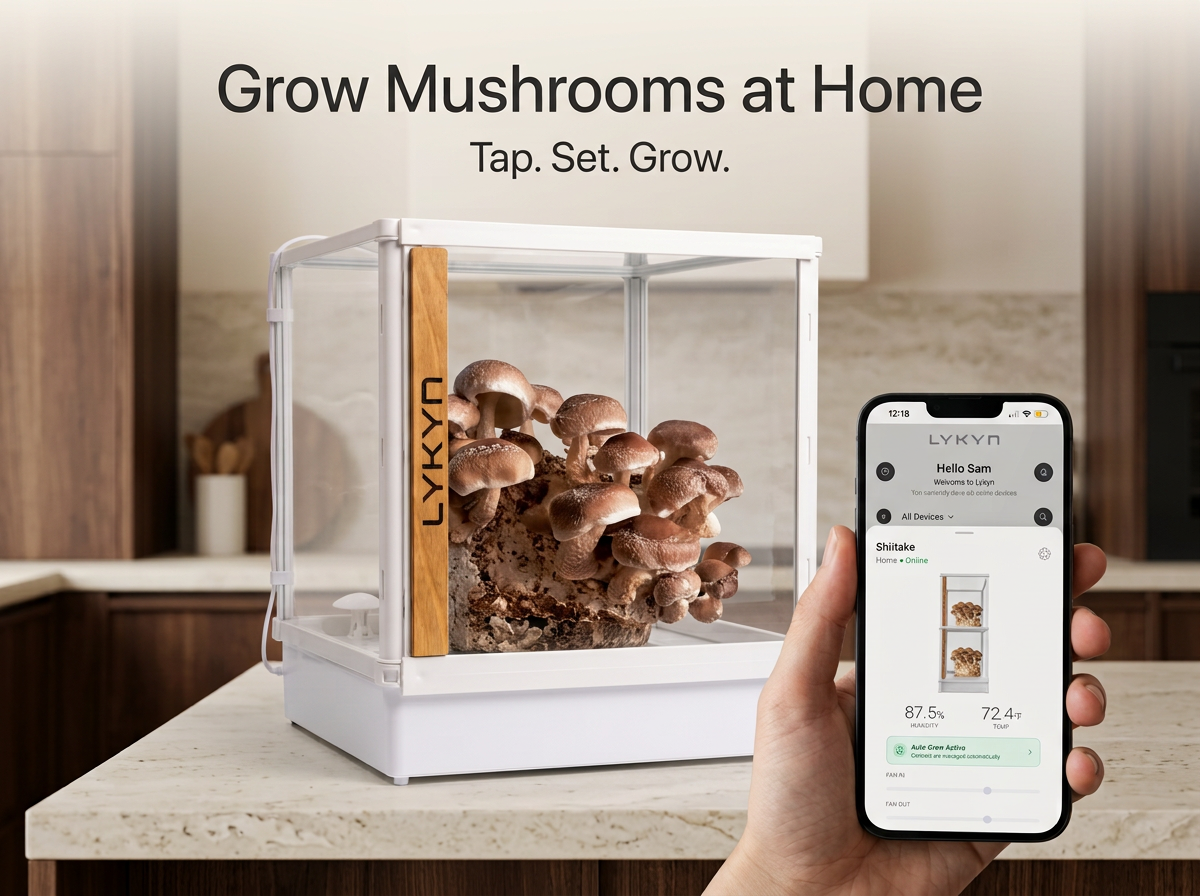
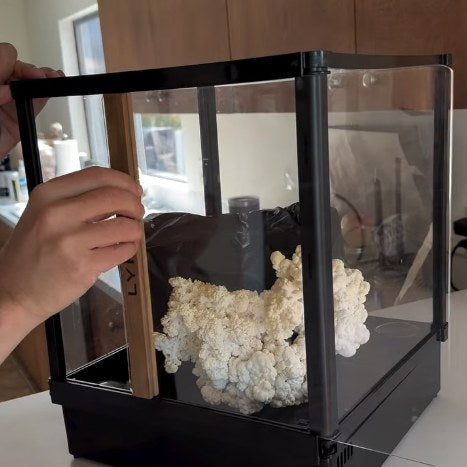
Smart Mushroom Grow Chamber
Plug-and-play smart chamber with humidity, light, and airflow dialed in for every species. Beginners harvest their first flush in days, not months.
Add to cart $299Cordyceps Forward
Cordyceps adds a slight sweetness. Cordyceps-heavy blends, often marketed for energy, tend to taste rounder and slightly sweeter than other formulations.
Blends that combine three or four species at modest percentages tend to taste the most balanced. Single-mushroom blends (especially chaga-only) are where you most notice the mushroom character.
How Roast and Brewing Method Affect Taste
The coffee base matters more than most newcomers expect.
- Dark roast mushroom coffee tastes the most like regular dark roast. The bold, smoky notes overpower most of the mushroom character. This is the easiest entry point for skeptics.
- Medium roast mushroom coffee shows off the mushrooms more. You will notice the earthy undertone and reduced acidity more clearly.
- Light roast mushroom coffee is the rarest, because the bright, fruity notes of a light roast clash with the earthy mushroom finish. When done well, it is interesting; when done poorly, it tastes muddled.
Brewing method matters too. Drip and pour-over highlight the smoother body. French press emphasizes the texture and earthiness. Espresso concentrates everything, so a mushroom espresso is intense in both directions. Cold brew is surprisingly good because the slow extraction smooths out the coffee while still pulling the mushroom compounds gently.
Tips for First-Timers
If you are trying mushroom coffee for the first time, a few small adjustments will get you to "I actually like this" faster.
- Start with a dark or medium roast blend. The familiarity of the roast carries you through the first few cups while you get used to the slight earthy finish.
- Brew it slightly stronger than your usual coffee. Mushroom coffee has less caffeine and a softer flavor, so a slightly heavier dose of grounds compensates.
- Add milk or oat milk if you usually do. Mushroom coffee takes dairy and plant milks well. The mushroom note pretty much disappears into a latte.
- Try it black at least once. The first time you drink mushroom coffee black is the best chance to actually taste what the mushrooms contribute. After that, prepare it however you prefer.
- Give it three or four cups before judging. The first cup often reads as "weird." By the third or fourth, your palate has recalibrated and the coffee tastes normal.
Common First-Time Reactions
Based on hundreds of mushroom coffee first-time reviews, a few patterns repeat.
- "Smoother than I expected." The most common reaction. The lower acidity registers immediately.
- "Tastes a little different but not bad." Most people place the difference without being able to describe it.
- "I don't taste mushrooms at all." Common for blends with lots of lion's mane and minimal chaga or reishi.
- "There is something earthy in there." The honest middle-ground response.
- "It tastes like weak coffee." This usually means the brewer used the same dose of grounds as for regular coffee and got a slightly under-caffeinated, slightly milder cup. Brewing stronger fixes this.
People who actively dislike mushroom coffee on the first try usually fall into one of two camps: they brewed too weak, or they expected a dramatic flavor change and were thrown by how subtle it actually is.
If You Want to Taste Real Mushroom Flavor
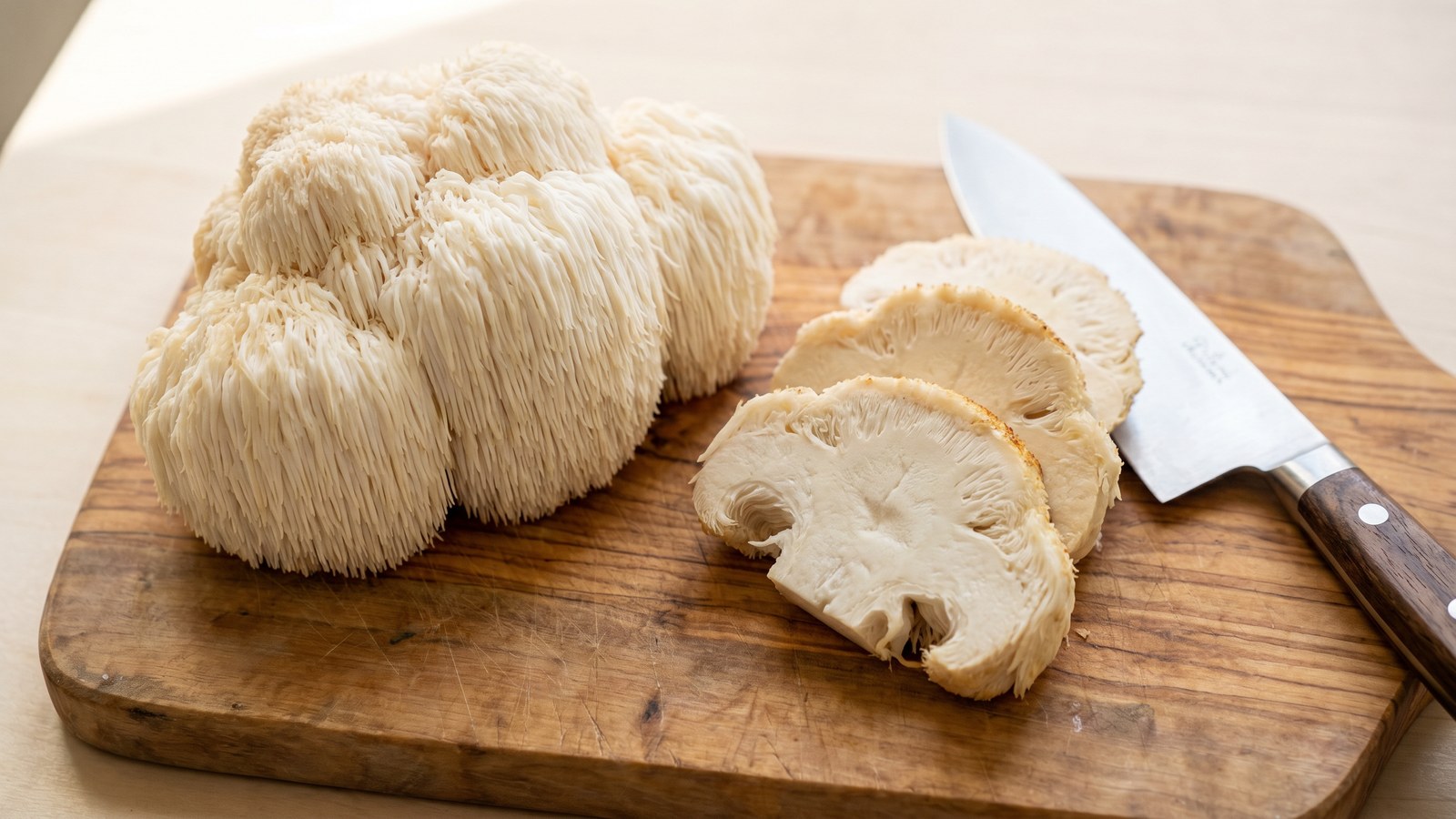
Mushroom coffee is intentionally engineered so the mushrooms do not taste like mushrooms. If you actually want to experience what culinary mushrooms taste like, that is a different direction (and a more flavorful one). Fresh lion's mane, for example, has a delicate, slightly seafood-like flavor that is nothing like the powder in your coffee. Fresh shiitake brings deep umami. Maitake is rich and slightly nutty.
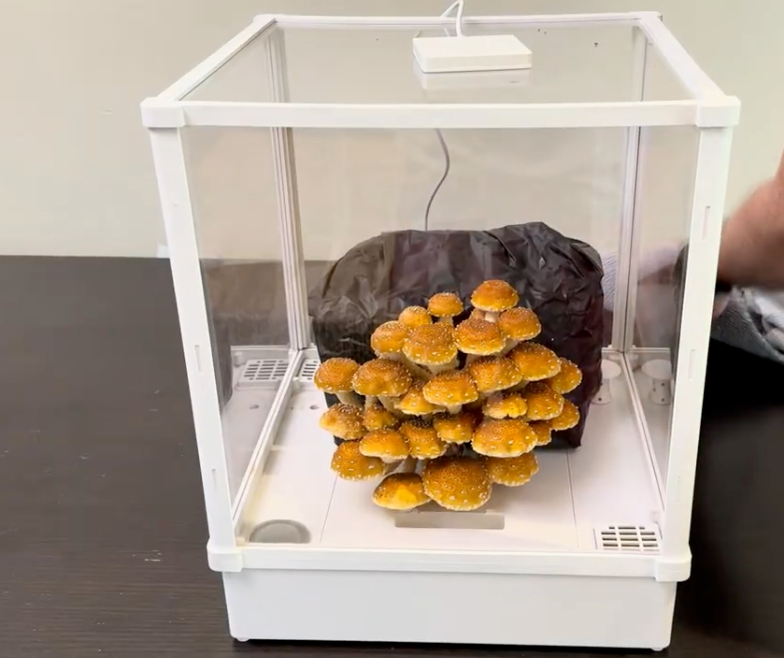
None of that shows up in your morning cup, and that is by design. But if the coffee piques your interest in functional mushrooms generally, fresh whole mushrooms are the more rewarding next step in the kitchen. A small countertop grow kit produces a steady supply of fresh lion's mane, oyster, or shiitake without much effort. Our mushroom grow kits are designed for exactly that progression.
So, to settle the question once and for all: mushroom coffee tastes like coffee. A slightly smoother, less acidic, faintly earthier version of what you already drink. The only way to know for sure is to make a cup and taste it yourself. Most people who do are pleasantly surprised by how unremarkable the experience is, in the best possible sense.
Share:
Baby Bella Mushroom Nutrition: Full Breakdown
Baby Bella Mushroom Nutrition: Full Breakdown