


The beefsteak mushroom (Fistulina hepatica) is a wild edible that looks more like a slab of raw liver than a mushroom. The fruiting body emerges from the bark of oak or sweet chestnut trees as a thick, dark red bracket, soft to the touch, with a moist surface that bleeds a reddish juice when cut. The Latin name hepatica means "liver," and the resemblance is genuinely unsettling the first time you see one. Slice it open and you'll find marbled pink flesh that looks like beef sirloin. Cook it correctly and you have one of the few wild mushrooms with a meaty, slightly sour, almost beef-like flavor.
This is a forager's species, not a cultivated one. Beefsteaks form on living hardwood trees as a long-term root and butt rot fungus, and they've resisted commercial cultivation. To eat them, you need to learn to identify them in the wild and you need to understand the rules for preparing them. This guide covers both, plus where they fit (and don't fit) in a modern kitchen.
How to identify a beefsteak mushroom

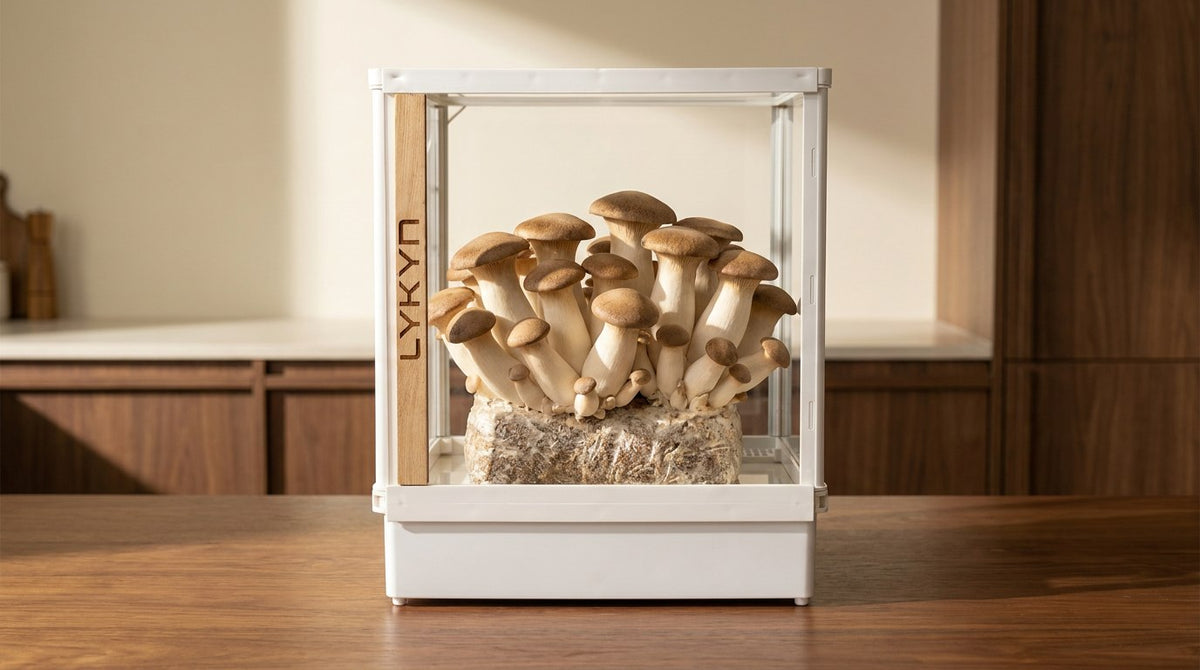
Smart Chamber. Bone White Single
- 2.8L tank, 90% humidity automatic
- App-controlled, plug-and-play
- 6 lb block ceiling, in stock

Smart Chamber. Obsidian Black Single
- Same hardware as Bone White
- Matte black premium finish
- Pairs with any kitchen palette

Beefsteaks have a single, unmistakable form. The cap is 4 to 10 inches across, rounded or tongue-shaped, blood-red to deep brown-red on top, with a sticky or moist surface in fresh specimens. The flesh is 1 to 2 inches thick, soft, juicy, and marbled with darker veins that genuinely resemble raw meat. Cut it and a reddish-brown liquid seeps out.
The pore surface (under the cap) is the diagnostic feature. Unlike polypores that have a continuous spore-bearing layer, Fistulina hepatica has individual, free pores that look like a forest of tiny tubes packed side by side but not joined together. Run your thumb across the underside and you'll feel each pore as a distinct unit. The pores are pale cream when young and turn reddish-brown with handling or age. There is no stem in the conventional sense; the bracket attaches directly to the host tree by a short, thick base.
Spore print is pinkish-brown. No common look-alike has the same combination of red color, marbled flesh, free pores, and oak or chestnut host.
Where and when to find them
Beefsteaks grow on living oaks (Quercus) and sweet chestnuts (Castanea) in temperate climates. Mature trees in the 60 to 200-year age range are the preferred hosts. The mushroom emerges from heartwood that the fungus is slowly breaking down, often 3 to 8 feet up the trunk, occasionally at the base. Once you find a productive tree, expect new fruitings every year or two during the species' multi-decade colonization of that host.
In Europe, the season runs from August through October. In North America, look from late summer through mid-autumn. The mushroom likes warm, humid weather and tends to appear after a stretch of rain following hot days.
A note on harvest ethics: beefsteak is the fungus that produces "brown oak" timber, a richly colored wood prized by furniture makers. Foresters with old oaks often want the colonization to continue. Take only what you'll eat, and never strip an entire fruiting in one visit.
Taste, texture, and the sour catch
Raw beefsteak has a tart, lemony, distinctly sour flavor that comes from a high concentration of organic acids, primarily oxalic and tannic acid. The texture is firm and toothsome, with enough chew to remind you of meat. Cooked, the flavor mellows but keeps a noticeable acidic note that doesn't suit every dish.
This species is the one wild mushroom regularly eaten raw, thinly sliced like beef carpaccio with olive oil, salt, and lemon. The sourness works in that context. Cooked, the acidity can turn dishes muddy, so most experienced foragers limit beefsteak to a small role in mixed-mushroom preparations rather than featuring it as the main ingredient.

Fuel Your Mushroom Journey
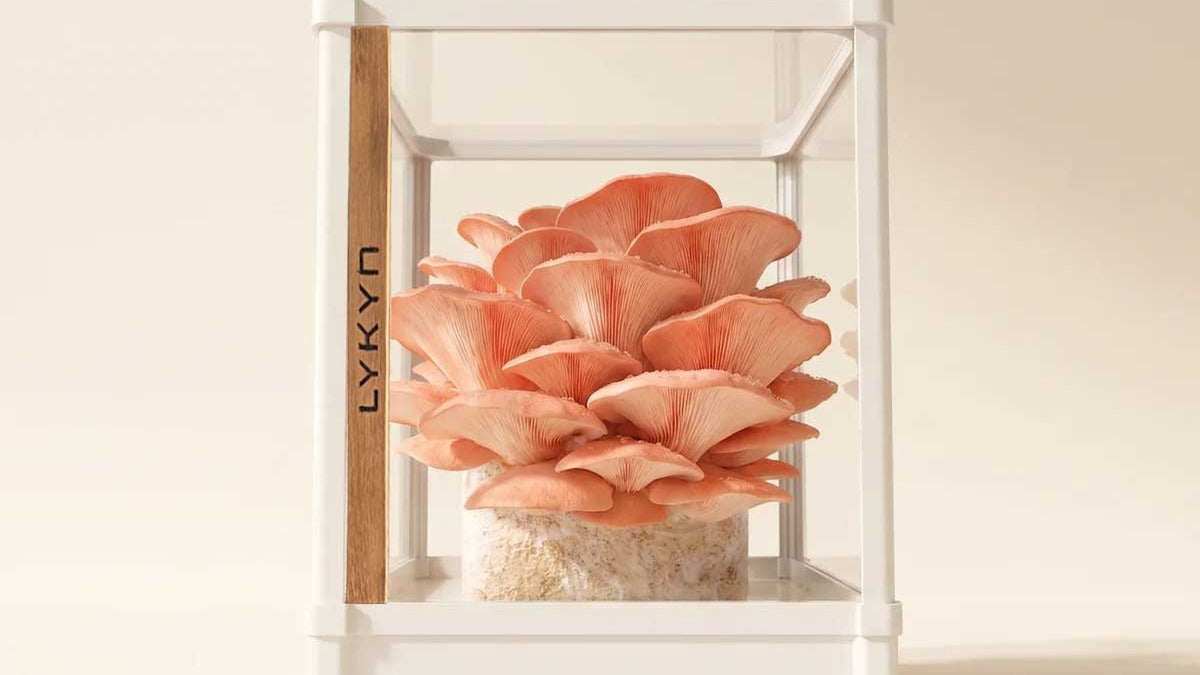
Smart Mushroom Grow Chamber
Plug-and-play smart chamber with humidity, light, and airflow dialed in for every species. Beginners harvest their first flush in days, not months.
Add to cart $299How to cook beefsteak mushroom
The three preparations that work consistently. First, raw carpaccio: slice paper-thin, dress with extra-virgin olive oil, flaky salt, lemon zest, and shavings of aged hard cheese. Eat right away. Second, slow-cooked in a long-simmered ragu: dice and add to a tomato-based meat sauce in the last 30 minutes, where the acidity disappears into the larger acid base. Third, breaded and pan-fried like a thin schnitzel: cut into half-inch slabs, salt for 20 minutes to draw out some juice, pat dry, dredge in flour, dip in egg, coat with breadcrumbs, and fry in butter.
Three pitfalls to avoid. Don't sauté it solo in butter; the acidity overwhelms the butter and the mushroom turns gray and unappealing. Don't combine it with delicate cream sauces; the acid can split the cream. Don't substitute it for porcini or chanterelle in recipes; the flavor profile is too different.
Cook beefsteak thoroughly when you're not eating it raw. The species is generally well-tolerated but high oxalic acid content means anyone with a history of kidney stones should limit intake, and pregnant women are usually advised to skip it.
Foraging tips for beginners
Three rules will keep you on the right side of the species. First, learn to identify a healthy mature oak or sweet chestnut. Beefsteaks don't grow on any other hardwood, so habitat confirms ID. Second, check the pore surface. Free, individual pores are the signature feature; a continuous pore layer means you have a different polypore. Third, take only young, firm specimens. Beefsteaks past their prime are mushy, sour to the point of being inedible, and often colonized by insects.
Carry a sharp knife and cut the bracket away cleanly rather than tearing it, which damages the host tree. Trim away any tough or fibrous base material in the field. Beefsteak holds water like a sponge, so don't wash it; brush off debris and trim instead.
Can you grow beefsteak at home?
No, not in any practical sense. Fistulina hepatica is a slow-growing heartwood decomposer that needs live oak or chestnut wood and a multi-decade timeline. The species is not in commercial cultivation anywhere, and no home grow kit exists.
If you want fresh, home-grown gourmet mushrooms with a predictable harvest window, the realistic path is species that perform well on prepared substrate, like oyster, lion's mane, and king trumpet. Those are available as ready-to-fruit mushroom grow kits with documented yields. Beefsteak stays on the wild list.
The bottom line on beefsteak
Beefsteak mushroom is a specialist's wild edible, not an everyday cook's friend. Its sour, meaty character makes it a curiosity worth trying when you find it, especially raw as a sliced carpaccio with good olive oil and lemon. But it doesn't substitute cleanly for the workhorse cultivated mushrooms in your weekday cooking, and it asks for a careful eye in the field and a careful hand in the kitchen. Find one on a healthy old oak, take a small piece, slice it thin, and you'll understand why this strange red bracket has earned a place on the autumn foraging list for two centuries.
Share:
Bolete Mushroom: How to Identify, Forage, and Cook the Group
Bolete Mushroom: How to Identify, Forage, and Cook the Group