


Boletes are the family of wild mushrooms that produced the porcini in your pasta and the cep in your French cookbook. The whole group (genus Boletus and several closely related genera) is identified by one feature: a spongy layer of vertical tubes under the cap instead of gills. Roughly 300 bolete species grow in North America and Europe, and most of them are edible to one degree or another. A small number are toxic, and a handful are reliably world-class on the plate. This guide covers identification, the rules that keep beginner foragers safe, and what to do with a basket of boletes once you've got them.
Boletes are mycorrhizal, meaning they live in symbiosis with tree roots and exchange minerals for sugars. That symbiosis is also why they're effectively impossible to cultivate. Almost every bolete you eat will be wild-foraged or dried, and the dried product (especially porcini) is the most widely traded gourmet mushroom in the world.
How to identify a bolete

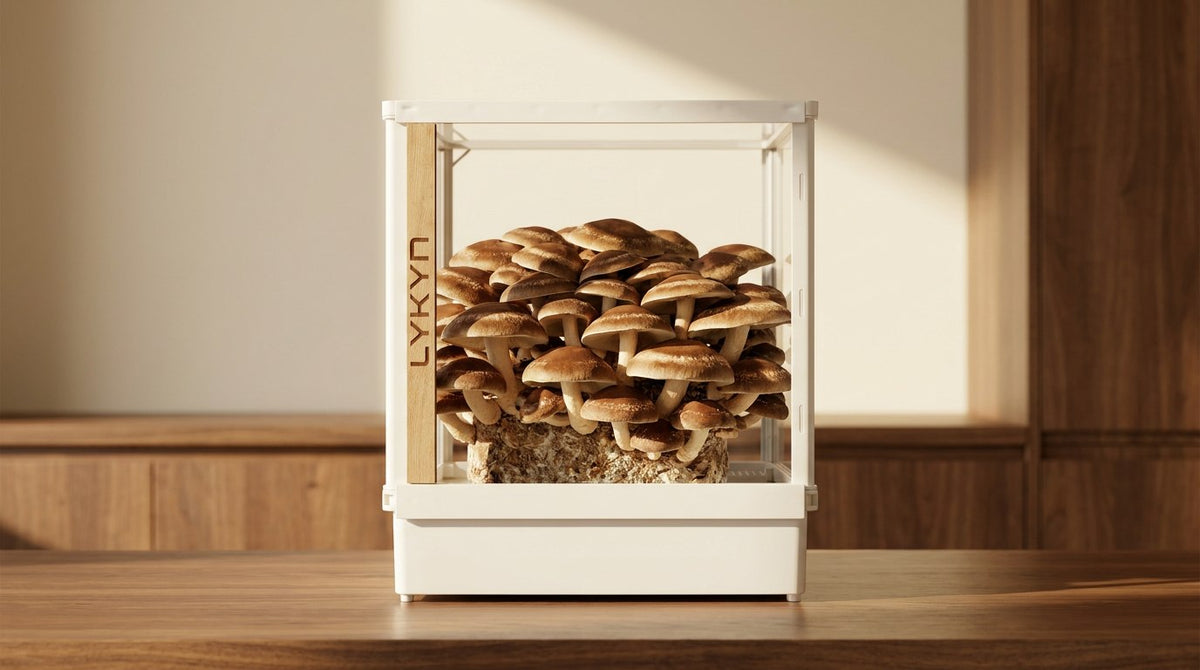
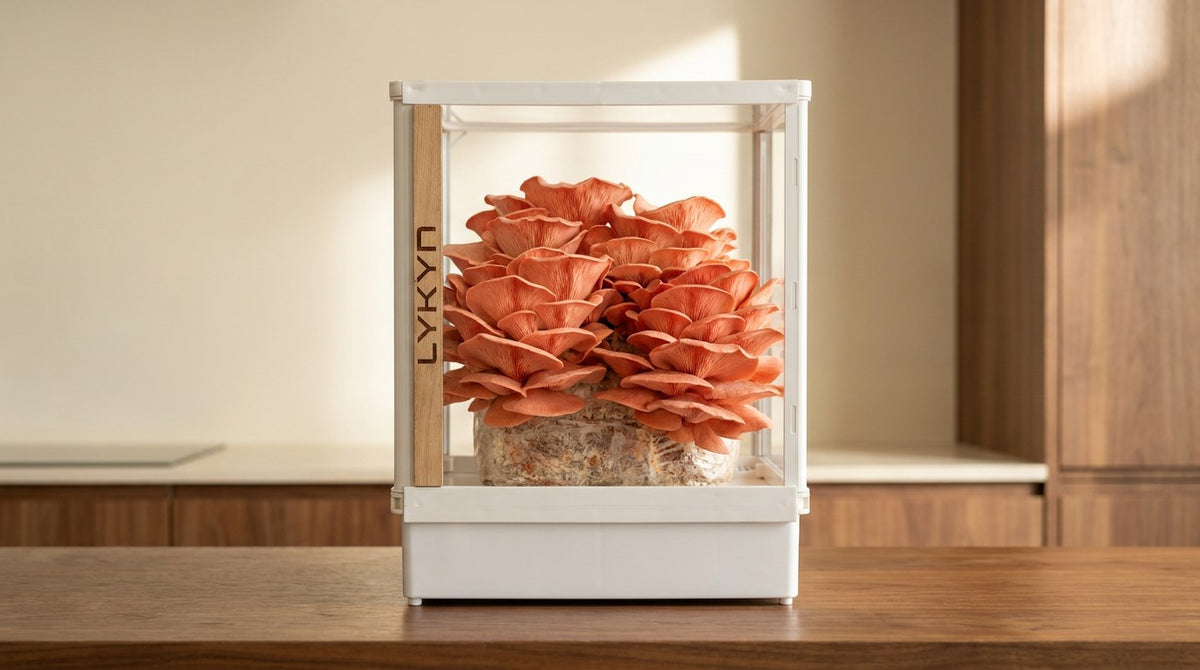
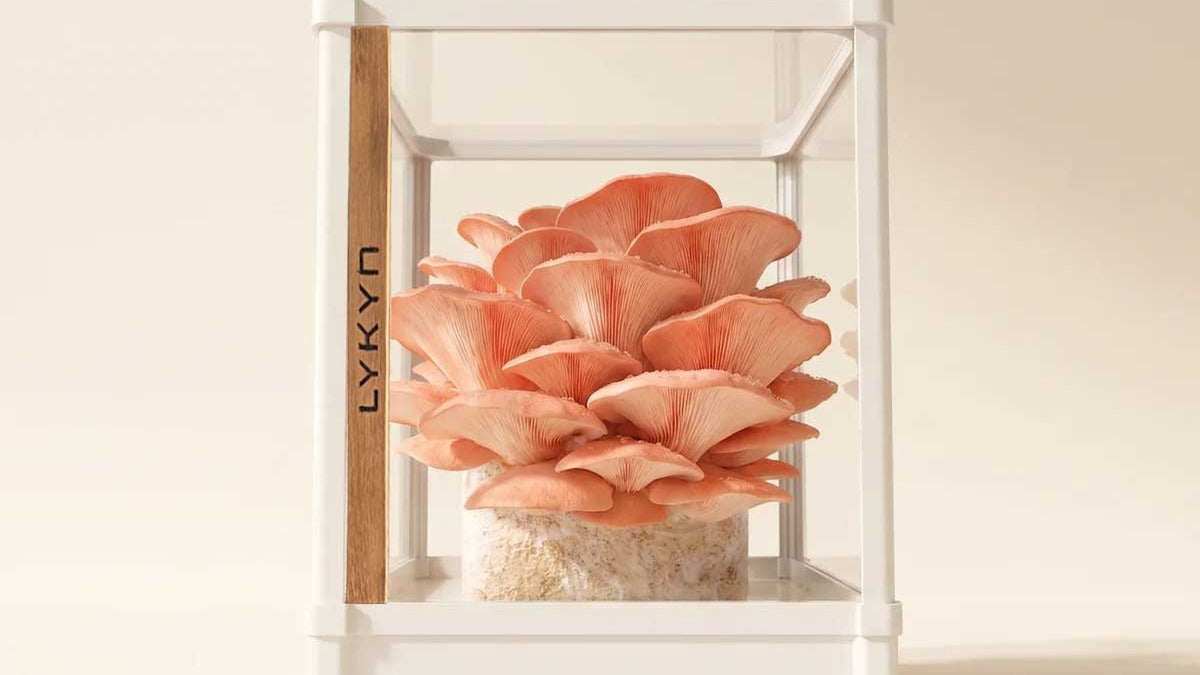
Smart Chamber. Bone White Single
- 2.8L tank, 90% humidity automatic
- App-controlled, plug-and-play
- 6 lb block ceiling, in stock

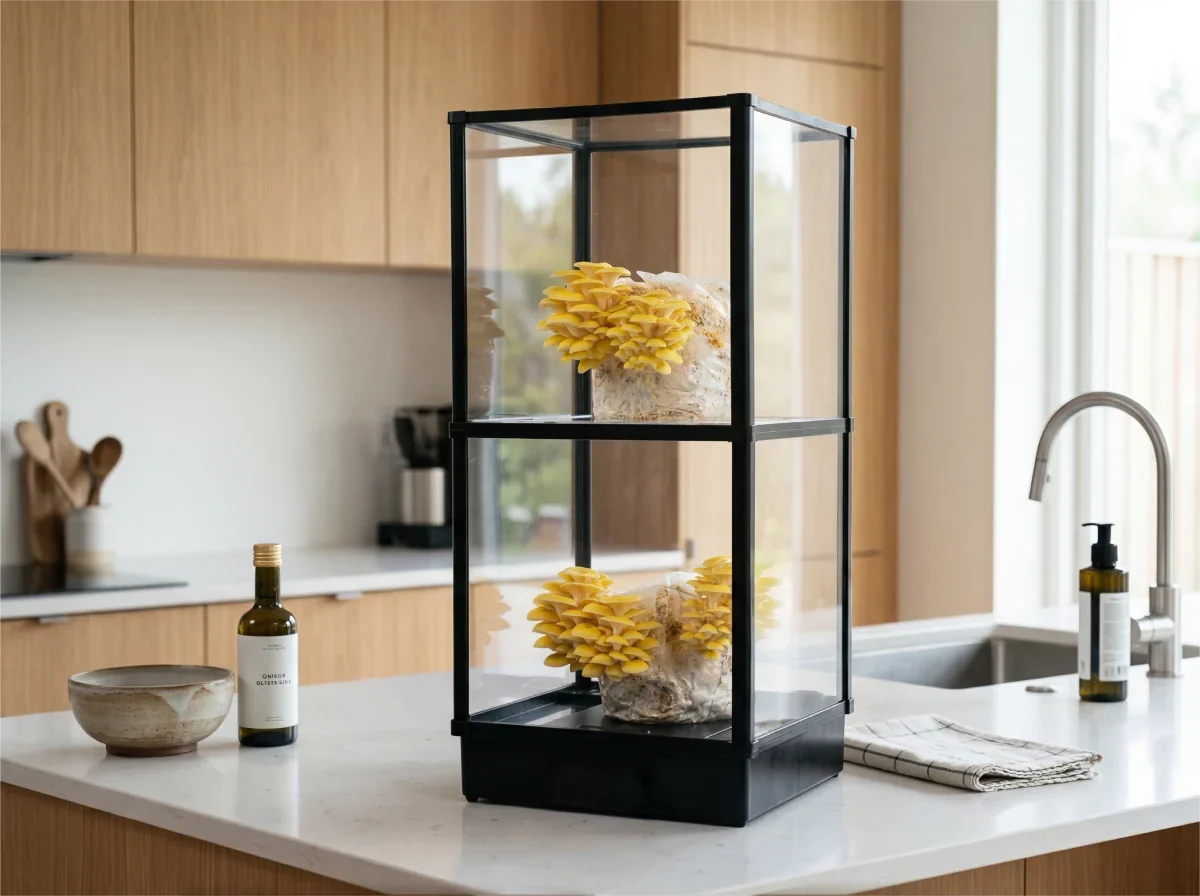
Smart Chamber. Obsidian Black Single
- Same hardware as Bone White
- Matte black premium finish
- Pairs with any kitchen palette

Four features define the bolete group. The cap is rounded, cushion-shaped, or pillow-shaped, ranging from 2 to 10 inches across. The underside has a spongy pore layer made of densely packed vertical tubes, not gills. The stem is thick, fleshy, and often patterned with raised netting (a "reticulum") or scattered scales. The whole mushroom is solid and meaty rather than thin or papery.
Within those features, individual species vary in pore color, cap color, stem pattern, and bruising reaction. Boletus edulis (porcini, cep, king bolete) has a brown cap, white-then-yellow pores, a pale stem with a fine raised network on the upper portion, and white flesh that doesn't change color when cut. Boletus reticulatus (summer cep) is nearly identical but its reticulum extends all the way down the stem. Leccinum scabrum (birch bolete) has a brown cap, gray pores, and a stem covered in black scabs.
Use a regional field guide. Bolete identification benefits from local knowledge because the same name can apply to different species in different regions, and the look-alike map shifts with habitat.
The beginner safety rules
Three rules will keep you out of trouble for almost every bolete on the continent.
Rule one: avoid boletes with red, orange, or pink pores. The species in this group include Suillellus luridus and Rubroboletus satanas (the Devil's bolete), some of which cause severe gastrointestinal distress. Stick to species with white, cream, yellow, gray, or olive pores.
Rule two: avoid boletes whose flesh stains blue or dark green within seconds of cutting. Some blue-staining species are edible after thorough cooking but the group also includes a few toxic species, and the safe path for beginners is to skip the blue-stainers entirely.
Rule three: taste a tiny sliver of raw cap. If it's bitter, spit it out and throw the mushroom away. Tylopilus felleus (bitter bolete) is harmless but it ruins any dish you cook with it because the bitterness intensifies with heat. A good edible bolete tastes mild and nutty raw.
Follow all three and you'll exclude the dangerous species and the dish-ruining species in one screening pass.
Where and when to find boletes
Boletes are mycorrhizal partners with specific trees. Boletus edulis associates with spruce, pine, fir, oak, and beech, fruiting from mid-summer through autumn in temperate forests. Leccinum species partner with birch, aspen, and beech. Suillus species (slippery jacks) pair with pines and larches.
The trigger for fruiting is usually a soaking rain followed by 5 to 10 days of warm, humid weather. In the Pacific Northwest of North America, the season starts in August and runs through November. In New England, late August through October. In Europe, July through October. After a good rain, productive forests can produce baskets of porcini in 48 to 72 hours.

Fuel Your Mushroom Journey
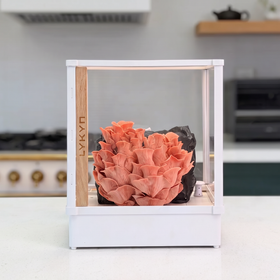
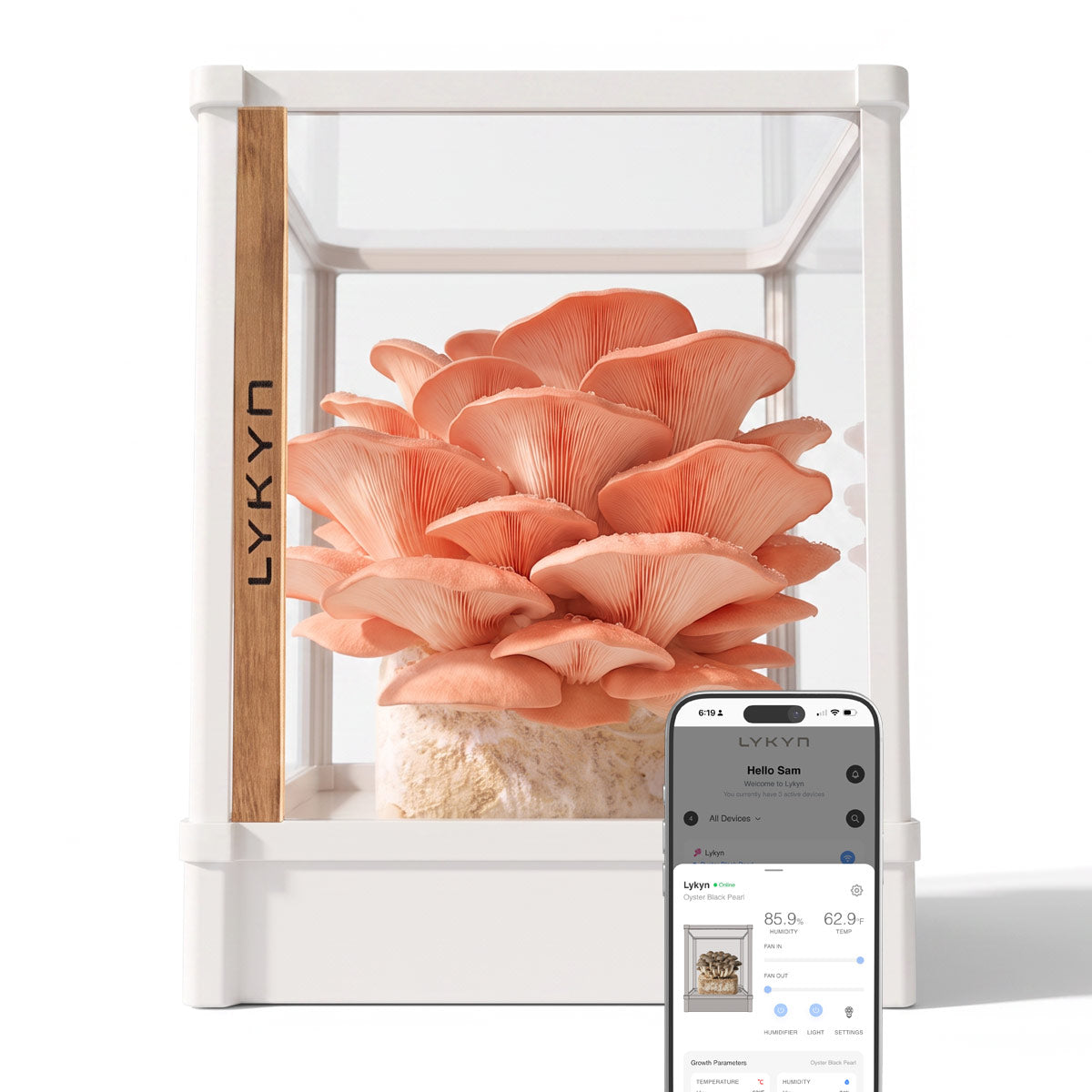
Smart Mushroom Grow Chamber
Plug-and-play smart chamber with humidity, light, and airflow dialed in for every species. Beginners harvest their first flush in days, not months.
Add to cart $299Pick from the ground level up. Boletes near the trail edge are often inspected by every forager who walks past you; the prized specimens hide 20 to 50 feet off the main path. Look for the mounded duff and disturbed leaf litter that signals a mushroom pushing up from below.
Taste and culinary uses
Good edible boletes (porcini, ceps, birch boletes, larch boletes) have a deep, nutty, earthy flavor with a meaty texture that holds its shape under high heat. The flavor concentrates dramatically with drying, which is why dried porcini is among the most prized gourmet ingredients in the world. A 1-ounce bag of dried porcini provides as much flavor as a pound of fresh.
The two foundational preparations. Fresh boletes sautéed in butter with garlic, parsley, salt, and pepper, served on grilled bread or stirred into risotto in the final 2 minutes. Dried boletes reconstituted in hot water (reserve the soaking liquid as a stock), then simmered in a tomato-based sauce, a cream-based pasta sauce, or a hearty stew.
Boletes pair well with butter, olive oil, garlic, thyme, sage, parsley, white wine, cream, polenta, pasta, beef, and game. They don't love acidic preparations, sweet pairings, or aggressive spices that drown the earthy base note.
How to clean, store, and dry boletes
Clean fresh boletes by brushing off dirt and trimming the stem base. Don't soak them; they absorb water like a sponge and turn mushy. Slice the cap and stem lengthwise to check for fly larvae, which are common in mature boletes and which most foragers cut out. Specimens with extensive larval damage go in the compost.
Fresh boletes keep for 3 to 5 days in a paper bag in the refrigerator vegetable drawer. To extend shelf life, dry them. Slice into quarter-inch pieces, lay on dehydrator trays, and dry at 110 to 130°F for 8 to 12 hours until snap-dry. Store in airtight jars in a dark cupboard for up to 2 years. Reconstitute by soaking in hot water for 20 to 30 minutes; the liquid becomes a powerful stock.
You can also freeze cooked boletes. Sauté in butter with a pinch of salt, cool, and freeze in airtight containers for up to 6 months.
Can you grow boletes at home?
No. Boletes are mycorrhizal and require a living tree partner with a complex below-ground network. They cannot be grown in jars, blocks, or substrate bags. A few research projects have produced porcini in association with potted seedlings, but the timeline is years and the yield is unpredictable.
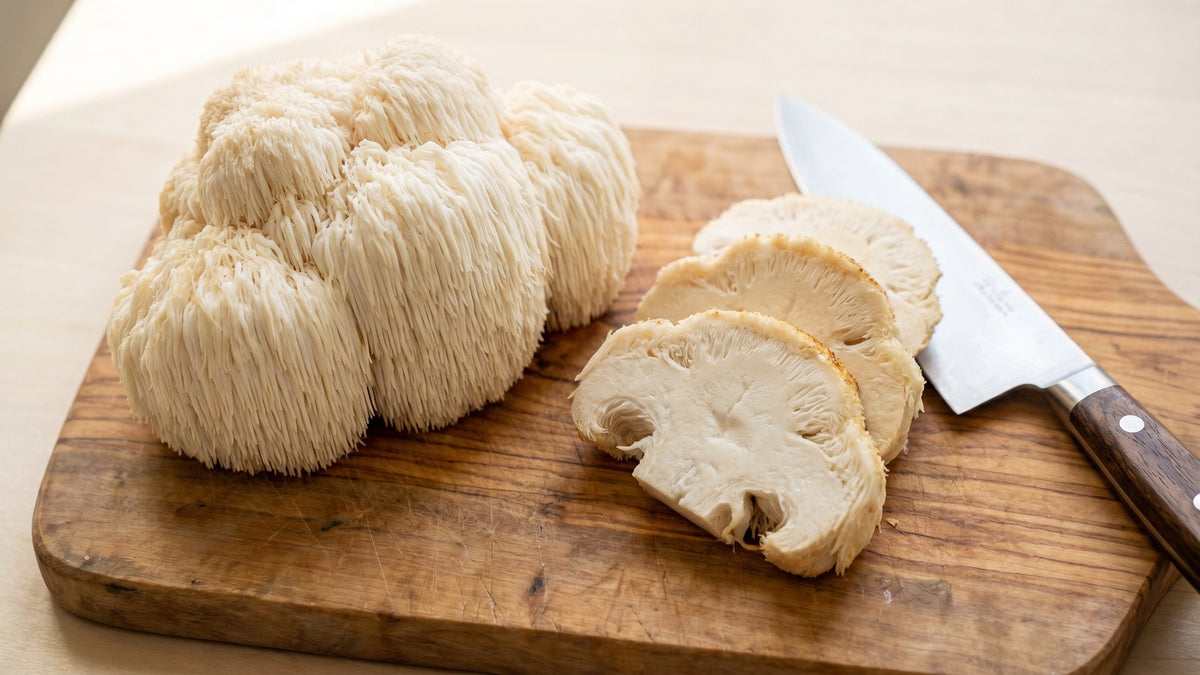
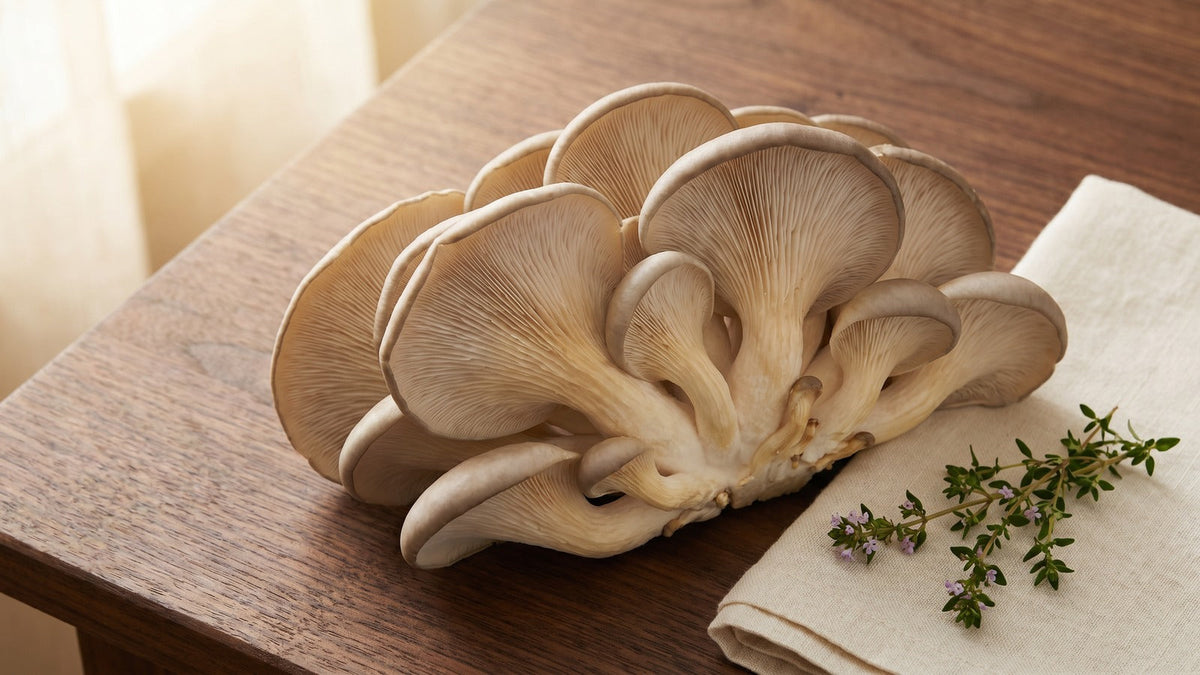
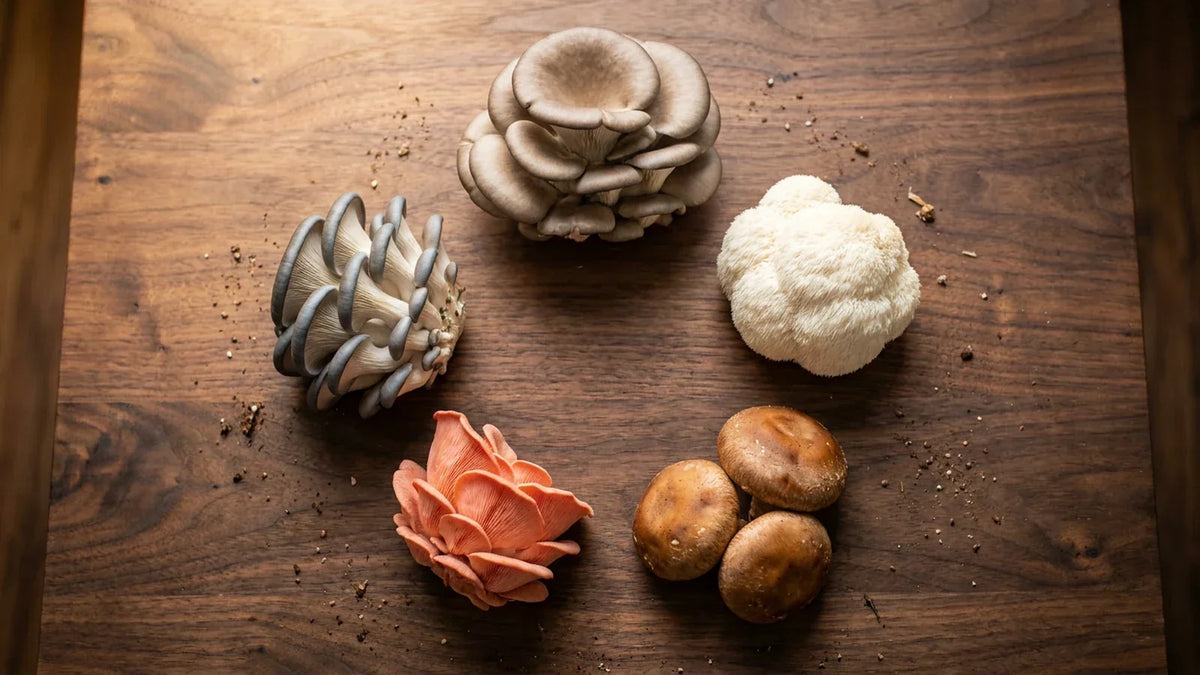
Home cultivation works for saprotrophic mushrooms (decomposers of dead organic matter): oyster, shiitake, lion's mane, king trumpet. Those species are available as ready-to-fruit mushroom grow kits with documented yields and 5 to 14-day harvest timelines. Boletes stay on the forager's list.
The bottom line on boletes
Boletes are one of the most rewarding wild mushroom groups for a careful forager. The identification basics are simple, the safety rules are reliable, and the best species (porcini, ceps, birch boletes) compete with any cultivated mushroom for flavor and texture. Start with a regional field guide, walk with an experienced forager the first few times, and apply the three beginner rules: no red pores, no blue staining, no bitter taste. Once you've found your first porcini under a spruce after an August rain, you'll understand why this group has been the cornerstone of European wild-mushroom cookery for centuries.
Share:
Beefsteak Mushroom: Identification, Taste, and How to Cook It
Beefsteak Mushroom: Identification, Taste, and How to Cook It