


Choosing a morel growing kit is less like picking a houseplant and more like picking a fruit tree. The kit you buy this fall will, at best, produce mushrooms two springs from now, and at worst will sit in your yard as a science experiment that never reports back. That's just morel biology, not a manufacturer problem. So the decision is less "which kit grows the most mushrooms" and more "which kit is honest about what it can and can't do."
This is a buyer's guide written for people who already know morels are hard and want to make the smartest possible choice anyway. We'll cover the criteria that matter, the red flags to avoid, and the questions every legitimate vendor should be able to answer.
Set realistic expectations before you compare kits

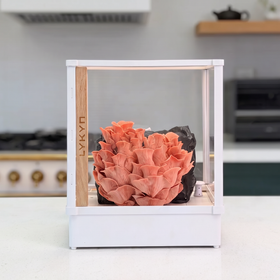
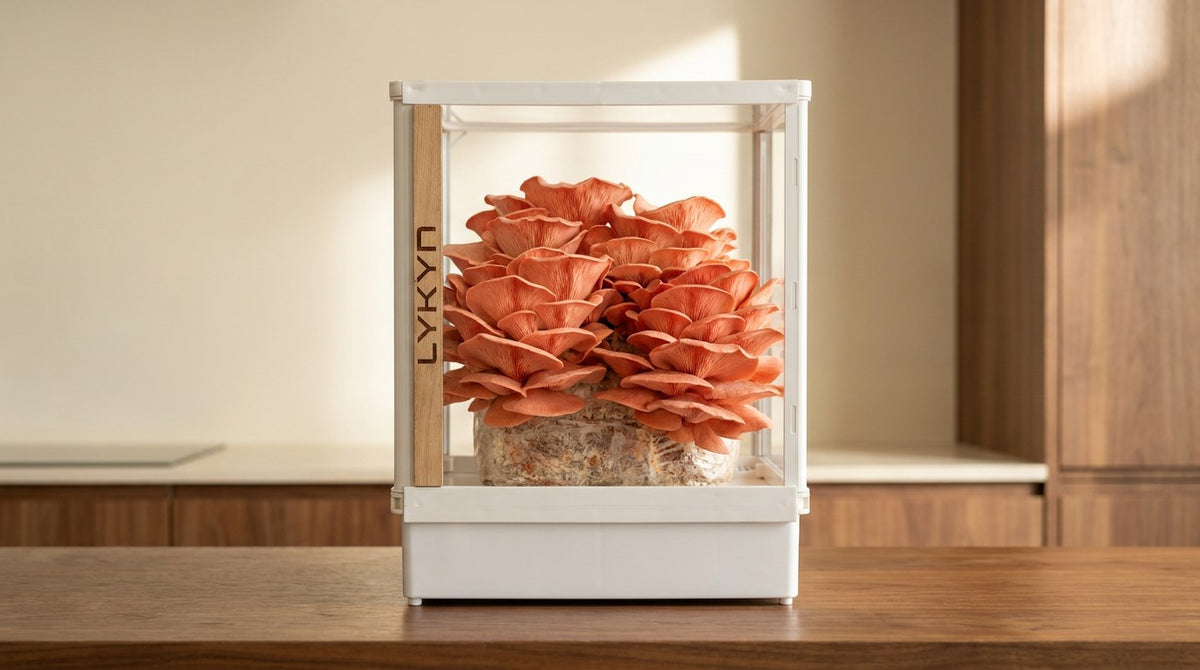
Smart Chamber. Bone White Single
- 2.8L tank, 90% humidity automatic
- App-controlled, plug-and-play
- 6 lb block ceiling, in stock

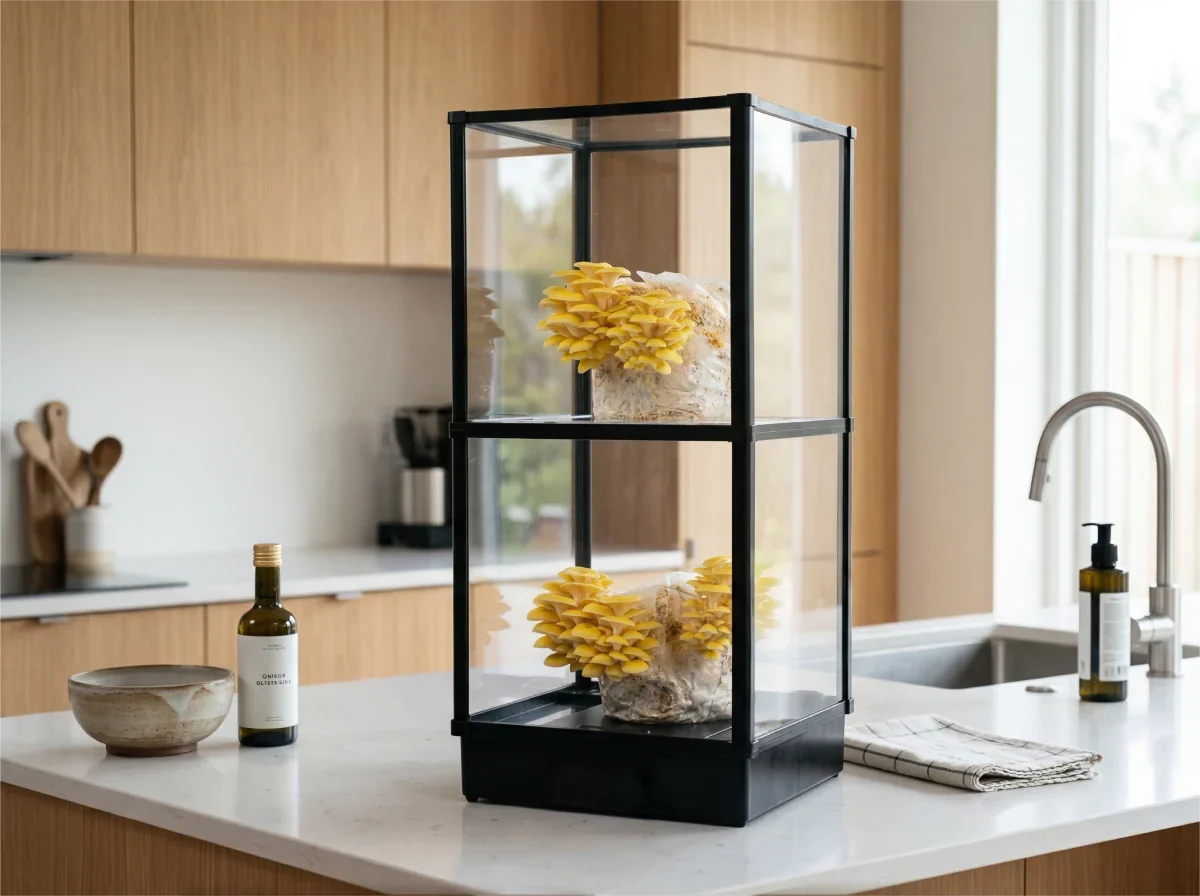
Smart Chamber. Obsidian Black Single
- Same hardware as Bone White
- Matte black premium finish
- Pairs with any kitchen palette

No consumer morel kit produces a reliable indoor harvest in weeks. They are all outdoor bed inoculation products. Even the best ones have first-fruiting success rates in the 10 to 30% range over a three-year window, based on hobby grower reports. The "best" kit is the one that gives you the highest chance within those realistic bounds, not the one that promises the most. With that framing in place, the criteria below actually mean something.
Criterion 1: Species transparency
The best kits name the morel species and, ideally, the strain. Look for:
- Morchella esculenta (yellow morel): The classic North American hardwood morel. Best for temperate hardwood-forest climates in USDA zones 4 to 7.
- Morchella importuna or M. angusticeps (black morels): Better for cooler zones, conifer or mixed forests, and burned-over ground.
- Morchella sextelata and related Chinese strains: The strains used in Chinese greenhouse production, occasionally sold for home outdoor use. Variable performance in North American climates.
If the listing just says "morel mushroom kit" with no species name, that's a hard pass. Either the vendor doesn't know what's in their kit or they're hiding it.
Criterion 2: Climate match disclosure
A good kit listing tells you which USDA zones the strain has data for. Buying a black morel strain optimized for zone 4 conifer forests and inoculating it in a zone 9 backyard is going to fail no matter how careful you are. Vendors who skip this step are selling on hope.
Ask before buying: "What zones has this strain produced in for your customers?" A vendor who can answer with specifics (not "anywhere in the US") earns your trust.
Criterion 3: Honest timeframe language
Walk through the product page and look for the time-to-harvest claim. Trustworthy language sounds like:
- "First fruiting possible in spring of year one, more likely in year two or three"
- "Plan for a 2 to 3 year project"
- "Not all beds fruit; weather and soil conditions matter"
Untrustworthy language sounds like:
- "Harvest in 60 days"
- "Guaranteed mushrooms in your first season"
- "Grow morels indoors in 6 weeks"
The second list is selling something that isn't possible with current morel biology. Even the Chinese greenhouse operations that pioneered partial indoor morel growing take a full season per cycle, not 6 weeks, and rely on tightly controlled facilities.
Criterion 4: What's in the box
Open up the product description and look for these components:

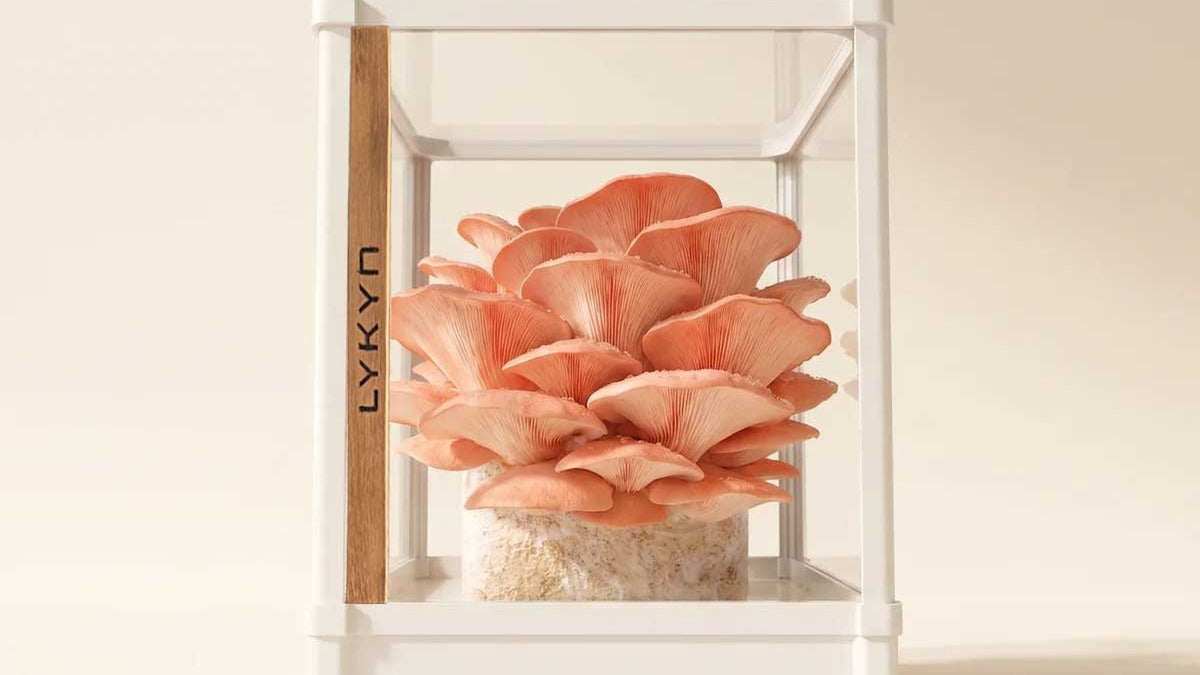
Fuel Your Mushroom Journey
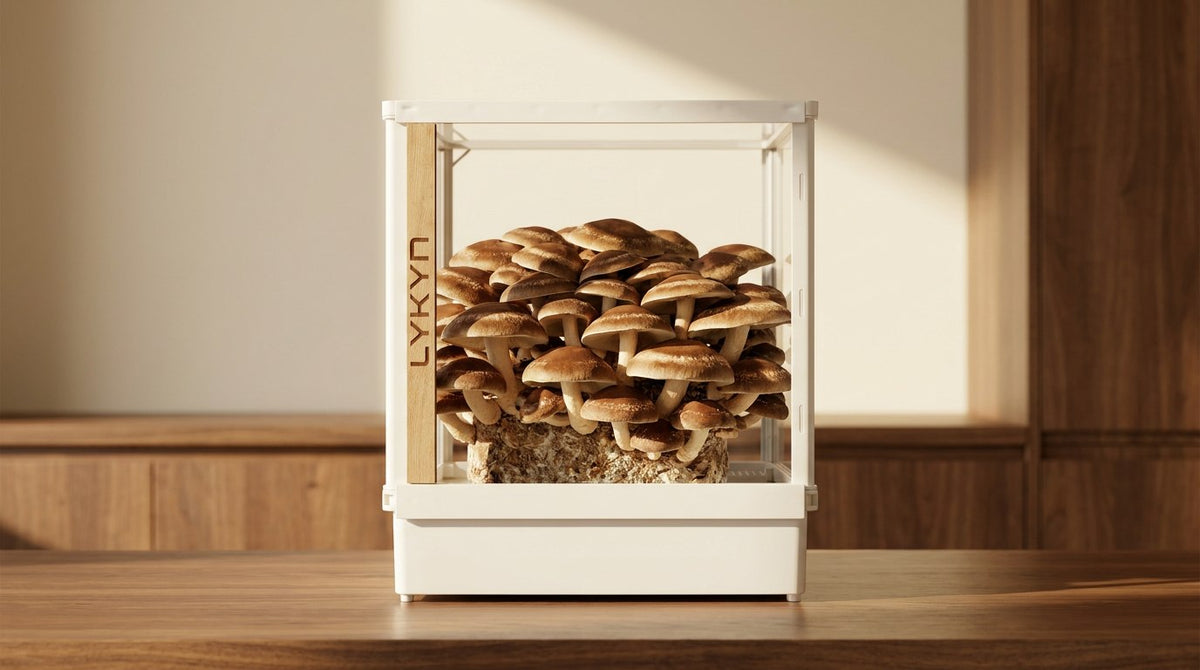
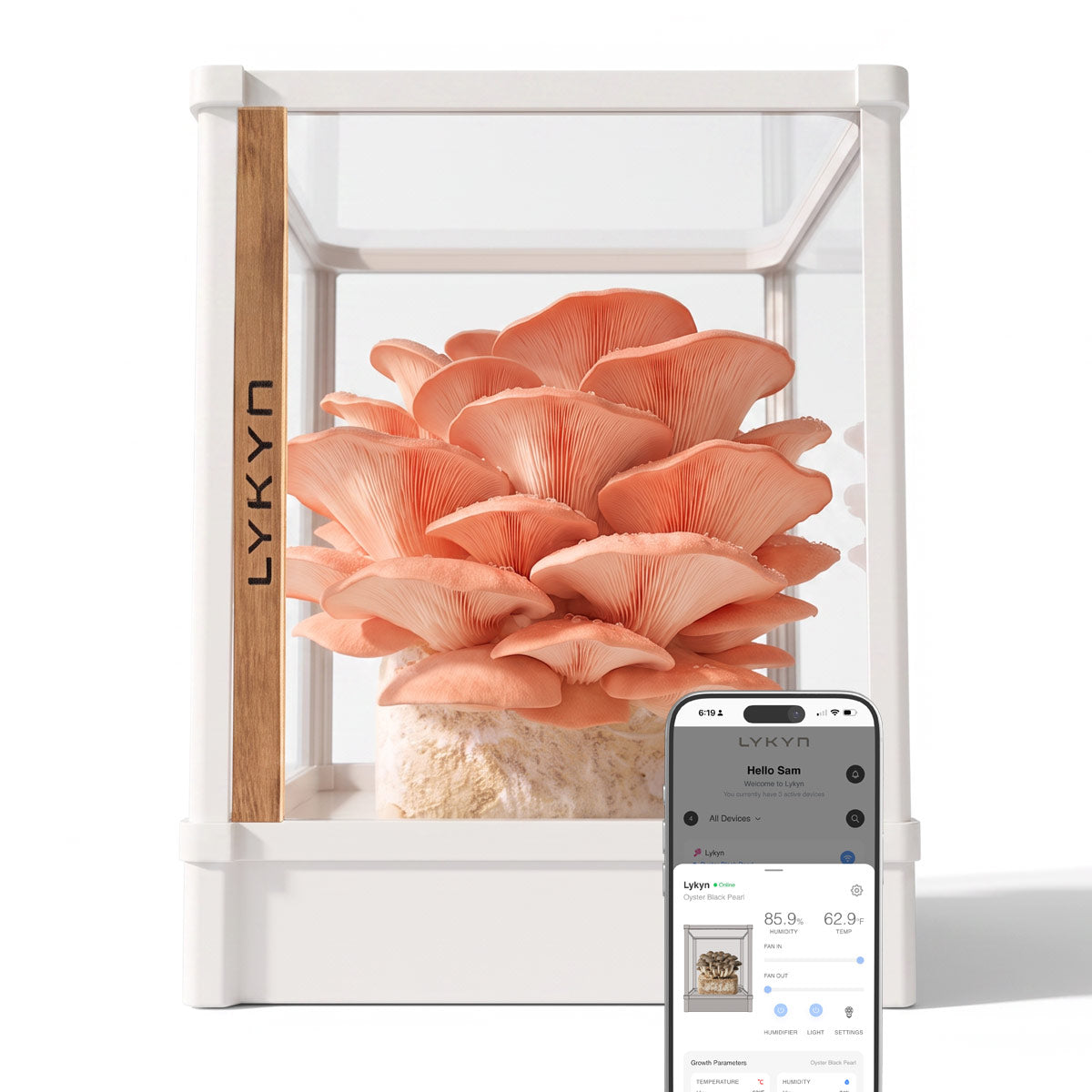
Smart Mushroom Grow Chamber
Plug-and-play smart chamber with humidity, light, and airflow dialed in for every species. Beginners harvest their first flush in days, not months.
Add to cart $299- Live spawn: Inoculated grain or sawdust spawn, ideally with a "produced on" date. Spawn loses viability over time.
- Nutrient supplement: Some kits include an external nutrient bag (ENB), which boosts establishment.
- Substrate amendments: Hardwood chips, gypsum, leaf litter, or wood ash. Not always included but helpful.
- Instructions specific to outdoor bed prep: Layering, depth, watering, and seasonal timing.
If a kit only contains a small packet of "spores" and a paragraph of instructions, you're paying retail for what's essentially a hopeful gesture. Real morel spawn has visible white mycelium running through grain or sawdust.
Criterion 5: Vendor reputation and returns
Morel kits sit in a market with a lot of fly-by-night sellers because the long fruiting timeline makes refund disputes hard. Look for:
- Multi-year customer reviews, especially ones written 2 to 3 years after purchase
- A clear refund or replacement policy if the spawn arrives non-viable
- Real growing communities discussing the brand, Reddit r/mycology, Shroomery, or regional mycological society forums
A vendor with a 14-day return window and no track record beyond year one is selling you optimism.
Criterion 6: Site requirements you can actually meet
Before you buy, check whether you have:
- 4x4 to 8x8 feet of partial-shade yard space
- Soil pH between 6.8 and 7.8 (test before inoculating)
- Tolerance for an undisturbed bed for at least 18 to 24 months
- Time to water the bed lightly through winter and more in spring
If you don't have outdoor space, no morel kit on the market will work for you. Indoor "morel kits" are functionally aspirational. They might colonize but they almost never fruit. Save your money for an indoor crop the science actually supports.
Red flags that should kill a sale
- "Indoor morel kit, harvest in your kitchen"
- No species name, just "morel"
- Photos of dense morel clusters next to a kit box (those photos are almost always of foraged morels, not kit harvests)
- "100% germination guarantee" (germination isn't the bottleneck, fruiting is)
- Spawn shipping in summer without cold-pack guarantees (heat kills morel mycelium)
Questions to ask before buying
- What species and strain is in this kit?
- What USDA zones have produced fruitings for your customers?
- What is your typical first-fruiting timeline in real customer reports?
- What's your replacement policy if the spawn is non-viable on arrival?
- Do you recommend a host tree species or partial shade location?
A vendor who answers these clearly is worth your money. A vendor who deflects is not.
If a morel kit doesn't fit your life
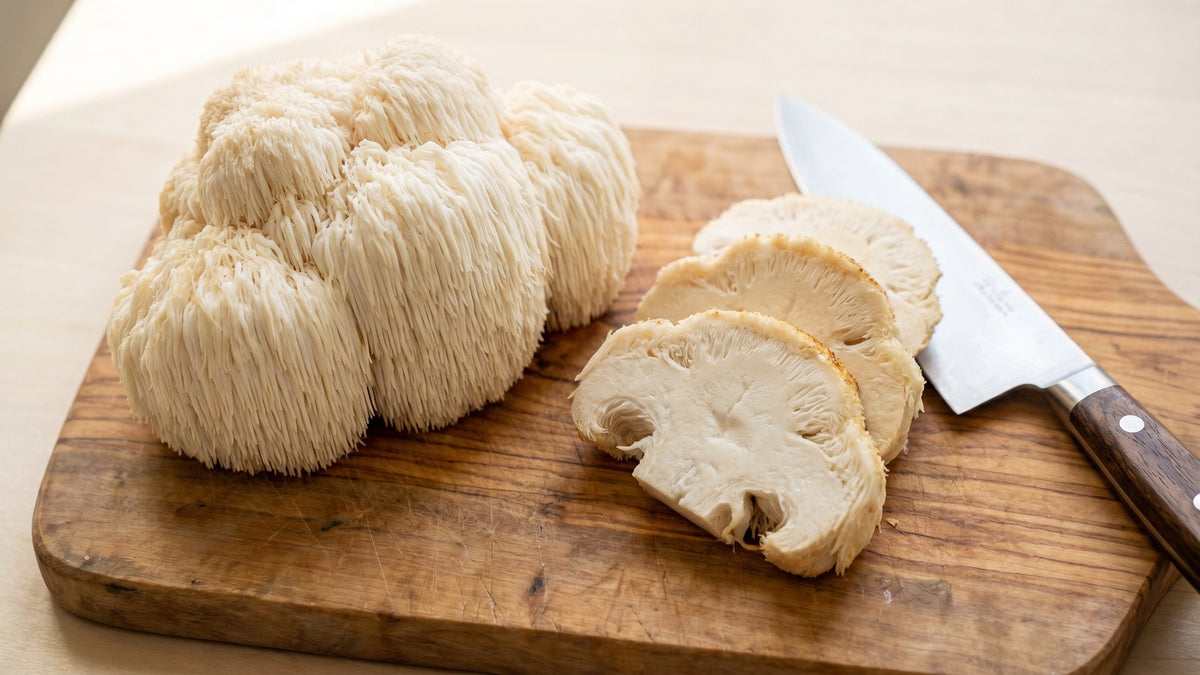
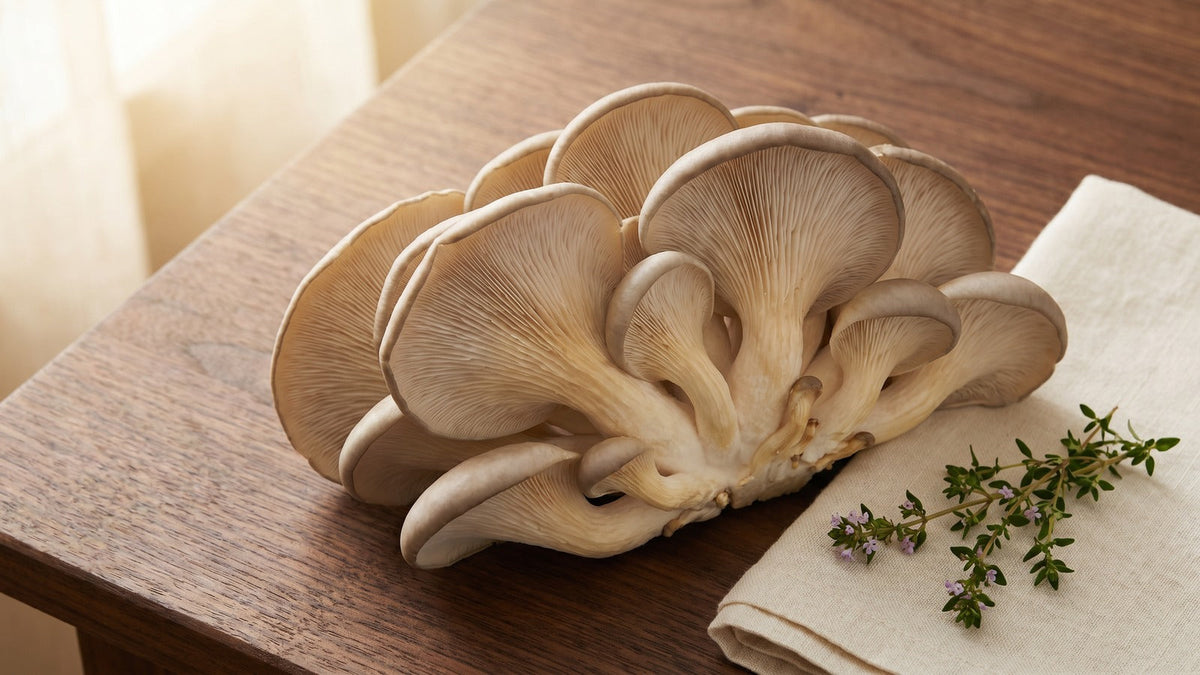
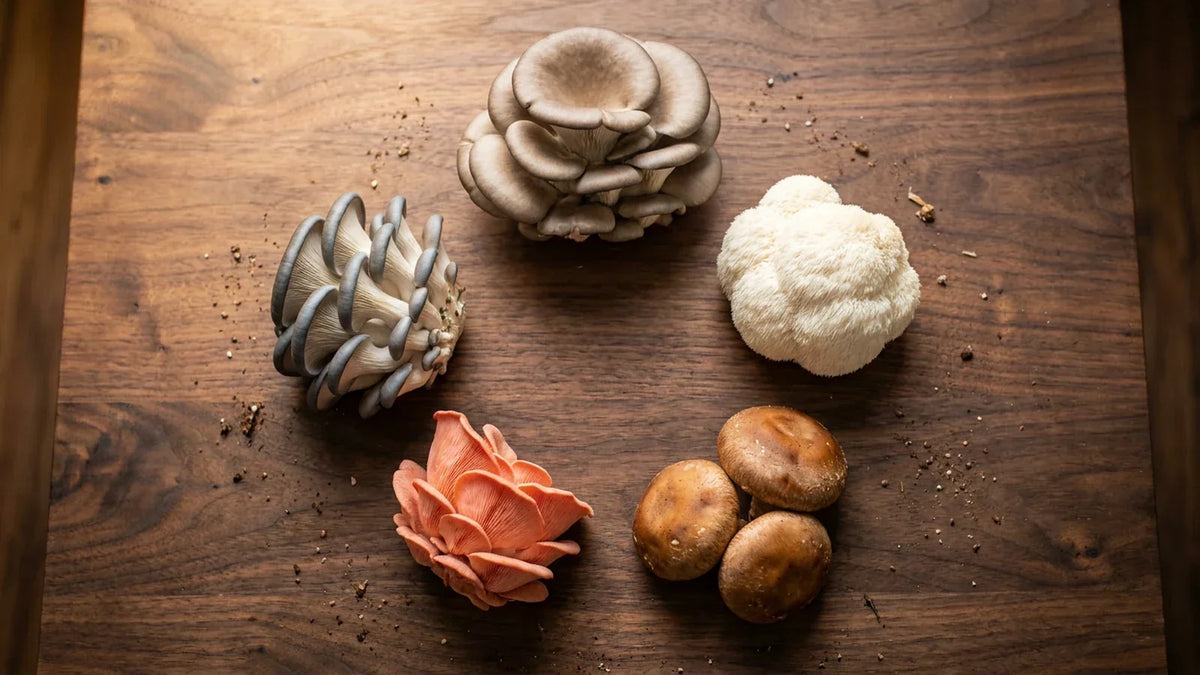
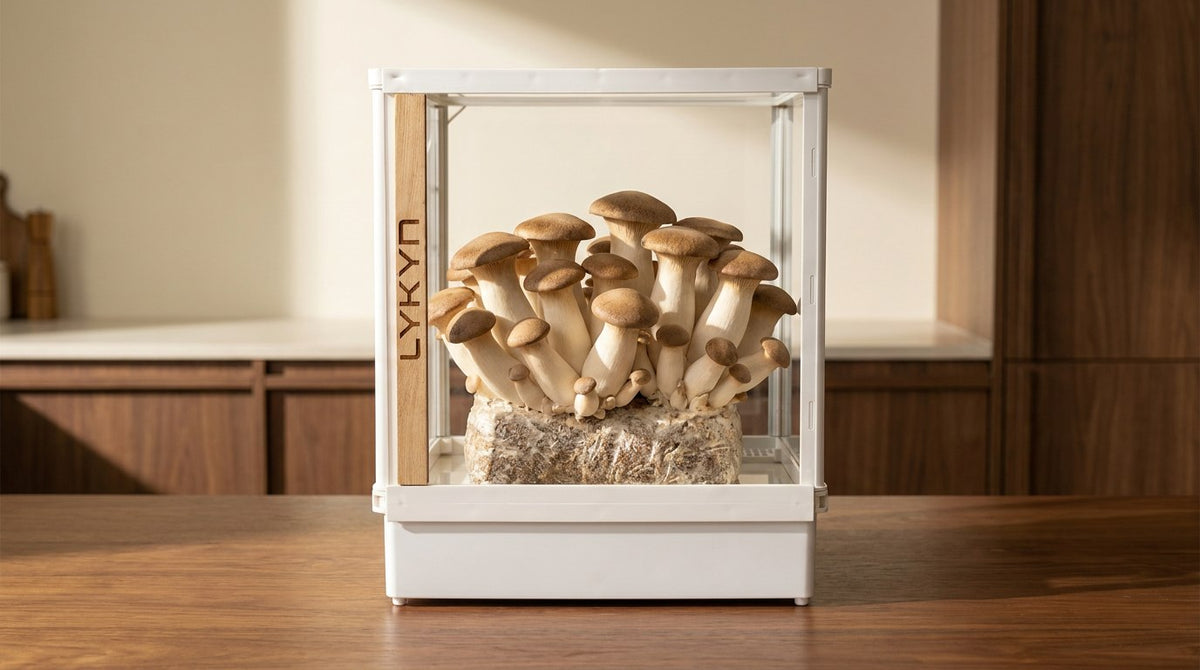
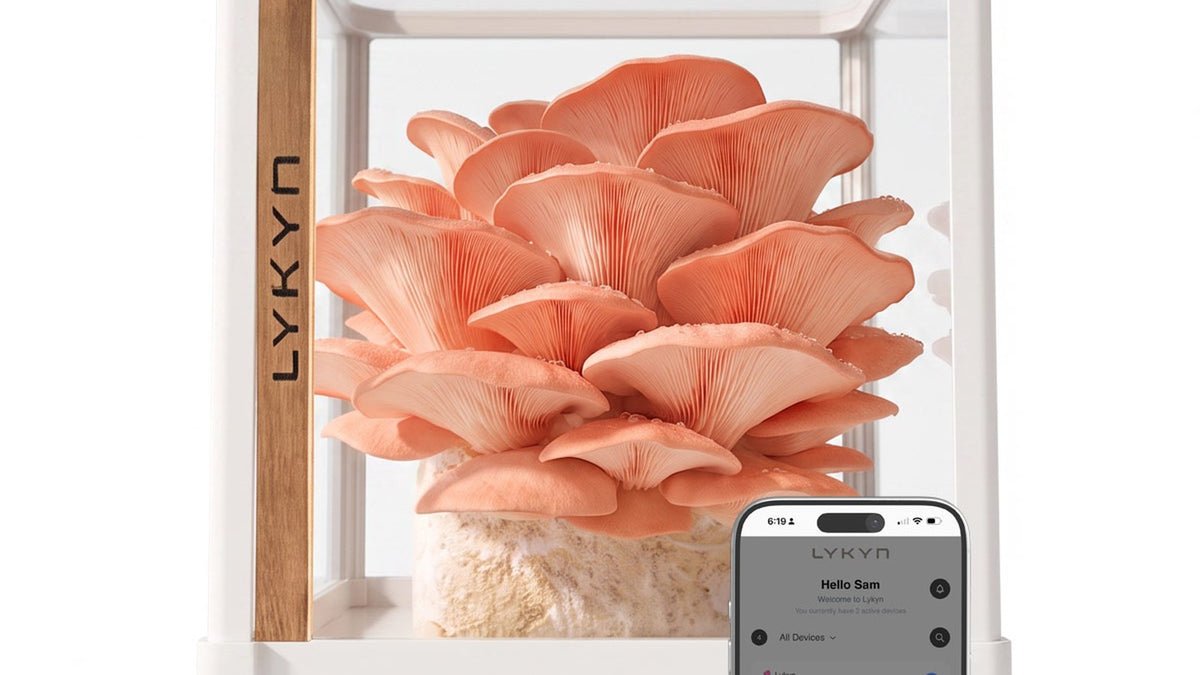
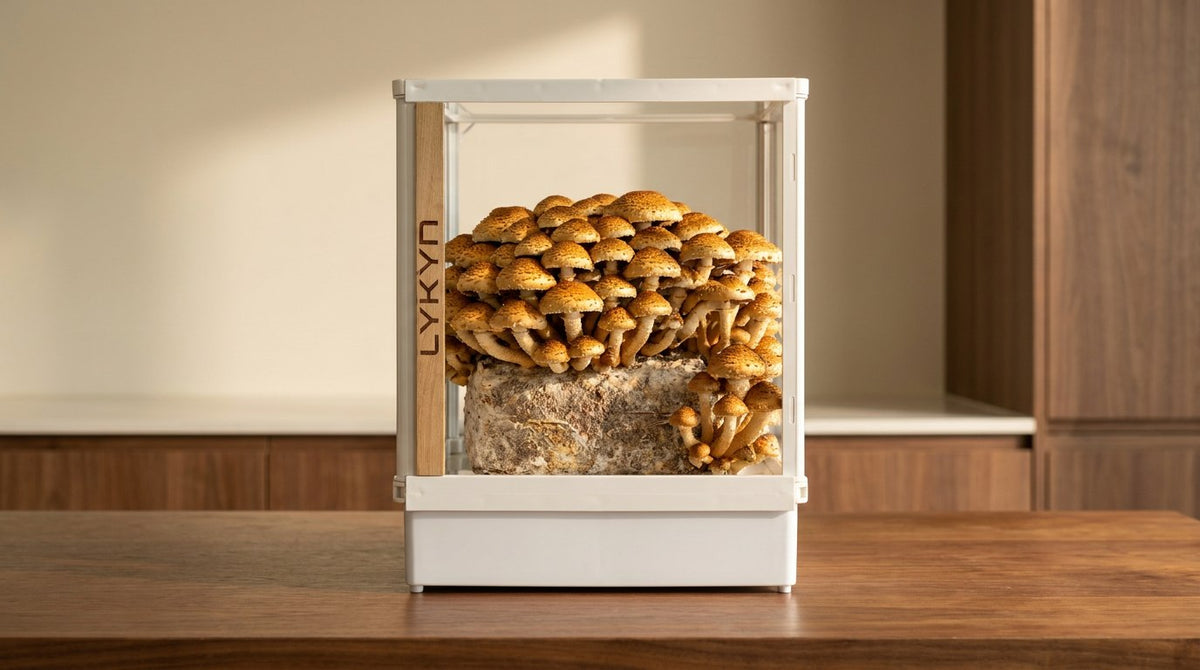
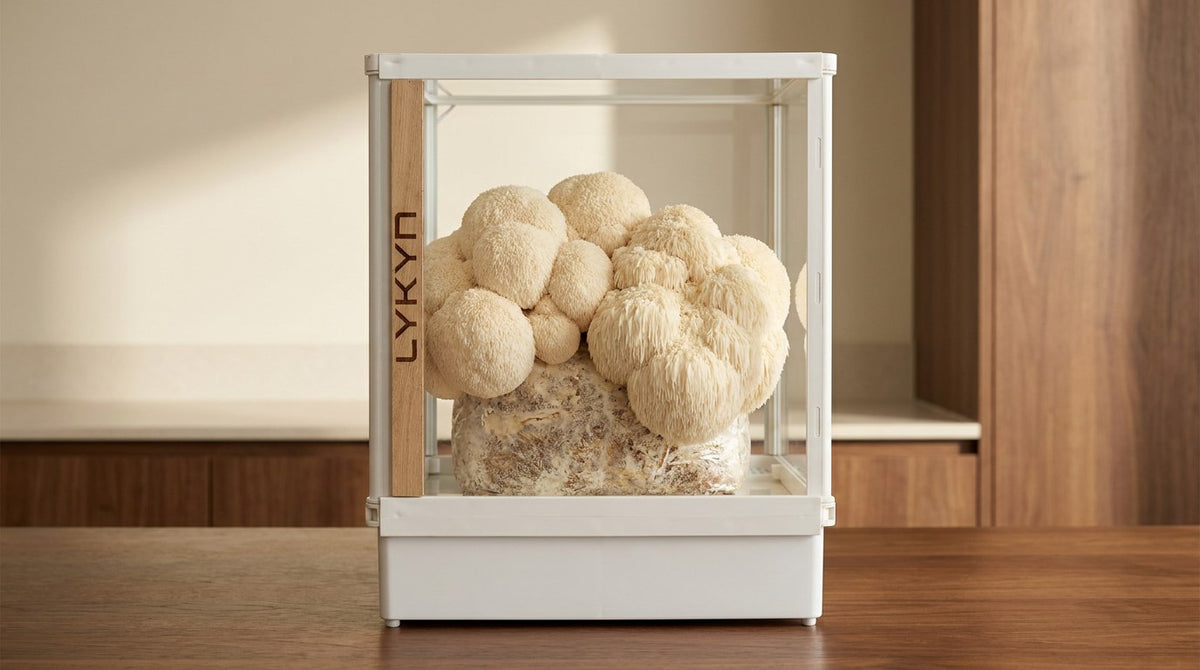
The honest secondary recommendation: morel kits are a slow, low-probability hobby project. If you want a more reliable home cultivation experience, oyster, lion's mane, king oyster, and shiitake are all forgiving species that produce harvests in 2 to 6 weeks indoors. Modern enclosed grow boxes manage humidity and air exchange automatically, so the learning curve is short. If you'd rather have mushrooms this month than maybe-mushrooms in 2028, the standard mushroom grow kits for those species are the practical alternative.
The best kit is the honest one
Two kits with the same price tag aren't equal. The one that names its species, discloses its climate range, sets realistic timelines, and has multi-year customer reviews is worth more than the one with the flashier packaging. Buy from the honest vendor, treat it as a multi-year garden experiment, and accept that the morel itself is the variable that no kit can fully tame.
That's the actual best morel growing kit decision: choose the kit that tells you the truth.
Share:
Step-by-Step Morel Mushroom Growing Process
Step-by-Step Morel Mushroom Growing Process