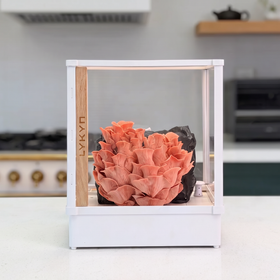



Most North Americans have never tasted a Cinnamon Cap mushroom. It's not because they don't exist. It's because they travel poorly. In Japanese cuisine, known as Kuritake, it's prized for a firm bite and nutty-sweet finish. Grocery stores avoid it; the caps hold structure during transport, but durability fades fast in a cold box. Home growing sidesteps the supply chain. When you fruit Cinnamon Cap in your own chamber, harvest is 10 minutes from your kitchen.

What Cinnamon Cap Tastes and Looks Like
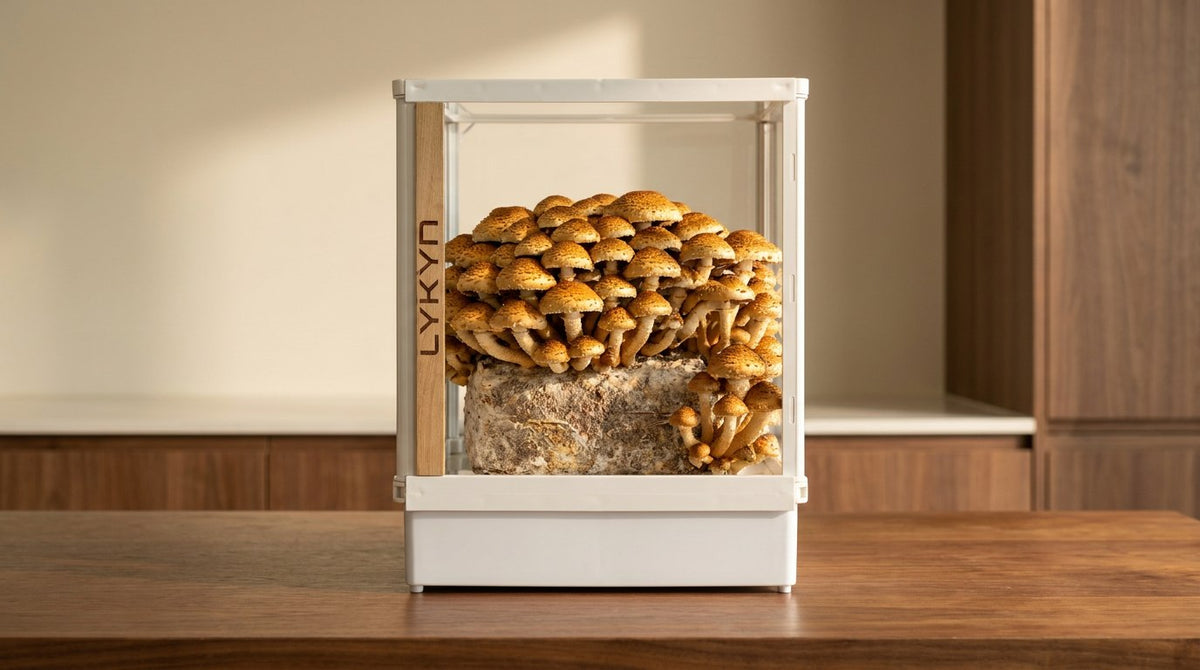
Cinnamon Cap clusters start as chestnut-brown buttons and open into convex caps with cream-colored stems. The cluster grows densely, each mushroom touching its neighbors in a way that creates a visually distinct mass: tighter and rounder than oyster, more compact than shiitake. The moment you unbox a fresh cluster, the smell hits: earthy, slightly sweet, almost woodsy in a way that's quieter than shiitake's assertive umami funk. Run your thumb across a cap and you'll feel a slight tackiness. Nothing wet. Nothing slimy. Just a subtle give under pressure. That texture signals freshness.
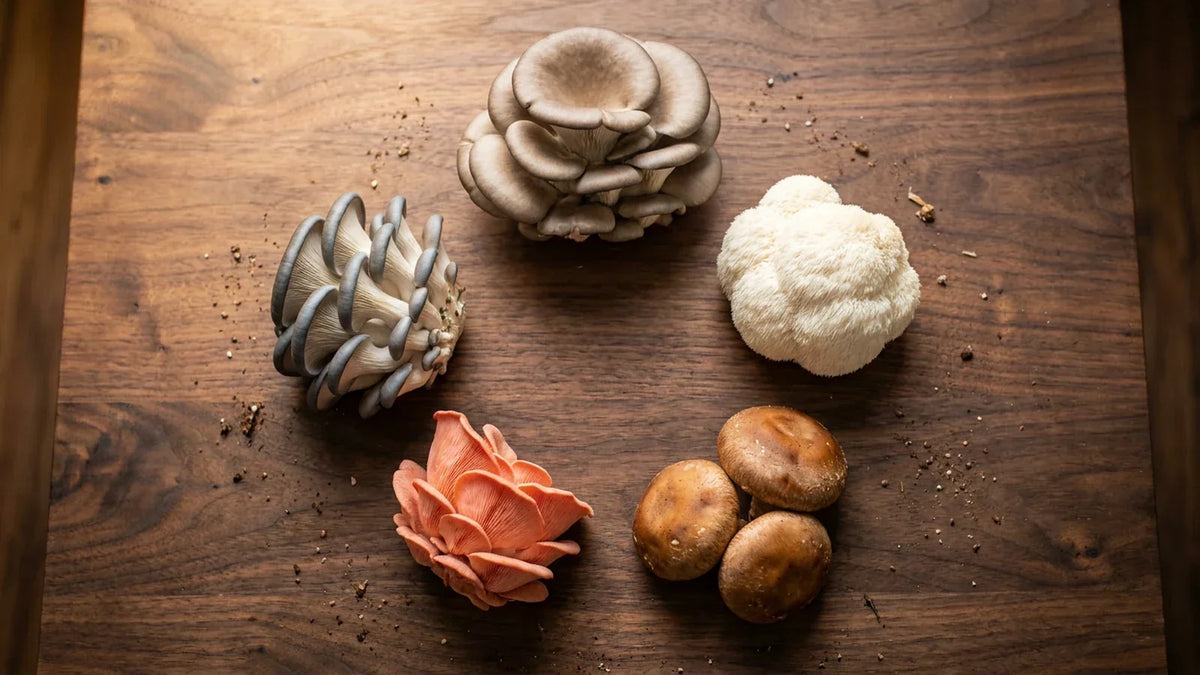
The flavor is what separates Cinnamon Cap from easier species. Unlike Lion's Mane's delicate sweetness or Pink Oyster's peppery snap, Cinnamon Cap has backbone. The first bite offers a firm, almost al-dente bite that doesn't collapse when cooked. The taste is nutty and sweet, with a faint bitter edge at the back of the tongue. That bitter note mellows completely when sautéed, leaving just the nutty richness. Compared to shiitake, Cinnamon Cap is lighter and less umami-forward. Compared to enoki, it's heartier and more substantial.
Why Grow Cinnamon Cap at Home
You almost certainly cannot buy Cinnamon Cap at your local grocery store. Asian markets sometimes carry fresh ones, but availability is spotty. That scarcity is not because the species is rare. It's purely logistics: growers in California might produce kilos each week but sell locally because long-distance shipping isn't economical. Home growing puts you on the supply side.
Cinnamon Cap fruits in a temperature range that suits indoor chambers: 55 to 70 degrees Fahrenheit. It also tolerates humidity swings better than some species. A chamber that maintains 85 to 92 percent relative humidity works well, and Cinnamon Cap is forgiving if humidity dips into the 80s for a few hours. Nutritionally, it contains B vitamins, ergothioneine (a unique antioxidant found almost exclusively in mushrooms), and beta-glucans. Growing your own means you eat it fresh and at full nutritional potential.
What You Need to Grow Cinnamon Cap

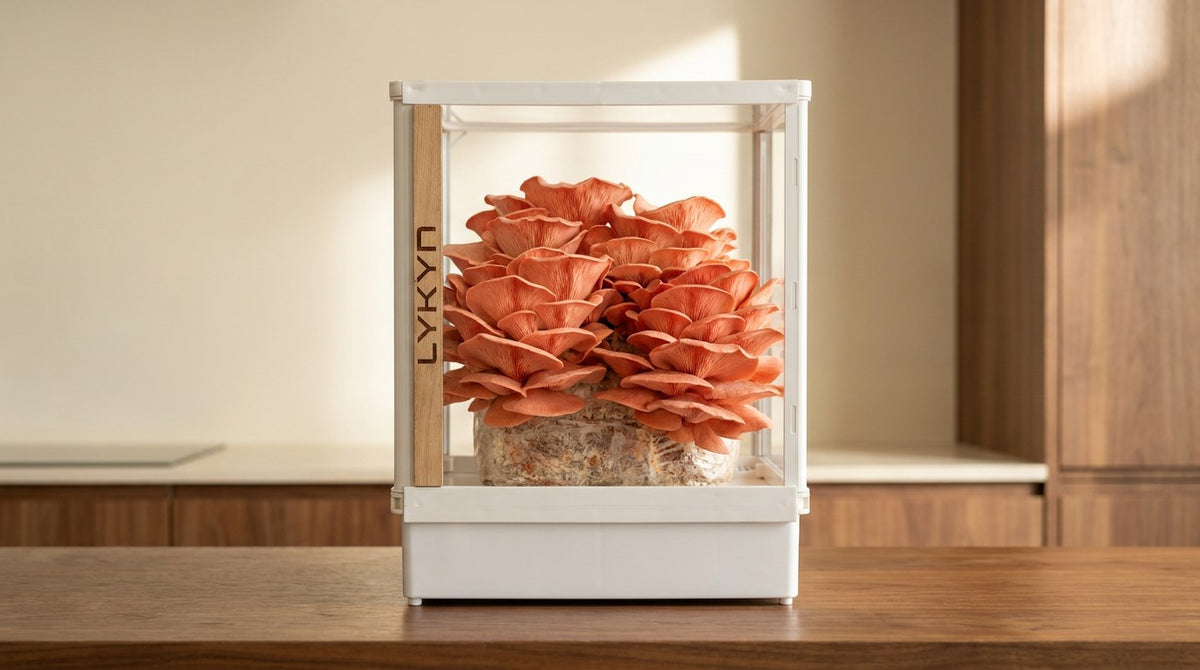
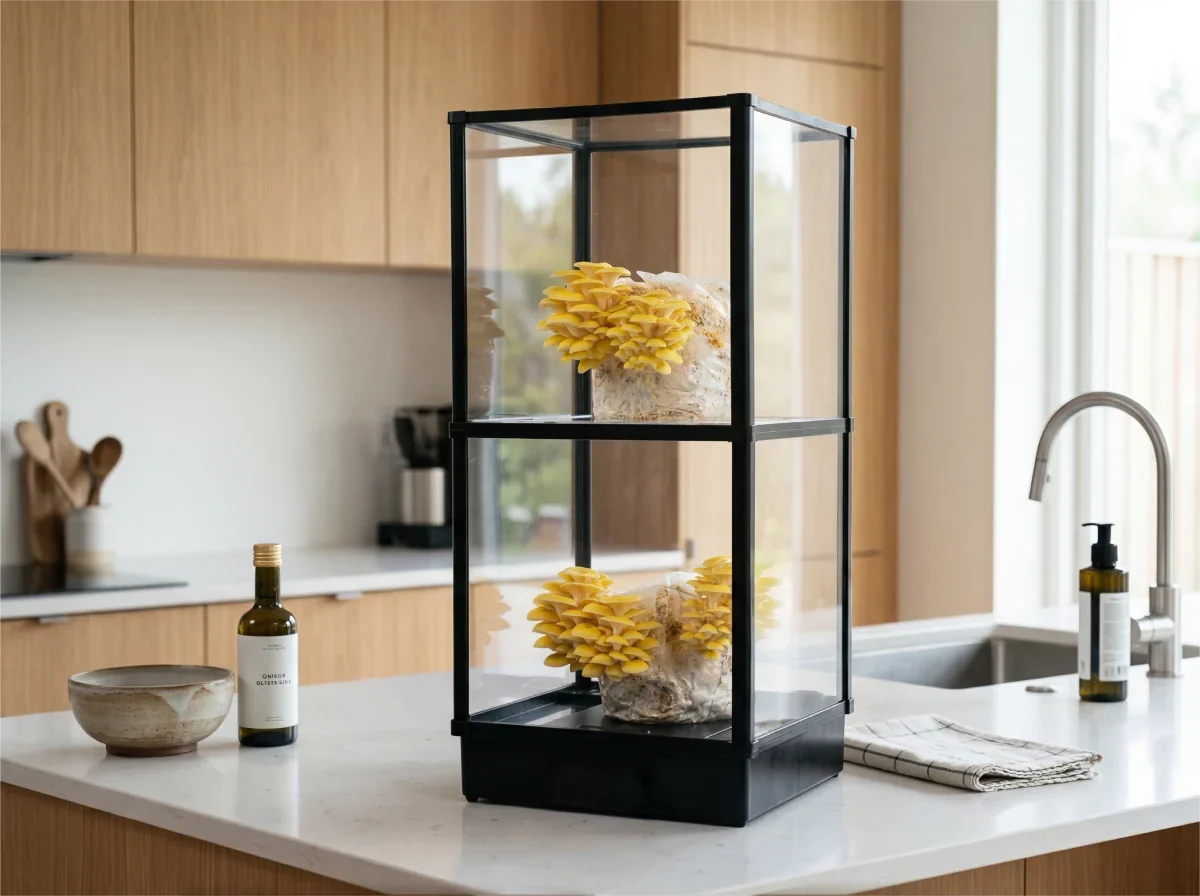
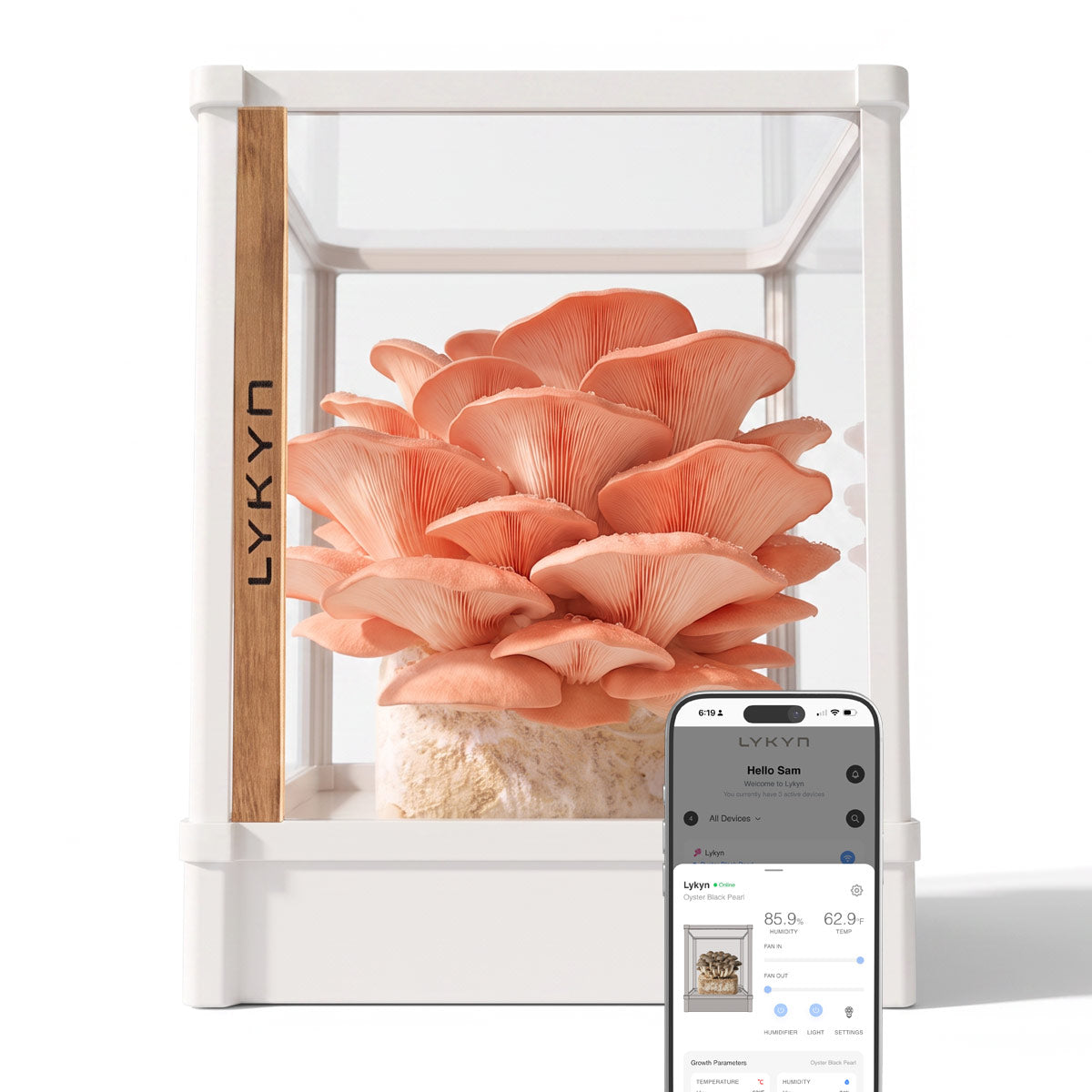
At minimum, you need a colonized block (Lykyn ships 5-pound pre-colonized blocks for $29.95), a fruiting space, and environmental control. The fruiting space can be simple: a plastic storage bin with holes drilled in the lid, or a dedicated Smart Mushroom Grow Box that manages humidity and air exchange automatically. The chamber needs to hold 85 to 92 percent relative humidity with fresh air exchange either from passive holes or an active fan system. Light should be low, around 50 to 100 footcandles.
Temperature control is critical. Keep your fruiting chamber between 55 and 70 degrees Fahrenheit. Cinnamon Cap is temperature-sensitive. Above 75 degrees, pins abort. Below 50 degrees, fruiting slows significantly. Timeline: cold shock your block (12 to 24 hours in a refrigerator), expect first pins 3 to 6 days later, and harvest 4 to 8 days after pinning. Total time from unboxing to harvest is 10 to 14 days.
Setup and Cold Shock

Unbox your block and inspect it. It should be white or off-white throughout with no green fuzz or sour smell. If sealed in a bag, remove the seal and score the top surface with a knife in an X pattern. These cuts signal the mycelium that fruiting should begin.
Cold shock initiates pinning. Place your block in a refrigerator (35 to 40 degrees Fahrenheit) for 12 to 24 hours. This mimics the autumn temperature drop mushrooms sense in nature. Alternatively, if your chamber holds 55 to 60 degrees, load the block and let it sit undisturbed for 12 to 24 hours with no misting.
During the first 72 hours after cold shock, keep humidity high and air movement minimal. If using a bin, mist once in the morning and once in the evening with the lid mostly closed. If using an automated chamber, engage the humidifier and set fan cycles to low.
The Fruiting Cycle Day by Day

Days 1 to 3: Block adjusting. No visible changes. Mycelium is sensing the temperature shift and allocating resources to fruiting. Keep chamber at 60 to 65 degrees and humidity at 85 to 90 percent.
Days 4 to 6: Tiny brown domes appear. These are the first pins, smaller than a pinhead. Once spotted, switch to active misting twice daily and introduce fresh air exchange. Temperature 60 to 68 degrees.
Days 7 to 10: Pins swell rapidly. Caps form above stems. Cluster widens as more pins emerge. Smell intensifies, earthy and nutty. Maintain high humidity and steady fresh air. Mist twice daily or run humidifier continuously.
Days 11 to 14: Caps flatten and widen. This is your harvest window. When cap edges shift from convex to flat, harvest. Timing is flexible, from just-starting-to-flatten to veil-just-breaking stage.
When and How to Harvest
Harvest when caps are convex or just beginning to flatten, ideally before the veil tears. Use a paring knife and cut the cluster at the base where it connects to the block. Do not twist or pull; twisting risks damaging the block surface. A clean cut heals faster.
A dense cluster fills a mixing bowl. Enough for a stir-fry for two, or a rice bowl topping for four.
After harvest, move your block to a cool, dark place for 5 to 7 days. The mycelium rebuilds its nutrient reserves. Re-hydrate by dunking in cool water (50 to 60 degrees) for 12 to 24 hours, or mist heavily for two days. Return to your fruiting chamber, repeat cold-shock if needed, and expect a second flush in 10 to 14 days. The second flush is smaller.
Cooking with Cinnamon Cap
Do not eat raw. The raw flesh contains compounds that cooking breaks down. Always cook.
Simplest preparation: sauté in butter with soy sauce and mirin, finish with flake salt. Cook for 5 to 7 minutes over medium-high heat. The mushrooms should soften but retain structural integrity. Cinnamon Cap is excellent in Japanese nabemono (hot pot), mushroom rice bowls, or teriyaki stir-fries. Avoid long, wet cooking methods like braising.
Common Issues
No pins after 10 days: Insufficient cold shock. Refrigerate for a full 24 hours, return to chamber at 60 to 65 degrees for 48 hours without misting. A second cold-shock trigger may work.
Caps open too quickly: Chamber too warm or dry. Cinnamon Cap is sensitive above 72 degrees. Lower temperature, increase misting, and ensure humidity stays above 85 percent during pinning.
Sour smell: Over-watering or poor air exchange. Cut back misting, introduce more fan cycles, and drill or widen air holes. This indicates bacterial activity but won't affect the next flush if you dry the block properly.
Green or black fuzz: Contamination. Isolate immediately in a separate room away from other crops. Do not return to your chamber. Prevention: wash hands before handling blocks, keep your chamber clean, and ensure steady air circulation.
Where Cinnamon Cap Fits in Your Rotation
Cinnamon Cap is a second-species choice. If you're new to home growing, start with Lion's Mane or Pink Oyster first. Both are forgiving, fruit quickly, and build your confidence. Once you've completed at least one successful cycle, Cinnamon Cap's higher temperature sensitivity becomes manageable.
In a multi-chamber setup, Cinnamon Cap thrives on a staggered rotation. Fruit one block every 14 days, so you're always harvesting from one chamber while pins are forming in another. This spreads your labor and ensures a steady supply. Across the Cinnamon Cap blocks we run in our chamber at Santa Rosa, second flushes consistently deliver 60 to 70 percent of the first-flush weight, making them worth the effort.
Our Smart Mushroom Grow Box ships with our beginner's how-to hub and species-specific guidance. Your Cinnamon Cap block arrives already conditioned to the optimal fruiting temperature, which shortcuts the acclimation step and gets you to pins 2 to 3 days faster. If you're ready to expand beyond your first species, Cinnamon Cap is where the flavor payoff begins.
Frequently Asked Questions
What does Cinnamon Cap mushroom taste like?
Firm, al-dente bite with a nutty-sweet flavor profile and a subtle bitter edge that mellows when cooked. Cinnamon Cap is less umami-forward than shiitake and more substantial than enoki. The flavor is what makes it distinctive among home-growing species.
How long does Cinnamon Cap take to grow at home?
From unboxing a colonized block to harvest takes 10 to 14 days. Cold shock takes 12 to 24 hours, pins appear 3 to 6 days after that, and harvest arrives 4 to 8 days after pinning. A second flush comes 5 to 7 days after resting and re-hydrating the spent block.
Can you grow Cinnamon Cap without a chamber?
You can fruit Cinnamon Cap in a plastic storage bin with holes drilled in the lid, as long as you maintain 85 to 92 percent humidity and introduce fresh air twice daily. A dedicated chamber simply automates those steps. Humidity and air exchange are non-negotiable; the container is not.
What temperature does Cinnamon Cap need?
Cinnamon Cap fruits best between 55 and 70 degrees Fahrenheit. Above 75 degrees, pins abort. Below 50 degrees, fruiting slows dramatically. It's more temperature-sensitive than Pink Oyster or Lion's Mane, so climate control matters for this species.
Is Cinnamon Cap the same as brick cap or Kuritake?
Cinnamon Cap and Brick Cap are common names for the same species, Hypholoma sublateritium. Kuritake is the Japanese name, used in culinary contexts, especially in East Asian cooking. All three terms refer to the identical mushroom, just with different cultural naming conventions.
Share:
Shiitake Growing Troubleshooting: 12 Common Problems and How to Fix Them
Shiitake vs Lion's Mane: Which Mushroom Is Easier to Grow at Home?