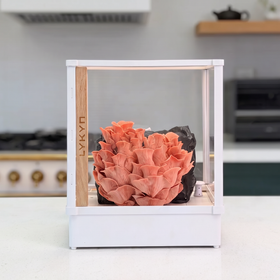



You're standing in front of a grow box with space for one block. Lion's Mane or shiitake? Here's the unfiltered answer: Lion's Mane is easier for a first-time grower. Shiitake produces more per block but is more finicky. That doesn't mean shiitake is wrong for you. It just means the tradeoff is real and worth understanding before you commit. We hear this question from growers who've had one species going and want to add a second, or who are trying to decide which one to start with. The honest path forward isn't "both are equally good." It's understanding what each species asks of you, then picking based on your kitchen priorities and how hands-on you want to be. That's what this post unpacks: the side-by-side reality so you can pick the right first species, or the right one to grow second.
Quick Verdict
Both species cost the same ($29.95 for a 5-lb block), so this decision is pure: which one fits your grow style and your table?
| Attribute | Lion's Mane | Shiitake |
|---|---|---|
| Difficulty (for beginners) | Forgiving | Moderate; needs protocol |
| Cold shock needed | No | Yes (12 to 24 hours) |
| Humidity range | Wide (70 to 90%) | Tight (80 to 90%) |
| Time block to harvest | 8 to 12 days | 14 to 21 days |
| Flavor profile | Delicate, sweet, seafood-like | Umami, meaty, savory |
| Mass per block | Medium; fewer larger clusters | High; dense caps |
| Storage (fresh, 7 days) | Crisp, lasts well | Dense; holds longer |
| Best for | First grower; delicate dishes | Second species; umami dishes |
Difficulty and Forgiveness
Lion's Mane wins on forgiveness. The block ships already colonized and ready to fruit, so you unbox it, place it in your chamber, and mist twice daily. Miss a misting by 6 hours? Lion's Mane often still fruits. The humidity range is wide. Anywhere from 70 to 90% works. You'll smell something distinctive as the block colonizes: a sweet forest scent, almost woody-green, with a faint umami undertone. That smell tells you the block is healthy. As the cluster forms, the aroma gets richer.
Shiitake asks more. After unboxing, you need to run a cold shock protocol: submerge the entire block in 50 to 60 degree Fahrenheit water for 12 to 24 hours. That temperature cue wakes the block's fruiting response. Without it, you'll wait much longer to see pins, and the first flush may be uneven. Shiitake also prefers humidity right at 80 to 90 percent. Venture outside that window and pinning slows. The smell is earthier and darker: a ripe, umami-forward aroma that intensifies during fruiting. You'll detect mineral notes and a faint mushroom musk. That scent is a sign the block is colonizing properly, but it's less forgiving of humidity swings than Lion's Mane.

The sensory difference matters: Lion's Mane's forgiving nature means you're not reading humidity meters obsessively or timing cold shocks to the hour. Shiitake demands attention, but once you've run one successful cycle, the protocol becomes automatic.
Timeline: Day by Day
Speed is another axis where these two diverge significantly.
Lion's Mane timeline: Unbox day 1. Pins appear day 3 to 5 (you'll see tiny white nubs forming on the block surface). Harvest day 8 to 12 when the cluster is fully formed but the fronds are still dense. Let it dry slightly and pinch it off at the base. Second flush arrives 7 days after your first harvest if you keep misting. Total cycle from unbox to second harvest: 2 to 3 weeks.
Shiitake timeline: Unbox day 1. Cold shock day 1 to 2 (submerge 12 to 24 hours, then return to chamber). Pins form day 7 to 14 after the block is back in the chamber. The wait is longer than Lion's Mane. Harvest day 14 to 21 when caps flatten or just before they flip upward. Twist at the base and pull. Second flush requires a resting period: 10 to 14 days before pins form again. Total cycle: 3 to 4 weeks minimum.

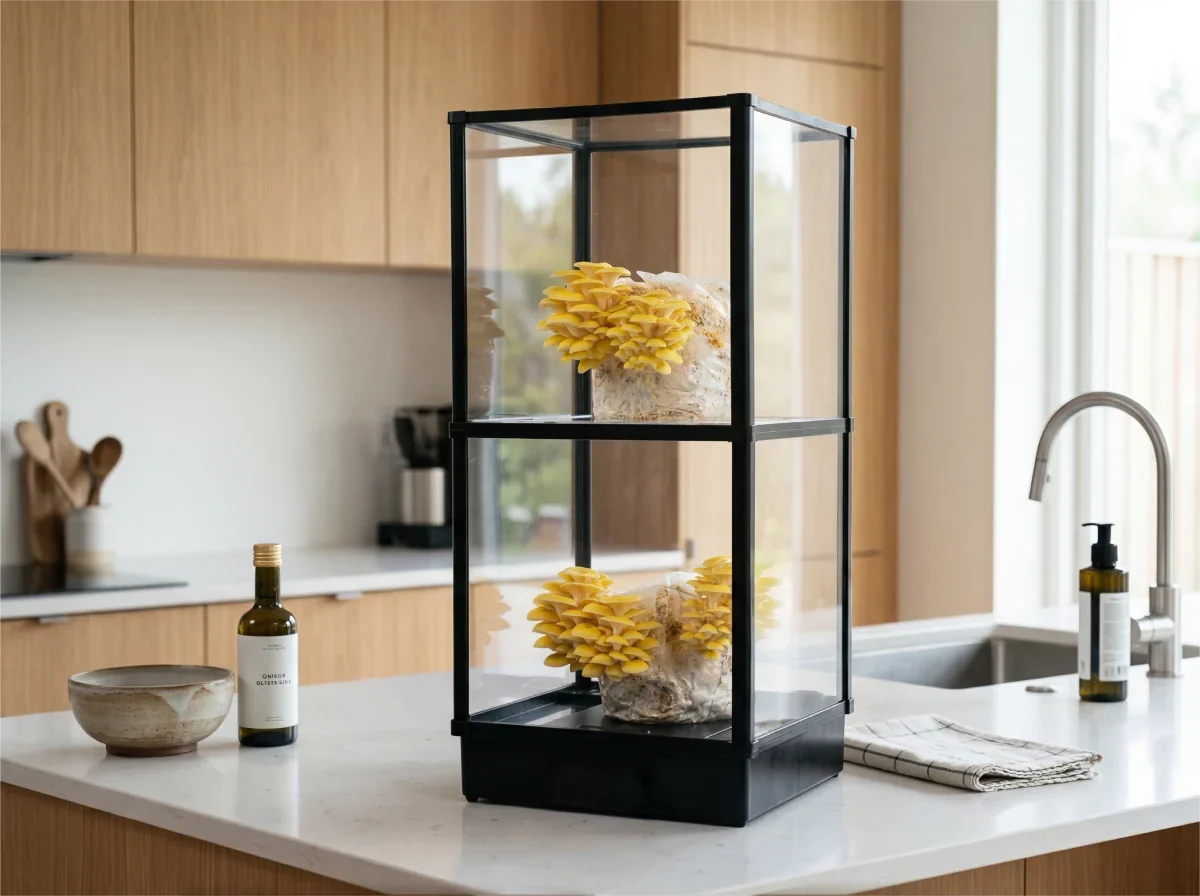
So if you need mushrooms on your table fastest, Lion's Mane gets you there 5 to 10 days quicker on the first flush. If you're planning a rotation across 4 to 5 cycles, that speed difference compounds. A Lykyn chamber holding two blocks (using the double-tier configuration) running both species means you can harvest one, then the other, keeping a steady supply.
Flavor and Cooking
This is where preference takes over from protocol. Both are delicious, but they cook very differently.
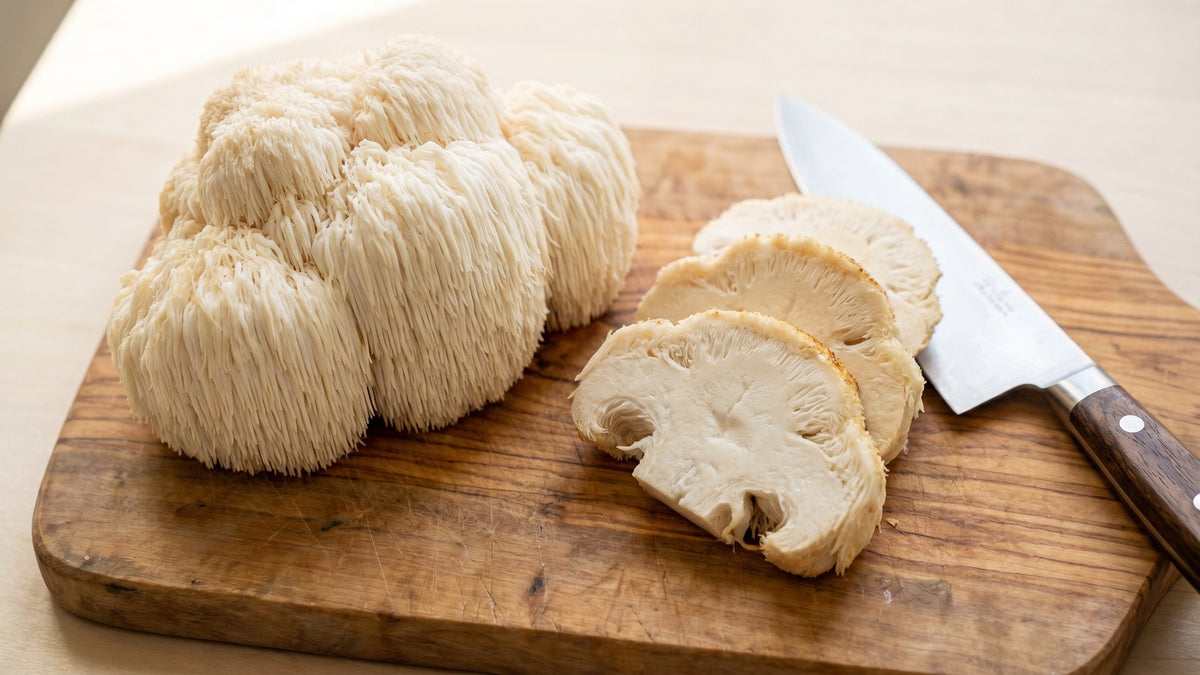
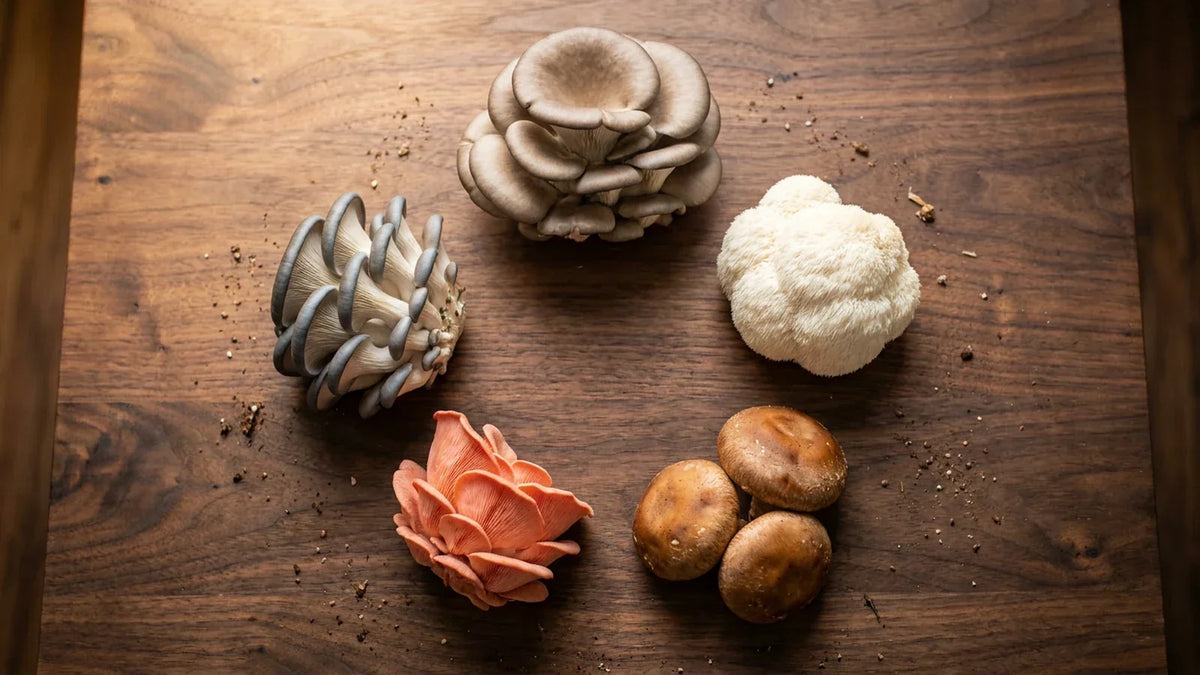
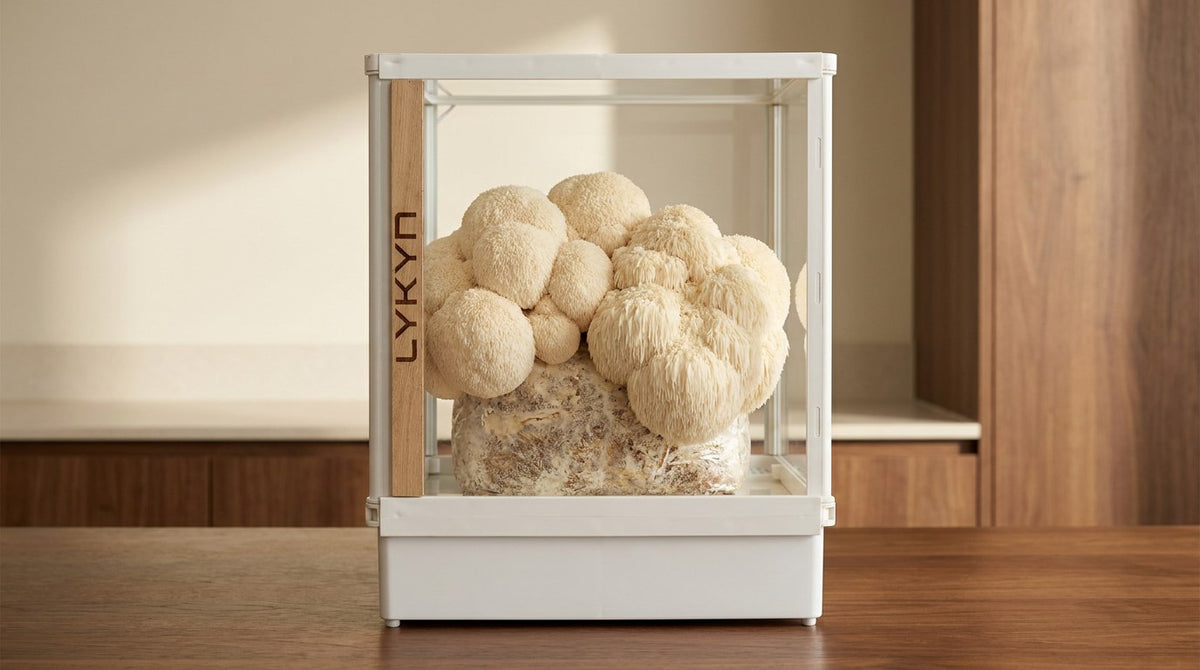
Lion's Mane has a delicate, almost sweet flavor. Some growers say it reminds them of crab or lobster meat because of the subtle, briny sweetness. The texture is firmer than button mushrooms, with a slight chew that doesn't collapse into mush when cooked hot. It shreds easily along the frond lines, so it works beautifully in stir-fries, ramen broths, or as a substitute for seafood in pasta. Pan-fry it in butter over medium-high heat for 4 to 5 minutes: it'll develop a light golden crust while staying tender inside. The flavor stays forward. You taste the mushroom itself, not an earthy undertone.
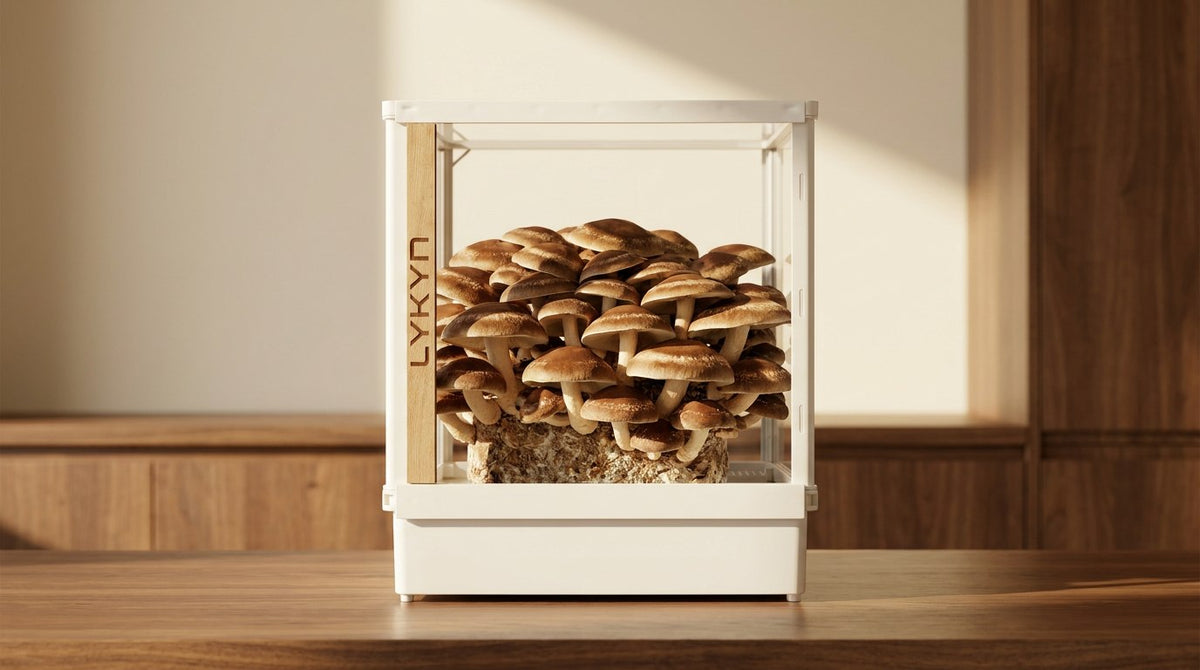
Shiitake is umami-heavy: meaty, savory, almost steak-like compared to Lion's Mane. The cap is dense and holds its structure through high-heat cooking. Slice it thick and roast it at 425 degrees Fahrenheit for 12 to 15 minutes with olive oil and salt: you'll get caramelized edges and a meat-like bite. That same density means shiitake works as a base for broths and risottos. The umami compounds build over time. Some growers age shiitake slightly: dry the caps for 2 to 3 days in a cool spot, and the flavor concentrates. When you rehydrate them for soup, the broth turns almost black-brown and tastes deeply savory.
Texture-wise: Lion's Mane is tender and slightly springy; shiitake is firm and holds its shape. If your meals favor delicate, light preparations, Lion's Mane is natural. If you cook bold, high-heat, umami-centered dishes, shiitake rewards that style.
Nutritional Profile
Both species are nutritionally dense, but they emphasize different compounds.
Lion's Mane contains beta-glucans and compounds called hericenones, which you won't find in other culinary mushrooms. These compounds have drawn scientific attention, but we won't overstate a milligram count or cite studies we haven't verified directly. Just know that the research interest exists because the chemical profile is genuinely unique. Lion's Mane also delivers complete protein (all 9 amino acids), fiber, and B vitamins, with very low calories. It's nutrient-dense without any heaviness.
Shiitake offers high levels of eritadenine and ergothioneine, plus rich B vitamin content and polysaccharides. The dense cap means more mass per serving, so you get more total nutrition per harvest. Both species are excellent sources of vitamin D precursors when the block fruits under light (which happens inside your Lykyn chamber). Both are complete proteins. A single generous serving covers a meaningful chunk of your daily amino acid needs, making either species worth your rotation.
If you're looking for a nutritional edge: shiitake wins on total compound density per ounce due to its firmness. Lion's Mane wins on unique phytonutrients you can't get from other foods. Neither is nutritionally inferior. They're different, which is why growing both over time makes sense.
Yield Direction
We won't claim specific weights because that depends on your misting consistency, room temperature, and how many flushes you run. But we can describe the pattern honestly.
Shiitake produces more mass per block. The caps are denser and heavier than Lion's Mane clusters, so a single harvest of shiitake will yield more poundage on your kitchen scale. You get fewer individual clusters but larger, meatier ones. That's why shiitake appeals to growers who want to maximize yield. You're getting more food per block on a per-harvest basis.
Lion's Mane yields fewer but larger single clusters per flush. You might get 2 to 3 significant clusters from one block over multiple flushes, whereas shiitake might give you 4 to 6 smaller grouped clusters. Both blocks will produce 3 to 4 flushes under consistent conditions. The trade-off is clear: shiitake's density means each flush is heavier. Lion's Mane's clusters are more elegant but lighter overall.
If you're optimizing for food supply across one grow cycle, shiitake edges ahead. If you prefer larger, visually impressive harvests you can photograph and process all at once, Lion's Mane delivers that drama.

Price and Value
Both blocks are identical in price: $29.95 for a 5-lb pre-inoculated block. Your decision isn't budget-driven. It's purely a question of which species fits your growing ability and your kitchen.
That clarity is rare in home growing. Most hobby gardens have species that cost wildly different amounts, or need different equipment. Here, you're buying the same substrate, the same inoculation labor, the same shipping. The only variables are your attentiveness to protocol and your flavor preference.
Which to Grow First
Our honest recommendation: start with Lion's Mane if you've never run a grow cycle before. You'll learn the rhythm of misting, see the fruiting cycle complete, and harvest your first mushrooms with minimal stress. The block's forgiving nature means you can make small mistakes. Miss a mist, get the humidity slightly off. You'll still succeed. That confidence is valuable.
After one successful Lion's Mane cycle, you understand what "80% humidity" feels like in your space, you've tasted what you grew, and your hands know how to pinch a cluster off cleanly. That's when shiitake becomes the natural second move. You've got the muscle memory, and you're ready for the cold shock protocol and tighter humidity range. Shiitake rewards that attention with denser yields and deeper umami.
Alternatively: choose based on flavor. If your kitchen gravitates toward seafood-forward, delicate dishes, Lion's Mane is your answer regardless of grow order. If you cook umami-centered broths, braises, and high-heat roasts, shiitake is worth learning the extra protocol. There's no shame in starting with your preference instead of the "easier" path.
Or go both directions at once. A Lykyn double-tier chamber holds two blocks simultaneously. Run one Lion's Mane and one shiitake side by side. Observe the differences in real time. You'll understand cold shock, humidity preference, and flavor depth far faster than growing them sequentially.

Where Each Fits in Your Rotation
This is the practical reality: you don't have to choose one forever. Your home grow setup benefits from both species across seasons. Lion's Mane is the confidence-builder. It's the first block you run, the one that teaches you the fundamentals. Shiitake is the payoff block. It offers deeper flavor, higher yield per harvest, rewarding your growing skill with food that tastes like your effort paid off. Run them in sequence, or stack them in parallel with a double-tier chamber setup.
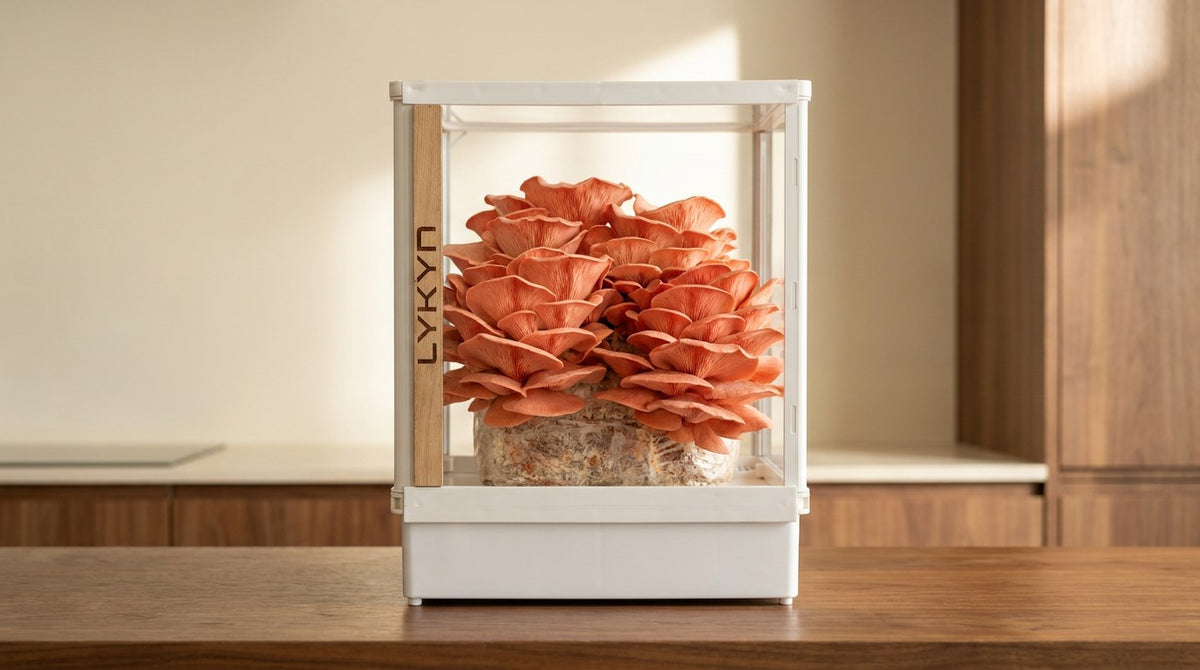
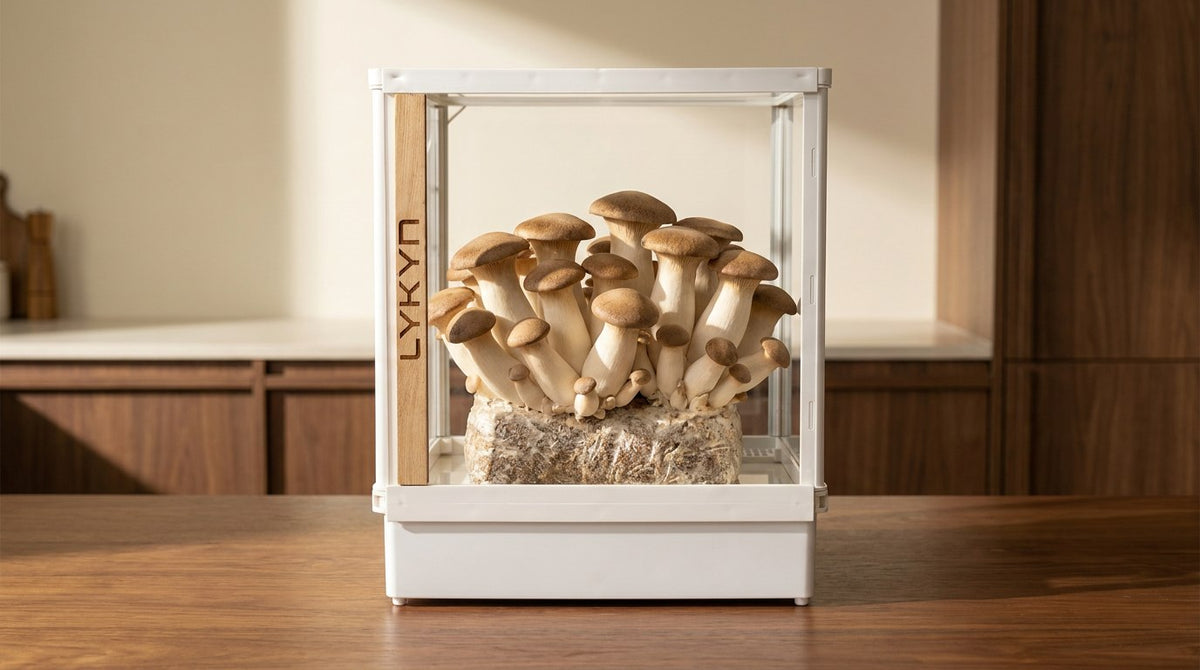
If you're buying our Smart Mushroom Grow Box today, the chamber's automated humidity control and passive airflow work equally well for both species. The hardware removes the hardest variables. Your job becomes: follow the protocol (or skip it, in Lion's Mane's case) and mist on schedule. The chamber does the precision work.
Start with Lion's Mane. Graduate to shiitake when you're ready. Or flip the order based on flavor. Either path gets you to the same place: fresh, home-grown mushrooms on your table in weeks instead of months.

FAQ
Further Reading
- Our beginner's guide to growing mushrooms at home
- Our complete Lion's Mane guide
- Our shiitake troubleshooting guide

Share:
Cinnamon Cap Mushroom: Complete Home Growing Guide
Best Gifts for Mushroom Lovers 2026: Complete Gift Guide