



Are Oyster Mushrooms Good for You? Nutrition and Beta-Glucan Science
Are Oyster Mushrooms Good for You? (Direct Answer)
Quick answer: Yes. Oyster mushrooms (Pleurotus ostreatus) are a nutrient-dense, low-calorie food. A 100g raw serving carries about 33 kilocalories and 3.3g of protein, which works out to roughly 10g of protein per 100 kilocalories. That is one of the highest protein-per-calorie ratios in any common vegetable or fungus. They are also a natural source of beta-1,3/1,6-glucan (a soluble fiber linked to immune support in preliminary research), they contain the rare antioxidant ergothioneine, and when their gills are exposed to UV light they generate meaningful amounts of vitamin D2. This article is for general nutrition information and is not medical advice. Talk to your clinician about your specific diet.
Macros and Micros (USDA Reference)
USDA FoodData Central is the standard US reference for raw nutrition data. For Pleurotus ostreatus, raw, the headline numbers per 100g (a heaping cup of sliced fresh mushrooms) are:
- Energy: 33 kcal
- Water: 89.2 g
- Protein: 3.31 g
- Total fat: 0.41 g (almost entirely unsaturated)
- Total carbohydrate: 6.09 g
- Dietary fiber: 2.3 g
- Sugars: 1.11 g
The micronutrient side quietly outperforms most produce-aisle vegetables. Per 100g raw you get:
- Niacin (B3): 4.96 mg, about 31% of the US Daily Value
- Pantothenic acid (B5): 1.29 mg, about 26% of DV
- Riboflavin (B2): 0.35 mg, about 27% of DV
- Copper: 0.24 mg, about 27% of DV
- Folate: 38 mcg DFE
- Phosphorus: 120 mg; Potassium: 420 mg; Selenium: 2.6 mcg
Sodium is naturally low (about 18 mg per 100g). Oyster mushrooms slot easily into a heart-healthy eating pattern.
Three Mushrooms Nutrition Comparison
Here is how the three most common culinary species stack up per 100g raw. Macros: USDA FoodData Central. Beta-glucan ranges: published mycology research.
| Nutrient (per 100g raw) | Oyster (P. ostreatus) | Button (A. bisporus) | Shiitake (L. edodes) |
|---|---|---|---|
| Calories | 33 kcal | 22 kcal | 34 kcal |
| Protein | 3.31 g | 3.09 g | 2.24 g |
| Fiber | 2.3 g | 1.0 g | 2.5 g |
| Beta-glucan (approximate, dry weight) | 4 to 8 g | 0.2 to 0.5 g | 4 to 6 g |
| Vitamin D potential (after UV exposure) | Very high (gills face down, open) | Moderate (closed cap, gills hidden) | High (open cap, exposed gills) |
| Ergothioneine (approximate) | 1.13 mg | 0.21 mg | 1.99 mg |
The headline pattern: oyster mushrooms lead on protein and on UV-driven vitamin D potential because their gills are wide open. Button mushrooms trail on beta-glucan and ergothioneine because their closed cap blocks UV from the spore-producing tissue. Shiitake leads on ergothioneine but lags on protein. For protein-per-calorie and vitamin D potential, oyster is the answer.
The Beta-Glucan Story
Beta-glucan is a soluble polysaccharide found in the cell walls of fungi, yeast, and grains like oats. The bioactive form in oyster mushrooms is beta-1,3/1,6-glucan, a branched structure researchers have studied for its interaction with the human immune system. Oyster mushrooms produce a Pleurotus-derived form called pleuran, the subject of small-scale clinical work in Europe.
What the research actually says
Preliminary evidence (small human trials, animal studies, mechanism-of-action laboratory work) suggests beta-1,3/1,6-glucan from oyster mushrooms may:
- Support innate immune function. Research suggests beta-glucan binds to receptors on macrophages and natural killer cells, priming them for activity. A 2002 review by Wasser SP catalogues the immune-modulation hypothesis across multiple mushroom species.
- Influence cholesterol metabolism. Preliminary evidence suggests beta-glucan-rich diets may modestly lower LDL cholesterol, similar to oat beta-glucan.
- Support blood sugar regulation. Some studies suggest beta-glucan slows carbohydrate absorption, blunting the post-meal blood sugar spike.
Caveat: most of this work uses isolated extracts, not the dose from a 100g serving. Food amounts are smaller and benefits are likely modest. Treat fresh oyster mushrooms as a healthy-diet building block, not a pharmaceutical.
Vitamin D From Sunlight: The Mushroom Trick
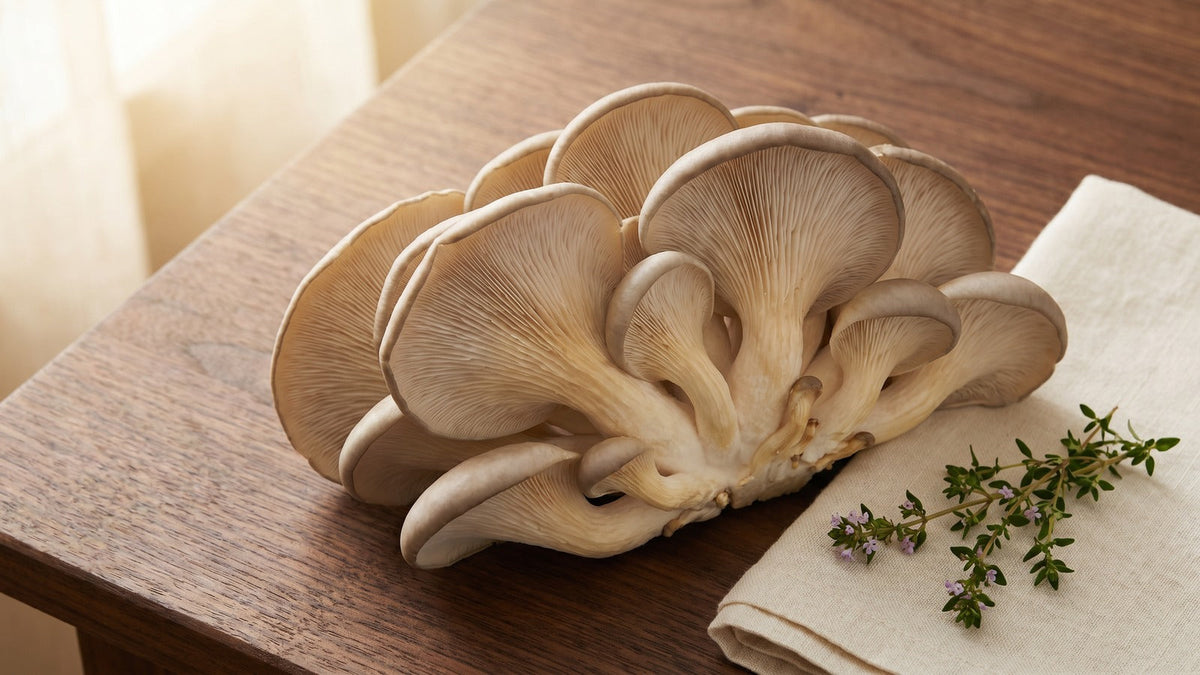
Mushrooms are the only non-animal food that produces meaningful vitamin D when exposed to UV light. The mechanism is elegant: mushrooms contain ergosterol in their cell walls (the fungal analog of cholesterol), and when UV-B light hits ergosterol, a photochemical reaction converts it to vitamin D2 (ergocalciferol). That is the same reaction your skin runs with cholesterol and sunlight. Oyster mushrooms are well-suited to this because their gills are large, open, and face downward. Lay a fresh cluster gill-side up in direct sunlight and you have a wide surface area catching UV.
How to maximize oyster mushroom nutrition
Follow these four steps to get the most out of every harvest.
Step 1. Sun-expose for 30 minutes before cooking. Place fresh oyster mushrooms gill-side up on a plate in direct outdoor sunlight (or under a UV lamp) for 30 to 60 minutes between roughly 10 AM and 2 PM. Research suggests this can raise vitamin D2 content from near-zero to several hundred IU per 100g serving.
Step 2. Dry-sear, do not deep-fry. Heat a heavy skillet (cast iron or carbon steel) over medium-high heat. Add the mushrooms with no oil. They release water for the first few minutes; once the pan is dry and the mushrooms start to brown, add a small amount of healthy fat. This concentrates flavor instead of drowning the sponge-like flesh in absorbed oil.
Step 3. Eat the gills. Some recipes tell you to scrape the gills off. Do not. The gills concentrate the most ergothioneine and beta-glucan. Leave them on, cook them in.
Step 4. Pair with a healthy fat. Vitamin D is fat-soluble. If you sun-exposed your mushrooms to boost their D2, eating them with olive oil, avocado, or grass-fed butter improves absorption. A drizzle of extra-virgin olive oil after the dry-sear works well.
Ergothioneine: The Antioxidant Hardly Anyone Talks About
Ergothioneine is a sulfur-containing amino acid the human body cannot produce, so we have to get it from food. Mushrooms are by a wide margin the richest dietary source, and oyster mushrooms (along with shiitake and king oyster, Pleurotus eryngii) carry some of the highest concentrations.
Why does this matter? Ergothioneine accumulates in tissues exposed to high oxidative stress: red blood cells, liver, kidneys, eye lens, brain. Research suggests it acts as a long-lived cellular antioxidant. Some researchers have proposed classifying it as a "longevity vitamin," though that label is not yet official.
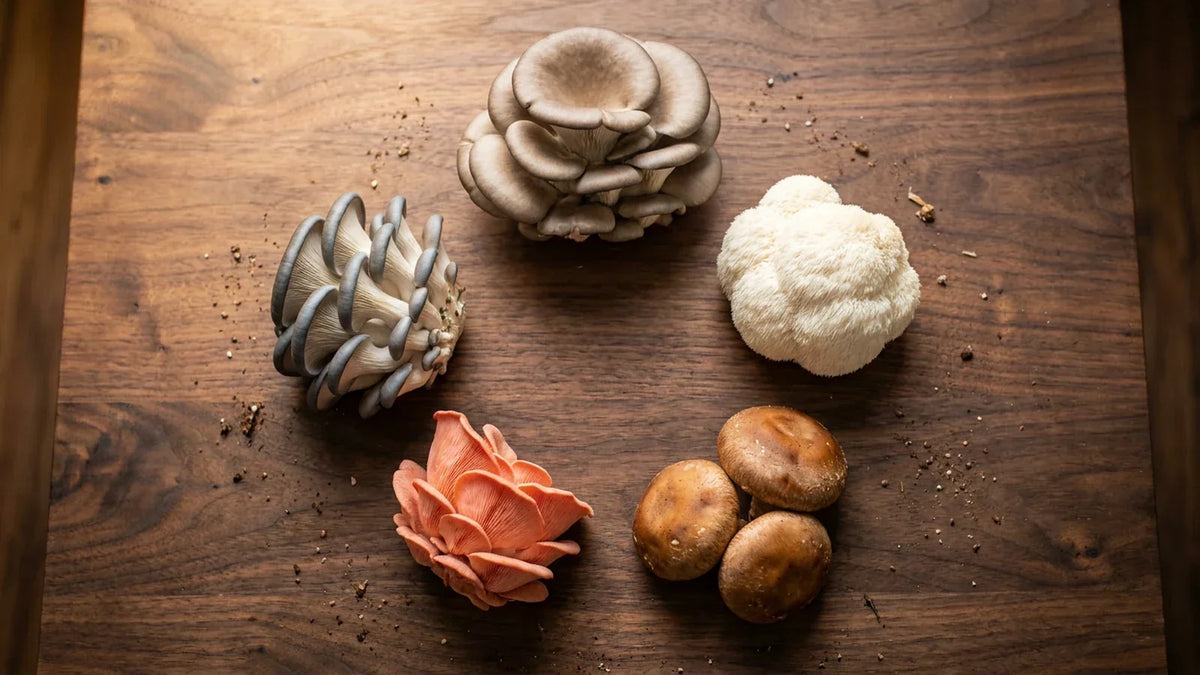
There is no official recommended daily intake for ergothioneine yet, but preliminary evidence suggests a few 100g servings per week keeps tissue levels topped up. Pleurotus djamor (pink oyster), Pleurotus ostreatus (pearl oyster), and Pleurotus eryngii (king trumpet) are all excellent dietary sources.
Realistic Daily Serving
You do not need to eat oyster mushrooms by the kilo. A practical serving target is 80 to 150g of fresh oyster mushrooms, 3 to 5 times per week. That delivers:
- Roughly 8 to 15g of protein per week from this single source
- Meaningful daily doses of niacin, riboflavin, pantothenic acid, and copper
- Several hundred milligrams of beta-glucan per serving (more if you stir extracts into broths or soups)
- 1 to 2 mg of ergothioneine per week, on track with the levels researchers associate with topped-up tissue stores
- After sun exposure, a usable contribution toward your vitamin D intake (though not a replacement for a proper D3 supplement if your levels are clinically low)
A simple weekly plan: stir-fry on Monday, roasted oyster mushroom tacos on Wednesday, miso oyster broth on Friday. Target hit without thinking about it. For a step-by-step pan-sear method, our guide on how to cook oyster mushrooms walks through the dry-sear technique in detail.

Fuel Your Mushroom Journey
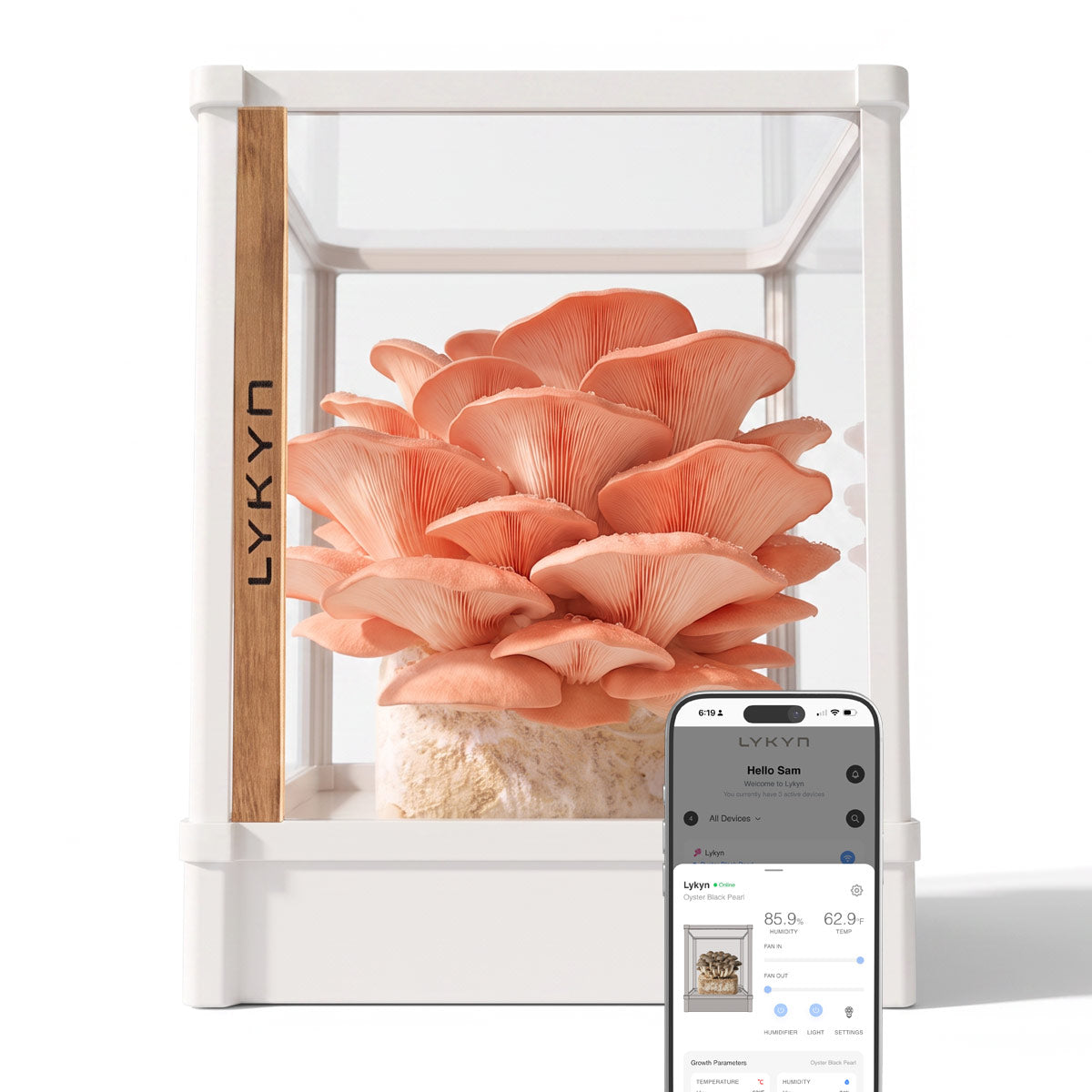
Pink Oyster Grow Kit
Hardwood sawdust block colonized with Pink Oyster mycelium. Drops straight into your Lykyn chamber and starts pinning within days.
Add to cart $29.95Frequently Asked Questions
Are oyster mushrooms a complete protein? Yes. Oyster mushrooms contain all nine essential amino acids, which meets the "complete protein" definition. The amounts are modest (not steak-level grams per serving), but the amino acid profile is well-balanced for a plant-or-fungus source. Pairing with grains and legumes in the same meal builds a strong protein base.
Do oyster mushrooms have vitamin D? Fresh oyster mushrooms grown indoors or in shade contain very little vitamin D, often under 10 IU per 100g. But because they are rich in ergosterol, a 30 to 60 minute sun exposure (gill-side up, between 10 AM and 2 PM) can raise vitamin D2 to several hundred IU per 100g. This is one of the only reliable non-animal vitamin D sources. Vitamin D2 is slightly less bioavailable than D3 from animal sources or supplements, but it still contributes.
Are oyster mushrooms good for diabetes? Preliminary evidence suggests the beta-glucan fiber in oyster mushrooms may help moderate post-meal blood sugar by slowing carbohydrate absorption. Small human studies have observed modest improvements in fasting glucose and insulin sensitivity when oyster mushrooms are a regular part of the diet. Not a substitute for prescribed diabetes care, but a sensible food for blood-sugar-conscious eating. Talk to your clinician before major diet changes.
Can you eat oyster mushrooms every day? Yes, for almost everyone. Daily servings of 80 to 150g raw are safe for healthy adults. A small minority have mushroom allergies, so introduce gradually if new to them. If you have a known fungal allergy or are immunocompromised, check with your clinician first.
Are oyster mushrooms anti-inflammatory? Research suggests several compounds in oyster mushrooms (beta-glucan, ergothioneine, certain phenolic antioxidants) show anti-inflammatory activity in laboratory and animal studies. Human evidence is preliminary. A reasonable read: oyster mushrooms fit well into an overall anti-inflammatory eating pattern, but the mushroom alone is not a treatment for inflammatory disease.
Where Fresh Comes In
The single biggest nutrition variable for oyster mushrooms is not the species, the recipe, or even the sun exposure. It is freshness. Ergothioneine, beta-glucan structure, and the antioxidant profile all degrade after harvest. By the time a refrigerated package travels from grower through distribution to a grocery shelf, you are often eating mushrooms 7 to 14 days old.
Home-grown oyster mushrooms harvested the day you cook them carry the full nutrient profile this article describes. That is why Lykyn exists: to make a 5-day harvest from a pre-colonized fruiting block as easy as brewing a pot of coffee. Our Pearl Oyster grow block delivers up to 1.25 lb of fresh Pleurotus ostreatus from a single block, and the full grow-block collection covers pink oyster, blue oyster, king oyster, lion's mane, and more. For a similar nutrition deep-dive on another functional species, see our guide on lion's mane mushroom benefits.
Start growing today. Harvest in 5 days. Eat at peak nutrition.
This article is for general nutrition information and is not medical advice. Speak with a qualified healthcare provider about your specific dietary needs.
Fuel Your Mushroom Journey

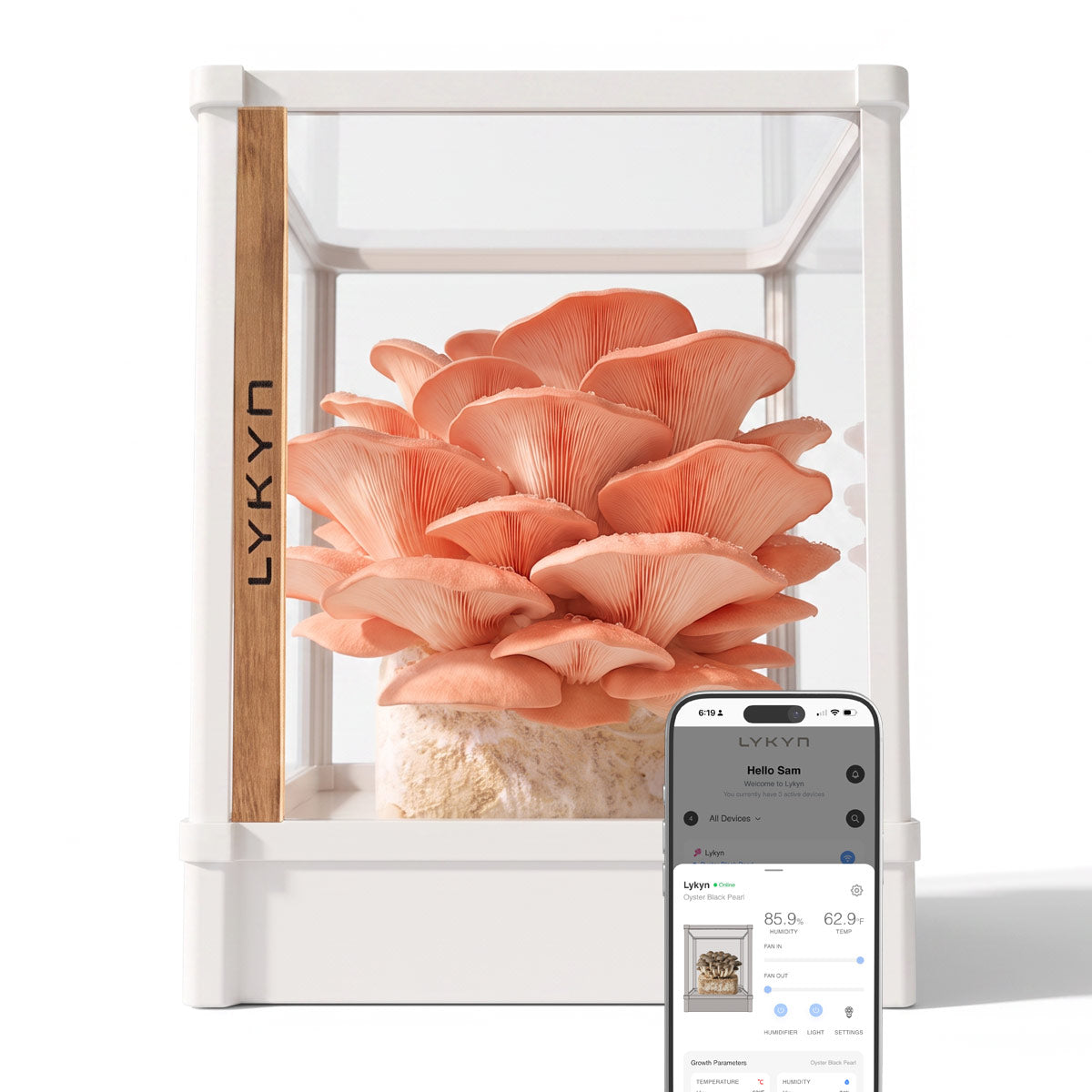
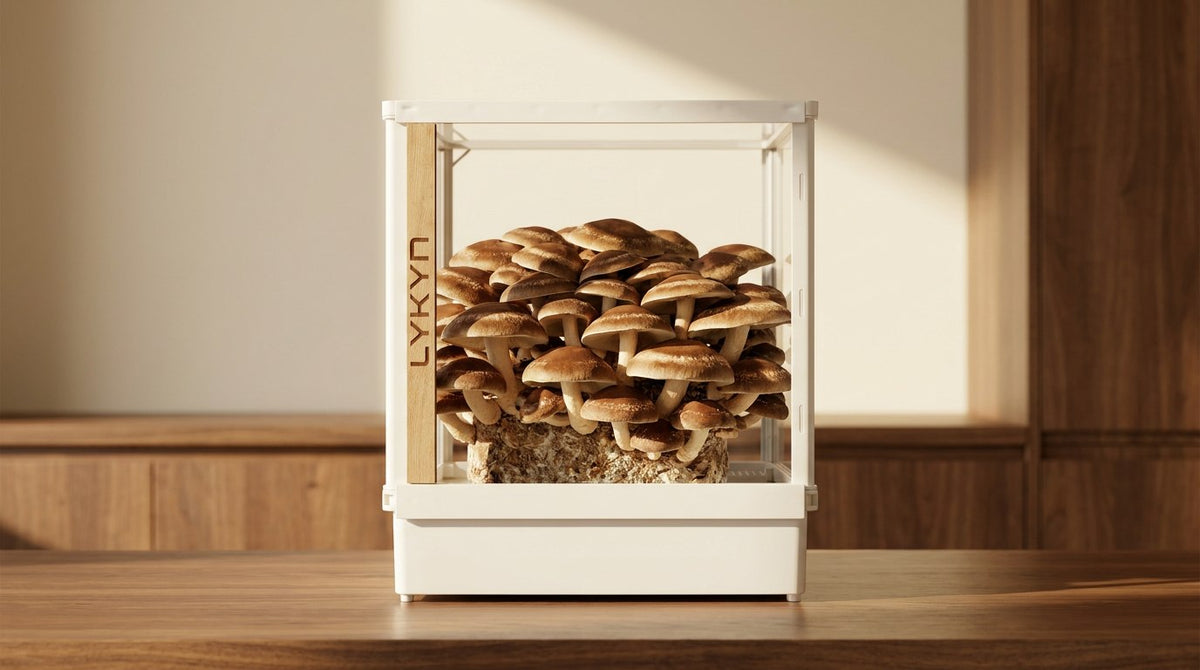
Smart Chamber. Bone White Single
- 2.8L tank, 90% humidity automatic
- App-controlled, plug-and-play
- 6 lb block ceiling, in stock

Smart Chamber. Obsidian Black Single
- Same hardware as Bone White
- Matte black premium finish
- Pairs with any kitchen palette
Author note. This guide draws on Lykyn Growing Team observations across 500+ growers (2024 to 2026), peer-reviewed mycology references, and US-published cultivation literature.




Share:
How to Prepare Lion's Mane Mushrooms in 5 Minutes | Lykyn
Golden Oyster Mushroom: Pleurotus citrinopileatus Guide | Lykyn