


Morel cultivation is the long game of the mushroom world. Unlike oysters or lion's mane, morels can't be rushed in a kit and they don't reward sterile-bag indoor setups. They reward patience, the right outdoor site, and a willingness to treat the project as a garden bed that may take two springs to produce. These are the tips that separate the home growers who eventually find morels in their yard from the ones who give up after year one.
The honest setup before we go further: even the best home morel cultivation tips don't guarantee a harvest. Hobbyist outdoor morel beds succeed 10 to 30% of the time over a three-year window. The tips below stack the odds, they don't override the biology.
Tip 1: Match the morel species to your climate

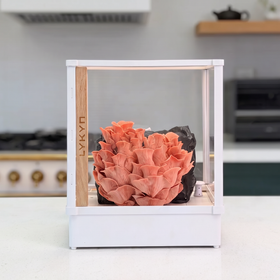
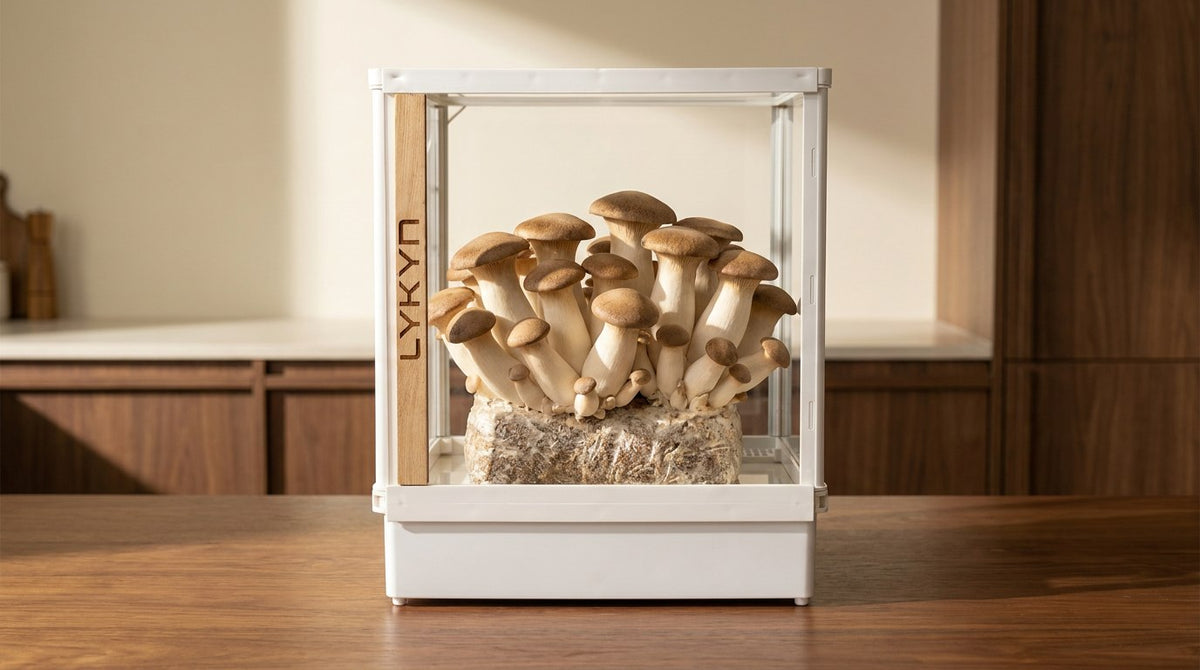
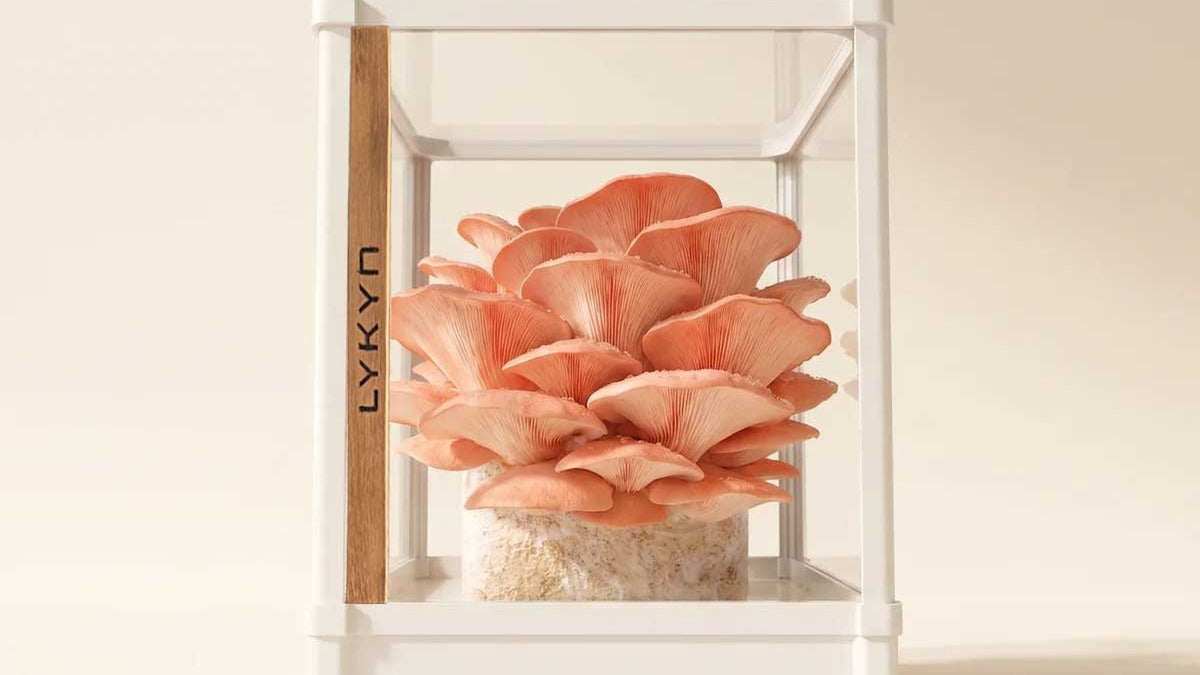
Smart Chamber. Bone White Single
- 2.8L tank, 90% humidity automatic
- App-controlled, plug-and-play
- 6 lb block ceiling, in stock

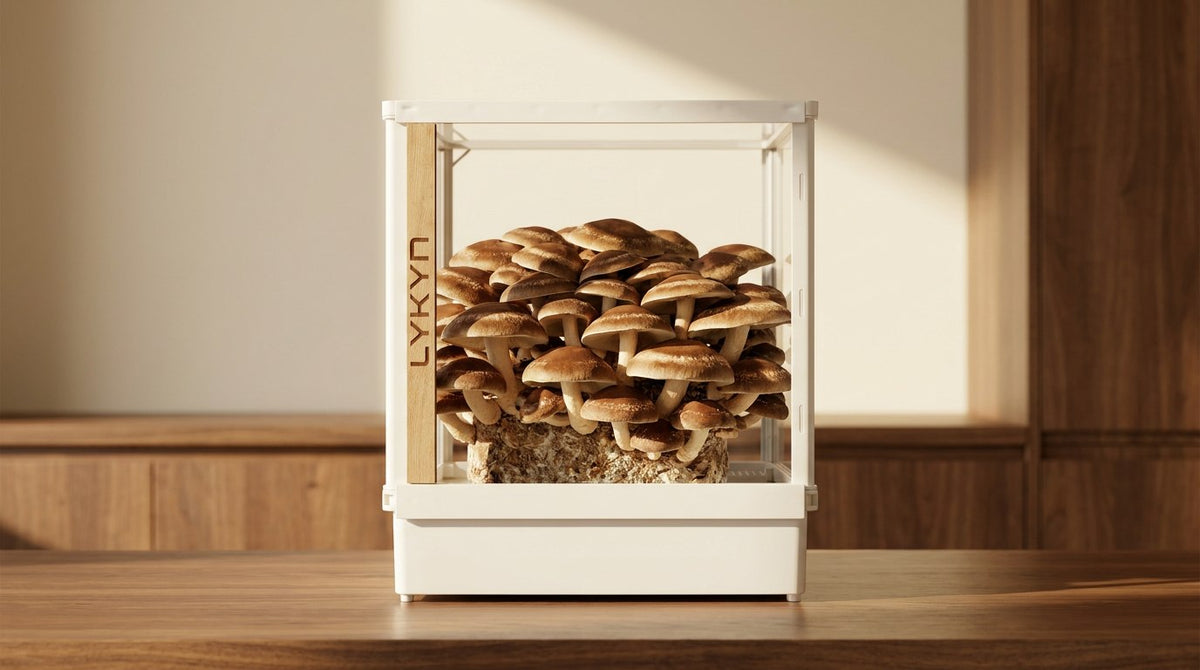
Smart Chamber. Obsidian Black Single
- Same hardware as Bone White
- Matte black premium finish
- Pairs with any kitchen palette

The two most cultivable morel species for North American growers are the yellow morel (Morchella esculenta) and the black morel (M. importuna and related). They want different things.
- Yellow morel: Prefers temperate hardwood zones, often associates with elm, ash, apple, tulip poplar, and old apple orchards. USDA zones 4 to 7 are sweet spots.
- Black morel: Tolerates cooler climates and burned forest floors, often associates with conifers. USDA zones 3 to 6.
If your kit doesn't name the species, that's a red flag. Without species matching, you're inoculating soil with a strain that might not be wired for your climate.
Tip 2: Build the bed in fall, not spring
Most failed morel beds were built in March or April when growers got excited. Morel mycelium needs the cold wet months of late fall and winter to colonize the bed, build sclerotia (the energy-storing nodules), and prepare for spring fruiting. Inoculating in September or October gives the fungus the full cold cycle to establish.
The bed itself should be:
- 4x4 feet minimum, 8x8 feet better
- Partial shade (dappled, not deep)
- Well-draining soil amended with hardwood chips, old leaf litter, gypsum, and a touch of wood ash
- Near or under a host tree if possible (elm, ash, apple, or tulip poplar for yellow morels)
Tip 3: Soil pH between 6.8 and 7.8
Morels want slightly alkaline soil. Many home gardens trend acidic from rainwater leaching and pine mulch. Test your soil with a $10 pH strip kit before inoculating, and adjust upward with dolomitic lime or wood ash if needed. A pH below 6.0 is one of the most common silent killers of home morel beds.
Tip 4: Layer the substrate, don't dump it
Successful morel beds are layered like a lasagna:
- Bottom layer: 2 inches of hardwood chips (oak, ash, elm, or apple)
- Middle layer: 1 inch of partially decomposed leaf litter from a hardwood forest floor
- Inoculation layer: Spawn mixed with a thin layer of damp peat moss
- Top layer: 1 inch of leaf litter, then 1 inch of soil from the host tree's drip line if available
The layering mimics the natural decay strata where morels fruit in the wild. Dumping spawn into a flat pile of compost rarely works.
Tip 5: Water in winter, not just spring
Newer home growers focus on spring watering and forget that the colonization happens between November and February. If your winter is dry, lightly water the bed every two to three weeks (skipping any week with rain or frozen ground). Don't drench it. Damp, not soggy.
When spring approaches, increase watering to mimic a wet warming-up period. Two to three thorough soakings per week from late February through March often triggers fruiting if the mycelium is ready.
Tip 6: Don't disturb the bed
Morel sclerotia and mycelium are fragile. Tilling, raking, walking on the bed, or aggressively weeding all break the network. Once the bed is built, treat it as a no-touch zone. Pull weeds by hand, gently, only when small. Mulch heavily on top to suppress weeds and hold moisture.

Fuel Your Mushroom Journey
Smart Mushroom Grow Chamber
Plug-and-play smart chamber with humidity, light, and airflow dialed in for every species. Beginners harvest their first flush in days, not months.
Add to cart $299Many growers report fruiting starts after the bed has been left alone for 18 months minimum. Patience is the cheapest input.
Tip 7: Mimic the spring rain trigger
Morels in the wild fruit after a specific sequence: a cold winter, a warm-up to 50 to 60 degree daytime temperatures, and a soaking rain. You can simulate the trigger by giving the bed a long, deep watering (an hour of slow soak from a sprinkler) when daytime highs first cross 55 degrees consistently in your area. Repeat once a week.
Some growers cover the bed with clear plastic propped 6 inches above the soil to trap warmth and humidity, which can advance fruiting by one to two weeks in cooler climates.
Tip 8: Plan for year two, not year one
The single most important mindset tip: expect nothing in year one. About 25 to 35% of successful home beds fruit in year one. The other 65 to 75% fruit in year two or three, if at all. Growers who tear up their bed after a fruitless first spring throw away their best shot.
Leave the bed undisturbed for three full springs before declaring failure. Top up the leaf litter and wood chip layers each fall to keep feeding the mycelium.
Tip 9: Watch for indicator plants
Morels often fruit when certain spring ephemerals are blooming: trillium, mayapple, trout lily, and the leaf-out of oaks. In your region, learn one or two indicator plants and use them as a calendar. They've evolved to respond to the same soil temperature and moisture signals that trigger morel fruiting.
Tip 10: Honest expectation setting
Even with every tip followed perfectly, a home morel bed is a probabilistic project, not a guarantee. The growers who succeed treat it like a fruit tree they planted: years of low-effort care, then either you get fruit or you learn for next time.
If that timeline doesn't match what you want from your mushroom hobby, two honest alternatives:
- Forage morels in spring. Local mycology clubs are the fastest way to learn. Warning: Gyromitra false morels are dangerous lookalikes, learn the difference before eating anything.
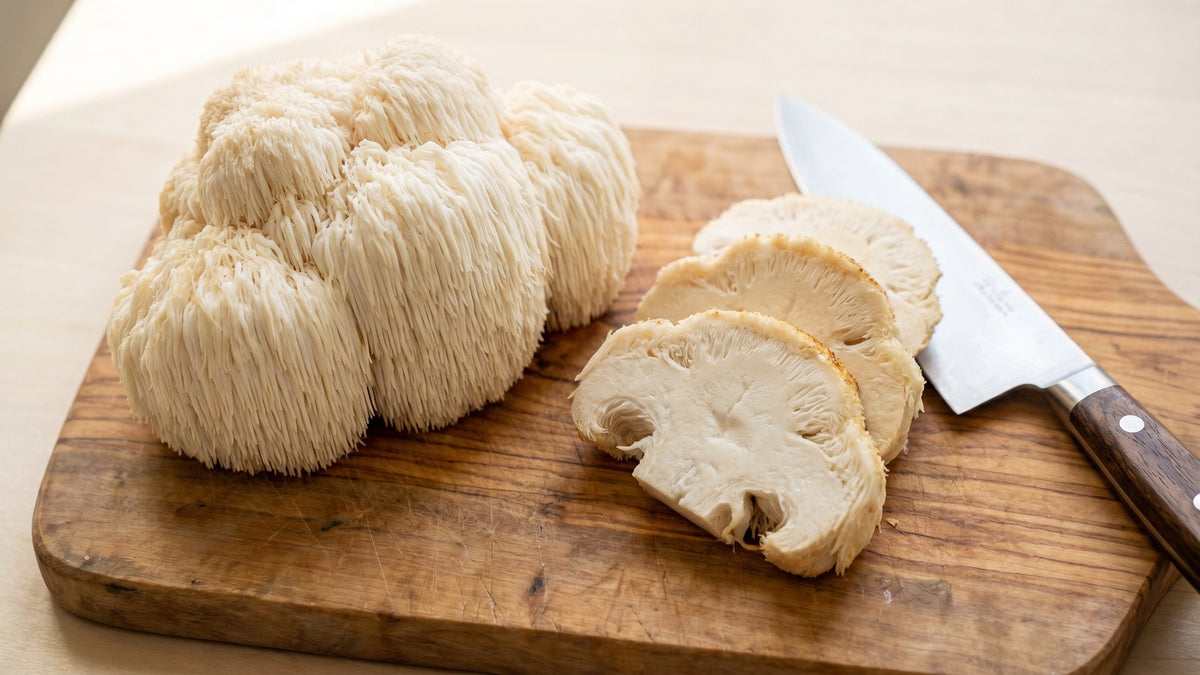
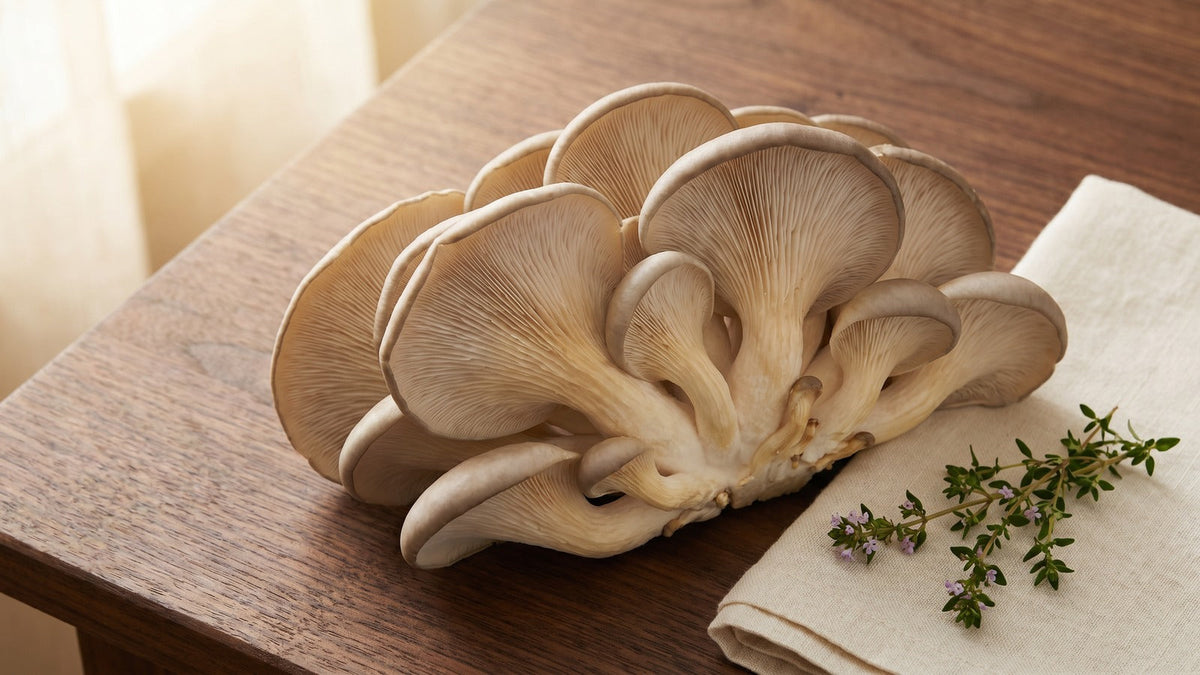
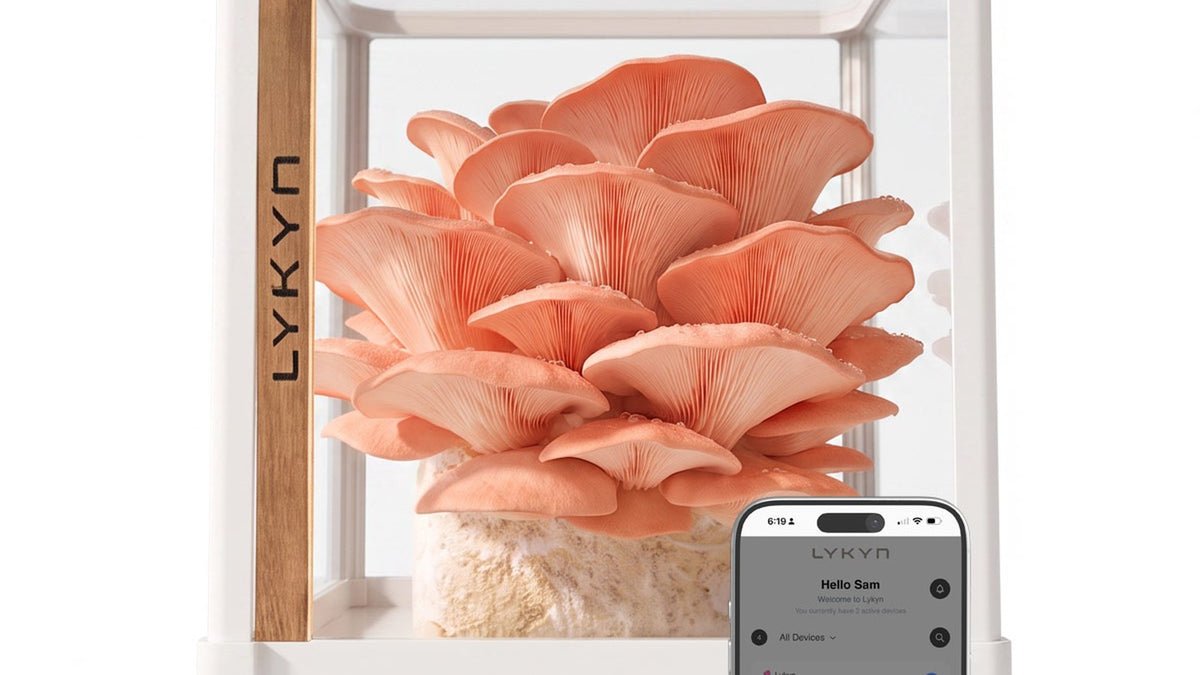
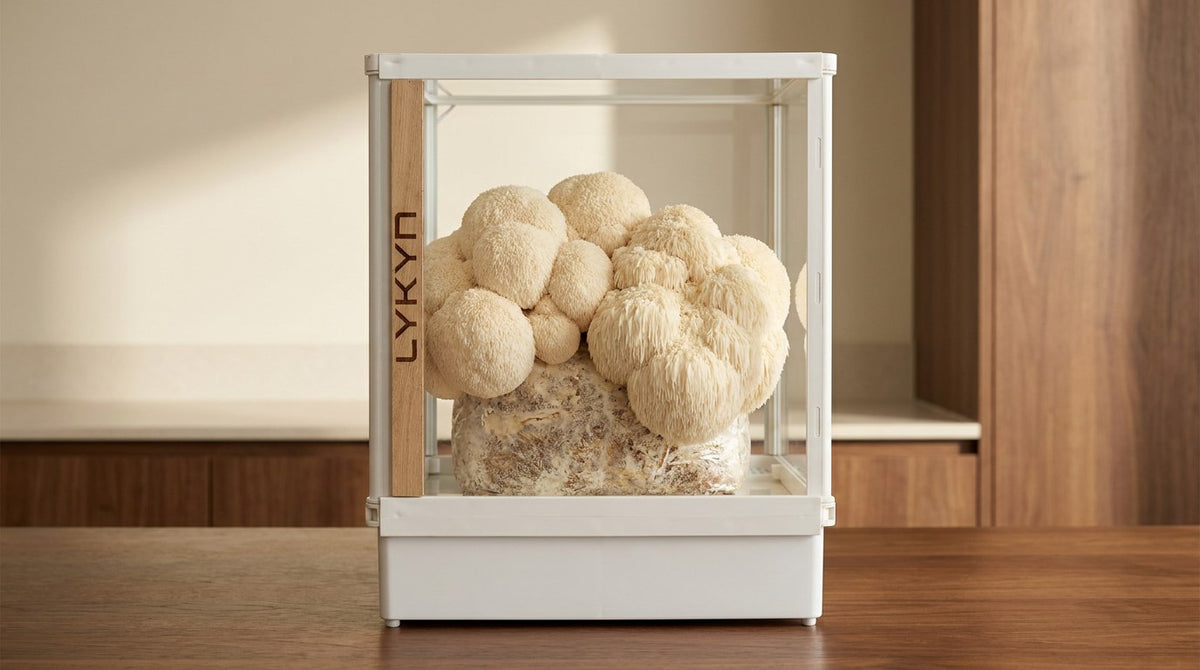
- Cultivate species that actually fit a kit format. Oyster, lion's mane, king oyster, and shiitake all produce reliable indoor harvests in 2 to 6 weeks. The mushroom grow kits built for those species are the practical home-cultivator path.
The morel grower's mindset
The home morel cultivators who eventually find their first flush tend to share three traits: they build outdoors in fall, they don't disturb the bed for at least two years, and they treat the project as a slow gift to their future self. Get those three right, and the probabilities tilt in your favor.
The rest is weather. Some years it's a yes, some years a no. That's morels.
Share:
The Ultimate Guide to Morel Growing Kits
The Ultimate Guide to Morel Growing Kits