


Morel growing kits sit in a strange corner of the mushroom hobby: they exist, they sell, and most of them don't work the way customers expect. If you're shopping for a morel kit, you need to understand what's actually inside the box, why morels (Morchella esculenta and relatives) resist the standard kit format, and what realistic results look like before you spend money. This is the unhype version.
The direct answer: a morel "growing kit" is almost always a bag of inoculated grain spawn or slurry that you mix into prepared outdoor soil, not a ready-to-fruit indoor block. Unlike oyster or lion's mane kits, no consumer morel kit produces a reliable indoor harvest within weeks. Expectations should be measured in seasons, not days, and successful fruiting is the exception, not the rule.
Why morels resist the typical kit format

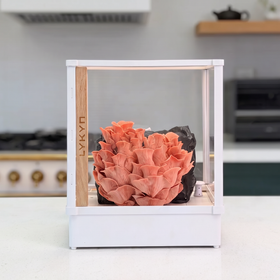
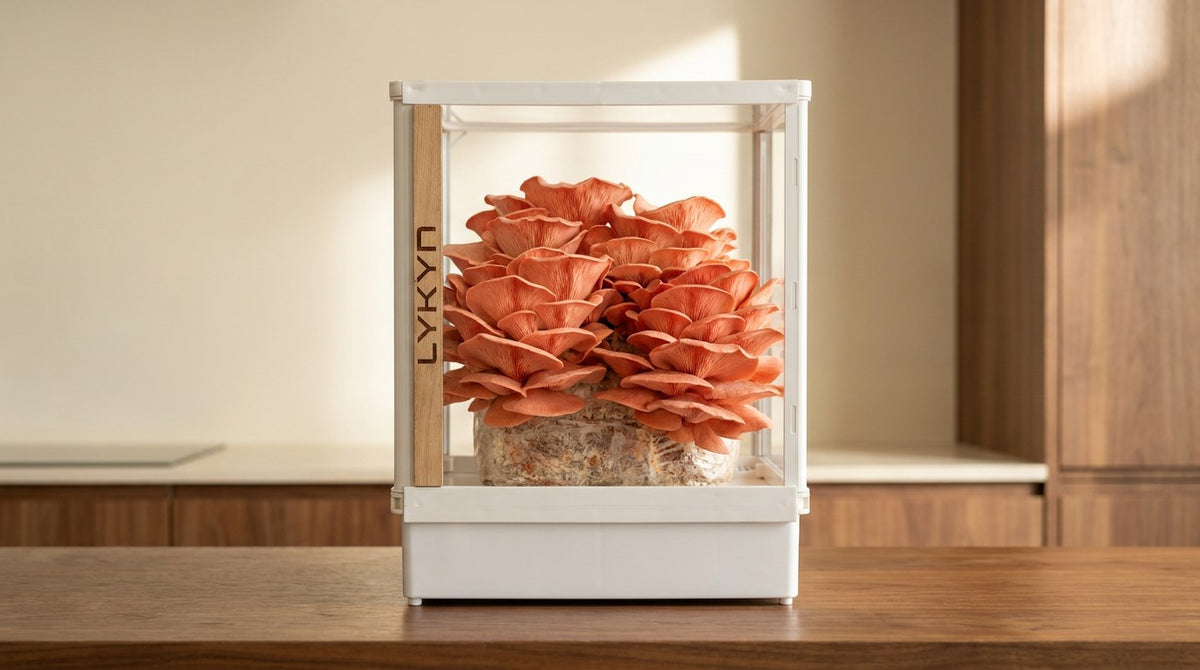
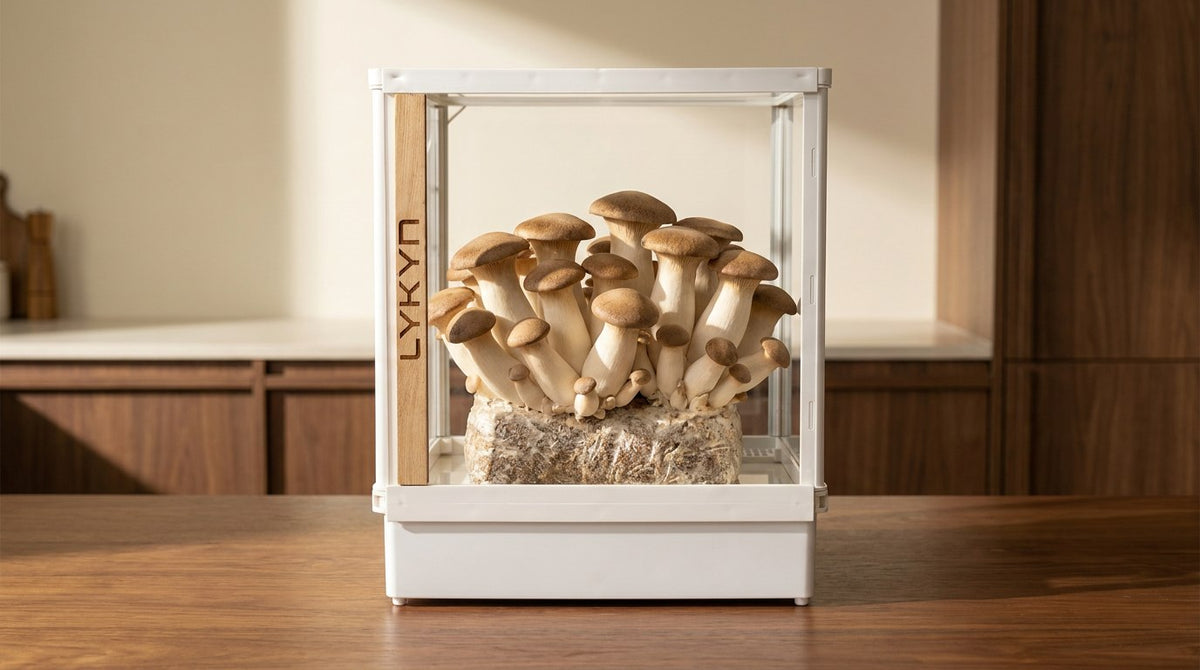
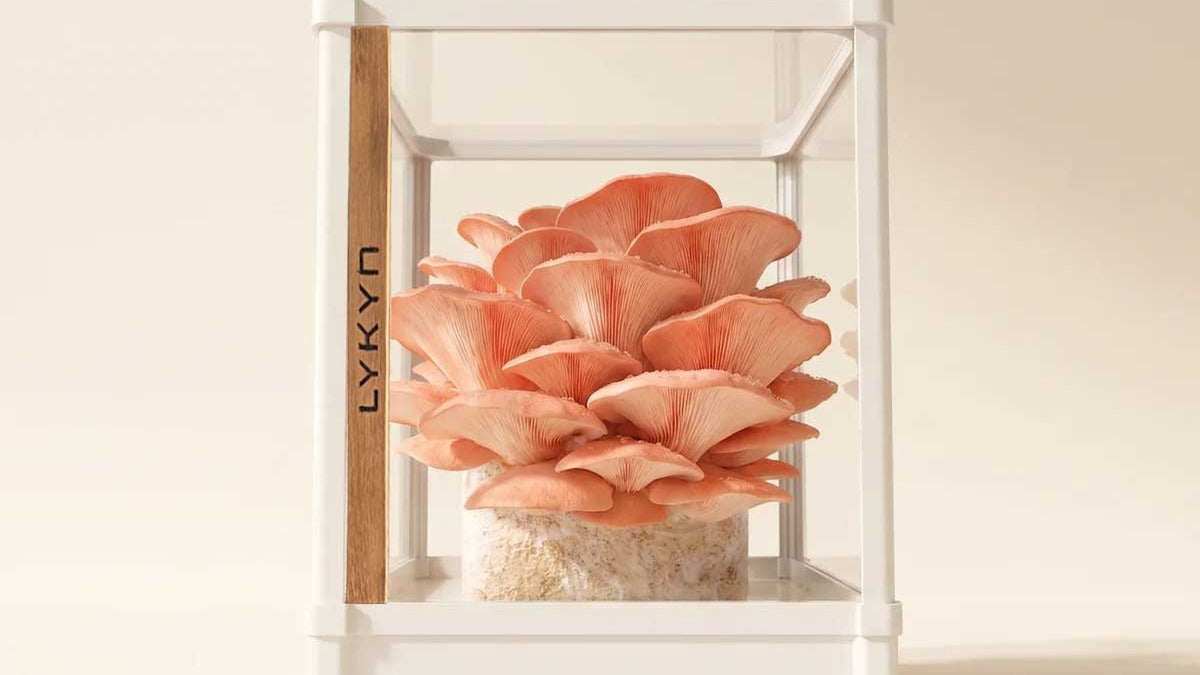
Smart Chamber. Bone White Single
- 2.8L tank, 90% humidity automatic
- App-controlled, plug-and-play
- 6 lb block ceiling, in stock

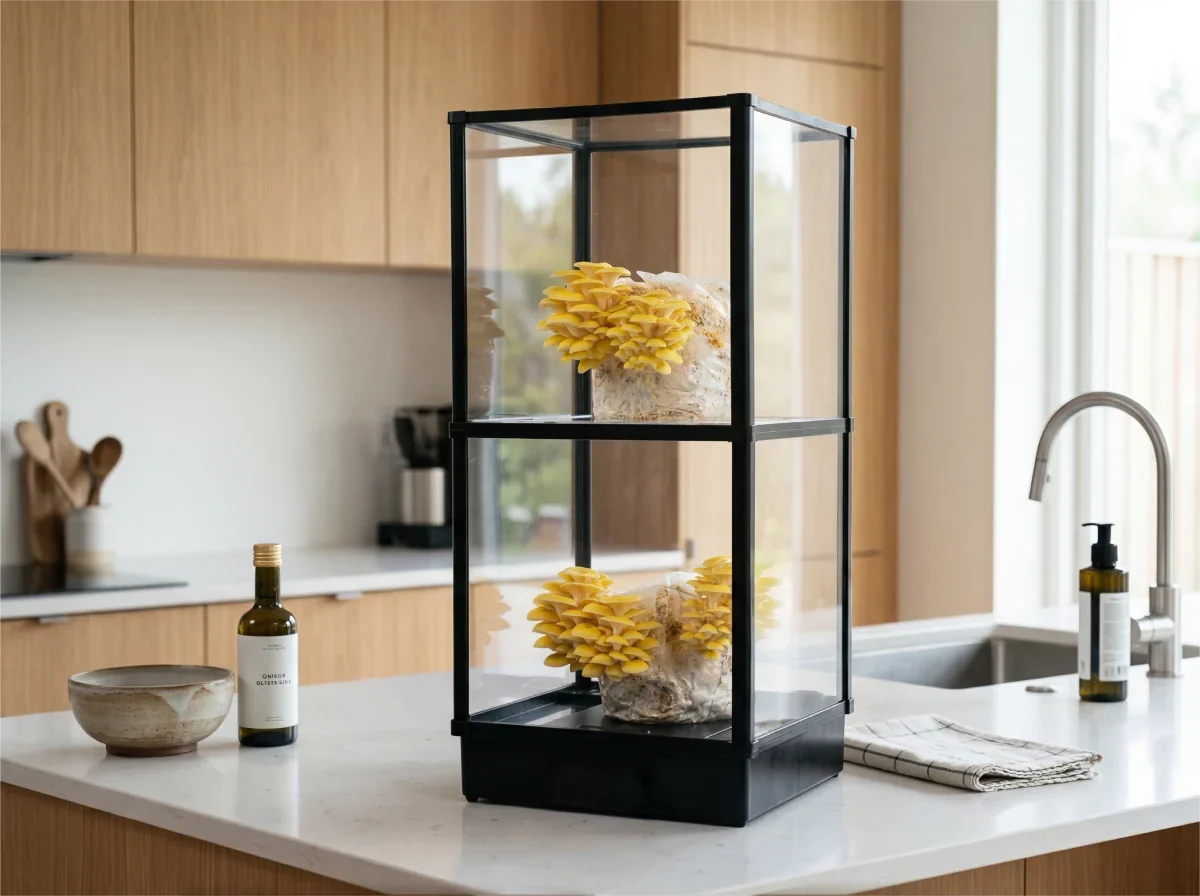
Smart Chamber. Obsidian Black Single
- Same hardware as Bone White
- Matte black premium finish
- Pairs with any kitchen palette

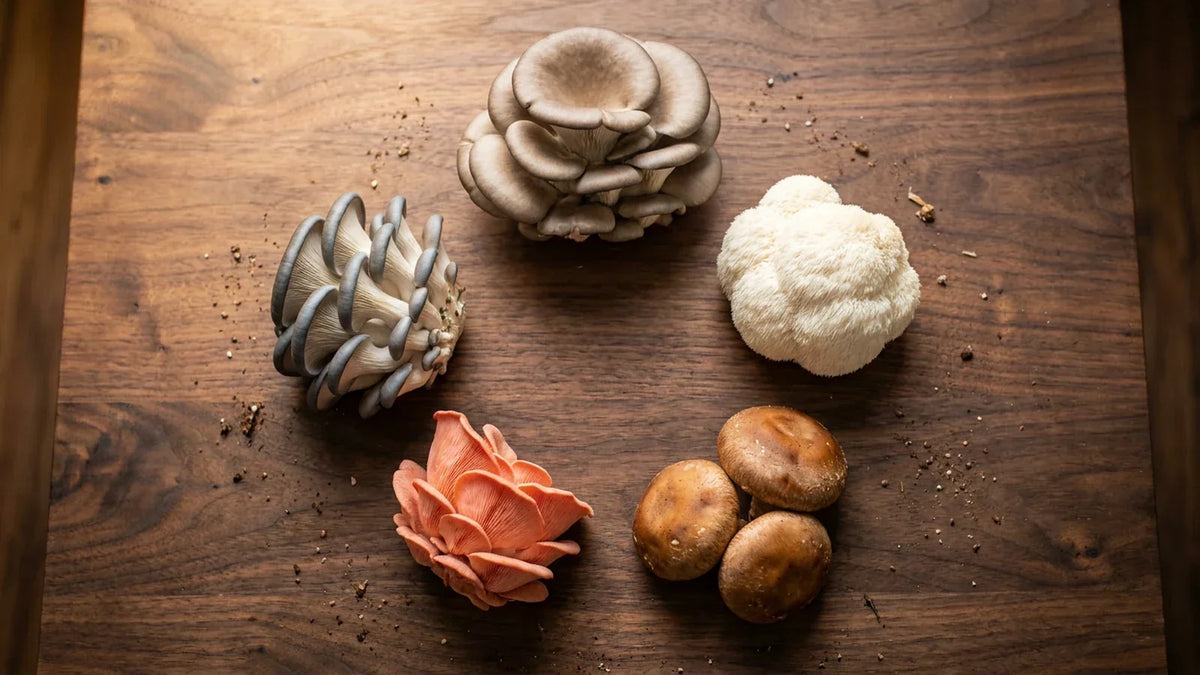
Most kit-friendly mushrooms (oyster, lion's mane, shiitake, king oyster) are saprotrophs that aggressively colonize a sterilized substrate of straw or sawdust in a bag. You inoculate, wait two to four weeks for full colonization, then trigger fruiting with light, fresh air, and humidity. The whole loop fits in a kitchen.
Morels are different. They're soil fungi with a sclerotia stage (a resting body that stores energy) and a complex relationship with their environment that includes:
- Seasonal temperature swings (cold winter, warming spring)
- Specific tree partnerships in some species (ash, elm, apple, tulip poplar)
- Soil chemistry shifts triggered by leaf litter decomposition, fire, or microbial cycles
- Moisture timing that mimics a wet spring after a wet fall
You can mimic some of these conditions in a backyard bed. You cannot reliably mimic all of them in a plastic bag on your kitchen counter.
What's actually in a morel kit
Reputable morel kits typically contain one or more of the following:
- Inoculated grain spawn (sterilized rye or millet colonized by morel mycelium)
- A nutrient bag for the morel to feed on while it establishes
- Detailed soil preparation instructions
- Sometimes wood chips or ash, sometimes sclerotia in dried form
You prepare a 4x4 foot or larger bed in fall, mix in the spawn and nutrient material, water it through winter, and hope for fruiting the following spring or, more commonly, the spring after that. Some growers see a flush in year one; many see nothing for two or three years; some never see anything at all.
Realistic success rates
Independent home grower reports (forums like Shroomery, Reddit's r/mycology, and grower clubs) show success rates for outdoor morel kits in the 10 to 30% range over a three-year window. That's not a manufacturer flaw, it's the biology. Even when the mycelium establishes, fruiting requires a specific combination of weather and soil conditions that may not happen every year in your climate.
If a kit advertises "guaranteed harvest in 60 days indoors," walk away. That's not how morels work, and the kit is almost certainly using the morel name to sell a different product (or no product at all).

Fuel Your Mushroom Journey
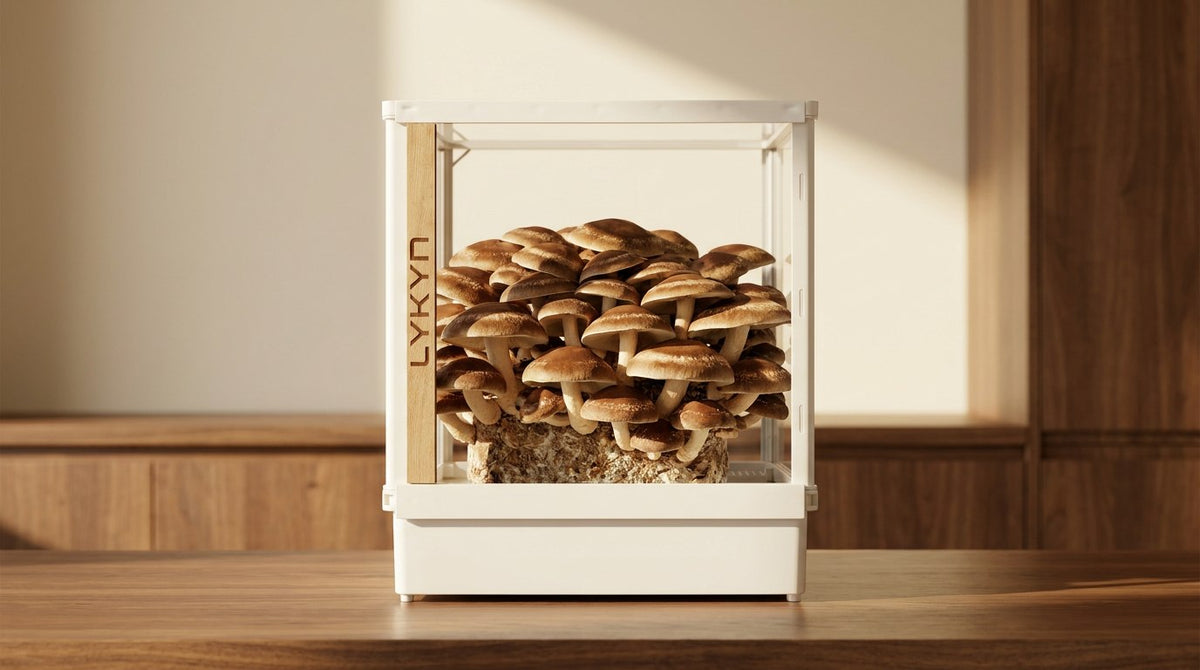
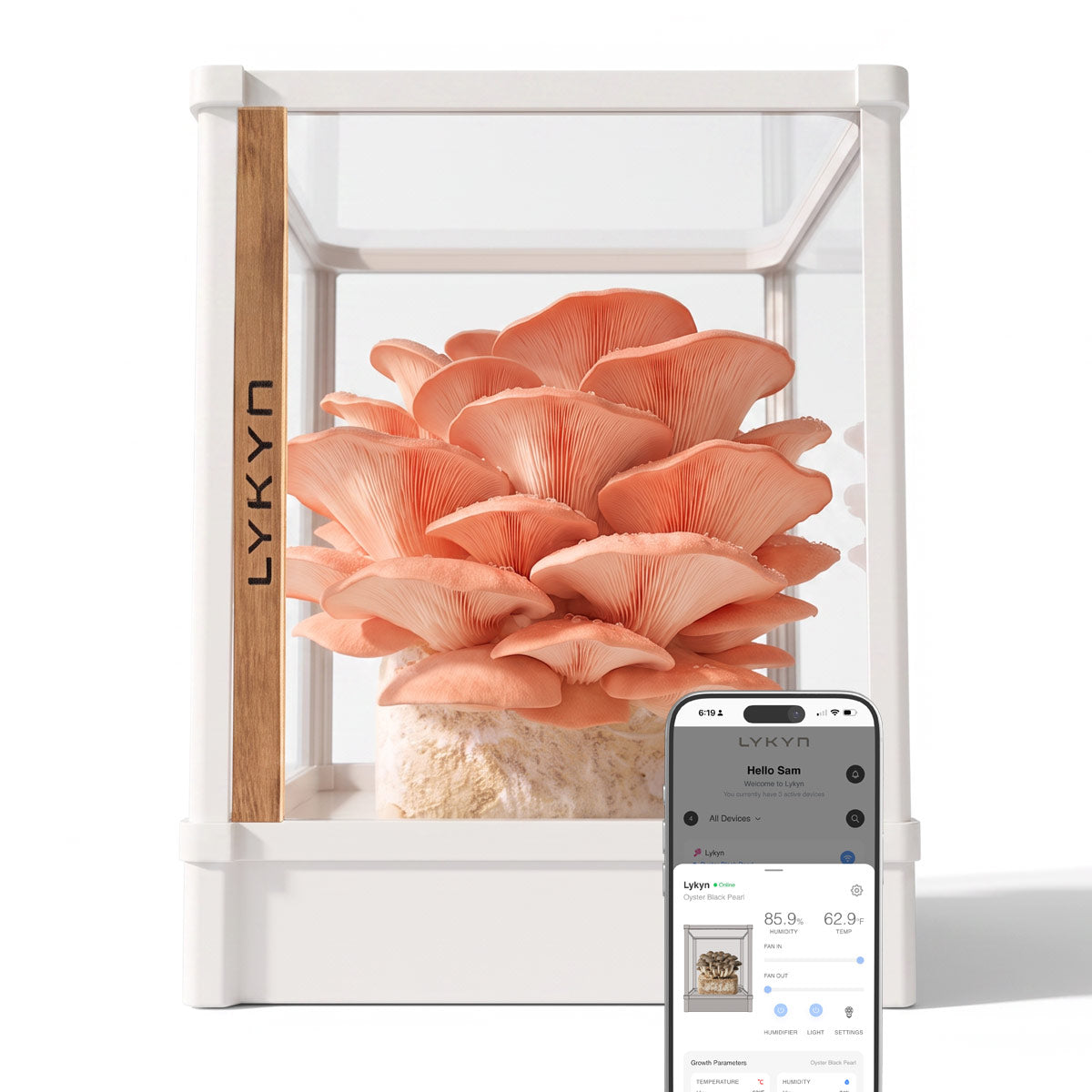
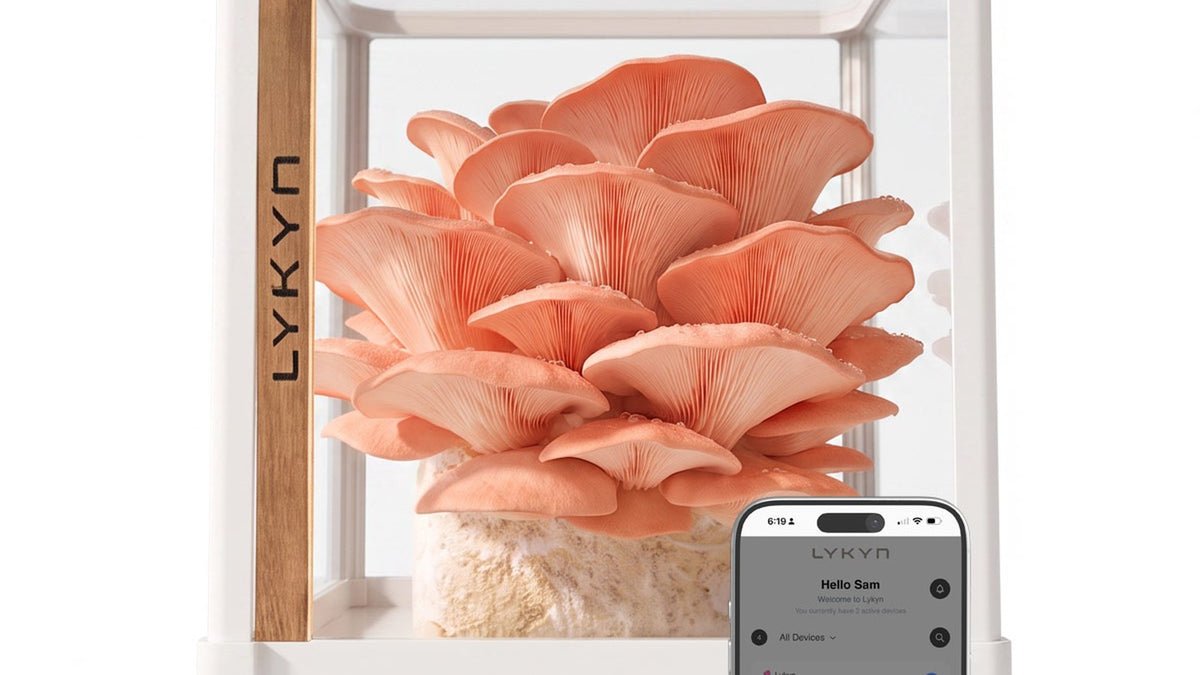
Smart Mushroom Grow Chamber
Plug-and-play smart chamber with humidity, light, and airflow dialed in for every species. Beginners harvest their first flush in days, not months.
Add to cart $299Indoor commercial morel production exists, but it's not consumer-scale
Chinese growers cracked partial indoor morel production around 2010, and it has expanded to several thousand acres of greenhouse cultivation. The process involves:
- Inoculated grain mixed into specific soil bed compositions
- External nutrient bags ("exogenous nutrient bags" or ENBs) buried in the bed
- Tightly controlled temperature, humidity, and light cycles in a greenhouse
- Specific morel strains (mostly Morchella sextelata and related cultivars) selected over years
Even at commercial scale, yields and reliability vary wildly between farms. Translating this to a backyard kit is roughly like translating a hydroponic strawberry greenhouse to a window box: possible in spirit, much less reliable in practice.
How to evaluate a morel kit before buying
If you're determined to try, look for these signals of a credible product:
- Honest timeframes: The vendor says "first fruiting possible spring of year two, no guarantee," not "harvest in six weeks."
- Strain disclosure: The kit names the specific morel species. Yellow morel (M. esculenta) is the classic backyard candidate.
- Outdoor instructions: The kit is clearly an outdoor bed application, not an indoor bag.
- Climate guidance: The vendor specifies which USDA zones their kit has data for.
- No miracle photos: Be skeptical of kits showing dense clusters of huge morels next to a kit box. Real morel patches in year one rarely look like that.
What you can realistically do as a home cultivator
If you want the morel experience without rolling the dice on a kit, three approaches make more sense:
- Forage them in season. Spring morels are findable in most temperate zones with practice. Local mycology clubs run forays and teach lookalike safety (the false morel, Gyromitra esculenta, contains MMH and is dangerous).
- Cultivate easier species first. Build skill with oyster, lion's mane, and shiitake. The same humidity, sterility, and fruiting instincts transfer to harder species later.
- Inoculate a wood-chip bed in a fruit tree guild. Some growers report morel fruitings near old apple, elm, or ash trees after spreading morel-inoculated wood chips. It's not a kit per se, but it costs less and works with the fungus's natural habitat.
If you want fast, reliable mushrooms instead
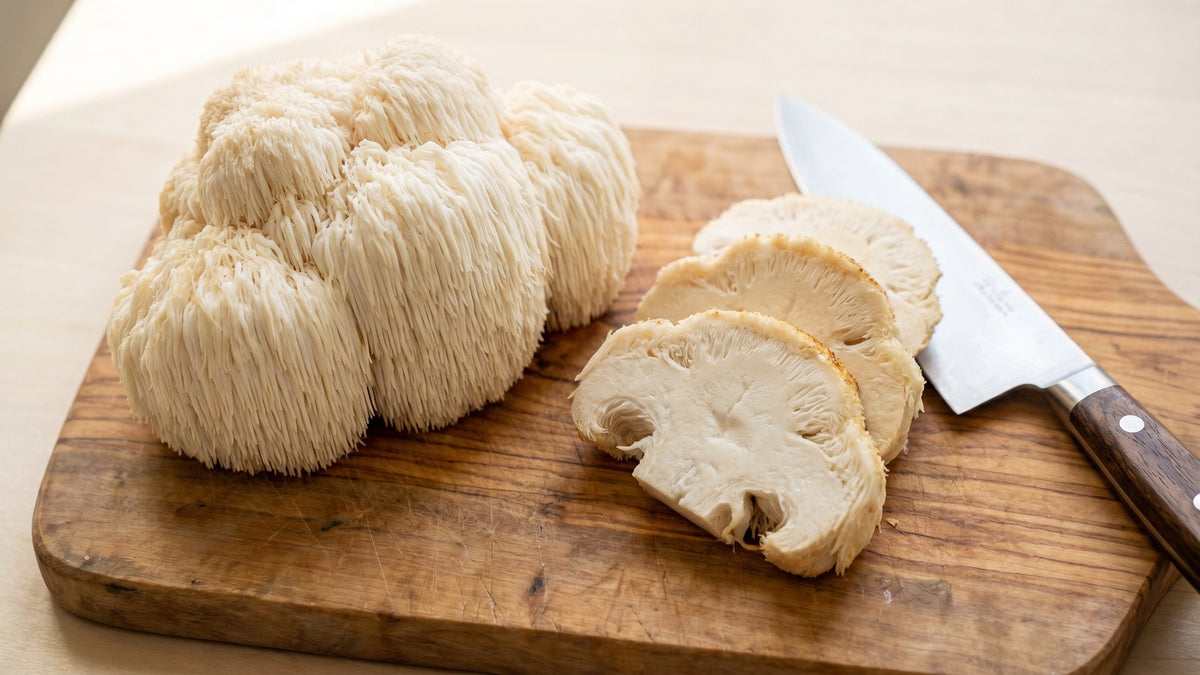
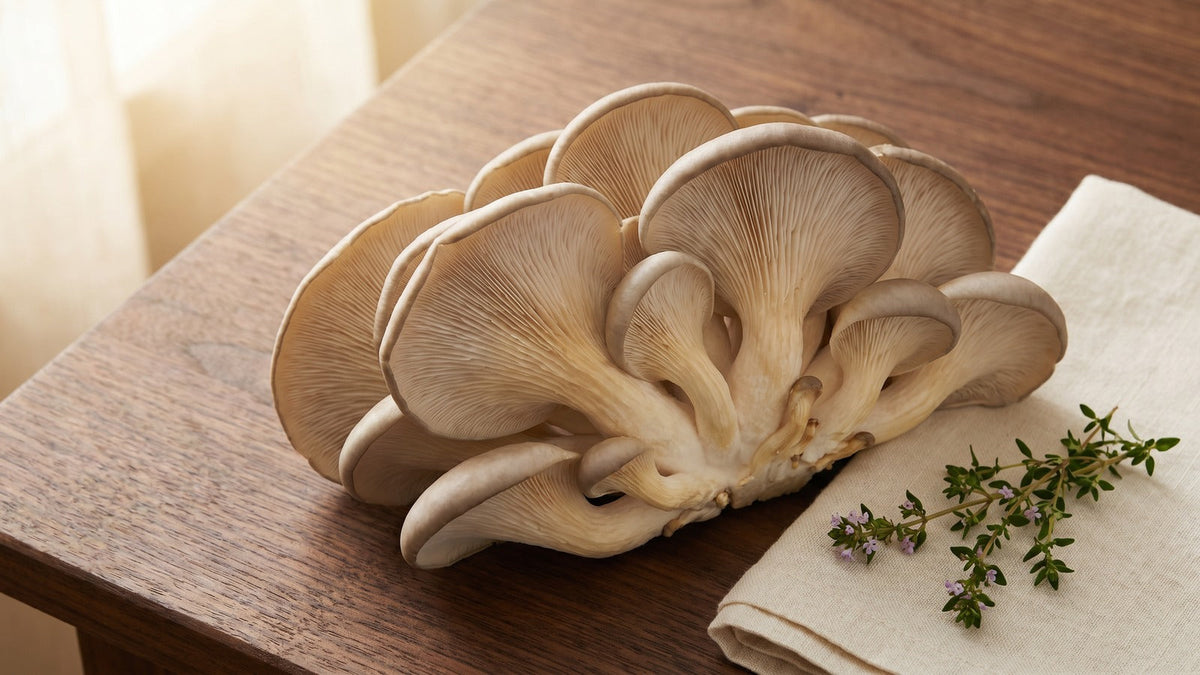
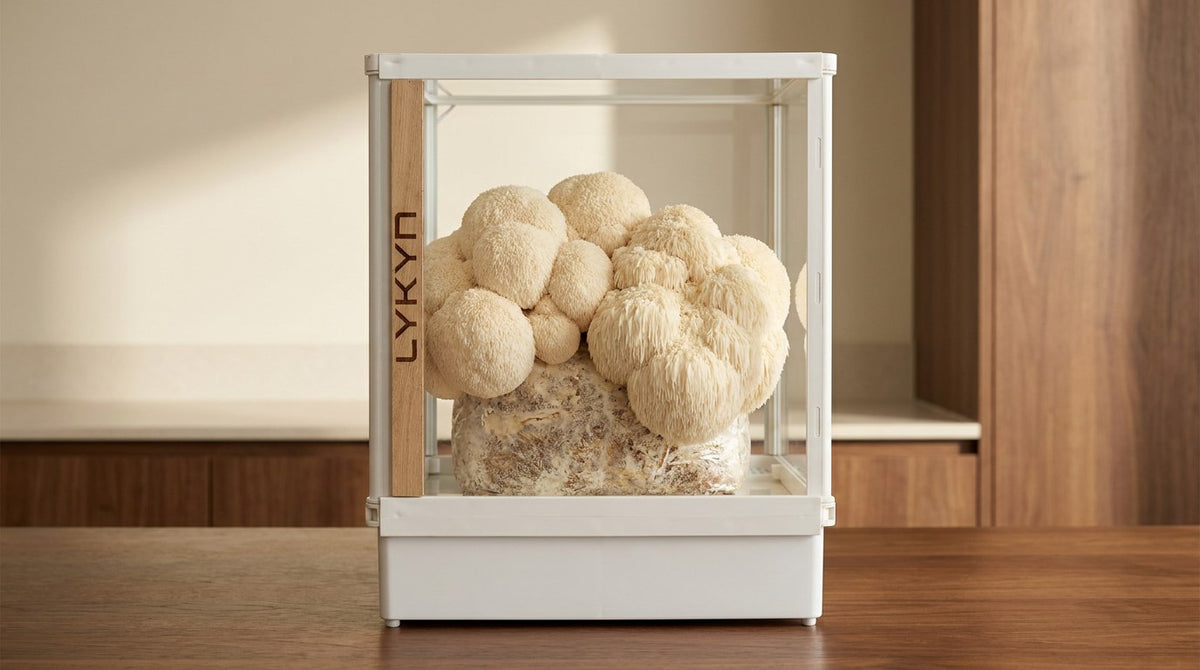
The honest truth: home cultivators who want a predictable harvest within 10 to 14 days should start with oyster, lion's mane, or king oyster, not morels. These species are what fueled the kit category in the first place, and modern enclosed grow boxes can take you from inoculation to harvest with minimal fuss. If you'd rather have mushrooms in your kitchen this month than maybe-mushrooms in your yard in 2028, browse the mushroom grow kits built for species the science already understands.
The takeaway
Morel growing kits are a legitimate product category, but they're not the plug-and-play experience the name suggests. Buy one if you're patient, you have outdoor space, and you'll be happy treating it as a multi-year garden experiment with maybe payoff. Buy something else if you want mushrooms this month.
The kit isn't the bottleneck; the biology is. Knowing that going in is the difference between a fun, slow project and an expensive disappointment.
Share:
Top Tips for Successful Morel Cultivation
Top Tips for Successful Morel Cultivation