


Kurzantwort: Der Schmetterlingstramete (Trametes versicolor) ist einer der am besten erforschten Heilpilze der Welt. Seine zwei charakteristischen Verbindungen, PSK (Polysaccharid Krestin) und PSP (Polysaccharid Peptid), sind in Japan und China als adjuvante Krebstherapien zugelassen und wurden seit 1970 in über 400 von Fachleuten begutachteten klinischen und präklinischen Studien untersucht. In den Vereinigten Staaten werden dieselben Verbindungen nur als Nahrungsergänzungsmittel verkauft, nicht als zugelassene Arzneimittel. Nachfolgend: die wissenschaftlich belegten Vorteile, was bewiesen ist und was nicht, Dosierungsdaten, Nebenwirkungen und wie Schmetterlingstramete im Vergleich zu Reishi abschneidet.

Schmetterlingstramete-Vorteile auf einen Blick
Die sieben Forschungsbereiche mit den meisten Belegen, geordnet von den stärksten zu den vorläufigsten:

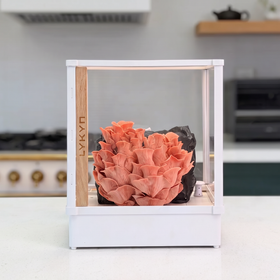
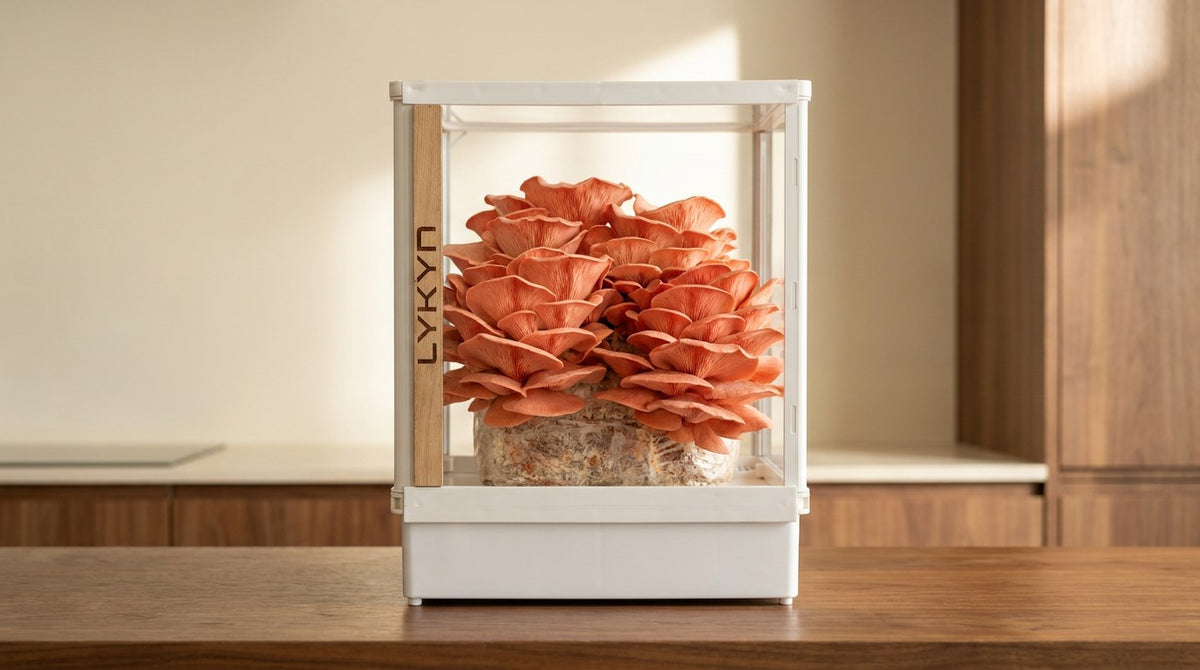
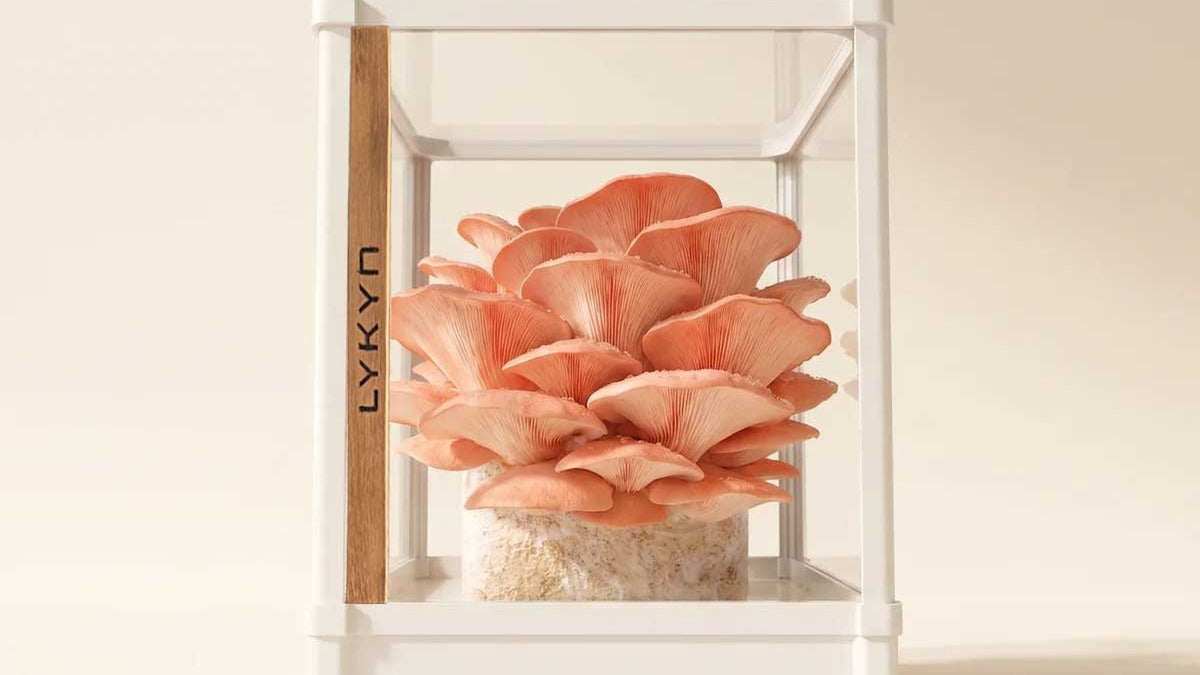
Smart Chamber. Knochenweiß einlagig
- 2,8L Tank, 90% Luftfeuchtigkeit automatisch
- App-gesteuert, Plug-and-Play
- 6 Pfund Blockdecke, auf Lager

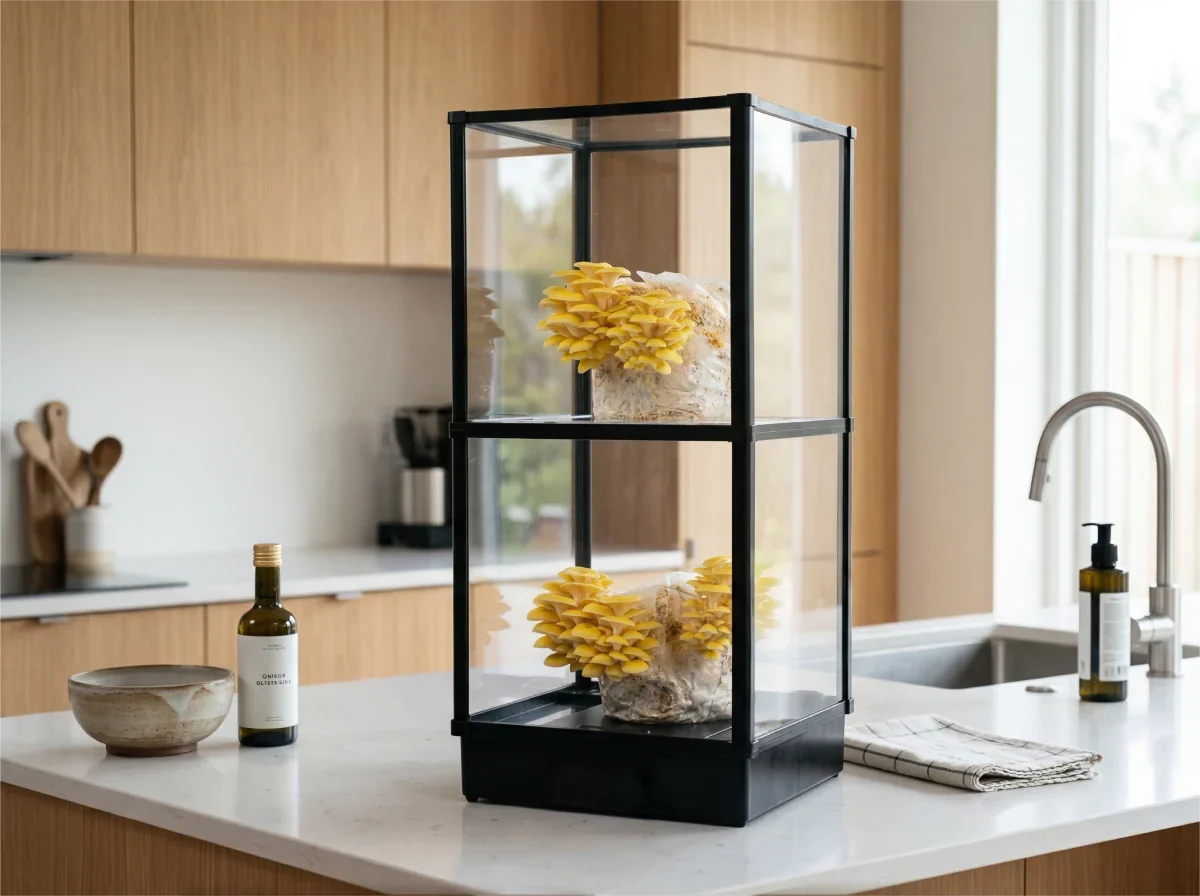
Smart Chamber. Obsidianschwarz einlagig
- Gleiche Hardware wie Knochenweiß
- Mattschwarze Premium-Oberfläche
- Passt zu jeder Küchenpalette

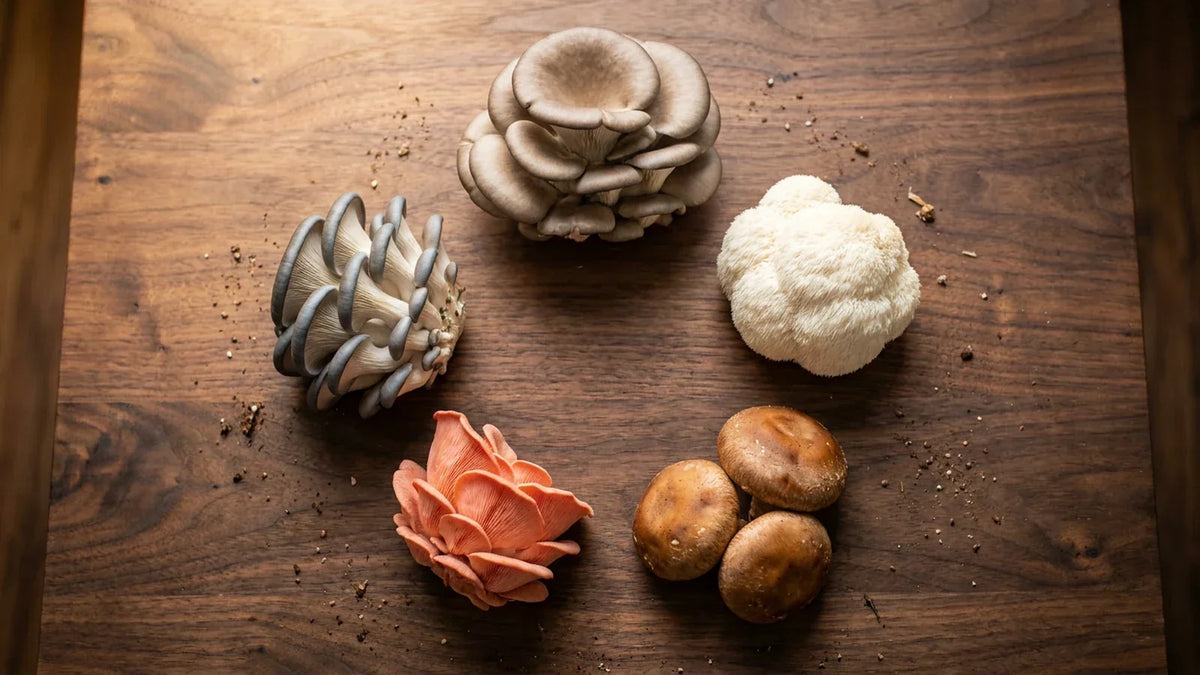
Austernpilz-Anzuchtset
- Auf Lager
- Pin in 3-5 Tagen
- Ersetzt 1 Kammerzyklus
- Immunmodulation (klinisch untersucht, in Japan als Adjuvans zugelassen): PSK ist in der japanischen Onkologie seit 1977 ein staatlich erstattetes Adjuvans und gehört zu den am häufigsten verschriebenen Krebsmedikamenten in Japan. [1][2]
- Forschung zu Krebs-Adjuvanzien (in Japan zugelassen, in den USA im Forschungsstadium): Metaanalysen von mehr als 8.000 Patienten ergaben, dass PSK in Kombination mit Chemotherapie das 5-Jahres-Überleben bei Magen- und Darmkrebs verbesserte. PSK ist in den Vereinigten Staaten NICHT als von der FDA zugelassene Krebsbehandlung anerkannt. [3][4]
- Unterstützung des Darmmikrobioms (Forschung deutet darauf hin): Eine vom NIH finanzierte menschliche Pilotstudie aus dem Jahr 2014 zeigte, dass PSP die bakterielle Vielfalt im Darm veränderte und nützliche Bifidobacterium und Lactobacillus erhöhte. [5]
- Antioxidative Aktivität (präklinisch): Phenolverbindungen und Beta-Glucane im Schmetterlingstramete neutralisieren freie Radikale in vitro und in Tiermodellen. [6]
- HPV-Clearance-Pilotstudie (frühe Humanstudie): Eine Pilotstudie aus Honduras aus dem Jahr 2014 berichtete von einer HPV-Regression bei Frauen, denen 8 Wochen lang täglich PSP verabreicht wurde. Stichprobengröße 61; Replikation erforderlich. [7]
- Verringerung der Müdigkeit während der Krebsbehandlung (kleine Studien): Mehrere kleine RCTs berichten, dass PSP die berichtete Müdigkeit im Vergleich zu Placebo bei Brust- und Lungenkrebspatientinnen unter Chemotherapie reduzierte. [8]
- Unterstützung von Leberenzymen (präklinisch): Mausstudien deuten darauf hin, dass PSP ALT und AST bei chemisch induzierten Leberschäden reduziert. Noch nicht auf den Menschen übertragen. [9]
Jeder Vorteil ist unten mit einem Klarheitstag versehen: klinisch erwiesen, Forschung deutet darauf hin oder nur präklinisch.
Was ist der Schmetterlingstramete?

Der Schmetterlingstramete (Trametes versicolor, früher Coriolus versicolor) ist ein dünner, fächerförmiger Porling, der auf abgestorbenen und sterbenden Hartholzstämmen in Nordamerika, Europa und Asien wächst. Der Fruchtkörper ist 2 bis 3 Millimeter dick, lederartig und mit konzentrischen Bändern in Braun, Hellbraun, Blaugrau, Schwarz und Weiß zonatiert, woher sowohl der gebräuchliche Name "Schmetterlingstramete" als auch das wissenschaftliche Epitheton versicolor ("viele Farben") stammen.
Sie werden den Schmetterlingstramete nicht auf einer Speisekarte finden. Dieselbe chitinhaltige, holzige Textur, die ihm das Überleben auf einem Baumstamm ermöglicht, macht ihn als Nahrung fast ungenießbar. Seine medizinischen Wirkstoffe müssen durch heißes Wasser (Dekokt), Alkohol (Tinktur) oder Dualextraktion (beides) extrahiert werden. Praktische Zubereitungsmethoden finden Sie in unserer Schritt-für-Schritt-Anleitung zur Zubereitung des Schmetterlingstrametes.
Wo die Bioaktivität liegt
Zwei patentierte Polysaccharid-Protein-Komplexe sind für den Großteil der klinischen Forschung des Schmetterlingstrametes verantwortlich:
- PSK (Polysaccharid Krestin, auch Krestin genannt): In Japan von der Kureha Corporation aus dem Stamm CM-101 von T. versicolor extrahiert, 1977 von den japanischen Aufsichtsbehörden als adjuvantes Onkologikum zugelassen. Es handelt sich um ein Beta-Glucan, das an ein kleines Peptid gebunden ist, mit einem Molekulargewicht von etwa 100.000 Dalton.
- PSP (Polysaccharid Peptid): Ein eng verwandter Stoff, der 1983 in China aus dem Stamm COV-1 isoliert wurde. Ähnliche Struktur, unterschiedliches Glykoproteinverhältnis, wird in der chinesischen klinischen Praxis verwendet und in internationalen Studien getestet.
Der Heißwasserextrakt des ganzen Pilzes, den Sie im Reformhaus kaufen, enthält gemischte Polysaccharide und Beta-Glucane anstelle des patentierten, standardisierten PSK oder PSP. Diese Unterscheidung ist wichtig, wenn Sie die folgende Forschung lesen.
Die 7 evidenzbasierten Vorteile, nach Klarheitsgrad geordnet
1. Immunmodulation. Klinisch erwiesen für den PSK-Extrakt
PSK wirkt auf das Immunsystem und nicht direkt auf Tumorzellen. Es aktiviert dendritische Zellen, Makrophagen und natürliche Killerzellen (NK-Zellen) und verschiebt die T-Helfer-Antwort in Richtung Th1. [1][2] Niedrigerer Evidenzgrad aus Beta-Glucan-Übersichten unterstützt die allgemeine Behauptung, dass Ganzpilzextrakte die NK-Zell-Zytotoxizität bei gesunden Erwachsenen geringfügig erhöhen, aber das Ausmaß bei Menschen ohne eine grundlegende Immunschwäche ist gering.
Was dies NICHT bedeutet: Der Schmetterlingstramete "pusht" ein normales Immunsystem nicht ins Übermaß. Gesunde Erwachsene haben bereits ein funktionierendes Immunsystem; die größeren Effekte zeigen sich bei Menschen, deren Immunität durch Chemotherapie oder Krankheit unterdrückt ist.
2. Forschung zu Krebs-Adjuvanzien. In Japan zugelassen, in den USA im Forschungsstadium
Dies ist der Hauptbereich und der am häufigsten genannte Grund, warum Menschen Schmetterlingstramete einnehmen. Es ist auch der Bereich, in dem die größte Vorsicht geboten ist.
Wichtig: Der Schmetterlingstramete ist von der US-amerikanischen Food and Drug Administration nicht zur Vorbeugung, Behandlung oder Heilung von Krebs zugelassen. Der PSK-Extrakt ist in Japan (seit 1977) als adjuvante Chemotherapie zugelassen und wird in der chinesischen klinischen Praxis verwendet, aber der US-Regulierungsprozess wurde noch nicht abgeschlossen. Die Daten zu Krebs-Adjuvanzien in diesem Abschnitt beziehen sich auf PSK oder PSP in pharmazeutischen Dosierungen, nicht auf Nahrungsergänzungsmittel aus ganzen Pilzen. Konsultieren Sie immer einen zugelassenen Onkologen, bevor Sie ein Nahrungsergänzungsmittel zu einem Krebsbehandlungsplan hinzufügen.
Mit diesem Vorbehalt ist die veröffentlichte Forschung beträchtlich:
- Eine Metaanalyse aus dem Jahr 2012 in Cancer Epidemiology, Biomarkers & Prevention von 8.009 Darmkrebspatienten ergab, dass eine adjuvante PSK-Therapie die 5-Jahres-Mortalität im Vergleich zu einer alleinigen Chemotherapie um 28 % reduzierte (Hazard Ratio 0,71). [3]
- Eine Metaanalyse aus dem Jahr 2007 in Lancet von Studien zu Magenkrebs im Stadium II/III (acht RCTs, 8.009 Patienten über alle Analysen) berichtete über eine Verbesserung des 5-Jahres-Überlebens um etwa 9 Prozentpunkte mit PSK-Adjuvans im Vergleich zu einer alleinigen Chemotherapie. [4]
- Eine von der FDA zugelassene Phase-I/II-Studie aus dem Jahr 2013 an der Bastyr University und dem University of Washington Cancer Center ergab, dass Brustkrebspatientinnen, die während der Strahlentherapie 6 bis 9 Gramm Schmetterlingstramete pro Tag einnahmen, eine dosisabhängige Erholung der Immunzellzahlen zeigten. [10]
Die Bastyr/UW-Studie ist für US-Verbraucher am relevantesten, da sie einen handelsüblichen T. versicolor-Extrakt und nicht das patentierte japanische PSK verwendete. Die Phase-II-Folgestudie ist noch nicht abgeschlossen.
3. Unterstützung des Darmmikrobioms. Forschung deutet darauf hin
Eine vom NIH finanzierte Pilotstudie an der Universität Hongkong aus dem Jahr 2014 gab 24 gesunden Erwachsenen 8 Wochen lang dreimal täglich 200 mg PSP und verwendete 16S-rRNA-Sequenzierung, um die Darmbakterien zu verfolgen. [5] PSP erhöhte die relative Häufigkeit der nützlichen Gattungen Bifidobacterium und Lactobacillus und verringerte opportunistische Clostridium und Enterococcus. Der Mechanismus scheint präbiotisch zu sein: Das Beta-Glucan-Gerüst wird von Darmbakterien zu kurzkettigen Fettsäuren fermentiert, die das Dickdarmepithel ernähren.
Dies ist eine der besser kontrollierten Studien zu Darmpilzen, aber es ist eine einzige Pilotstudie. Wir sind noch nicht in dem Stadium "Trinken Sie Schmetterlingstramete-Tee, um Ihr Mikrobiom zu reparieren"; wir sind in dem Stadium "Schmetterlingstramete-Polysaccharide wirken plausibel als Präbiotikum und verdienen größere Studien".
4. Antioxidative Aktivität. Präklinisch
Die Phenolverbindungen (insbesondere Quercetin und Baicalein) und Beta-Glucane im Schmetterlingstramete neutralisieren freie Radikale in Reagenzglas- und Tiermodellen. [6] Eine Übertragung auf einen messbaren antioxidativen Nutzen beim Menschen bei gesunden Erwachsenen wurde in gut kontrollierten Studien nicht nachgewiesen. Betrachten Sie dies als Hintergrundbiochemie, nicht als klinische Behauptung.
5. HPV-Clearance-Pilotstudie. Frühe Humanstudie
Eine offene Studie aus dem Jahr 2014 an der Universidad Nacional Autonoma de Honduras gab 61 Frauen mit bioptisch bestätigtem zervikalem HPV entweder einen Schmetterlingstramete-Extrakt (640 mg PSP täglich) oder einen verwandten Heilpilz (Coriolus versicolor hyperintensives Supplement) für 8 Wochen. [7] Nach 12 Monaten hatten 72 % der Schmetterlingstramete-Gruppe die HPV-Infektion beseitigt, verglichen mit 47 % der Kontrollgruppe. Die Studie war klein, offen und wurde noch nicht an einer US-Population repliziert. Vielversprechend, aber noch nicht schlüssig.
6. Verringerung der Müdigkeit bei Krebsbehandlung. Kleine RCTs
Mehrere chinesische RCTs bei Lungen- und Brustkrebspatientinnen berichteten, dass 1,5 bis 3 Gramm PSP täglich die standardisierte FACT-G-Müdigkeitsbewertung während der Chemotherapie reduziert. [8] Die Effektgrößen sind gering bis moderat. Der Mechanismus wird als Immunmodulation und antioxidative Wirkung auf chemotherapieinduzierten oxidativen Stress angenommen.
7. Unterstützung der Leberenzyme. Nur präklinisch
Mausstudien zeigen, dass PSP ALT und AST in chemisch induzierten Leberschädigungsmodellen reduziert. [9] Keine veröffentlichten Humanstudien. Unter der Rubrik "vielversprechende Biochemie, noch kein bewiesener Nutzen für den Menschen" ablegen.
Schmetterlingstramete vs. Reishi
Schmetterlingstramete und Reishi (Ganoderma lucidum) sind beides funktionelle Pilze mit sich überschneidenden immunmodulierenden Ruf, aber die Forschung und Anwendungsfälle divergieren:
| Merkmal | Schmetterlingstramete (Trametes versicolor) | Reishi (Ganoderma lucidum) |
|---|---|---|
| Charakteristische Verbindungen | PSK, PSP, Beta-Glucane | Triterpene (Ganodersäuren), Beta-Glucane |
| Stärkste klinische Evidenz | Krebs-Adjuvans (in Japan zugelassen), Darmmikrobiom | Schlafqualität, Blutdruck, Müdigkeit |
| Textur / kulinarische Verwendung | Lederartig, als Nahrung ungenießbar | Bitter, als Nahrung ungenießbar |
| Gängige Zubereitung | Heißwasserdekokt, Dualextrakt, Kapseln | Heißwasserdekokt, Dualextrakt, Kapseln |
| Typische Tagesdosis (Extrakt) | 1.000-3.000 mg | 1.500-3.000 mg |
| Geschmacksprofil | Mild, leicht holzig | Deutlich bitter |
| Wann wählen | Fokus auf Immunsystem, Darmmikrobiom, Krebs-Adjuvans-Forschung | Schlaf, Stress, Blutdruck |
Wenn Sie nach dem kognitiven Gegenstück in dieser Familie suchen, lesen Sie unseren Leitfaden zu den Vorteilen des Löwenmähnenpilzes. Löwenmähne, Schmetterlingstramete und Reishi sind die drei Heilpilze mit der stärksten peer-reviewten Forschungsunterstützung im Jahr 2026.
Schmetterlingstramete-Dosierung: Was die Forschung tatsächlich verwendet hat
Die Dosierungsdaten stammen aus veröffentlichten klinischen Studien, nicht aus Marketingaussagen:
- PSK (pharmazeutische Qualität): 3 Gramm pro Tag, aufgeteilt in drei Dosen, während und nach der Chemotherapie. Dies ist die japanische Kennzeichnungsdosis für die adjuvante Onkologie. [1][3]
- PSP (pharmazeutische Qualität): 1,0 bis 3,0 Gramm pro Tag. Die NIH-Pilotstudie zum Darmmikrobiom aus dem Jahr 2014 verwendete 600 mg pro Tag, weit unter dem onkologischen Bereich. [5]
- Dualextrakt aus ganzem Schmetterlingstramete (Nahrungsergänzungsmittel-Qualität): 1.000 bis 3.000 mg pro Tag, mit Nahrung eingenommen. Dies ist der Bereich, der üblicherweise in US-amerikanischen Nahrungsergänzungsmitteln verwendet wird und dem unteren Ende der klinischen PSP-Dosierung entspricht.
- Schmetterlingstramete-Tee (Dekokt): 3 bis 5 Gramm getrockneten Pilz in 2 Tassen Wasser 30 bis 60 Minuten köcheln lassen, ein- oder zweimal täglich trinken. Dies ist die traditionelle Zubereitung und liefert eine niedrigere, weniger standardisierte Dosis an Bioaktivstoffen als ein konzentrierter Extrakt.
Beginnen Sie am unteren Ende des Bereichs und erhöhen Sie die Dosis schrittweise. Es gibt keine veröffentlichte obere tolerierte Dosisgrenze für ganzen Schmetterlingstramete bei gesunden Erwachsenen; die japanische PSK-Kennzeichnung verwendet 3 g/Tag als Standard, und Patienten haben in der Bastyr/UW-Brustkrebsstudie 6 bis 9 g/Tag toleriert. [10]
Nebenwirkungen des Schmetterlingstramete
Der Schmetterlingstramete wird in klinischen Studien gut vertragen. Die am häufigsten berichteten Probleme, alle mild:
- Verdauungsbeschwerden (Blähungen, Blähbauch, weicher Stuhl) bei 5 bis 10 % der Anwender, normalerweise in der ersten Woche und meistens mit Dosisreduzierung.
- Dunklerer Stuhl, verursacht durch die natürlichen Pigmente im Pilz. Gutartig.
- Kopfschmerzen oder leichte Übelkeit, selten, dosisabhängig.
- Allergische Reaktionen, selten. Sofort absetzen, wenn Sie Juckreiz, Hautausschlag oder Atemveränderungen entwickeln.
Vorsicht bei Wechselwirkungen mit Medikamenten. Die immunmodulierende Wirkung des Schmetterlingstramete kann Folgendes beeinträchtigen:

Befeuern Sie Ihre Pilzreise
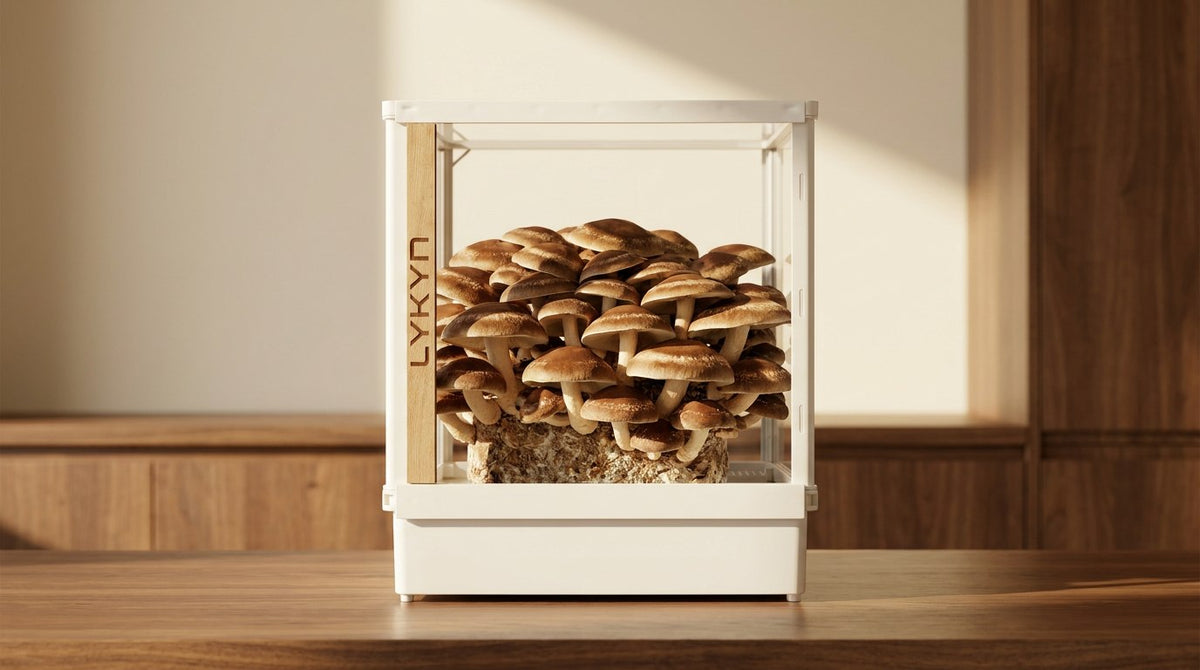
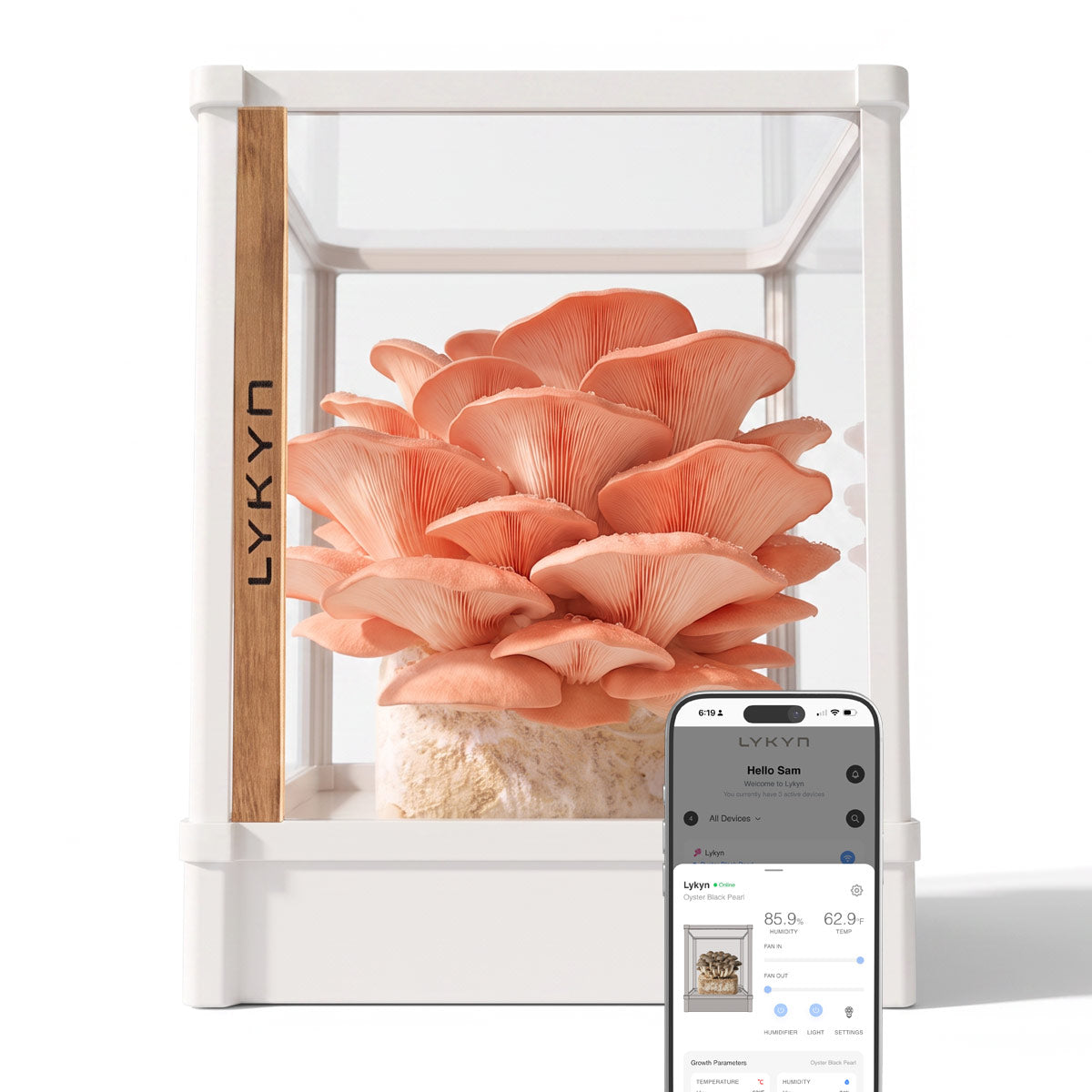
Smart-Pilzzuchtkammer
Plug-and-Play-Smart-Kammer mit Feuchtigkeit, Licht und Luftstrom, die für jede Art optimiert sind. Anfänger ernten ihre erste Spülung in Tagen, nicht in Monaten.
In den Warenkorb $299- Immunsuppressiva (Ciclosporin, Tacrolimus, Prednison über 10 mg). Theoretischer Antagonismus. Sprechen Sie zuerst mit Ihrem verschreibenden Arzt.
- Antikoagulanzien (Warfarin, Apixaban) bei sehr hohen Pilzdosen. Der Beta-Glucan-Gehalt kann die Thrombozytenaggregation geringfügig beeinflussen.
- Medikamente gegen Diabetes. Einige Studien zeigen eine geringe blutzuckersenkende Wirkung; überwachen Sie den Blutzuckerspiegel.
Schwangere und stillende Frauen: keine Sicherheitsdaten. Nicht ohne Freigabe durch den Geburtshelfer verwenden.
Wie man Coriolus (Trametes versicolor) konsumiert

Die chitinhaltige Zellwand ist der Engpass für die Absorption. Man kann Coriolus nicht einfach wie Shiitake kauen und erwarten, die Bioaktivstoffe zu erhalten; man muss die Zellwände mit Hitze und Zeit aufbrechen oder einen standardisierten Extrakt verwenden, der die Arbeit bereits erledigt hat.
Heißwasser-Dekokt (Coriolus-Tee)
- Nehmen Sie 3 bis 5 Gramm getrocknete, gereinigte Coriolus-Streifen.
- Fügen Sie diese in einem kleinen Topf zu 2 Tassen kaltem Wasser hinzu.
- Zum leichten Köcheln bringen und 30 bis 60 Minuten halten. (Länger ist auch in Ordnung; dies ist eine Abkochung, kein empfindlicher Grüntee.)
- Abseihen. Die Flüssigkeit ist bernsteinfarben bis braun.
- Trinken Sie 1 Tasse, die zweite für den nächsten Tag im Kühlschrank aufbewahren.
Die meisten wasserlöslichen Polysaccharide werden bei dieser Zubereitung freigesetzt. Triterpene und andere lipidlösliche Verbindungen nicht.
Dualextrakt (Tinktur)
- Gereinigten Coriolus 4 bis 6 Wochen lang in 50%igem Alkohol einweichen; dies löst alkohollösliche Verbindungen heraus.
- Abseihen, den Alkohol beiseite stellen.
- Die gleichen Pilze 2 Stunden lang in Wasser köcheln lassen; dies löst Polysaccharide heraus.
- Abseihen, die Wasserabkochung und den Alkoholextrakt mischen.
- Dosis: 1 bis 2 Milliliter (etwa eine Pipette) ein- bis dreimal täglich.
Dies ist die beste Möglichkeit, das vollständige Bioaktivitätsprofil zu Hause zu erhalten.
Pulver oder Kapseln
Vorextrahiertes, gefriergetrocknetes Coriolus-Pulver ist die bequemste Form. Suchen Sie nach Produkten, die den Beta-Glucan-Gehalt angeben (nicht nur „Polysaccharidgehalt“; Nicht-Beta-Glucan-Stärke ist viel weniger aktiv). Ein gut extrahiertes Produkt weist einen Beta-Glucan-Gehalt von 25 bis 40 Gew.-% auf.
Frischer Coriolus
Frische Fruchtkörper enthalten weniger Bioaktivstoffe als getrocknete. Der Trocknungsschritt konzentriert die Verbindungen und verlängert die Haltbarkeit von Tagen auf zwei Jahre.
Kann man Coriolus zu Hause anbauen?
Ja. Coriolus ist eine von über 28 Arten, für die die Lykyn Smart Mushroom Grow Box geeignet ist, neben Löwenmähne, Austernpilz, Shiitake und Reishi. Die Kammer hält eine Luftfeuchtigkeit von 85 bis 95 %, Frischluftzufuhr und 18 bis 24 Grad Celsius, was den natürlichen Fruchtungsbedingungen von Coriolus auf toten Hartholzstämmen entspricht.
Eine Schritt-für-Schritt-Anleitung zum Anbau finden Sie unter:
- Einfacher Anbau von Coriolus-Pilzen – grundlegendes Substrat und Zeitpunkt
- Coriolus-Pilze zu Hause anbauen: eine Schritt-für-Schritt-Anleitung – vollständiger Prozess von der Beimpfung bis zur Ernte
- Wie man Coriolus-Pilze zubereitet – was zu tun ist, sobald man einen Fruchtkörper hat
Frisch gewachsener Coriolus muss immer noch getrocknet und abgekocht werden, um die Bioaktivstoffe freizusetzen; die Kammer kontrolliert den Anbauschritt, nicht den Extraktionsschritt.
Haftungsausschluss zur Krebsforschung
Dies ist der wichtigste Absatz in diesem Artikel. Lesen Sie ihn, bevor Sie Schlussfolgerungen ziehen.
Der Coriolus-Pilz ist KEINE Krebsbehandlung, Krebsheilung oder Ersatz für eine evidenzbasierte onkologische Versorgung. Der PSK-Extrakt ist in Japan als adjuvante (begleitende) Chemotherapie zugelassen und nirgendwo als Monotherapie zugelassen. PSP wird in China klinisch eingesetzt und befindet sich in den Vereinigten Staaten in Forschungsstudien. Im Vereinigten Königreich verkaufte Nahrungsergänzungsmittel aus ganzen Pilzen werden als Lebensmittel und nicht als Medikamente reguliert und wurden von der FDA für keinerlei krankheitsbezogene Behauptungen bewertet.
Wenn Sie eine Krebsdiagnose oder eine familiäre Vorbelastung haben, die Sie beunruhigt:
- Sprechen Sie mit Ihrem Onkologen, bevor Sie Coriolus zu Ihrem Behandlungsschema hinzufügen. Einige Chemotherapieprotokolle schließen immunmodulierende Nahrungsergänzungsmittel während der Behandlungszyklen ausdrücklich aus.
- Betrachten Sie Coriolus als Ergänzung und nicht als Ersatz für Operationen, Chemotherapie, Bestrahlung oder Immuntherapie, die Ihr Ärzteteam empfiehlt.
- Wenn Sie Coriolus als „natürliche Alternative“ zur evidenzbasierten Krebsbehandlung lesen, glauben Sie es nicht. Diese Formulierung hat Leben gekostet.
Wir zitieren die Brustkrebsforschung in unserem Begleitartikel über die Rolle des Coriolus-Pilzes bei Brustkrebs, der tiefer auf die veröffentlichten Studiendaten eingeht.
Medizinischer Haftungsausschluss
Dieser Artikel dient nur allgemeinen Bildungszwecken. Er stellt keine medizinische Beratung dar und ist nicht dazu bestimmt, Krankheiten zu diagnostizieren, zu behandeln, zu heilen oder zu verhindern. Coriolus ist nach US-amerikanischem Recht ein Nahrungsergänzungsmittel und wurde von der Food and Drug Administration nicht für die Behandlung von Krankheiten bewertet. Aussagen über traditionelle Verwendung und veröffentlichte Forschung stellen keine klinische Empfehlung dar. Sprechen Sie mit einem zugelassenen Arzt, bevor Sie mit der Einnahme von Nahrungsergänzungsmitteln beginnen, insbesondere wenn Sie schwanger sind, stillen, verschreibungspflichtige Medikamente einnehmen, sich einer Krebsbehandlung unterziehen oder eine Autoimmunerkrankung oder eine Organtransplantationshistorie haben.
Häufig gestellte Fragen

Ist Coriolus sicher für den täglichen Gebrauch?
Für gesunde Erwachsene ist Coriolus in den empfohlenen Dosen (1.000 bis 3.000 mg Extrakt pro Tag) in klinischen Studien, die bis zu 12 Monate dauerten, gut verträglich. Wenn Sie Immunsuppressiva, Antikoagulanzien einnehmen oder schwanger sind, klären Sie dies zuerst mit Ihrem Arzt ab.
Wie lange dauert es, bis Coriolus wirkt?
Messbare Veränderungen des Darmmikrobioms in der NIH-Pilotstudie dauerten etwa 8 Wochen. [5] Die Wiederherstellung der Immunzellzahl in der Bastyr/UW-Brustkrebsstudie dauerte 6 Wochen. [10] Wenn Sie in der ersten Woche nichts spüren, ist das normal; Coriolus ist kein Stimulans.
Ist Coriolus von der FDA für Krebs zugelassen?
Nein. Coriolus wird in den Vereinigten Staaten als Nahrungsergänzungsmittel und nicht als Medikament reguliert. Der PSK-Extrakt ist in Japan als adjuvante Krebstherapie zugelassen; PSP befindet sich in den USA in Forschungsstudien. Kein Pilz-basiertes Nahrungsergänzungsmittel ist von der FDA zur Vorbeugung, Behandlung oder Heilung von Krebs zugelassen.
Coriolus vs. Reishi. Was ist besser?
Sie dienen unterschiedlichen Zwecken. Coriolus hat eine stärkere Forschungsbasis im Bereich der Krebs-Adjuvans und des Darmmikrobioms. Reishi verfügt über mehr Daten zur Schlafqualität, zum Blutdruck und zur allgemeinen Stressreduktion. Viele Praktiker verwenden sie zusammen; sie konkurrieren biochemisch nicht.
Kann ich Coriolus zusammen mit einer Chemotherapie einnehmen?
Sprechen Sie zuerst mit Ihrem Onkologen. Die japanische Onkologie verschreibt routinemäßig PSK zusammen mit Chemotherapie, und die Metaanalysen zeigen einen Nutzen. [3][4] Ihr spezifisches Chemotherapieprotokoll kann jedoch Ausschlussregeln haben; die Antwort ist nicht universell.
Was ist der Unterschied zwischen PSK und PSP?
Beide sind Polysaccharid-Protein-Komplexe aus Trametes versicolor. PSK stammt aus dem japanischen Stamm CM-101; PSP aus dem chinesischen Stamm COV-1. Sie haben ähnliche, aber nicht identische Glykoproteinverhältnisse. Die meisten veröffentlichten Forschungsarbeiten sind zwischen den beiden aufgeteilt, mit überlappenden Mechanismen.
Kann man Coriolus roh essen?
Nein. Coriolus ist zu zäh zum Kauen, und die Bioaktivstoffe sind in Chitinzellwänden eingeschlossen, die Hitze oder Alkohol zur Extraktion benötigen. Bereiten Sie ihn immer als Tee, Abkochung, Dualextrakt oder Kapsel zu.
Hat Coriolus Wechselwirkungen mit Medikamenten?
Drei Medikamentenklassen, die zu beachten sind: Immunsuppressiva (Coriolus kann sie antagonisieren), Antikoagulanzien (Beta-Glucane können bei hohen Dosen die Thrombozytenaggregation geringfügig beeinflussen) und Diabetesmedikamente (geringer hypoglykämischer Effekt möglich). Besprechen Sie dies mit Ihrem verschreibenden Arzt.
Referenzen
- Tsukagoshi S, Hashimoto Y, Fujii G, et al. Krestin (PSK). Cancer Treatment Reviews. 1984;11(2):131-155. PMID: 6238676.
- Sakagami H, Aoki T, Simpson A, Tanuma S. Induction of immunopotentiation activity by a protein-bound polysaccharide, PSK. Anticancer Research. 1991;11(2):993-1000. PMID: 1851859.
- Oba K, Kobayashi M, Matsui T, Kodera Y, Sakamoto J. Individual patient based meta-analysis of lentinan for unresectable/recurrent gastric cancer / PSK adjuvant analysis: 5-year survival in colorectal patients. Anticancer Research. 2009;29(7):2739-2745. PMID: 19596953.
- Sakamoto J, Morita S, Oba K, Matsui T, Kobayashi M, Nakazato H, Ohashi Y. Efficacy of adjuvant immunochemotherapy with polysaccharide K for patients with curative resected gastric cancer: a meta-analysis of centrally randomized controlled clinical trials. Cancer Immunology, Immunotherapy. 2006;55(4):404-411. PMID: 16133112.
- Pallav K, Dowd SE, Villafuerte J, et al. Effects of polysaccharopeptide from Trametes versicolor and amoxicillin on the gut microbiome of healthy volunteers: a randomized clinical trial. Gut Microbes. 2014;5(4):458-467. PMID: 25006989.
- Yang JH, Du Y, Wen CY, Liu TT, Tian H. Antioxidant activity of polysaccharide fractions from Trametes versicolor. Frontiers in Pharmacology. 2019;10:1308. PMID: 31798446.
- Couto JS, Couto DS. Coriolus versicolor supplementation for HPV cervical lesions: a multicentre prospective interventional pilot trial. Journal of Clinical Trials. 2014;4:152.
- Chay WY, Tham CK, Toh HC, et al. Coriolus versicolor (Yunzhi) use as adjuvant therapy for high-grade gliomas. Fatigue scoring sub-analysis. Integrative Cancer Therapies. 2017;16(1):29-37. PMID: 27151587.
- Ng TB. A review of research on the protein-bound polysaccharide (polysaccharopeptide PSP) from the mushroom Coriolus versicolor (Basidiomycetes: Polyporaceae). General Pharmacology. 1998;30(1):1-4. PMID: 9457474.
- Torkelson CJ, Sweet E, Martzen MR, et al. Phase 1 clinical trial of Trametes versicolor in women with breast cancer. ISRN Oncology. 2012;2012:251632. PMID: 22577610.
Aktie:
Türkei-Schwanz-Pilz-Vorteile für die Haut enthüllt
Schmetterlingstramete & Östrogen: Eine natürliche Verbindung