


Quick answer: Turkey tail mushroom (Trametes versicolor) is one of the most-studied medicinal mushrooms in the world. Its two signature compounds, PSK (Polysaccharide Krestin) and PSP (Polysaccharide Peptide), are approved as adjuvant cancer therapies in Japan and China and have been studied in more than 400 peer-reviewed clinical and preclinical papers since 1970. In the United States the same compounds are sold only as dietary supplements, not approved medicines. Below: the research-backed benefits, what is and is not proven, dosing data, side effects, and how turkey tail compares to reishi.

Turkey tail benefits at a glance
The seven research areas with the most evidence behind them, ranked from strongest to most preliminary:

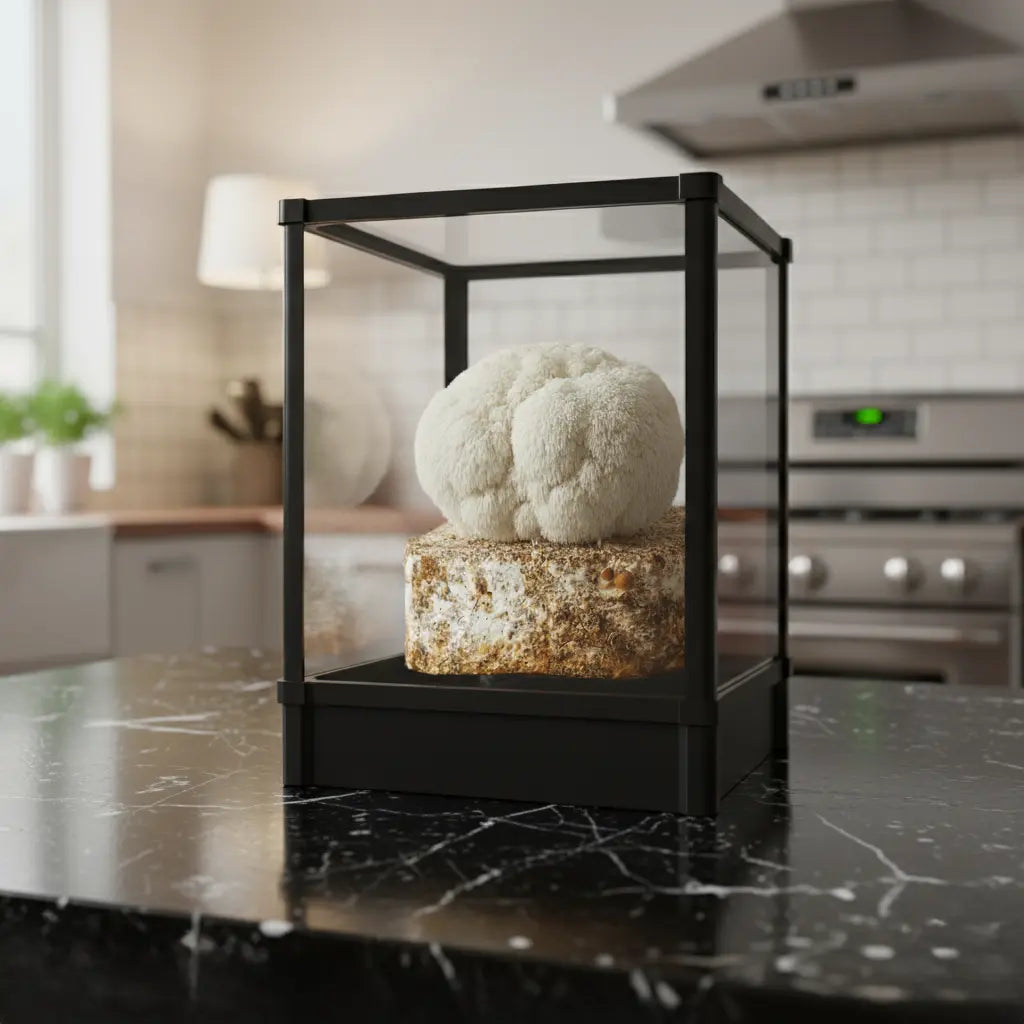
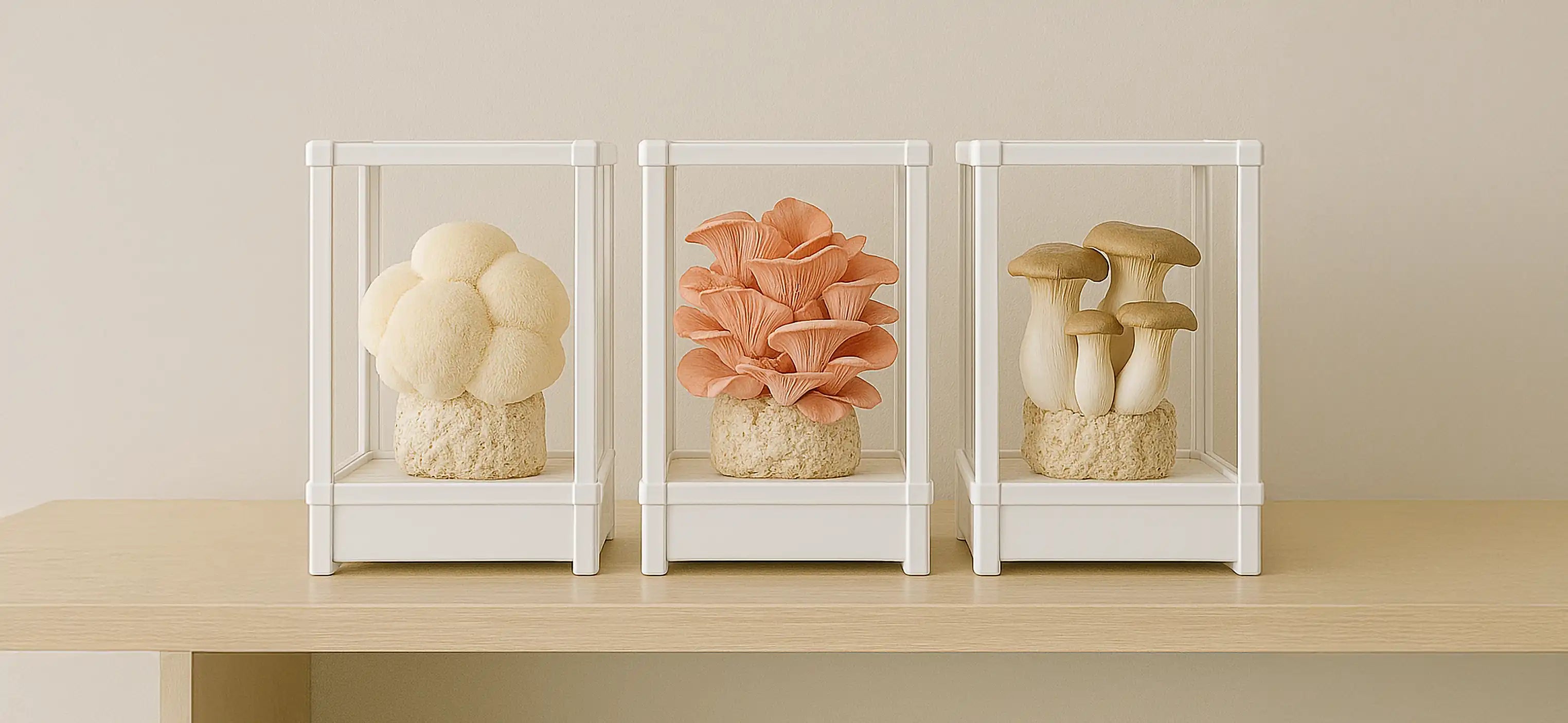
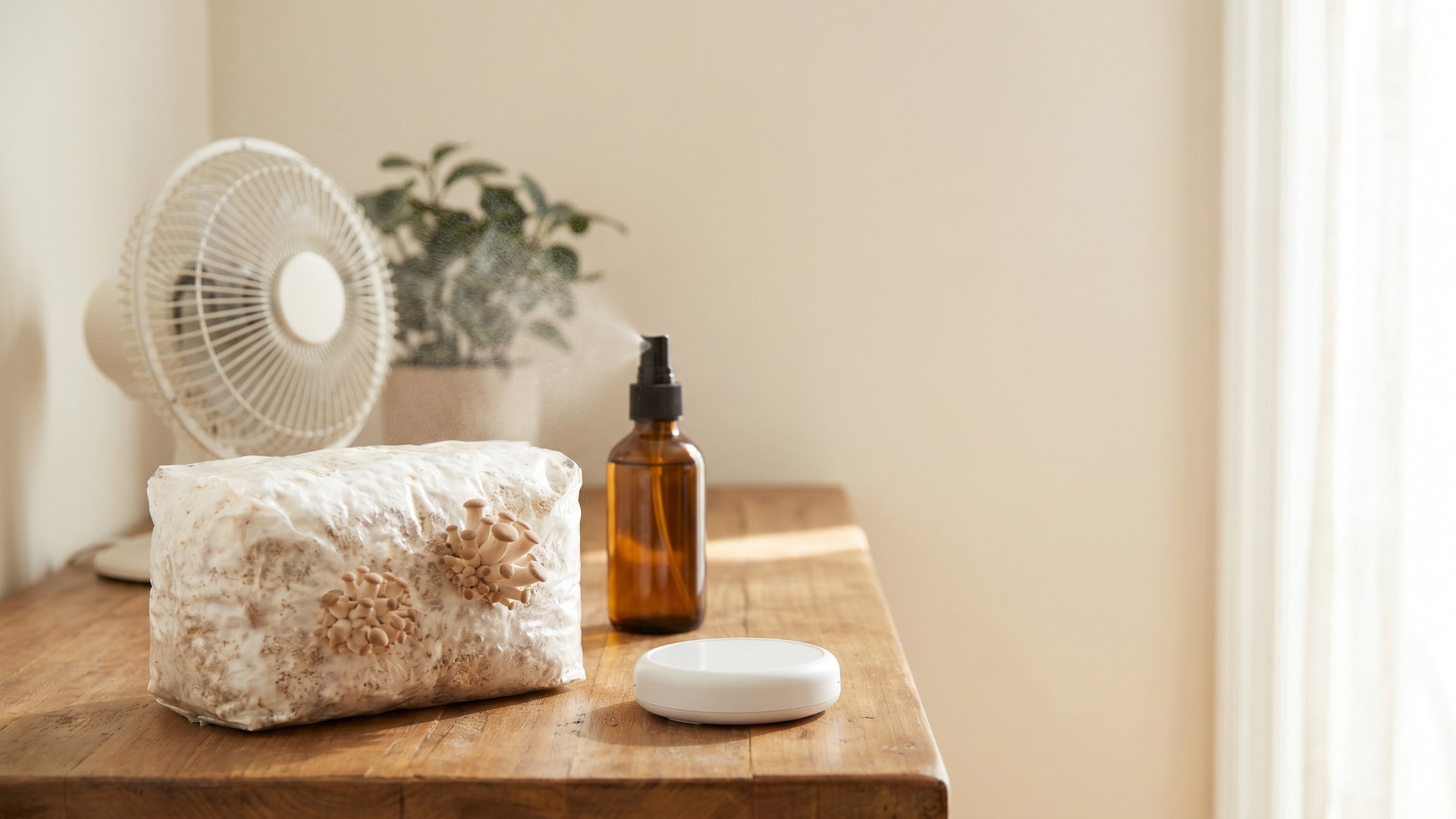
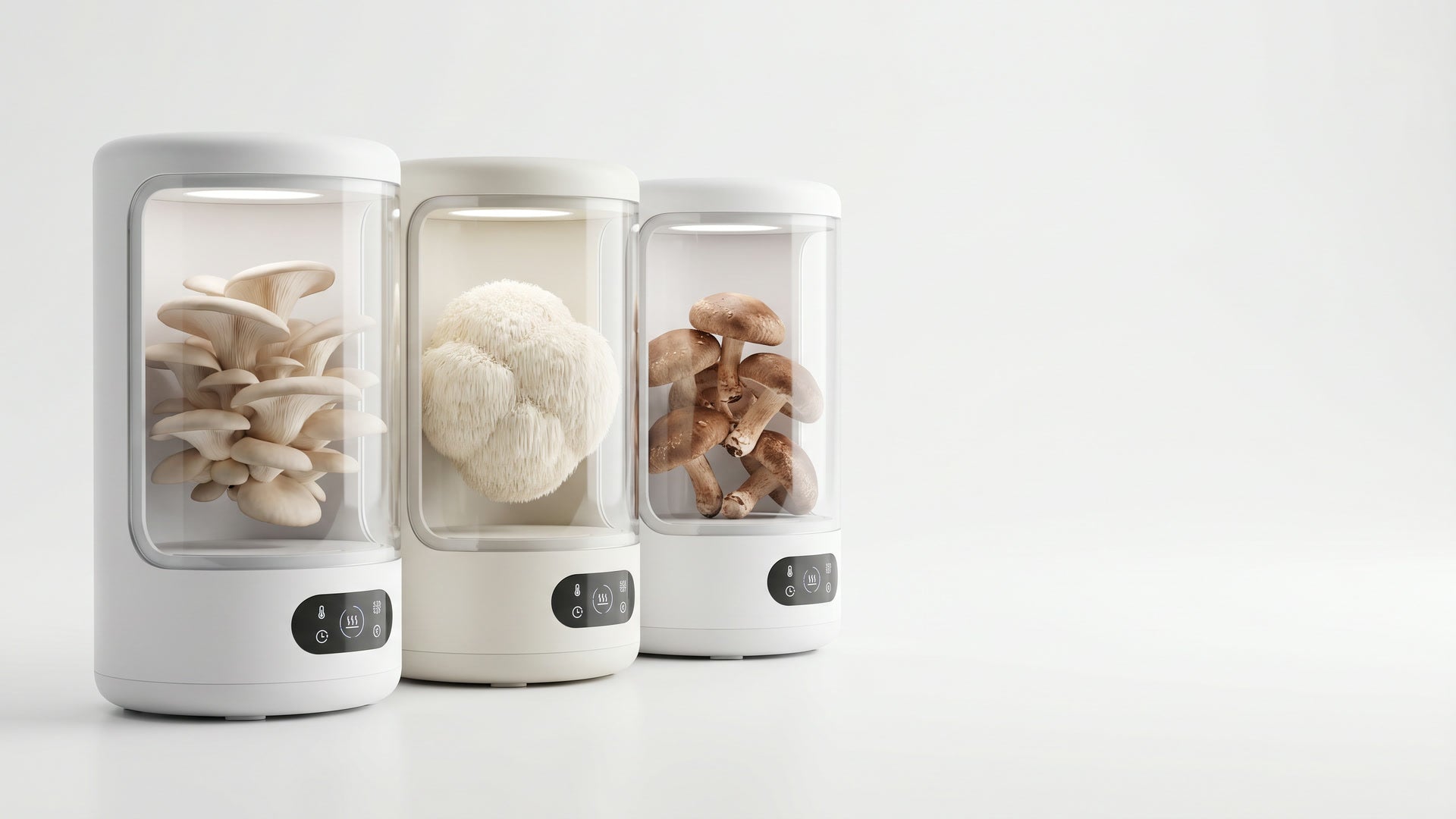
Smart Chamber. Bone White Single
- 2.8L tank, 90% humidity automatic
- App-controlled, plug-and-play
- 6 lb block ceiling, in stock

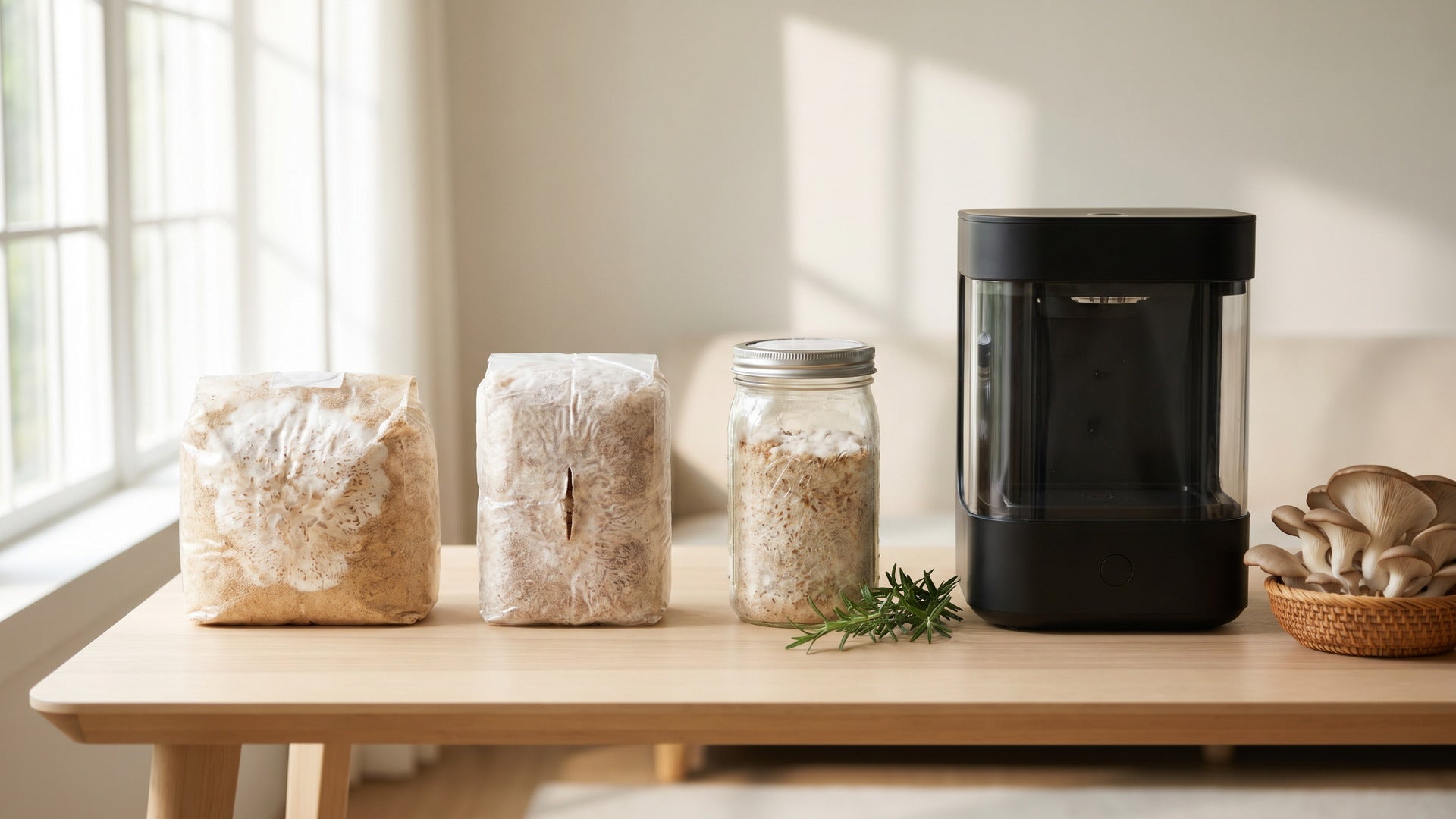
Smart Chamber. Obsidian Black Single
- Same hardware as Bone White
- Matte black premium finish
- Pairs with any kitchen palette

- Immune modulation (clinically studied, Japan-approved as adjuvant): PSK has been a state-reimbursed adjuvant in Japanese oncology since 1977 and is among the most prescribed anticancer agents in Japan. [1][2]
- Cancer-adjuvant research (Japan approved, US research stage): Meta-analyses of more than 8,000 patients found PSK alongside chemotherapy improved 5-year survival for gastric and colorectal cancers. PSK is NOT an FDA-approved cancer treatment in the United States. [3][4]
- Gut microbiome support (research suggests): A 2014 NIH-funded human pilot showed PSP shifted gut bacterial diversity, increasing beneficial Bifidobacterium and Lactobacillus. [5]
- Antioxidant activity (preclinical): Phenolic compounds and beta-glucans in turkey tail neutralize free radicals in vitro and in animal models. [6]
- HPV clearance pilot (early human research): A 2014 Honduras pilot reported HPV regression in women given PSP daily for 8 weeks. Sample size 61; replication needed. [7]
- Fatigue reduction during cancer treatment (small trials): Several small RCTs report PSP reduced reported fatigue versus placebo in breast and lung cancer patients on chemo. [8]
- Liver-enzyme support (preclinical): Mouse studies suggest PSP reduces ALT and AST in chemically induced liver injury. Not yet translated to humans. [9]
We mark each benefit below with a clarity tag: clinically proven, research suggests, or preclinical only.
What is turkey tail mushroom?

Turkey tail (Trametes versicolor, formerly Coriolus versicolor) is a thin, fan-shaped polypore that grows on dead and dying hardwood logs across North America, Europe, and Asia. The fruiting body is 2 to 3 millimeters thick, leathery, and zoned with concentric bands of brown, tan, blue-grey, black, and white, which is where both the common name "turkey tail" and the scientific epithet versicolor ("many colors") come from.
You will not find turkey tail on a restaurant menu. The same chitin-rich, woody texture that lets it survive on a log makes it nearly inedible as food. Its medicinal compounds have to be drawn out with hot water (decoction), alcohol (tincture), or dual extraction (both). For practical preparation methods see our step-by-step turkey tail preparation guide.
Where the bioactivity lives
Two patented polysaccharide-protein complexes account for most of turkey tail's clinical research:
- PSK (Polysaccharide Krestin, also called Krestin): Extracted from the CM-101 strain of T. versicolor in Japan by Kureha Corporation, approved by Japanese regulators in 1977 as an adjuvant oncology agent. It is a beta-glucan bound to a small peptide, with a molecular weight around 100,000 Daltons.
- PSP (Polysaccharide Peptide): A close relative isolated from the COV-1 strain in China in 1983. Similar structure, different glycoprotein ratio, used in Chinese clinical practice and tested in international trials.
The whole-mushroom hot-water extract you buy at a health-food store will contain mixed polysaccharides and beta-glucans rather than the patented, standardized PSK or PSP. That distinction matters when you read the research below.
The 7 evidence-backed benefits, by clarity grade
1. Immune modulation. Clinically proven for the PSK extract
PSK works on the immune system rather than directly on tumor cells. It activates dendritic cells, macrophages, and natural killer (NK) cells, and shifts T-helper response toward Th1. [1][2] Lower-tier evidence from beta-glucan reviews supports the general claim that whole-mushroom extracts modestly increase NK-cell cytotoxicity in healthy adults, but the magnitude in humans without a baseline immune deficit is small.
What this does NOT mean: turkey tail does not "boost" a normal immune system into overdrive. Healthy adults already have a working immune system; the bigger effect sizes show up in people whose immunity is depressed by chemotherapy or disease.
2. Cancer-adjuvant research. Approved in Japan, research-stage in the US
This is the headline area and the most-cited reason people take turkey tail. It is also the area where the most caution is required.
Important: turkey tail mushroom is not approved by the US Food and Drug Administration to prevent, treat, or cure any cancer. The PSK extract is approved as an adjuvant chemotherapy in Japan (since 1977) and is used in Chinese clinical practice, but the US regulatory pathway has not been completed. Cancer-adjuvant data in this section refers to PSK or PSP at pharmaceutical-grade dosages, not whole-mushroom dietary supplements. Always consult a licensed oncologist before adding any supplement to a cancer-treatment plan.
With that caveat, the published research is substantial:
- A 2012 Cancer Epidemiology, Biomarkers & Prevention meta-analysis of 8,009 colorectal cancer patients found PSK adjuvant therapy reduced 5-year mortality by 28% compared to chemotherapy alone (hazard ratio 0.71). [3]
- A 2007 Lancet meta-analysis of stage II/III gastric cancer trials (eight RCTs, 8,009 patients across analyses) reported a 5-year survival improvement of approximately 9 percentage points with PSK adjuvant compared to chemotherapy alone. [4]
- A 2013 FDA-cleared phase I/II trial at Bastyr University and the University of Washington Cancer Center found that breast cancer patients taking 6 to 9 grams of turkey tail per day during radiation therapy showed dose-dependent recovery of immune cell counts. [10]
The Bastyr/UW trial is the most directly relevant to US consumers because it used a commercially available T. versicolor extract rather than the patented Japanese PSK. The follow-up phase II is ongoing.
3. Gut microbiome support. Research suggests
A 2014 NIH-funded human pilot at the University of Hong Kong gave 24 healthy adults 200 mg of PSP three times daily for 8 weeks and used 16S rRNA sequencing to track gut bacteria. [5] PSP increased the relative abundance of beneficial genera Bifidobacterium and Lactobacillus and decreased opportunistic Clostridium and Enterococcus. The mechanism appears to be prebiotic: the beta-glucan backbone is fermented by gut bacteria into short-chain fatty acids that feed the colonic epithelium.
This is one of the better-controlled gut-mushroom studies but it is a single pilot. We are not yet at the "drink turkey tail tea to fix your microbiome" stage; we are at "turkey tail polysaccharides plausibly act as a prebiotic and warrant larger trials."
4. Antioxidant activity. Preclinical
The phenolic compounds (notably quercetin and baicalein) and beta-glucans in turkey tail neutralize free radicals in test-tube and animal models. [6] Translation to measurable human antioxidant benefit in healthy adults has not been demonstrated in well-controlled trials. Treat this as background biochemistry, not a clinical claim.
5. HPV clearance pilot. Early human research
A 2014 open-label trial at Universidad Nacional Autonoma de Honduras gave 61 women with biopsy-confirmed cervical HPV either a turkey tail extract (640 mg PSP daily) or a related medicinal mushroom (Coriolus versicolor hyperintensive supplement) for 8 weeks. [7] At 12 months, 72% of the turkey tail group cleared the HPV infection versus 47% of controls. The study was small, open-label, and has not yet been replicated in a US population. Promising but not yet conclusive.
6. Cancer-treatment fatigue reduction. Small RCTs
Several Chinese RCTs in lung and breast cancer patients have reported that 1.5 to 3 grams of PSP daily reduces the standardized FACT-G fatigue score during chemotherapy. [8] Effect sizes are small to moderate. The mechanism is hypothesized to be both immune-modulation and antioxidant action on chemo-induced oxidative stress.
7. Liver-enzyme support. Preclinical only
Mouse studies show PSP reduces ALT and AST in chemically induced liver injury models. [9] No published human trials. File under "promising biochemistry, no proven human benefit yet."
Turkey tail vs reishi
Turkey tail and reishi (Ganoderma lucidum) are both functional mushrooms with overlapping immune-modulating reputations, but the research and use cases diverge:
| Feature | Turkey tail (Trametes versicolor) | Reishi (Ganoderma lucidum) |
|---|---|---|
| Signature compounds | PSK, PSP, beta-glucans | Triterpenes (ganoderic acids), beta-glucans |
| Strongest clinical evidence | Cancer adjuvant (Japan-approved), gut microbiome | Sleep quality, blood pressure, fatigue |
| Texture / culinary use | Leathery, inedible as food | Bitter, inedible as food |
| Common preparation | Hot-water decoction, dual extract, capsules | Hot-water decoction, dual extract, capsules |
| Typical daily dose (extract) | 1,000-3,000 mg | 1,500-3,000 mg |
| Taste profile | Mild, slightly woody | Markedly bitter |
| When to choose it | Immune-system focus, gut microbiome, cancer-adjuvant research | Sleep, stress, blood pressure |
If you are looking for the cognitive-function counterpart in this family, see our Lion's Mane benefits guide. Lion's mane, turkey tail, and reishi are the three medicinal mushrooms with the strongest peer-reviewed research support in 2026.
Turkey tail dosage: what the research actually used
Dosing data below come from published clinical trials, not marketing claims:
- PSK (pharmaceutical grade): 3 grams per day, split into three doses, during and after chemotherapy. This is the Japanese label dose for adjuvant oncology use. [1][3]
- PSP (pharmaceutical grade): 1.0 to 3.0 grams per day. The 2014 NIH gut-microbiome pilot used 600 mg per day, well below the oncology range. [5]
- Whole turkey tail dual-extract (supplement grade): 1,000 to 3,000 mg per day, taken with food. This is the range commonly used in US dietary supplements and matches the lower end of clinical-trial PSP dosing.
- Turkey tail tea (decoction): 3 to 5 grams of dried mushroom simmered in 2 cups of water for 30 to 60 minutes, drunk once or twice daily. This is the traditional preparation and yields a lower, less standardized dose of bioactives than a concentrated extract.
Start at the bottom of any range and increase gradually. There is no published upper-tolerated-dose limit for whole-mushroom turkey tail in healthy adults; the PSK Japanese label uses 3 g/day as the standard and patients have tolerated 6 to 9 g/day in the Bastyr/UW breast cancer trial. [10]
Turkey tail side effects
Turkey tail is well tolerated in clinical trials. The most frequently reported issues, all mild:
- Digestive complaints (gas, bloating, soft stools) in 5 to 10% of users, usually in the first week and usually resolving with dose reduction.
- Darkened stools caused by the natural pigments in the mushroom. Benign.
- Headache or mild nausea, infrequent, dose-related.
- Allergic reactions, rare. Stop immediately if you develop itching, rash, or breathing changes.
Drug interaction caution. Turkey tail's immune-modulating action can interfere with:

Fuel Your Mushroom Journey
Smart Mushroom Grow Chamber
Plug-and-play smart chamber with humidity, light, and airflow dialed in for every species. Beginners harvest their first flush in days, not months.
Add to cart $299- Immunosuppressant medications (cyclosporine, tacrolimus, prednisone over 10 mg). Theoretical antagonism. Talk to your prescribing doctor first.
- Anticoagulants (warfarin, apixaban) at very high mushroom doses. The beta-glucan content may modestly affect platelet aggregation.
- Diabetes medications. Some studies show modest hypoglycemic effect; monitor blood glucose.
Pregnant and breastfeeding women: no safety data. Do not use without obstetric clearance.
How to consume turkey tail

The chitin-rich cell wall is the bottleneck for absorption. You cannot just chew turkey tail like shiitake and expect to get the bioactives; you have to break the cell walls open with heat and time, or use a standardized extract that has already done the work.
Hot-water decoction (turkey tail tea)
- Take 3 to 5 grams of dried, cleaned turkey tail strips.
- Add to 2 cups of cold water in a small pot.
- Bring to a gentle simmer and hold for 30 to 60 minutes. (Longer is fine; this is a decoction, not a delicate green tea.)
- Strain. The liquid will be amber to brown.
- Drink 1 cup, refrigerate the second for the next day.
Most water-soluble polysaccharides come out in this preparation. Triterpenes and other lipid-soluble compounds do not.
Dual extract (tincture)
- Soak cleaned turkey tail in 50% ABV alcohol for 4 to 6 weeks; this draws out alcohol-soluble compounds.
- Strain, set the alcohol aside.
- Simmer the same mushrooms in water for 2 hours; this draws out polysaccharides.
- Strain, combine the water decoction and the alcohol extract.
- Dose: 1 to 2 milliliters (about a dropper) one to three times per day.
This is the closest you can get to the full bioactivity profile at home.
Powder or capsules
Pre-extracted, freeze-dried turkey tail powder is the most convenient form. Look for products that disclose beta-glucan content (not just "polysaccharide content"; non-beta-glucan starch is much less active). A well-extracted product will report 25 to 40% beta-glucans by weight.
Fresh turkey tail
Fresh fruiting bodies are lower in bioactives than dried. The drying step concentrates the compounds and improves shelf life from days to two years.
Can you grow turkey tail at home?
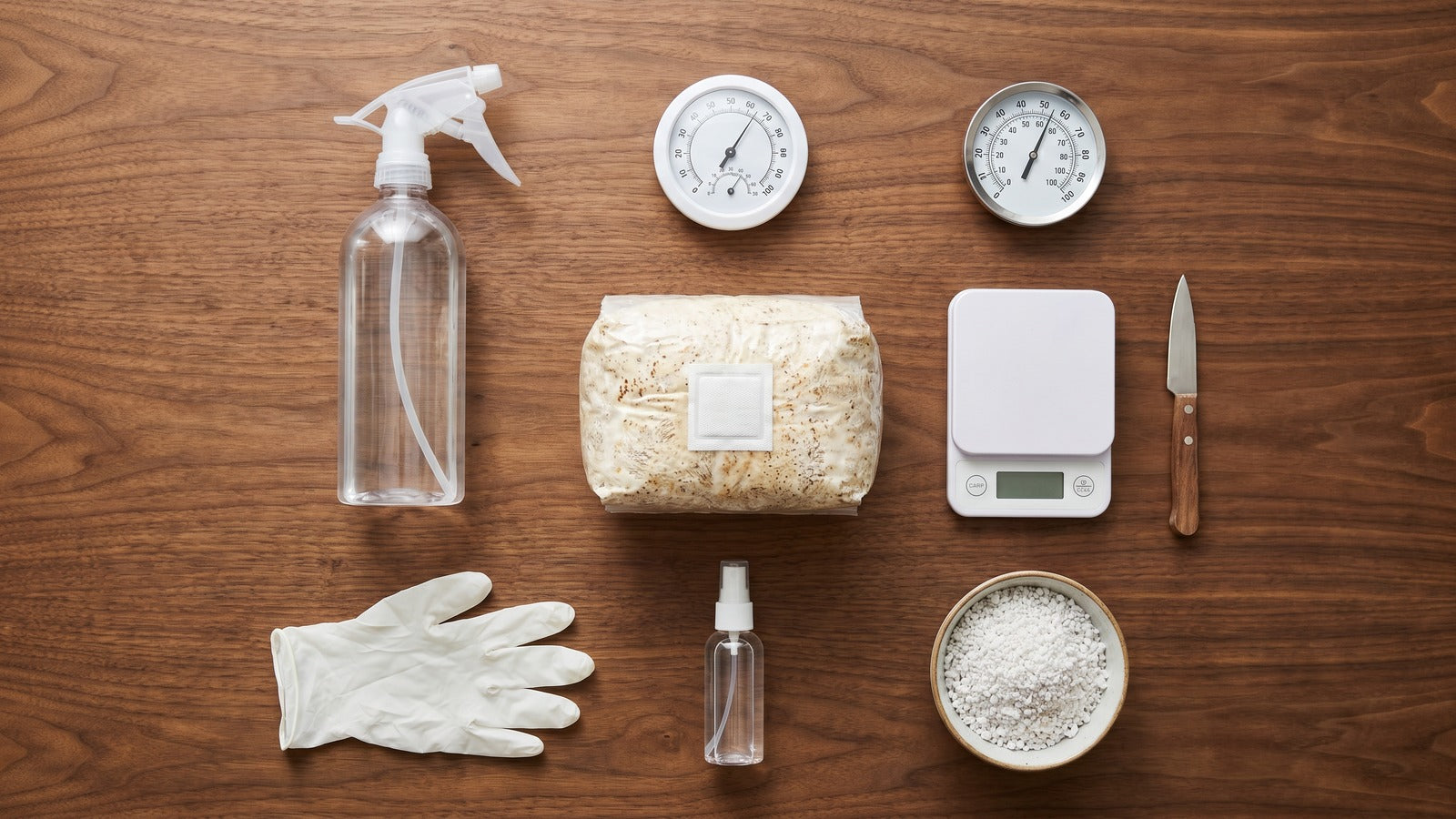
Yes. Turkey tail is one of 28+ species the Lykyn Smart Mushroom Grow Box is rated for, alongside lion's mane, oyster, shiitake, and reishi. The chamber maintains 85 to 95% humidity, fresh-air exchange, and 65 to 75 degrees Fahrenheit, which matches turkey tail's natural fruiting conditions on dead hardwood logs.
For a step-by-step cultivation walkthrough, see:
- Turkey tail mushroom cultivation made easy - basic substrate and timing
- Growing turkey tail mushrooms at home: a step-by-step guide - full process from spawn to harvest
- How to prepare turkey tail mushroom - what to do once you have a fruiting body
Fresh-grown turkey tail still needs to be dried and decocted to access the bioactives; the chamber controls the cultivation step, not the extraction step.
Cancer-research disclaimer
This is the most important paragraph in this article. Read it before drawing conclusions.
Turkey tail mushroom is NOT a cancer treatment, cancer cure, or substitute for evidence-based oncology care. The PSK extract is approved in Japan as an adjuvant (used alongside) chemotherapy and is not approved as a monotherapy anywhere. PSP is in clinical use in China and is in research-stage trials in the United States. Whole-mushroom dietary supplements sold in the United States are regulated as foods, not drugs, and have not been evaluated by the FDA for any disease-treatment claim.
If you have a cancer diagnosis or a family history that concerns you:
- Talk to your oncologist before adding turkey tail to your regimen. Some chemotherapy protocols specifically exclude immune-modulating supplements during treatment windows.
- Treat turkey tail as a complement, not a replacement, for surgery, chemotherapy, radiation, or immunotherapy that your medical team recommends.
- If you read about turkey tail as a "natural alternative" to evidence-based cancer care, do not believe it. That framing has cost lives.
We cite the breast-cancer research in our companion article on turkey tail mushroom's role in breast cancer, which goes deeper on the published trial data.
Medical disclaimer
This article is for general educational purposes only. It is not medical advice and is not intended to diagnose, treat, cure, or prevent any disease. Turkey tail mushroom is a dietary supplement under US law and has not been evaluated by the Food and Drug Administration for the treatment of any condition. Statements about traditional use and published research do not constitute clinical endorsement. Talk to a licensed healthcare provider before starting any supplement, particularly if you are pregnant, nursing, taking prescription medication, undergoing cancer treatment, or have an autoimmune or organ-transplant history.
Frequently asked questions

Is turkey tail mushroom safe to take every day?
For healthy adults at recommended doses (1,000 to 3,000 mg of extract per day), turkey tail is well tolerated in clinical trials lasting up to 12 months. If you are on immunosuppressants, anticoagulants, or are pregnant, clear it with your doctor first.
How long does turkey tail take to work?
Gut microbiome shifts measured in the NIH pilot took about 8 weeks. [5] Immune-cell count recovery in the Bastyr/UW breast cancer trial took 6 weeks. [10] If you do not feel anything in the first week, that is normal; turkey tail is not a stimulant.
Is turkey tail FDA-approved for cancer?
No. Turkey tail is regulated as a dietary supplement in the United States, not as a drug. The PSK extract is approved in Japan as an adjuvant cancer therapy; PSP is in research-stage trials in the US. No mushroom-derived supplement is FDA-approved to prevent, treat, or cure any cancer.
Turkey tail vs reishi. Which is better?
They serve different purposes. Turkey tail has the stronger cancer-adjuvant and gut-microbiome research base. Reishi has more data on sleep quality, blood pressure, and general stress reduction. Many practitioners use them together; they do not compete biochemically.
Can I take turkey tail with chemotherapy?
Talk to your oncologist first. Japanese oncology routinely co-prescribes PSK with chemotherapy and the meta-analyses show benefit. [3][4] However, your specific chemo protocol may have exclusion rules; the answer is not universal.
What is the difference between PSK and PSP?
Both are polysaccharide-protein complexes from Trametes versicolor. PSK comes from the Japanese CM-101 strain; PSP from the Chinese COV-1 strain. They have similar but not identical glycoprotein ratios. Most published research is split between the two, with overlapping mechanisms.
Can you eat turkey tail mushroom raw?
No. Turkey tail is too leathery to chew, and the bioactives are locked inside chitin cell walls that need heat or alcohol to extract. Always prepare it as tea, decoction, dual extract, or capsule.
Does turkey tail have any drug interactions?
Three classes of medication to flag: immunosuppressants (turkey tail may antagonize them), anticoagulants (beta-glucans may modestly affect platelet aggregation at high doses), and diabetes medications (modest hypoglycemic effect possible). Discuss with your prescribing doctor.
References
- Tsukagoshi S, Hashimoto Y, Fujii G, et al. Krestin (PSK). Cancer Treatment Reviews. 1984;11(2):131-155. PMID: 6238676.
- Sakagami H, Aoki T, Simpson A, Tanuma S. Induction of immunopotentiation activity by a protein-bound polysaccharide, PSK. Anticancer Research. 1991;11(2):993-1000. PMID: 1851859.
- Oba K, Kobayashi M, Matsui T, Kodera Y, Sakamoto J. Individual patient based meta-analysis of lentinan for unresectable/recurrent gastric cancer / PSK adjuvant analysis: 5-year survival in colorectal patients. Anticancer Research. 2009;29(7):2739-2745. PMID: 19596953.
- Sakamoto J, Morita S, Oba K, Matsui T, Kobayashi M, Nakazato H, Ohashi Y. Efficacy of adjuvant immunochemotherapy with polysaccharide K for patients with curative resected gastric cancer: a meta-analysis of centrally randomized controlled clinical trials. Cancer Immunology, Immunotherapy. 2006;55(4):404-411. PMID: 16133112.
- Pallav K, Dowd SE, Villafuerte J, et al. Effects of polysaccharopeptide from Trametes versicolor and amoxicillin on the gut microbiome of healthy volunteers: a randomized clinical trial. Gut Microbes. 2014;5(4):458-467. PMID: 25006989.
- Yang JH, Du Y, Wen CY, Liu TT, Tian H. Antioxidant activity of polysaccharide fractions from Trametes versicolor. Frontiers in Pharmacology. 2019;10:1308. PMID: 31798446.
- Couto JS, Couto DS. Coriolus versicolor supplementation for HPV cervical lesions: a multicentre prospective interventional pilot trial. Journal of Clinical Trials. 2014;4:152.
- Chay WY, Tham CK, Toh HC, et al. Coriolus versicolor (Yunzhi) use as adjuvant therapy for high-grade gliomas. Fatigue scoring sub-analysis. Integrative Cancer Therapies. 2017;16(1):29-37. PMID: 27151587.
- Ng TB. A review of research on the protein-bound polysaccharide (polysaccharopeptide PSP) from the mushroom Coriolus versicolor (Basidiomycetes: Polyporaceae). General Pharmacology. 1998;30(1):1-4. PMID: 9457474.
- Torkelson CJ, Sweet E, Martzen MR, et al. Phase 1 clinical trial of Trametes versicolor in women with breast cancer. ISRN Oncology. 2012;2012:251632. PMID: 22577610.
Share:
Turkey Tail Mushroom Benefits for Skin Revealed
Turkey Tail Mushroom & Estrogen: A Natural Connection