


Introduction to Maitake Mushrooms
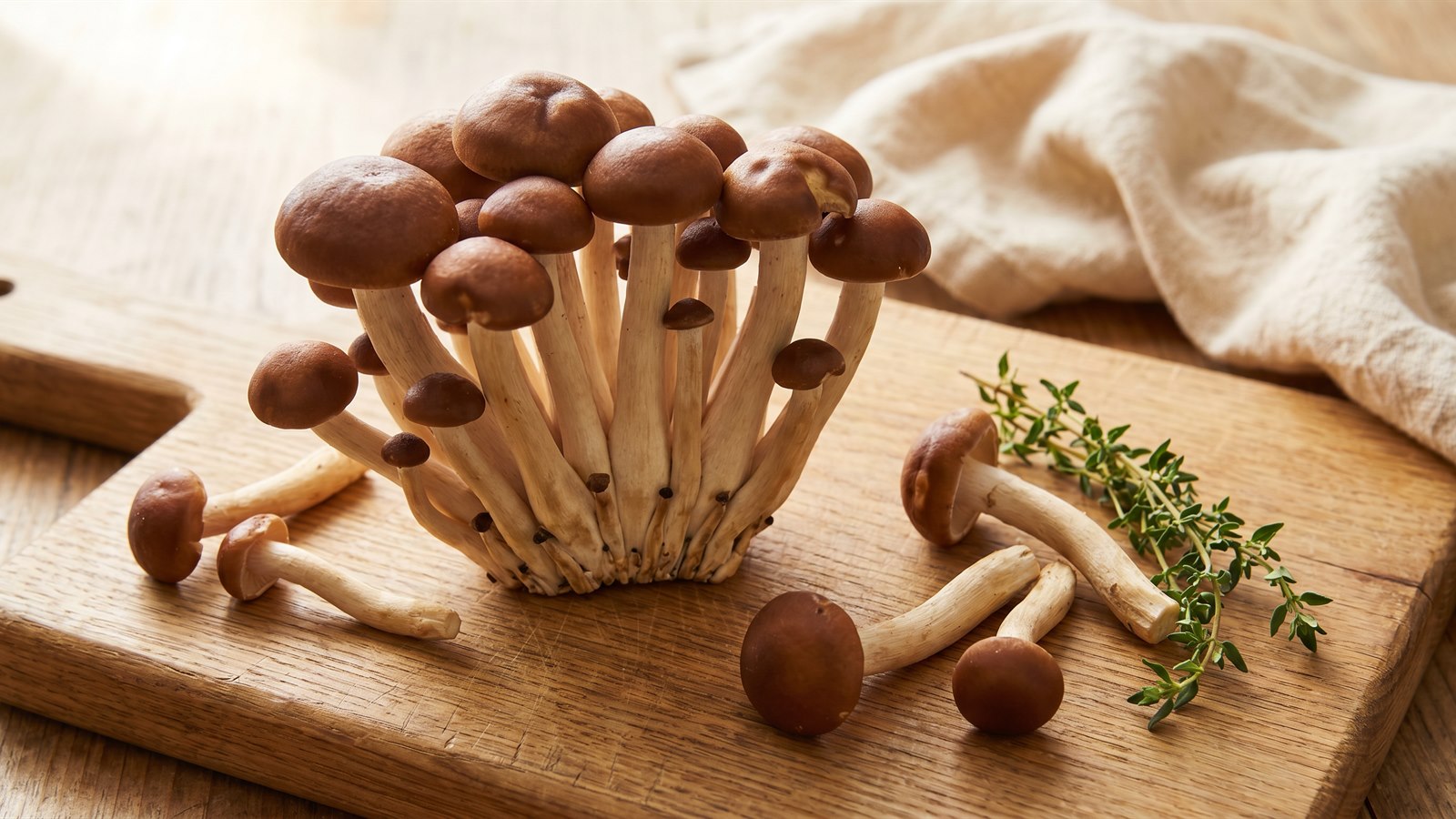
Maitake mushrooms (Grifola frondosa), also known as "hen of the woods" or "sheep's head" mushrooms, are prized for their rich, earthy flavor and impressive nutritional profile. These distinctive fungi grow in large, feathery clusters at the base of trees, primarily oak, and can be found in forests across North America, Europe, and Asia during the fall season.
For mushroom enthusiasts and foragers who are fortunate enough to find a substantial maitake harvest, the question quickly becomes: how can you preserve this bounty to enjoy throughout the year? Freezing is one of the most effective preservation methods for maitake mushrooms, helping to maintain their flavor, texture, and nutritional benefits long after the foraging season has ended.
In this comprehensive guide, we'll explore various techniques for freezing maitake mushrooms and provide expert tips to ensure the best results for your preserved fungi.
Why Freeze Maitake Mushrooms?
Before diving into the freezing methods, it's worth understanding why freezing is an excellent preservation choice for maitake mushrooms.
Extending Shelf Life
Fresh maitake mushrooms typically last only 3-5 days in the refrigerator. By freezing them, you can extend their usability for several months, allowing you to enjoy your harvest throughout the year.

Preserving Nutritional Value
Maitake mushrooms are nutritional powerhouses, containing:
- Beta-glucans with potential anticancer properties
- Potassium
- Zinc
- Vitamin B2
- Niacin
- Dietary fiber
Freezing helps to lock in these valuable nutrients, ensuring you can continue to benefit from the mushroom's health properties even months after harvesting.
Maintaining Flavor
Many mushroom enthusiasts note that freezing can actually enhance the umami flavor of maitake mushrooms, making them an even more delicious addition to your culinary creations.
Reducing Food Waste
If you've had a successful foraging expedition or purchased more maitake mushrooms than you can use immediately, freezing prevents these valuable fungi from going to waste.
Preparing Maitake Mushrooms for Freezing
Proper preparation is crucial for successfully freezing maitake mushrooms. Follow these steps to ensure your mushrooms are ready for preservation.
Cleaning Your Mushrooms
When it comes to cleaning maitake mushrooms for freezing, it's important to use gentle methods that won't compromise their texture:
-
Avoid water when possible: Unlike many other foods, mushrooms should not be washed with water before freezing. As mycelia-based organisms, their texture changes significantly when they come in contact with water.
-
Dry cleaning method: Gently brush away any dirt, debris, or insects using a soft mushroom brush or a clean, dry toothbrush. For stubborn dirt, you can use a slightly damp paper towel to wipe the surface.
-
Inspect thoroughly: Check between the fronds and layers for any small insects or forest debris that might be hiding.
Trimming and Cutting
After cleaning, you'll need to prepare the maitake for freezing by breaking it down into manageable pieces:
-
Remove the woody base: The central core of the maitake cluster is typically too tough to eat. Trim this away with a sharp knife.
-
Separate into smaller clusters: Break or cut the mushroom into smaller segments according to how you plan to use them in future recipes. You can either:
- Tear them apart by hand (which some chefs prefer for maintaining texture)
- Cut them with a sharp knife into consistent-sized pieces
-
Size considerations: Consider how you'll use the mushrooms later. Smaller pieces are more versatile for various recipes, while larger clusters may be preferred for specific dishes.
Methods for Freezing Maitake Mushrooms
There are several effective ways to freeze maitake mushrooms, each with its own advantages. Choose the method that best suits your future culinary plans.
Method 1: Raw Freezing (Flash Freeze)
Raw freezing is the simplest method and works well for maitake mushrooms that will be cooked thoroughly in future recipes.
Step-by-Step Process:
-
After cleaning and separating the mushroom clusters, arrange the pieces in a single layer on a baking sheet lined with parchment paper.
-
Ensure the pieces aren't touching each other to prevent them from freezing together.
-
Place the baking sheet in the freezer for 2-3 hours, or until the mushrooms are completely frozen.
-
Once frozen, quickly transfer the mushrooms to airtight freezer bags or containers.
-
Remove as much air as possible from the bags to prevent freezer burn. A vacuum sealer works exceptionally well for this purpose.
-
Label the containers with the date and contents, then return them to the freezer for storage.
Best Uses for Raw Frozen Maitake:
- Soups and stews
- Braises
- Stir-fries
- Any dish where texture changes won't be noticeable
Method 2: Pre-Cooked Freezing
Many experts recommend cooking maitake mushrooms before freezing to better preserve their texture and flavor.
Step-by-Step Process:
-
After cleaning and cutting, heat a skillet over medium heat with a small amount of oil or butter (about 2 tablespoons per cup of mushrooms).
-
Add the maitake pieces to the hot pan and sauté until they release their moisture and the liquid has evaporated, typically 5-7 minutes.
-
Season lightly if desired (salt and pepper work well), but remember that you can always add more seasoning when you eventually cook with them.
-
Allow the cooked mushrooms to cool completely to room temperature.
-
Transfer the cooled mushrooms to freezer-safe containers or bags in portion sizes that make sense for your cooking habits.
-
Remove as much air as possible, label with the date and contents, and freeze.
Best Uses for Pre-Cooked Frozen Maitake:
- Pasta dishes
- Risottos
- Omelets and egg dishes
- Side dishes
- Anywhere you want to add instant mushroom flavor
Method 3: Breaded Freezing
This method is ideal if you enjoy fried maitake mushrooms as a special treat.
Step-by-Step Process:
-
Clean and cut your maitake into appropriate sizes for frying.
-
Prepare your favorite breading station (typically flour, egg wash, and breadcrumbs).
-
Bread the mushroom pieces but do not cook them.
-
Arrange the breaded pieces on a parchment-lined baking sheet, ensuring they don't touch.
-
Freeze until solid (about 2-3 hours).
-
Transfer to freezer bags or containers, label, and store.
-
When ready to use, fry directly from frozen state in 350°F (175°C) oil until golden brown.
Best Uses for Breaded Frozen Maitake:
- Appetizers
- Crispy mushroom "steaks"
- Mushroom "nuggets"
Method 4: Blanching Before Freezing
Blanching can help preserve the texture and color of maitake mushrooms for freezing.
Step-by-Step Process:
-
Bring a large pot of water to a boil.
-
Prepare an ice bath in a large bowl.
-
Drop cleaned, cut mushroom pieces into the boiling water for 1-2 minutes.
-
Quickly remove and immediately plunge into the ice bath to stop the cooking process.
-
Once cool, drain thoroughly and pat dry with paper towels.
-
Freeze using the flash freeze method described earlier.
Best Uses for Blanched Frozen Maitake:
- Recipes where texture is important
- Dishes where you want to preserve the mushroom's shape

Storing Frozen Maitake Mushrooms
Proper storage is crucial for maintaining the quality of your frozen maitake mushrooms.
Storage Containers
The best containers for storing frozen maitake mushrooms include:
-
Vacuum-sealed bags: These provide the best protection against freezer burn and can extend the storage life considerably.
-
Freezer-safe zip-top bags: If you don't have a vacuum sealer, use high-quality freezer bags and remove as much air as possible before sealing.
-
Rigid freezer containers: These work well for delicate mushroom pieces that might be crushed in bags.
Storage Duration
When properly prepared and stored, frozen maitake mushrooms will maintain good quality for:
- Raw frozen: Up to 3 months
- Pre-cooked frozen: Up to 6 months
- Vacuum-sealed: Up to 9-12 months
Organization Tips
To make the most of your frozen maitake collection:
-
Label everything clearly: Include the date of freezing and the preservation method used.
-
Store in usable portions: Freeze in amounts you'll typically use in recipes to avoid having to thaw and refreeze.
-
Use a first-in, first-out system: Consume older frozen mushrooms before newer ones.
Thawing and Using Frozen Maitake Mushrooms
Knowing how to properly thaw and use your frozen maitake mushrooms is just as important as the freezing process itself.
Thawing Methods
-
Refrigerator thawing: For the best texture, transfer frozen maitake mushrooms from the freezer to the refrigerator and allow them to thaw slowly overnight. This gentle method helps the mushrooms retain their texture and flavor.
-
Cold water thawing: For faster thawing, place the sealed bag of mushrooms in cold water for about 30 minutes. Change the water every 10 minutes to ensure it stays cold.
-
Direct cooking: For many recipes, you can add frozen maitake mushrooms directly to the cooking process without thawing, especially for soups, stews, and sautés.
Cooking Considerations
When cooking with frozen maitake mushrooms, keep these tips in mind:
-
Expect moisture release: Frozen mushrooms will release more moisture during cooking than fresh ones. You might need to cook them longer to evaporate this excess moisture.
-
Adjust seasonings: The freezing process can slightly mute flavors, so you might want to use a bit more seasoning than you would with fresh mushrooms.
-
Pre-cooked advantage: If you froze pre-cooked mushrooms, they'll require less cooking time and can often be added toward the end of the recipe.
Recipe Ideas for Frozen Maitake Mushrooms
Here are some delicious ways to use your frozen maitake mushrooms:
Maitake Mushroom Soup
A warming soup that showcases the earthy flavor of maitake mushrooms.
Ingredients:
- 2 cups frozen maitake mushrooms
- 1 onion, diced
- 2 cloves garlic, minced
- 4 cups vegetable or chicken broth
- 1 cup heavy cream or coconut milk
- Fresh thyme
- Salt and pepper to taste
Preparation:
- Sauté onion and garlic until translucent
- Add frozen maitake mushrooms and cook until moisture evaporates
- Add broth and simmer for 20 minutes
- Blend partially if desired, add cream, and season
Maitake Risotto
A creamy, comforting risotto highlighting the rich flavor of maitake.
Ingredients:
- 1 cup frozen pre-cooked maitake mushrooms
- 1 cup Arborio rice
- 4 cups warm chicken broth
- 1/2 cup white wine
- 1 small onion, finely diced
- 2 tablespoons butter
- 1/4 cup grated Parmesan cheese
- Fresh herbs (thyme or parsley)
Preparation:
- Sauté onion in butter until translucent
- Add rice and toast lightly, then deglaze with wine
- Add broth gradually while stirring
- When rice is almost done, add frozen maitake mushrooms
- Finish with Parmesan and herbs
Maitake Mushroom Stir-Fry
A quick weeknight dinner option using frozen maitake.
Ingredients:
- 2 cups frozen raw maitake mushrooms
- Your choice of vegetables (bell peppers, broccoli, snap peas)
- 2 tablespoons soy sauce
- 1 tablespoon sesame oil
- 1 tablespoon ginger, minced
- 2 cloves garlic, minced
- Protein of choice (optional)
Preparation:
- Heat wok or large pan with oil
- Add frozen mushrooms and cook until moisture evaporates
- Add vegetables, ginger, and garlic
- Add protein if using
- Season with soy sauce and serve over rice
Comparing Freezing to Other Preservation Methods
While freezing is an excellent way to preserve maitake mushrooms, it's worth considering how it compares to other preservation methods.
Dehydrating
Pros:
- Shelf-stable without refrigeration
- Concentrated flavor
- Takes up less storage space
Cons:
- Significant texture changes
- Requires reconstitution before use
- May lose some nutritional value
Best for: Soups, stews, broths, and mushroom tea
Pickling
Pros:
- Unique tangy flavor
- Shelf-stable if properly canned
- Ready to eat as a side dish or appetizer
Cons:
- Limited culinary applications
- Flavor drastically changed from fresh
- Requires refrigeration once opened
Best for: Appetizers, cheese boards, and garnishes
Canning
Pros:
- Shelf-stable
- Ready to use immediately
- Preserved in liquid that can be used in recipes
Cons:
- Requires pressure canning equipment
- Significant texture changes
- Some nutritional loss
Best for: Quick additions to recipes, storage without refrigeration
Freeze-Drying
Pros:
- Superior nutrition retention
- Extremely long shelf life (25+ years)
- Lightweight and compact
Cons:
- Requires specialized equipment
- Significant initial investment
- Rehydration needed before use
Best for: Long-term storage and maximum nutrition preservation
Common Questions About Freezing Maitake Mushrooms
Can you freeze maitake mushrooms without blanching?
Yes, you can freeze maitake mushrooms without blanching. While blanching helps preserve texture and color, many people successfully freeze raw maitake mushrooms, especially if they will be used in cooked dishes where textural changes won't be noticeable.
How long do frozen maitake mushrooms last?
Properly stored frozen maitake mushrooms will maintain good quality for 3-12 months, depending on the preparation method and storage conditions. Vacuum-sealed mushrooms last the longest.
Can I refreeze thawed maitake mushrooms?
It's not recommended to refreeze thawed maitake mushrooms as this can lead to significant textural degradation and potential food safety issues. Only thaw what you plan to use.
Do frozen maitake mushrooms lose nutritional value?
Freezing preserves most of the nutritional content of maitake mushrooms. Some water-soluble vitamins may decrease slightly, but the valuable beta-glucans and other compounds remain largely intact.
Can I mix maitake with other mushrooms for freezing?
Absolutely! Creating a mushroom mix with maitake, shiitake, oyster, or other mushrooms can be an excellent way to have a versatile ingredient on hand for cooking.
Conclusion
Freezing maitake mushrooms is an excellent way to extend the enjoyment of these nutritious and flavorful fungi well beyond their natural growing season. Whether you choose to freeze them raw, pre-cooked, blanched, or breaded, proper preparation and storage will ensure the best quality and flavor when you're ready to use them.
The next time you find yourself with an abundance of maitake mushrooms, whether from a successful foraging expedition or an enthusiastic purchase at the farmers' market, remember that your freezer is the key to preserving their goodness for months to come.
By following the techniques outlined in this guide, you can build a freezer stash of maitake mushrooms that will add rich, earthy flavors to your meals throughout the year, ensuring that none of these valuable fungi go to waste.
Happy freezing, and even happier cooking with your preserved maitake mushrooms!
Share:
Maitake Mushroom (Hen of the Woods, Grifola frondosa) Guide
Shiitake Mushroom Benefits: A Nutritious Journey