


Quick answer
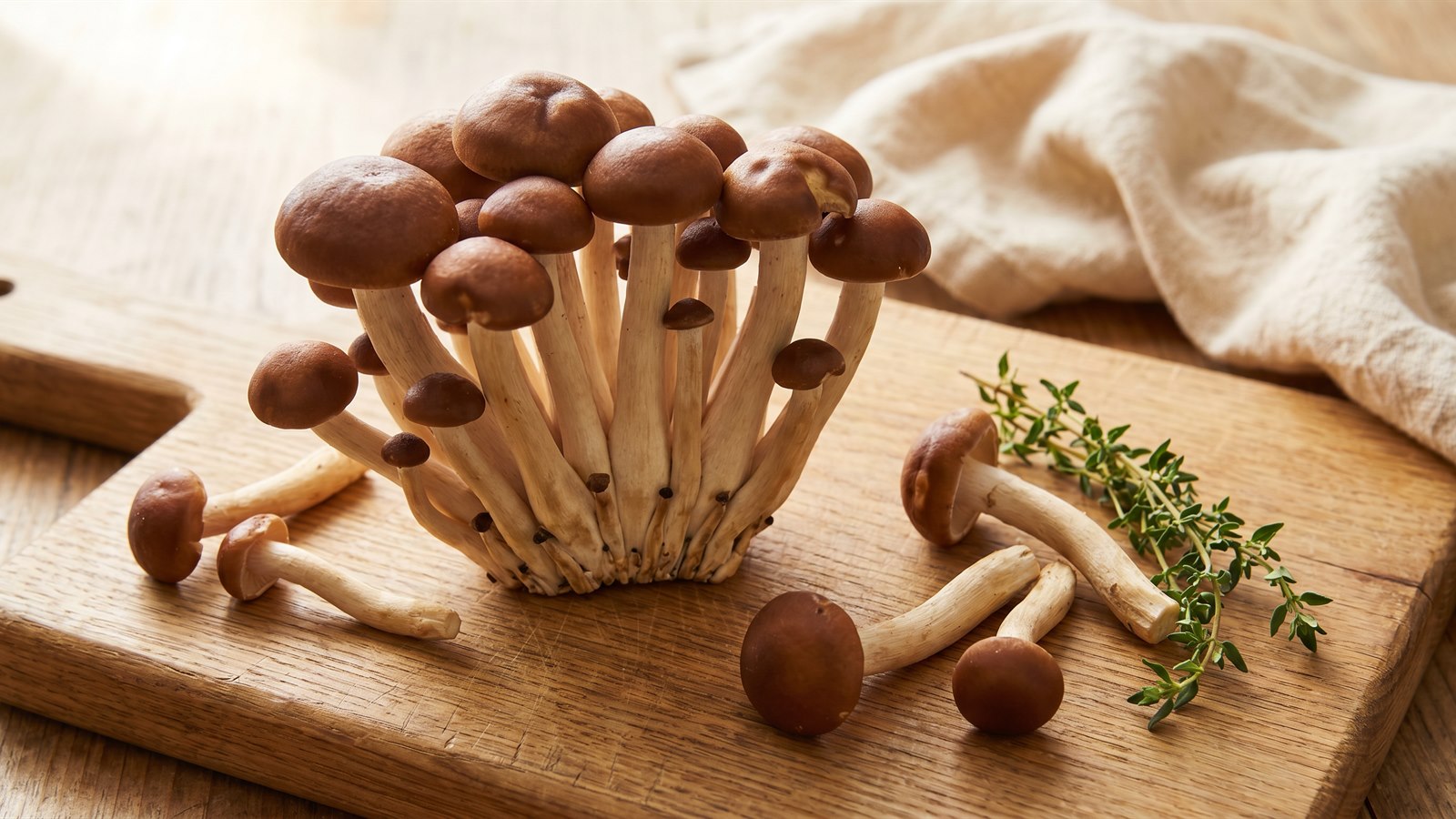
Maitake mushroom (Grifola frondosa, also called hen of the woods) is a large, frilly, polypore mushroom that grows in overlapping fan-shaped fronds at the base of oak trees. In Japan, the name means "dancing mushroom". The story goes that foragers danced when they spotted one, because a single cluster can weigh 5 to 50 pounds. Today, maitake is prized for three things: a deep, savory, umami-rich flavor; one of the highest plant-based vitamin D contents in any food (when sun-exposed); and a beta-glucan called D-fraction that has been studied by the NIH for immune support. You can forage it in the late-summer-to-fall window on oak roots, buy it fresh or dried, or cultivate it at home on hardwood blocks.

Maitake at a glance
- Latin name: Grifola frondosa
- Common names: hen of the woods, sheep's head, ram's head, dancing mushroom, signorina (in Italian), kumotake
- Foraged vs cultivated: both common; foraged from August to November at oak bases; cultivated year-round on hardwood-sawdust blocks
- Taste: earthy, woodsy, peppery, deeply umami; firm, slightly chewy texture
- Top 3 health benefits: immune support via D-fraction beta-glucan, blood-sugar regulation, exceptional vitamin D content (1,123 IU per 100 g)
- Signature dish: roasted maitake with garlic butter, finished with flaky salt
What is maitake mushroom?
Maitake is the Japanese name for Grifola frondosa, a wild edible mushroom that has been used in East Asian cooking and traditional medicine for more than a thousand years. The mushroom is a polypore, which means the underside of its caps has pores instead of gills. Polypores are decomposers; in the wild, maitake quietly digests the dead heartwood of oak trees and recycles it back into the forest floor.

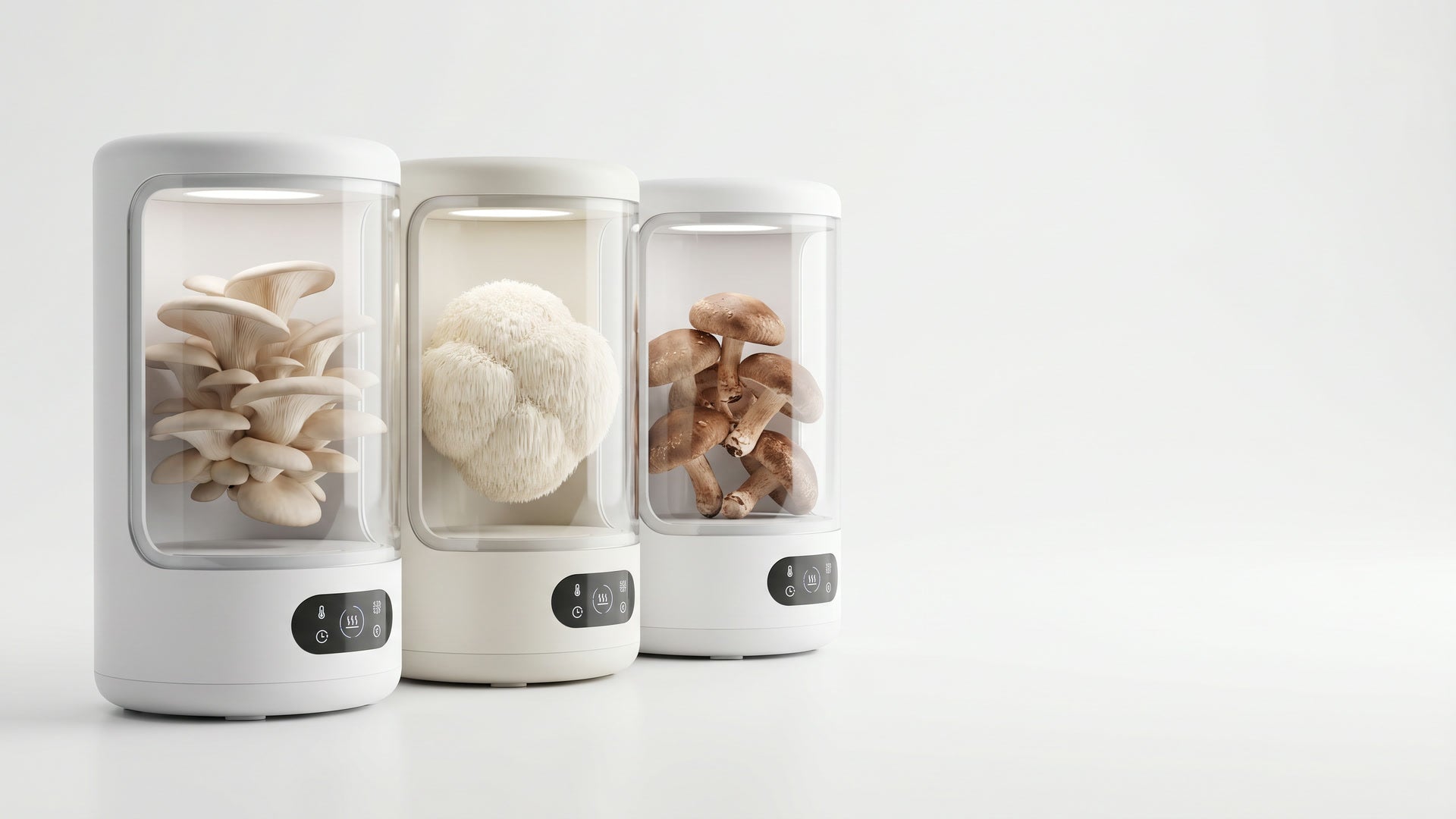
Smart Chamber. Bone White Single
- 2.8L tank, 90% humidity automatic
- App-controlled, plug-and-play
- 6 lb block ceiling, in stock

Smart Chamber. Obsidian Black Single
- Same hardware as Bone White
- Matte black premium finish
- Pairs with any kitchen palette

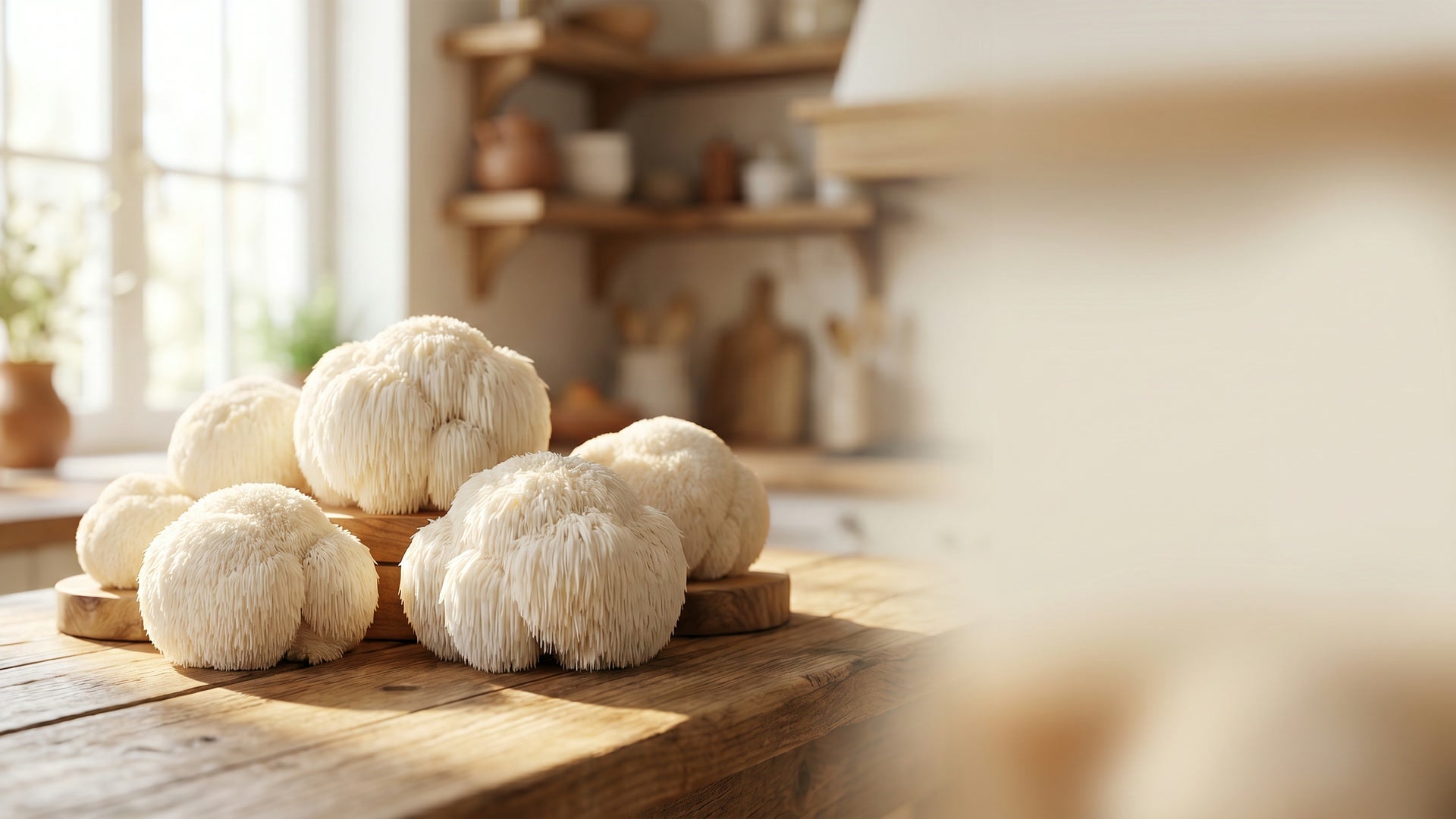
The fruiting body is what most people call "the mushroom." It grows as a single rosette of overlapping, fan-shaped lobes, each one a few inches across. A mature cluster can range from softball-sized to wheelbarrow-sized. In 2018, a Pennsylvania forager hauled out a 54-pound specimen that made local news. Most clusters you'll see in a kitchen, though, are in the 1 to 3 pound range.
Maitake is grouped with the functional mushrooms alongside lion's mane, reishi, cordyceps, and turkey tail. The label "functional" means there is peer-reviewed evidence the mushroom does something measurable in the body beyond basic nutrition. For maitake, that "something" is mostly tied to its cell-wall polysaccharides, particularly a fraction called D-fraction beta-glucan.
Why it's called "hen of the woods"
The English common name comes from what the cluster looks like from a distance. When maitake fruits at the base of an oak, the rippling layers of brown-grey lobes look strikingly like the ruffled feathers of a sitting hen. Foragers in the Appalachian and northeastern U.S. coined the name in the 1800s. You will also hear:
- Sheep's head - for the round, woolly shape of a mature cluster
- Ram's head - same idea, often used in the Midwest
- Hen of the woods - the most common modern name in the U.S.
- Maitake - the Japanese name, which has become the international culinary term
- Dancing mushroom - literal English translation of "maitake," referencing the foragers-dancing-with-joy origin story
- Signorina - Italian regional name in Tuscany
All five names refer to the same species: Grifola frondosa. There is no botanical difference between "maitake" and "hen of the woods". Only the language.
Foraged vs cultivated maitake
For most of human history, the only way to get maitake was to find it in the woods. Cultivation arrived late: the first reliable commercial cultivation method was developed in Japan in the 1980s, and the technique spread to the U.S. and Europe in the 1990s. Today both sources coexist.
Foraged maitake is seasonal (August through November in temperate zones), location-dependent (oak forests), and weighs whatever the forest gave you that day. The flavor tends to be slightly more intense and the texture firmer, partly because the mushroom has been working harder against weather and competing fungi. It is also the cheapest option if you find it yourself, and dramatically more expensive if you buy from a forager at a farmers' market.
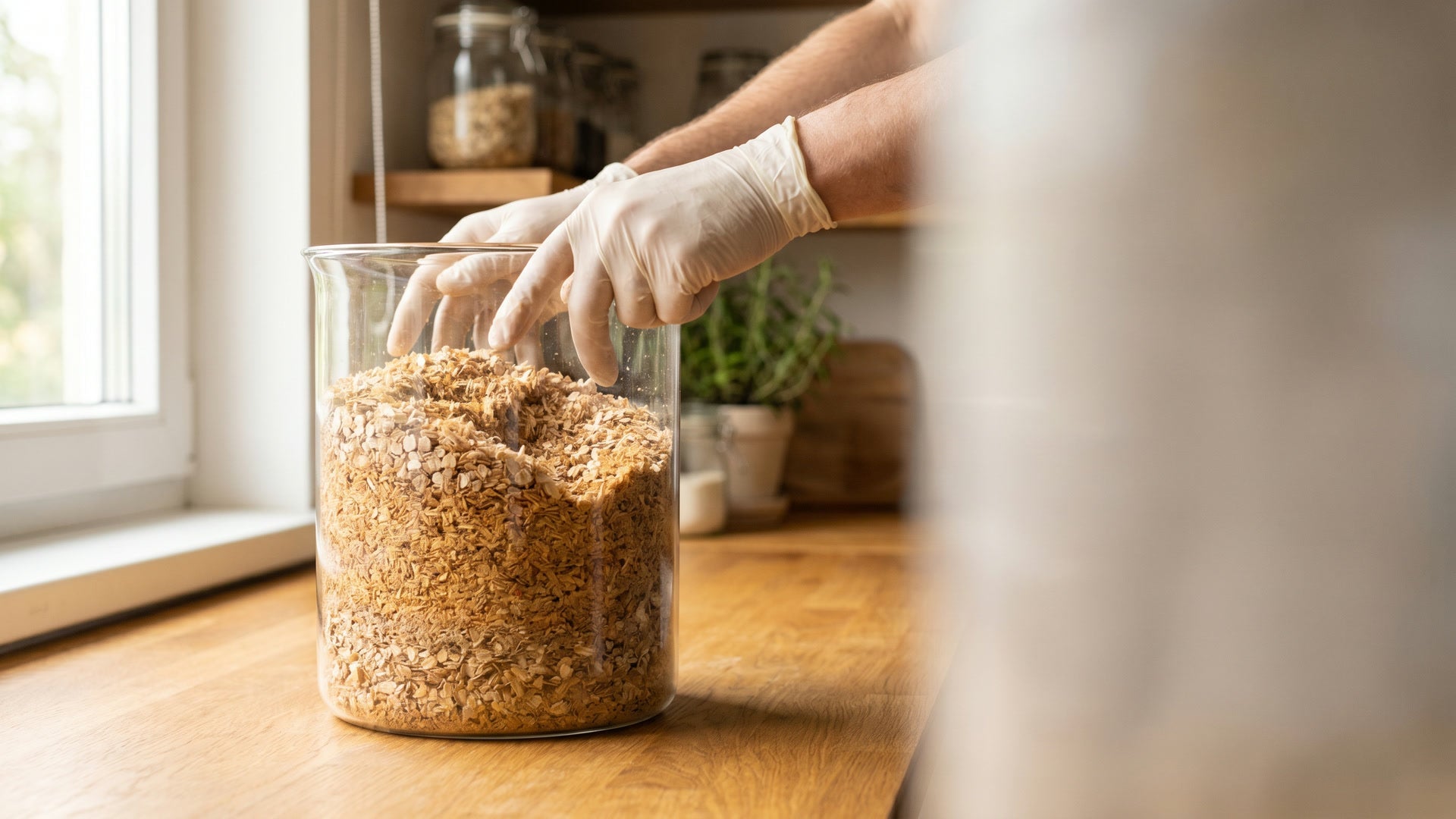
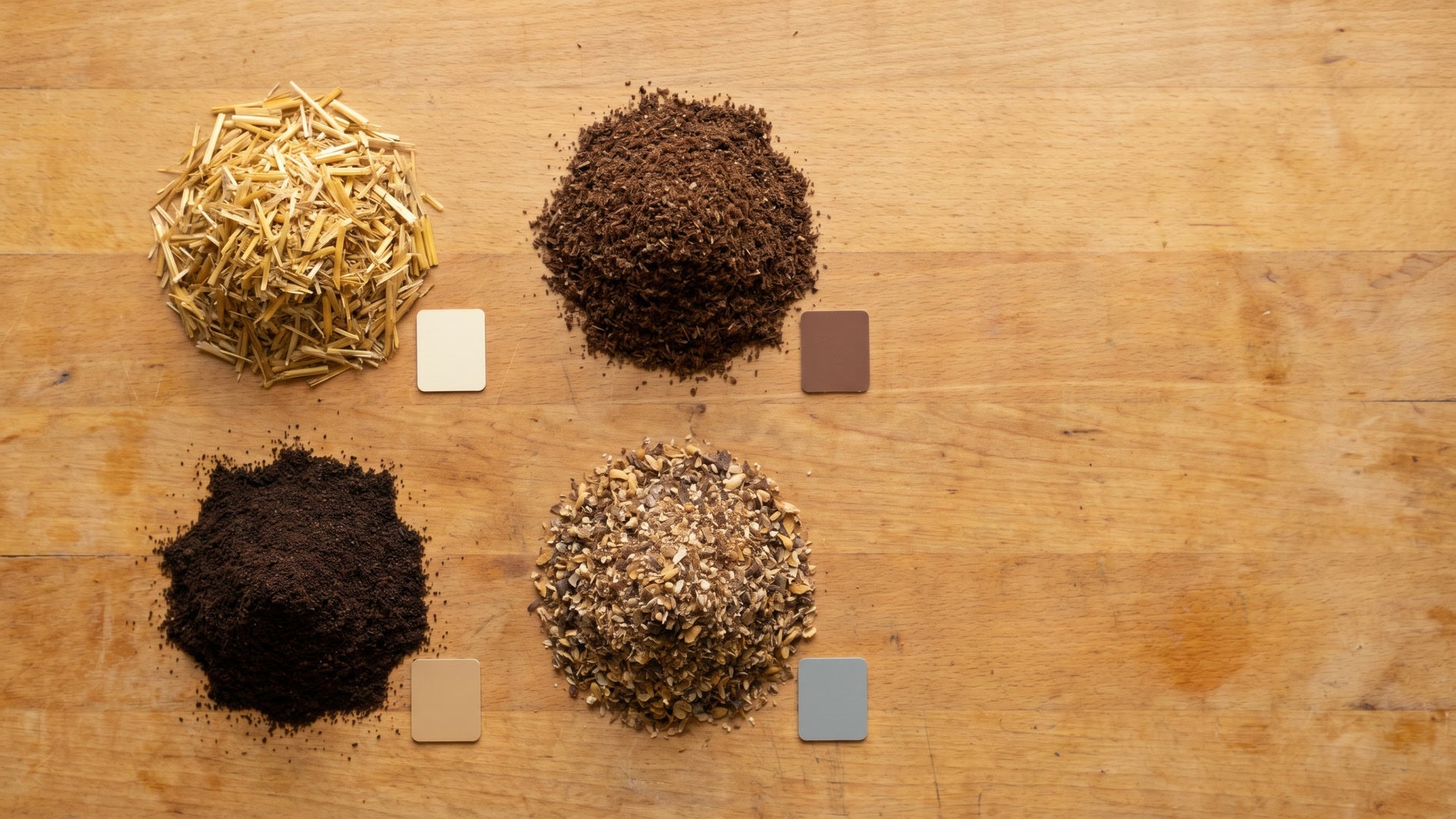
Cultivated maitake is grown on sterilized hardwood-sawdust blocks (typically oak, sometimes beech or birch) inside climate-controlled fruiting rooms. The blocks are inoculated with a maitake mycelium spawn, colonized for 30 to 60 days, then triggered to fruit by a drop in temperature and a spike in humidity. Yields are predictable; size is uniform; freshness is consistent.
You'll find cultivated maitake year-round at most natural-foods grocers, Whole Foods, H Mart, and any well-stocked Asian market. It typically sells for $20 to $30 a pound fresh, or $1 to $2 per gram dried.
Where to find maitake in the wild
If you want to forage your own, here is what to look for:
- Tree: mature oak (Quercus species), especially red oak and white oak. Occasionally elm, maple, beech.
- Position: at the very base of the trunk or growing from a major surface root, never on dead logs.
- Season: mid-August through early November in the U.S. Northeast and Midwest. Slightly earlier at higher latitudes, later in southern Appalachia.
- Habitat: mature mixed-hardwood forest, often near streams or in damp valleys.
- Pattern: maitake is a perennial at the same tree. Once a tree fruits, mark the GPS. It will likely fruit again next year, sometimes for ten or fifteen years in a row, until the tree finally dies and the fungus moves on.
- Lookalikes: the closest visual match is the black-staining polypore (Meripilus sumstinei), which is edible but less choice and bruises black on the cut surface. Maitake bruises slightly tan to brown, never coal-black. There are no dangerous lookalikes, but as always, confirm any wild mushroom with a second source before eating.
If you have no luck foraging. And most beginners won't, since oak-base polypores require a trained eye. The simplest path to fresh maitake at home is to grow your own.

How to grow maitake at home
Maitake is one of the trickier gourmet mushrooms to cultivate. It has a long colonization period (6 to 12 weeks vs 2 to 3 weeks for oyster), it strongly prefers oak substrate, and the fruiting trigger is finicky. None of that is a deal-breaker. It just means maitake rewards a setup that holds humidity, temperature, and airflow within a tight band.
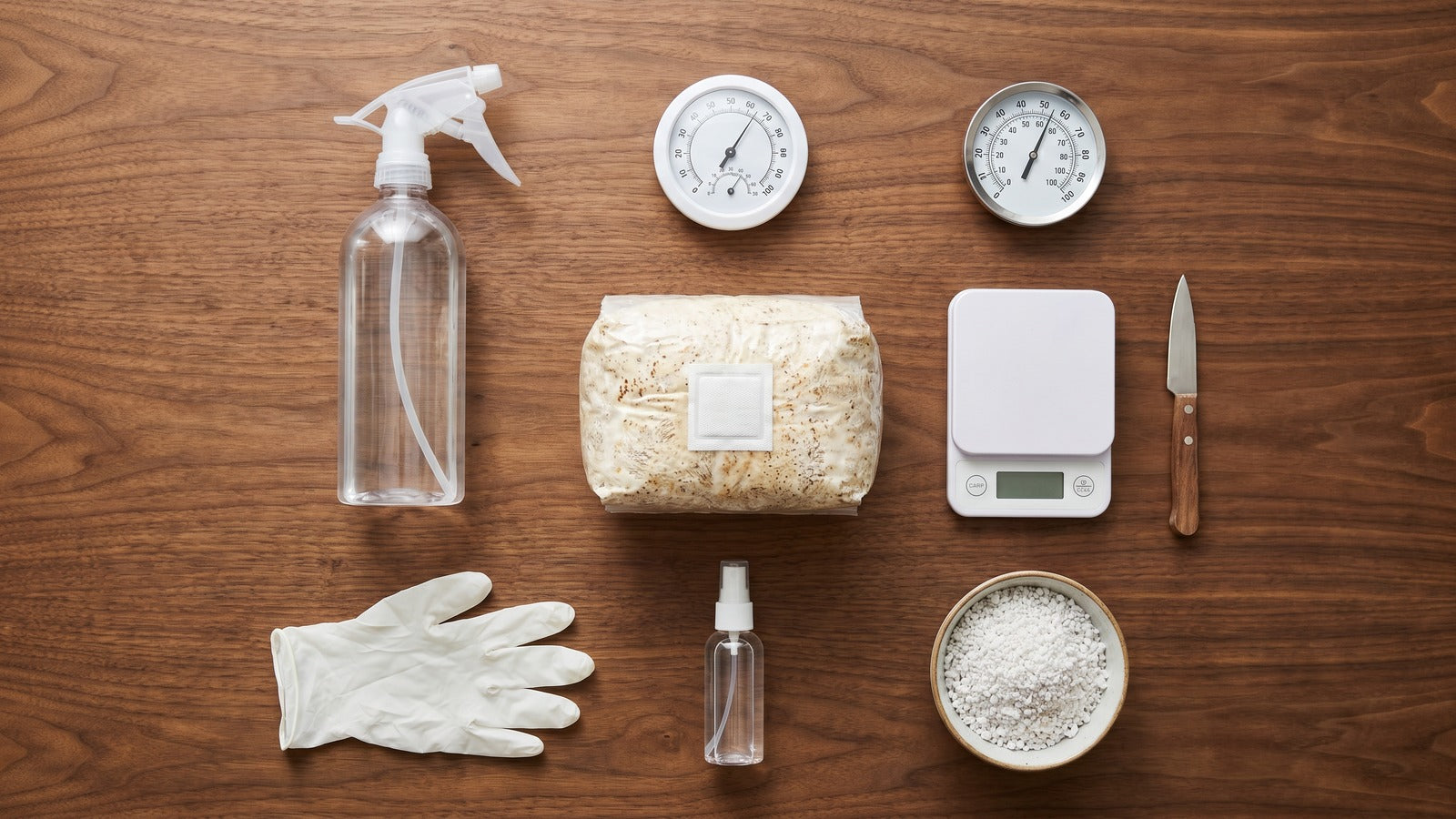
The fastest practical route for a home grower is to pair a pre-inoculated maitake block with an automated fruiting chamber that handles the climate for you. Here is the basic workflow:
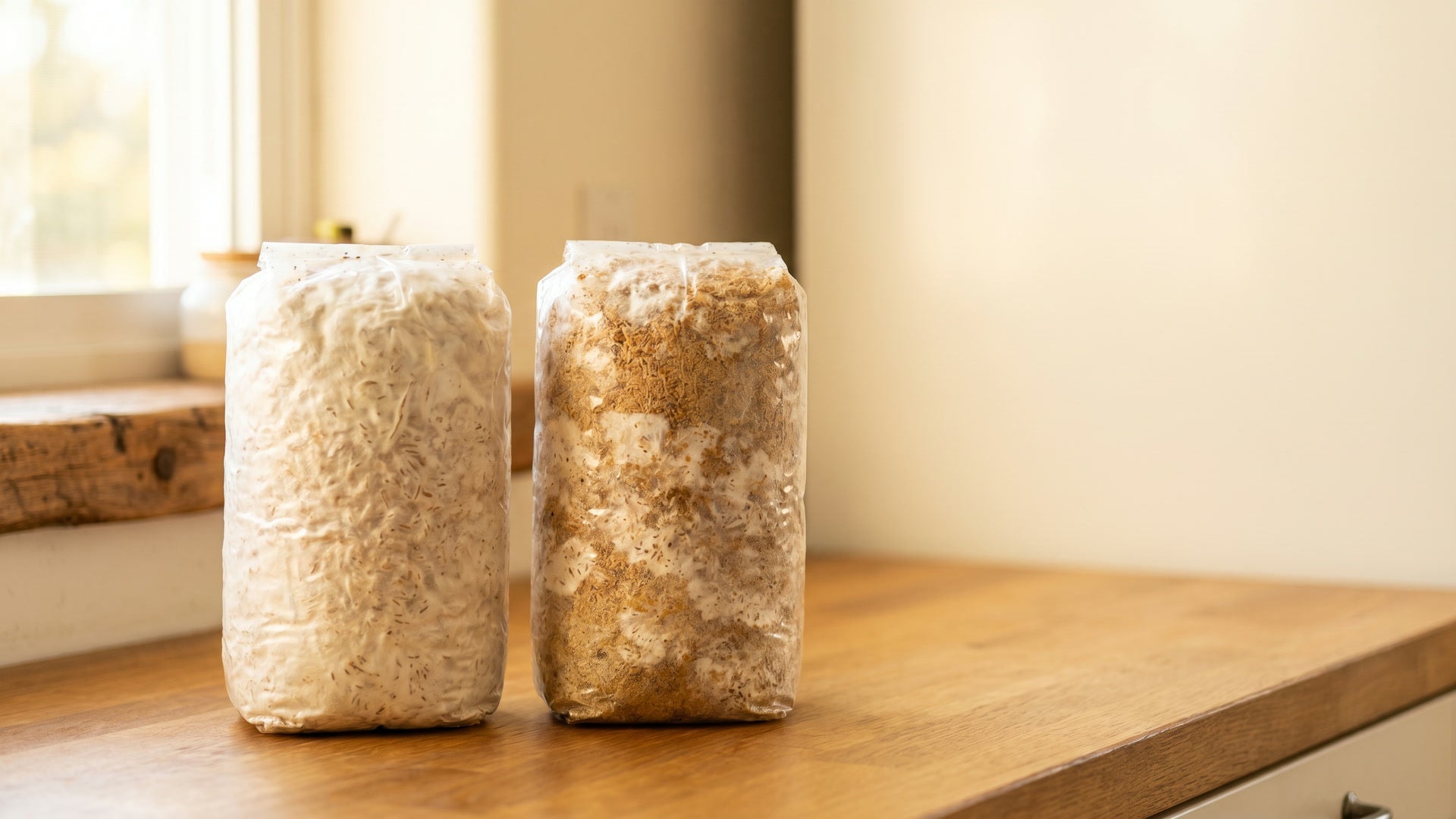
- Source a block. Buy a pre-inoculated, fully colonized maitake block from a reputable supplier. A 5-pound block typically yields 0.75 to 1.25 pounds of fresh maitake per flush, with one to two flushes per block.
- Cold shock. Place the block in the refrigerator at 35-40°F for 48 to 72 hours. This temperature drop mimics autumn and triggers fruiting.
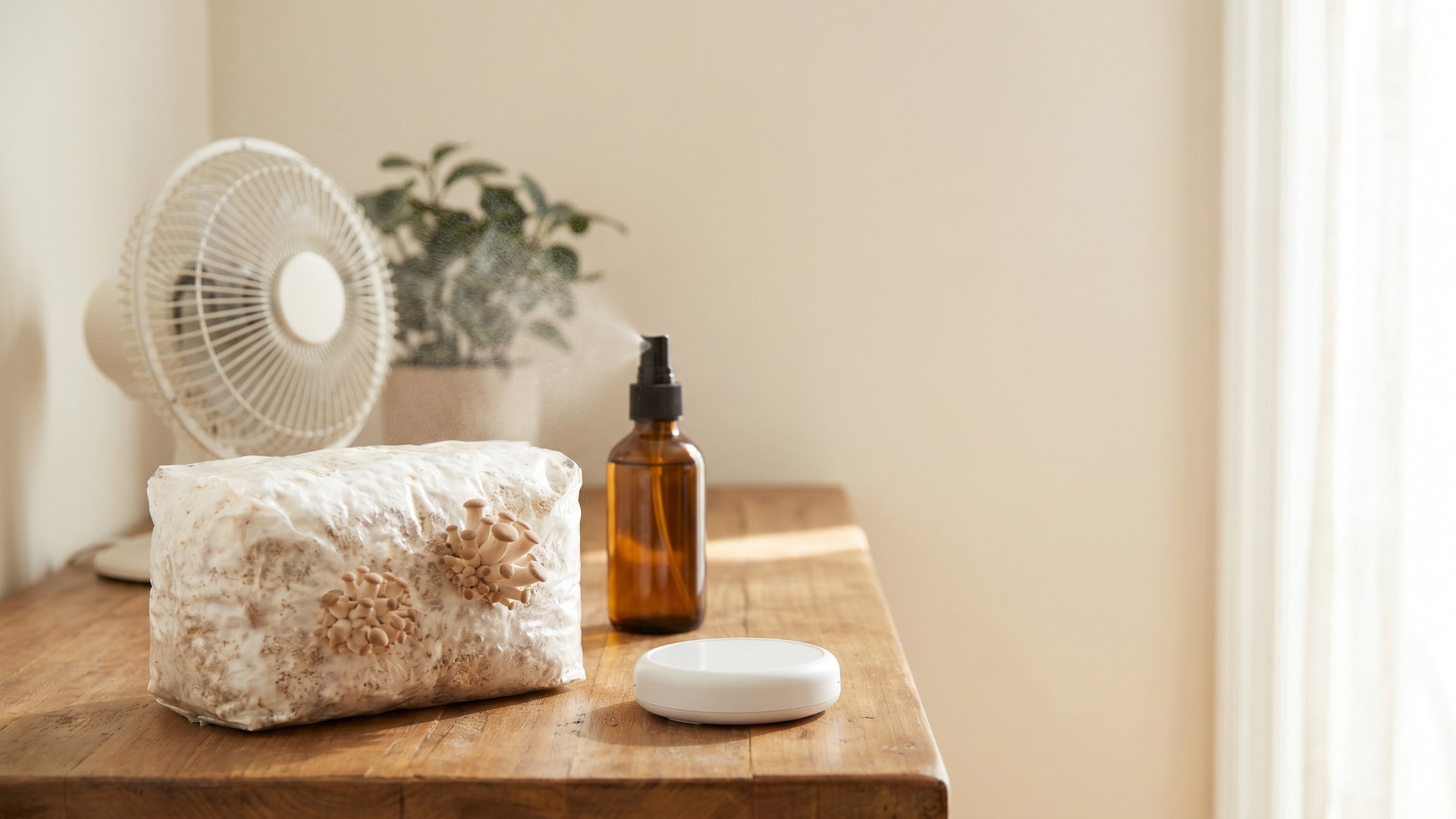
- Set the chamber. Move the block into the fruiting chamber. Target temperature: 60-68°F. Target humidity: 85-95%. Target air exchange: 3 to 4 swaps per hour. Maitake needs more fresh air than oyster.
- Trigger fruiting. Cut a small X-shape on top of the block. Pinheads should form within 7 to 14 days.
- Wait for the rosette. From first pin to harvest is typically 14 to 21 days. Mature when the lobes are firm, the edges are ruffled, and the spore drop is just starting.
- Harvest at the base. Twist and pull from the bottom of the cluster; the entire rosette comes off in one piece.
Done well, a home grow gives you exactly what a top forager gets, on your schedule, on demand. If you want the full guided system. Climate-controlled chamber, pre-inoculated block, and the app that watches conditions for you. See the Lykyn smart mushroom grow box.
Lykyn tip: the single biggest mistake first-time maitake growers make is not enough fresh air. Maitake is a polypore that has evolved to fruit at the open base of a tree, not in a closed plastic bag. If pins form and then abort, your CO2 is too high. Bump fresh-air exchange before anything else.

Nutritional profile
Per 100 grams of fresh maitake (raw weight), per the USDA FoodData Central database entry for Grifola frondosa:
| Nutrient | Amount per 100 g | % Daily Value |
|---|---|---|
| Calories | 31 kcal | 2% |
| Protein | 1.9 g | 4% |
| Carbohydrate | 6.9 g | 3% |
| Dietary fiber | 2.7 g | 10% |
| Fat | 0.2 g | <1% |
| Vitamin D | 1,123 IU (28 mcg) | 140% |
| Niacin (B3) | 6.6 mg | 41% |
| Riboflavin (B2) | 0.24 mg | 18% |
| Folate | 21 mcg | 5% |
| Copper | 0.25 mg | 28% |
| Potassium | 204 mg | 4% |
| Selenium | 2.2 mcg | 4% |
A few of these numbers deserve a closer look.
Vitamin D. Maitake is one of the very few non-fortified, non-animal foods that delivers a meaningful dose of vitamin D. The 1,123 IU per 100 g figure assumes the mushrooms were exposed to UV light during growth. Either sunlight in the wild, or UV-B in a controlled grow setup. Maitake grown in the dark contains far less. If you are vegan, vegetarian, or live somewhere with a long winter, a serving of sun-exposed maitake can cover an entire day of vitamin D in one sitting.
Beta-glucan. USDA doesn't track beta-glucan as a standard line item, but maitake is unusually rich in this soluble fiber - 10 to 30% of dry weight, depending on the strain. Beta-glucans are the immune-active polysaccharides that show up in most of the maitake research literature.
Selenium and copper. Both trace minerals support antioxidant pathways. Maitake is a particularly good source of copper, which gets less press than zinc but matters just as much for iron metabolism and connective tissue.
Health benefits backed by research
Maitake is one of the most-studied medicinal mushrooms in the world. Here is what peer-reviewed evidence supports.
Immune system support
The headline compound is D-fraction, a protein-bound beta-1,6/1,3-glucan first isolated by Hiroaki Nanba at the Kobe Pharmaceutical University in 1984. D-fraction activates macrophages, natural killer (NK) cells, and T-cells. A 2013 phase I/II trial published in Journal of the Society for Integrative Oncology found that breast cancer patients given oral maitake extract showed dose-dependent increases in NK-cell and T-cell activity. Multiple subsequent NIH-indexed studies have replicated the immune-modulating effect in vitro and in vivo (see the PubMed maitake D-fraction reference list).
This is not a cure for anything, and any oncology decision belongs with your physician. But the evidence that maitake D-fraction nudges the immune system in a measurable, dose-dependent way is solid.
Blood sugar regulation
A 2015 trial in Journal of Diabetes Research found that oral maitake X-fraction supplementation in non-insulin-dependent diabetics improved insulin sensitivity and lowered fasting glucose. The mechanism is partly the beta-glucan-driven slowing of carbohydrate absorption in the gut, and partly a direct effect on insulin receptor sensitivity that is still being mapped.
If you have type 2 diabetes or prediabetes, maitake (the whole mushroom, eaten regularly as food) is one of the higher-evidence functional foods you can add. Talk to your doctor first if you are already on glucose-lowering medication, because the effect can stack.
Cholesterol and cardiovascular markers
Animal studies and small human trials suggest maitake lowers LDL cholesterol and triglycerides, partly through the same fiber mechanism that helps with glucose. The 2013 Mycologia review on the genus Grifola is the standard summary of this literature.

Fuel Your Mushroom Journey
Smart Mushroom Grow Chamber
Plug-and-play smart chamber with humidity, light, and airflow dialed in for every species. Beginners harvest their first flush in days, not months.
Add to cart $299Other studied effects
- Anti-inflammatory: ergosterol and ergothioneine in maitake show anti-inflammatory activity in cell models.
- Gut microbiome: maitake beta-glucans are partially fermented by colonic bacteria and act as a mild prebiotic.
- Body weight: a small 2010 trial in Nutrition Research found maitake supplementation modestly reduced body weight in obese mice; human evidence is preliminary.
The honest summary: maitake is one of the better-supported functional foods, and the strongest evidence is for immune modulation and metabolic health. It is not a miracle drug, and the gap between "shown in a trial" and "will work for you" is real. But as a food, it punches well above its calorie count.
Cooking maitake. Techniques that work

Maitake has a robust, peppery, umami-forward flavor that holds up to high heat better than most gourmet mushrooms. Three techniques carry 90% of restaurant maitake dishes.
Roasted
The default, and arguably the best. Tear the cluster into smaller fronds, toss with olive oil and salt, roast at 425°F for 18-22 minutes, finish with butter, garlic, and a squeeze of lemon. The lobes crisp on the outside, stay tender in the center, and the flavor deepens. See our full method in roasted maitake mushrooms.
Fried
Maitake's frilly shape is built for tempura. Lightly battered and flash-fried, the lobes turn into a crispy, lacy nest that holds dipping sauce in every crevice. Walk-through in fried maitake mushrooms.
Sautéed and stir-fried
Trim into 1-inch florets, hit a hot pan with a neutral oil, don't crowd, don't stir for the first 90 seconds. Let the bottom caramelize. Finish with soy sauce, butter, and scallion. Three minutes total.
For five complete dishes that go beyond the basics. Including tempura, risotto, and a mushroom soup. See maitake mushroom recipes: 5 best dishes for hen of the woods.
A few cross-cutting cooking rules:
- Don't wash. Brush with a dry pastry brush or a damp paper towel. Maitake is a sponge.
- Tear, don't slice. Following the natural lobes preserves the frilly texture.
- Cook hot. Maitake fights back against low heat by going rubbery. Hit it with high heat from the start.
- Salt early. Salt at the start of cooking draws out moisture and concentrates flavor. Don't be shy.
Maitake vs oyster mushroom. A quick comparison
If you came here from the original maitake-vs-oyster comparison, the short answer is:
| Maitake (Grifola frondosa) | Oyster (Pleurotus ostreatus) | |
|---|---|---|
| Flavor | Earthy, peppery, deeply umami | Mild, subtly sweet, slightly anise |
| Texture | Firm, chewy, holds shape | Velvety, delicate |
| Vitamin D | ~1,123 IU / 100 g (when sun-exposed) | ~29 IU / 100 g |
| Protein | 1.9 g / 100 g | 3.3 g / 100 g |
| Fiber | 2.7 g / 100 g | 2.3 g / 100 g |
| Best for | Roasting, braising, stews | Quick sauté, pasta, risotto |
| Cultivation difficulty | Harder (oak-specific, 6-12 wk) | Easier (versatile substrate, 2-3 wk) |
| Price (fresh) | $20-$30 / lb | $8-$15 / lb |
| Medicinal evidence | High (D-fraction immune) | Moderate (cholesterol, antioxidant) |
There is no winner. They are different mushrooms for different jobs. If you are choosing your first cultivar to grow at home, oyster is the gentler learning curve. If you are choosing for flavor depth and the strongest medicinal evidence, maitake.
For the long-form version of this comparison, the original maitake vs oyster mushroom deep dive is still on this page (you are reading the updated 2026 edition).
Where to buy maitake
Three reliable channels:
- Specialty grocers and natural-foods stores. Whole Foods Market, Sprouts, Erewhon, and most Co-ops carry fresh cultivated maitake in the produce section year-round. Price typically $20-$30 per pound.
- Asian supermarkets. H Mart, 99 Ranch, Mitsuwa, and most well-stocked Asian markets carry fresh maitake at a meaningfully lower price than the natural-foods chains, often $12-$18 per pound. Quality is usually excellent.
- Farmers' markets, August-November. Foraged maitake at peak season. Premium price ($25-$40 per pound) but unmatched freshness and flavor. Build a relationship with the forager; they often hold the best clusters for repeat buyers.
- Grow your own. A fresh cluster pulled from the chamber that morning is sharper, sweeter, and more aromatic than anything you can buy. See the Lykyn smart mushroom grow box for the home-cultivation route.
If fresh isn't available, dried maitake is a strong second choice. Rehydrate in warm water for 20 minutes, save the soaking liquid as broth, and chop the rehydrated mushroom. Dried maitake is also the standard form for most supplement powders.
Frequently asked questions
What is maitake mushroom?
Maitake mushroom is the Japanese name for Grifola frondosa, a large polypore fungus that grows at the base of oak trees. It is also called hen of the woods, sheep's head, ram's head, and dancing mushroom. Maitake is prized as a gourmet ingredient for its earthy, umami flavor and as a functional food for its immune-active beta-glucan (D-fraction).
Is maitake the same as hen of the woods?
Yes. Maitake and hen of the woods are two names for the same species, Grifola frondosa. "Maitake" is Japanese; "hen of the woods" is the English common name that describes the cluster's resemblance to a sitting hen's feathers. There is no botanical or culinary difference.
How do you cook maitake mushrooms?
The three best techniques are roasting (425°F for 18-22 minutes with olive oil, finished with garlic butter), tempura (lightly battered and flash-fried until golden), and high-heat sauté (3 minutes in a hot pan with butter and soy sauce). Always tear maitake into florets following the natural lobes instead of slicing, and salt early to draw out moisture.
What are the health benefits of maitake mushrooms?
The three best-supported benefits are immune support (via D-fraction beta-glucan, studied in NIH-indexed trials for NK-cell and T-cell activation), blood sugar regulation (improves insulin sensitivity in non-insulin-dependent diabetics), and exceptional vitamin D content (up to 1,123 IU per 100 g when sun-exposed, one of the highest of any plant-based food).
Where do maitake mushrooms grow naturally?
Maitake grows at the base of mature oak trees (Quercus species), occasionally on elm, maple, or beech. The fruiting season runs mid-August through early November in the U.S. Northeast and Midwest. Once a tree fruits maitake, it tends to fruit at the same spot every year for as long as the tree lives.
Can you grow maitake mushrooms at home?
Yes. Maitake is grown on hardwood-sawdust blocks inside a climate-controlled fruiting chamber. The block colonization takes 6 to 12 weeks; once the block is fully colonized and cold-shocked, fruiting takes 2 to 3 weeks. The main challenge is holding humidity at 85-95% and fresh-air exchange at 3 to 4 swaps per hour. An automated mushroom fruiting chamber does the climate work for you.
Can you eat maitake mushrooms raw?
Technically yes, in small amounts, but it is not a great idea. Like most gourmet mushrooms, maitake has tough cell walls that don't break down until cooked, and its peppery raw flavor isn't pleasant. Cook maitake to at least 145°F for a few minutes to break down the chitin, release the umami, and make the beta-glucans easier to absorb.
Can dogs eat maitake mushrooms?
Cooked maitake in small amounts is generally considered safe for dogs and is sometimes recommended by holistic veterinarians for immune support. Raw maitake is harder for dogs to digest. Never feed wild-foraged mushrooms to dogs unless you are certain of the ID. As with any new food, introduce slowly and consult your vet, especially for dogs on immune-modulating medication.
Are there any side effects of maitake?
Maitake is well-tolerated as food. Reported side effects from supplement-strength doses are mild and rare: digestive upset, slight blood-sugar drops, and occasional skin reactions. Maitake can amplify glucose-lowering medication and may interact with blood thinners. Talk to your physician before taking concentrated maitake extracts if you are on either class of drug.
The bottom line
Maitake is one of the most rewarding mushrooms you can put on a plate. The flavor is deep and savory, the cooking is forgiving, and the health profile is one of the best-documented in the entire mushroom kingdom. Foraging is fun if you have access to old oak forests. Buying cultivated maitake is easy if you live near a decent grocer. And growing it at home, with the right setup, gives you a flush of fresh hen of the woods on demand, year-round, with no foraging luck required.
If you want the home-grow path with the climate dialed in for you, the Mushroom Fruiting Chamber product page is built for exactly this kind of demanding cultivar.
References
- USDA FoodData Central - Grifola frondosa nutritional data. https://fdc.nal.usda.gov/
- National Institutes of Health, PubMed. Maitake D-fraction immune-modulation research index. https://pubmed.ncbi.nlm.nih.gov/?term=grifola+frondosa+d-fraction
- Nanba, H. (1995). Activity of maitake D-fraction to inhibit carcinogenesis and metastasis. Annals of the New York Academy of Sciences.
- Konno, S. et al. (2015). Effect of Grifola frondosa (maitake) X-fraction on insulin sensitivity. Journal of Diabetes Research.
- Shen, Q. et al. (2013). Review of Grifola frondosa taxonomy, ecology, and bioactive compounds. Mycologia.
- Deng, G. et al. (2013). Phase I/II trial of maitake extract in postmenopausal breast cancer patients. Journal of the Society for Integrative Oncology.
The information above is for educational purposes and is not medical advice. Consult your physician before adding maitake extracts to a treatment plan.
Share:
Maitake Mushroom Substitute: Delicious Alternatives
Freezing Maitake Mushrooms: The Best Way to Keep Them Fresh