


The hen of the woods mushroom (Grifola frondosa) is one of nature's most spectacular fungi treasures, beloved by foragers, gourmet chefs, and health enthusiasts alike. With its distinctive rosette-like growth, rich umami flavor, and impressive array of potential health benefits, this remarkable mushroom offers something for everyone. Whether you're hoping to discover it in the wild, cultivate it at home, or simply incorporate it into your culinary repertoire, this comprehensive guide will provide everything you need to know about this prized fungal delicacy.

What Is Hen of the Woods Mushroom?
Hen of the woods is a polypore mushroom that grows in distinctive clusters at the base of trees, primarily oaks. Its scientific name, Grifola frondosa, refers to its unique appearance, "Grifola" from the mythical griffin and "frondosa" meaning leafy or frond-like. This mushroom goes by several names across different cultures:
- Hen of the woods: For its resemblance to a hen sitting on a nest (North America)
- Maitake: Japanese for "dancing mushroom," as discoverers would allegedly dance with joy upon finding it
- Sheepshead: Used in parts of North America, particularly in the northeastern United States
- Ram's head: Another reference to its appearance in some regions
Native to North America, Europe, and Asia, hen of the woods has been treasured for centuries for both its culinary value and traditional medicinal uses.
Identifying Hen of the Woods in the Wild
For foragers, hen of the woods is one of the more rewarding mushrooms to find, given its substantial size and relative ease of identification. A single cluster can weigh anywhere from 3-15 pounds, with exceptional specimens sometimes reaching 50 pounds or more!
Key Identification Features
When searching for hen of the woods, look for these distinctive characteristics:
- Growth pattern: Multiple overlapping caps forming a rosette or cluster
- Location: Almost exclusively at the base of oak trees, occasionally with other hardwoods
- Caps: Fan or spoon-shaped, 2-7 inches wide, with wavy margins
- Color: Typically grayish-brown to tan, sometimes with concentric zones of color
- Underside: White pore surface (not gills), with tiny pores
- Stem structure: Branching, off-white stems that merge into a single base
- Season: Late summer through fall, typically August through October
- Texture: Firm but flexible when fresh
Where and When to Find Hen of the Woods
The best locations for finding hen of the woods include:
- Mature oak forests, especially where trees show signs of stress or aging
- Parks with established oak trees
- Forest edges and open woodlands
- Areas with slightly moist conditions
In North America, the peak season typically runs from late August through October, though this can vary by region. Once you find a productive tree, mark its location, hen of the woods often returns to the same spot for years, sometimes decades.
Look-alikes and Differentiation
While hen of the woods is considered one of the safer mushrooms to identify, there are a few look-alikes to be aware of:
Black-staining polypore (Meripilus sumstinei):
- Similar growth pattern and habitat
- Key difference: Turns black when handled or bruised
- Edible but less palatable than hen of the woods
Berkeley's polypore (Bondarzewia berkeleyi):
- Similar cluster appearance but with larger, thicker caps
- Grows on a wider variety of trees
- Tougher texture
Fortunately, hen of the woods has no dangerous toxic look-alikes, making it an excellent choice for beginning foragers who take the time to learn proper identification.
Growing Hen of the Woods at Home
While traditionally harvested from the wild, hen of the woods can be successfully cultivated at home with the right equipment and techniques. Home cultivation offers a reliable source of this valuable mushroom throughout the year.
Optimal Growing Conditions
Hen of the woods requires specific conditions for successful cultivation:
- Temperature: 70-75°F (21-24°C) for mycelium growth; 55-65°F (12-18°C) for fruiting
- Humidity: 85-95%, especially during the fruiting stage
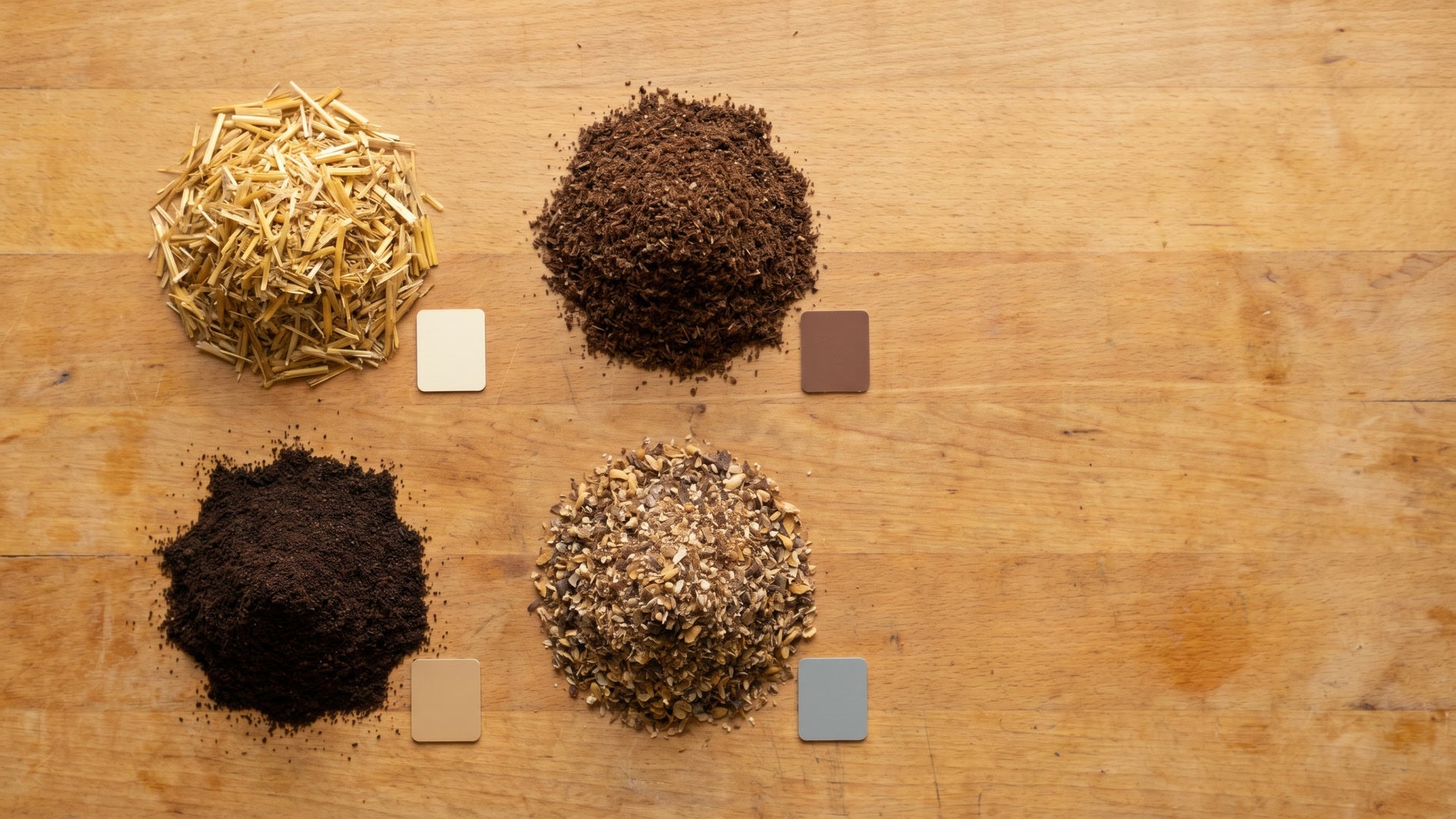
- Substrate: Hardwood sawdust (preferably oak) supplemented with bran
- Light: Indirect light, not direct sunlight
- Fresh air exchange: Regular but gentle air circulation
Using the Smart Mushroom Grow Kit
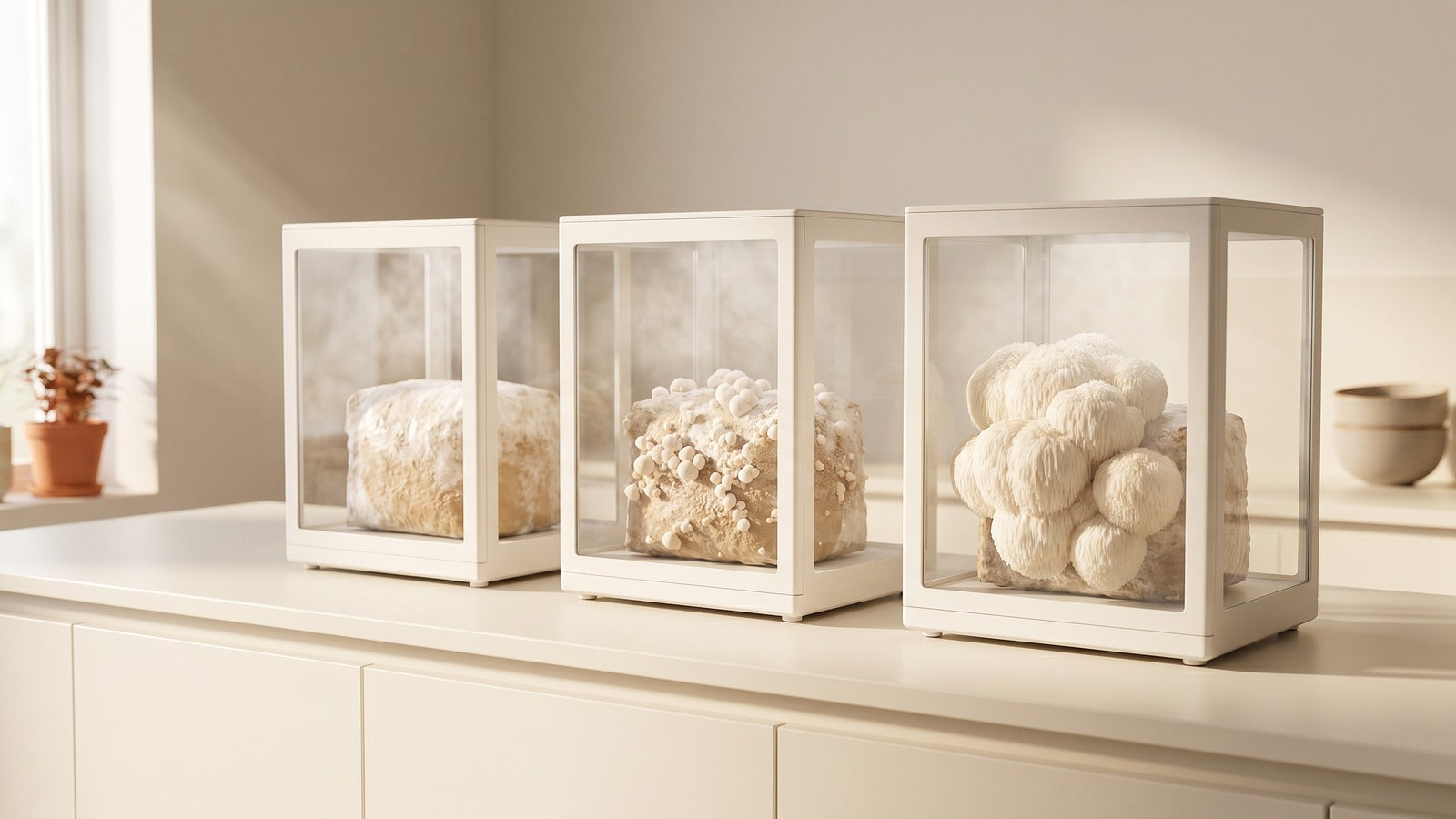
The Smart Mushroom Grow Kit from Lykyn provides an ideal environment for growing hen of the woods at home, eliminating the guesswork and complexity of maintaining perfect conditions. This innovative system features:
- Automated humidity control through an integrated 2.8L tank
- Smart sensors that adjust airflow and environmental parameters
- built-in filtration to prevent contamination
- App integration for selecting species-specific growing programs
- Silent operation suitable for any home environment
For hen of the woods cultivation, the Smart Mushroom Grow Kit offers significant advantages:
- Precise environmental control: Maintains the exact conditions this mushroom needs
- Reduced contamination risk: built-in filtration and controlled environment minimize common issues
- Simplified process: Set-and-forget automation after initial setup
- Multiple harvests: Support through several fruiting cycles
Cultivation Methods
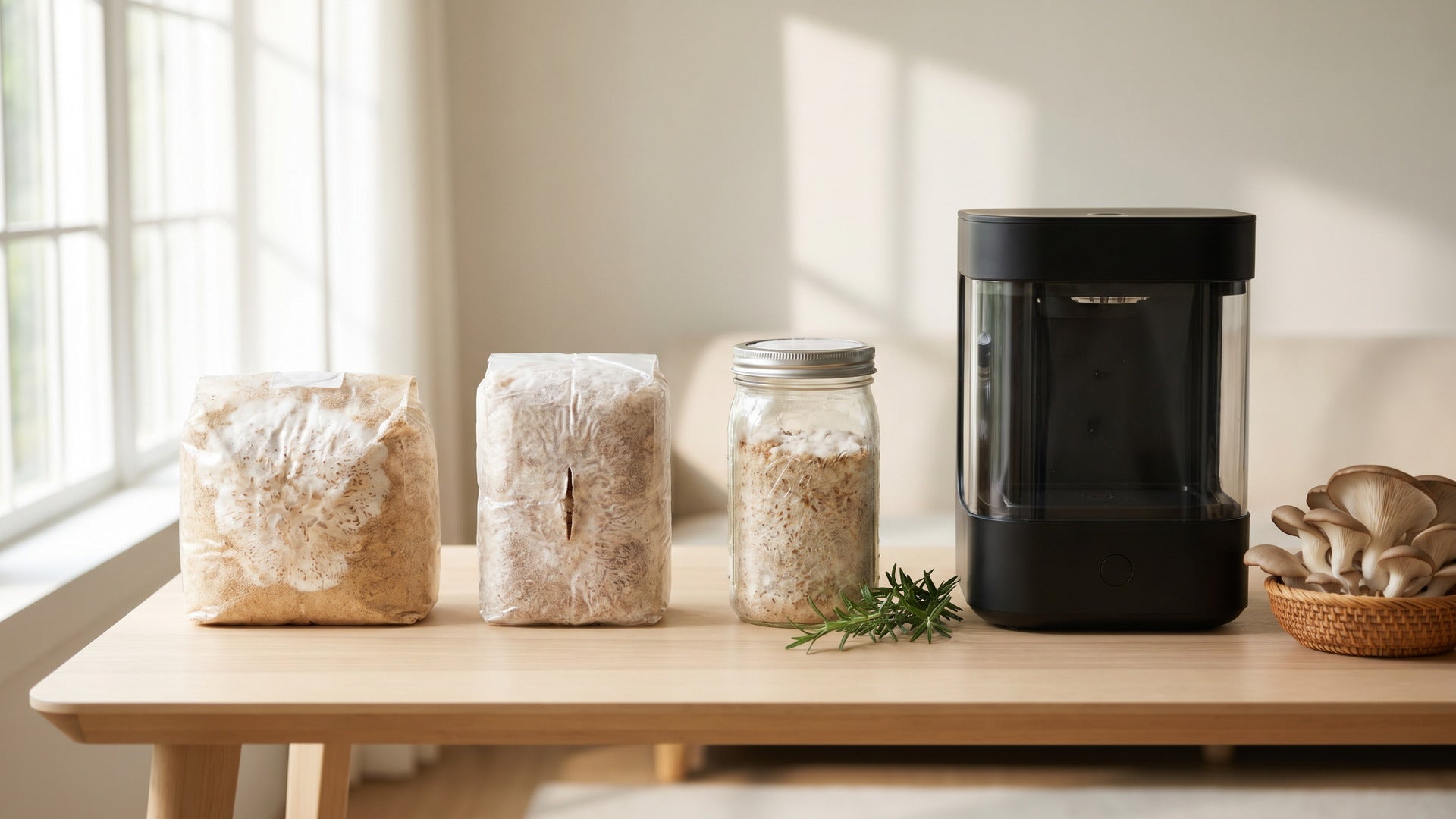
There are several approaches to growing hen of the woods at home:
1. Using a Pre-colonized Kit
For beginners, the simplest approach is using a pre-colonized substrate block:
- Place the colonized block in your Smart Mushroom Grow Chamber
- Fill the integrated humidifier with water
- Select "Maitake/Hen of the Woods" in the Lykyn app
- Allow 2-4 weeks for fruiting to begin
- Harvest when caps reach full size but before edges dry out
2. Growing from Spawn
For more advanced cultivators:
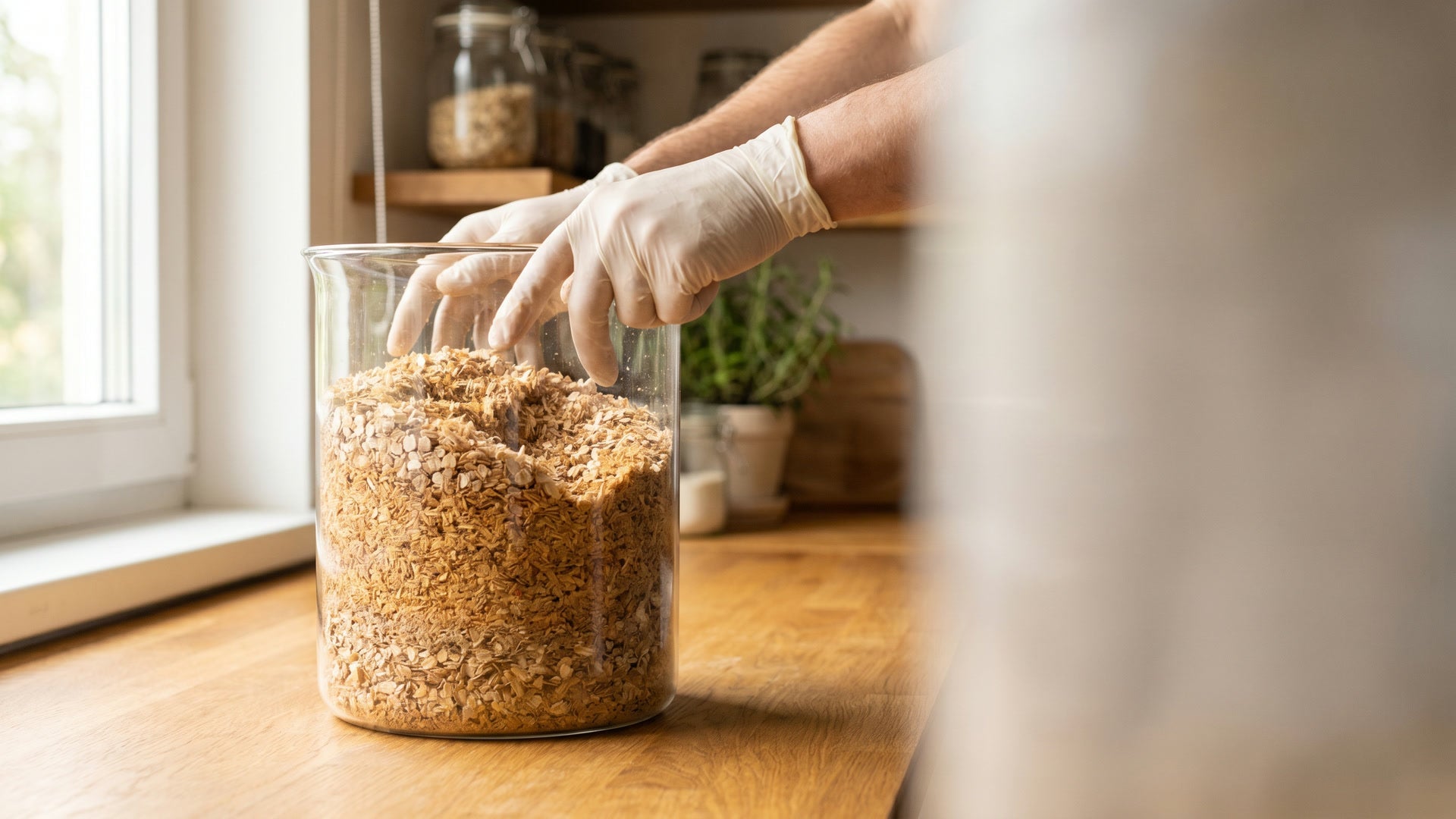
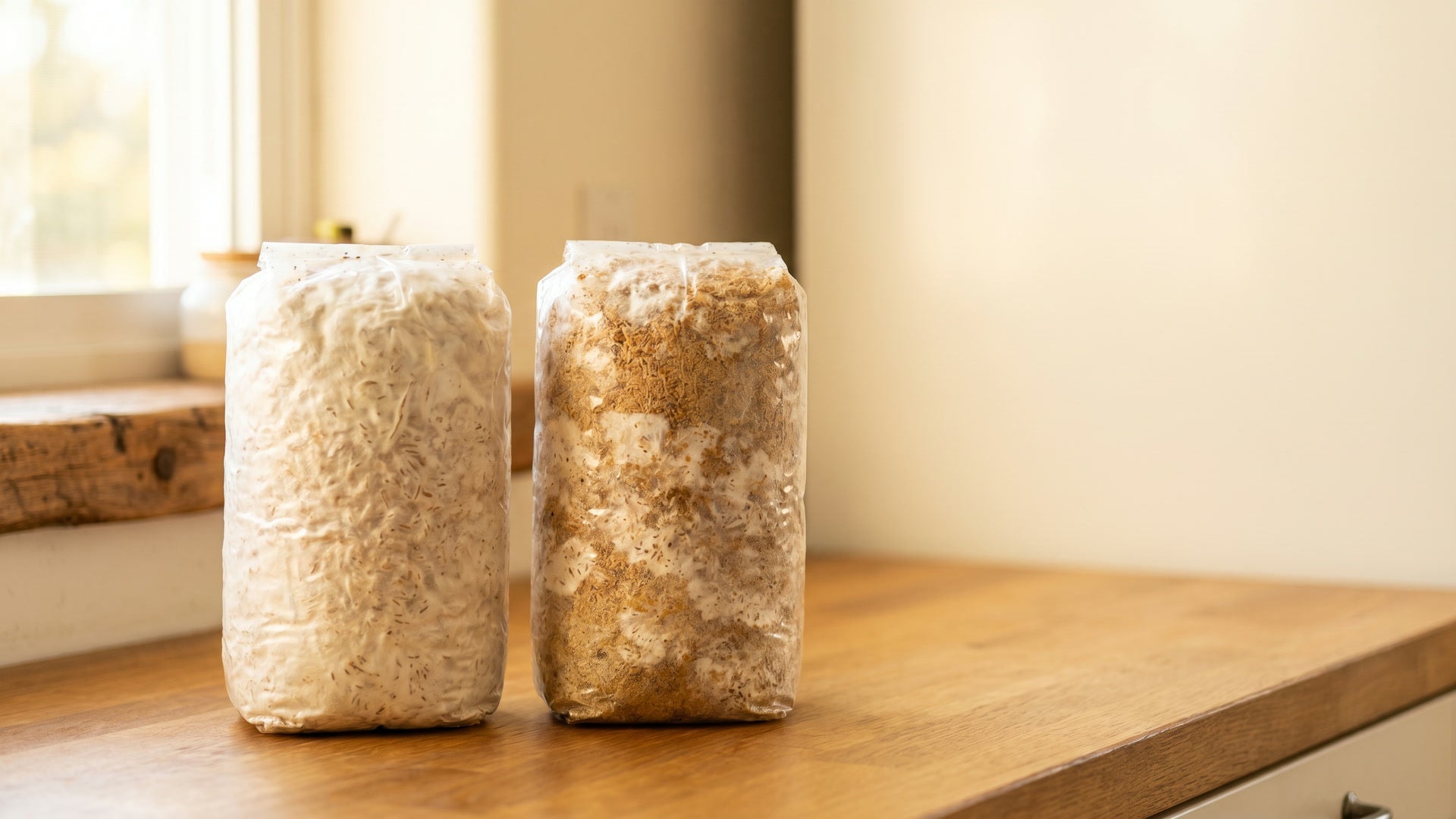
- Obtain hen of the woods spawn (colonized grain or sawdust)
- Prepare a substrate mix of hardwood sawdust and bran (4:1 ratio)
- Sterilize the substrate (using a pressure cooker)
- Mix spawn with substrate in sterilized bags
- Allow full colonization (3-4 weeks)
- Place fully colonized substrate in the Smart Mushroom Grow Chamber
- Maintain optimal fruiting conditions as guided by the app
3. Starting with Liquid Culture
For experienced growers:
- Obtain a liquid culture syringe containing live hen of the woods mycelium
- Inoculate sterilized grain jars
- Use colonized grain to expand to more grain or inoculate substrate
- Transfer fully colonized substrate to fruiting conditions
Hen of the woods typically takes longer to colonize and fruit than other mushroom species, so patience is essential. However, the exceptional quality and quantity of harvests make it well worth the wait.
Culinary Uses and Preparation
Hen of the woods is highly prized in culinary circles for its rich flavor and versatile applications in cooking.
Flavor Profile
This mushroom offers a distinctive taste profile that includes:
- Rich, umami flavor
- Earthy, woodsy notes
- Subtle nutty undertones
- Firm, meaty texture that becomes tender when cooked
Harvesting and Preparation
When harvesting wild or home-grown hen of the woods:
- Use a sharp knife to cut the cluster at the base, leaving the core attached to the tree if wild-harvested
- Clean thoroughly by breaking into smaller sections and brushing away debris
- Inspect for insects and remove any affected parts
- Store unwashed in paper bags in the refrigerator for up to a week
- Clean just before cooking
Cooking Techniques
Hen of the woods excels with various cooking methods:
- Sautéing: Perhaps the most popular method, quickly cooked in butter or oil to develop rich flavors
- Roasting: Enhances the nutty characteristics and creates crispy edges
- Grilling: The firm texture holds up well to grilling, developing smoky notes
- Braising: Long, slow cooking creates tender results for stews and soups
- Tempura: Light battering and quick frying highlights the texture contrast
Preservation Methods
To enjoy hen of the woods beyond its fresh state:
- Freezing: Sauté first, then freeze in airtight containers
- Drying: Slice thinly and dehydrate, then store in airtight containers
- Pickling: Preserves both flavor and texture for extended periods
Health Benefits and Nutritional Value
Beyond its culinary appeal, hen of the woods has gained attention for its potential health benefits and nutritional profile.
Nutritional Composition
Hen of the woods offers impressive nutritional value:
- Low in calories
- High in protein (for a mushroom)
- Rich in fiber
- Contains potassium, magnesium, and zinc
- Source of B vitamins
- Contains antioxidants and beneficial compounds
Medicinal Properties
Traditional medicine systems, particularly in Asia, have long valued hen of the woods. Modern research has begun investigating several potential health benefits:
- Immune Support: Contains beta-glucans that may help modulate immune function
- Blood Sugar Regulation: Some studies suggest potential benefits for glucose metabolism
- Antioxidant Properties: Contains compounds that may help combat oxidative stress
- Adaptogenic Effects: May help the body respond to various stressors
While research continues to explore these potential benefits, hen of the woods remains a nutritious food with a long history of traditional use for supporting wellness.
Growing Versus Foraging: Pros and Cons
Both growing and foraging hen of the woods have distinct advantages and considerations.
Foraging Benefits and Challenges
Benefits:
- Connection with nature and seasonal rhythms
- Potential for large harvests at no cost
- The thrill of discovery
- Learning forest ecology
Challenges:
- Season and weather dependent
- Requires identification skills
- Competition from other foragers
- Travel to suitable locations
- Sustainable harvesting considerations
Cultivation Benefits and Challenges
Benefits:
- Year-round availability
- Guaranteed harvests without identification concerns
- Controlled growing environment
- Multiple harvests from a single setup
- No need to travel to foraging locations
Challenges:
- Initial investment in equipment and supplies
- Learning curve for cultivation techniques
- Patience required for slower-growing species
- Space requirements
The Smart Mushroom Grow Kit addresses many of the traditional cultivation challenges by automating environmental control and simplifying the growing process.
Frequently Asked Questions About Hen of the Woods
How can I tell if a hen of the woods mushroom is too old to eat?
Fresh hen of the woods should have firm caps with good color and a pleasant, mushroomy smell. Avoid specimens that show signs of:
- Sliminess or excessive moisture
- Strong, unpleasant odors
- Excessive insect damage
- Brittle, dry texture throughout
- Discoloration or yellowing
Younger specimens generally offer better flavor and texture than older ones.
Can I grow hen of the woods outdoors?
Yes, hen of the woods can be grown outdoors on hardwood logs or stumps, particularly oak. This method takes longer (1-2 years for first fruiting) but can produce harvests for many years. For controlled, faster results, indoor cultivation with the Smart Mushroom Grow Kit is recommended.
How many harvests can I get from one growing block?
With proper conditions, a single hen of the woods substrate block can produce 2-3 flushes (harvests) over several months. Each flush typically yields slightly less than the previous one. The Smart Mushroom Grow Kit helps maximize yield by maintaining optimal conditions throughout multiple fruiting cycles.
What trees besides oak can hen of the woods grow on?
While oak is by far the most common host tree, hen of the woods can occasionally be found on maple, beech, chestnut, and elm trees. For cultivation purposes, oak-based substrate generally produces the best results.
How does hen of the woods compare to other gourmet mushrooms?
Hen of the woods offers several advantages compared to other gourmet species:
- More substantial harvest volume than many other varieties
- Excellent shelf life when properly stored (5-7 days refrigerated)
- Superior flavor complexity compared to common button mushrooms
- More forgiving in cooking (less likely to become rubbery)
- Greater versatility in preparation methods
Conclusion: Embracing the Hen of the Woods Experience
Whether found in the wild or cultivated at home, hen of the woods represents one of nature's most impressive fungal offerings. Its distinctive appearance, remarkable flavor, nutritional benefits, and substantial size make it a favorite among mushroom enthusiasts worldwide.
For those interested in reliable home cultivation, the Smart Mushroom Grow Kit offers an elegant solution to the traditional challenges of maintaining proper growing conditions. By automating humidity, airflow, and other critical parameters, this innovative system makes it possible to enjoy fresh hen of the woods mushrooms year-round, regardless of season or foraging access.
Whether you're motivated by culinary exploration, wellness interests, or simply the satisfaction of growing your own food, hen of the woods mushrooms offer a rewarding addition to your mushroom journey. With proper identification skills for foragers or the right equipment for home growers, this magnificent mushroom is accessible to enthusiasts at all experience levels.
Start Your Hen of the Woods Journey Today
Ready to experience the remarkable hen of the woods mushroom for yourself? Begin your cultivation adventure with the Lykyn Smart Mushroom Grow Kit, designed to take the guesswork out of mushroom growing and provide optimal conditions for successful harvests.
Explore our blog for more information on growing various mushroom species and discover why more home cultivators are turning to smart growing solutions for reliable, high-quality mushroom production. From gourmet dining to wellness support, hen of the woods mushrooms offer endless possibilities for the curious cultivator.


Share:
Sheepshead Mushroom: Complete Guide to Identifying, Growing, and Cooking Maitake
Truffle Mushrooms: The Complete Guide to Luxury Fungi Varieties, Cultivation & Uses