


The sheepshead mushroom, also known as maitake or hen of the woods, is one of nature's most impressive fungi treasures. With its distinctive clustering appearance, remarkable flavor profile, and extensive health benefits, this mushroom has gained popularity among foragers, cultivators, and health enthusiasts alike. Whether you're interested in finding this mushroom in the wild, growing it at home, or incorporating it into your wellness routine, this comprehensive guide will provide you with everything you need to know about the fascinating Grifola frondosa.

Understanding the Sheepshead Mushroom
The sheepshead mushroom (Grifola frondosa) goes by several common names across different cultures, reflecting both its appearance and significance:
- Hen of the Woods: For its resemblance to a fluffed hen sitting on a nest
- Sheepshead: Particularly in regions like western Pennsylvania and eastern Ohio, due to its resemblance to a wooly sheep's crown
- Maitake: The Japanese name meaning "dancing mushroom," as finders would reportedly dance for joy upon discovering this prized fungus
- Ram's Head: Another reference to its sheep-like appearance
This polypore mushroom is native to China, Europe, and North America, where it grows primarily at the base of oak trees, though it can occasionally be found near other hardwoods like maple.
Biological Characteristics
Sheepshead mushrooms have several distinctive characteristics that make them relatively easy to identify:
- Growth Pattern: Grows in large, rosette-like clusters that can weigh anywhere from 3 to 30 pounds, with exceptional specimens reaching over 100 pounds
- Appearance: Composed of multiple, overlapping spoon or fan-shaped caps attached to a branched base
- Color: Typically grayish-brown to tan, with color variations from dark brown to light cream
- Texture: Firm but flexible caps with white pores underneath instead of gills
- Season: Typically appears in late summer through fall (August-October)
- Habitat: Almost exclusively found at the base of oak trees, especially older or stressed trees
Ecological Role
The sheepshead mushroom plays an interesting ecological role as both a parasite and saprobe. It initially infects living trees, particularly older oaks, causing a white rot at the base of the tree. It can continue to fruit at the same location for many years, even after the tree has died, switching to a fully saprobic role. This unique life cycle makes sheepshead/maitake spots valuable to foragers, as a productive tree can yield harvests year after year.
Identifying Sheepshead Mushrooms in the Wild
For foragers, correctly identifying sheepshead mushrooms is crucial. Thankfully, this species has few dangerous look-alikes, making it a good choice for beginners once they learn the key identification features.
Essential Identification Features
When seeking sheepshead mushrooms in the wild, look for these definitive characteristics:
- Location: Almost exclusively at the base of oak trees, rarely elsewhere
- Structure: Multiple overlapping caps forming a rosette pattern
- Underside: White pore surface (not gills) that doesn't bruise when touched
- Stem: Complex, branched structure rather than individual stems for each cap
- Smell: Pleasant earthy, mushroomy aroma
- Season: Late summer through fall, typically appearing after rainy periods
Look-alikes and Differentiation
While sheepshead mushrooms are considered one of the safer wild mushrooms to identify, there are still a few look-alikes to be aware of:
Black-staining Polypore (Meripilus sumstinei):
- Similar growth pattern and habitat
- Stains black when bruised or handled (key differentiator)
- Edible but tougher texture than sheepshead
- Also grows at the base of oak trees
Berkeley's Polypore (Bondarzewia berkeleyi):
- Similar cluster appearance but with larger, thicker caps
- Grows on a wider variety of tree species
- Tougher texture than sheepshead
Umbrella Polypore (Polyporus umbellatus):
- Grows in a similar rosette pattern
- Has distinct roundish caps with central stems
- Less common than sheepshead
None of these look-alikes are dangerously poisonous, making the sheepshead mushroom a relatively safe choice for beginning foragers. However, as with any wild mushroom, proper identification is essential before consumption.
Cultivating Sheepshead Mushrooms at Home
While traditionally harvested from the wild, sheepshead/maitake mushrooms can be successfully grown at home with the right techniques and equipment. Cultivation offers a reliable source of these valuable mushrooms year-round without the uncertainty of foraging.
Using the Smart Mushroom Grow Kit
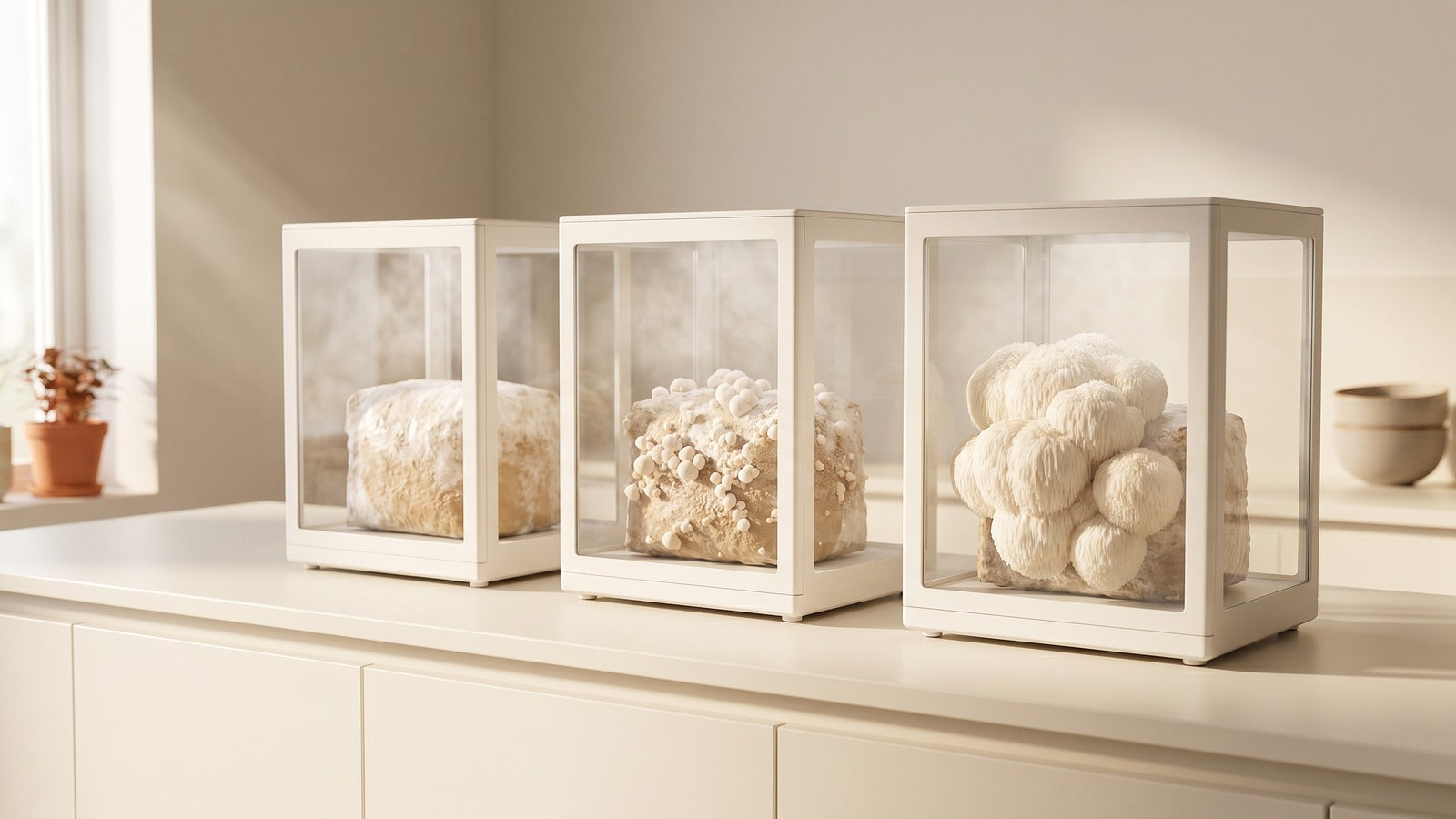
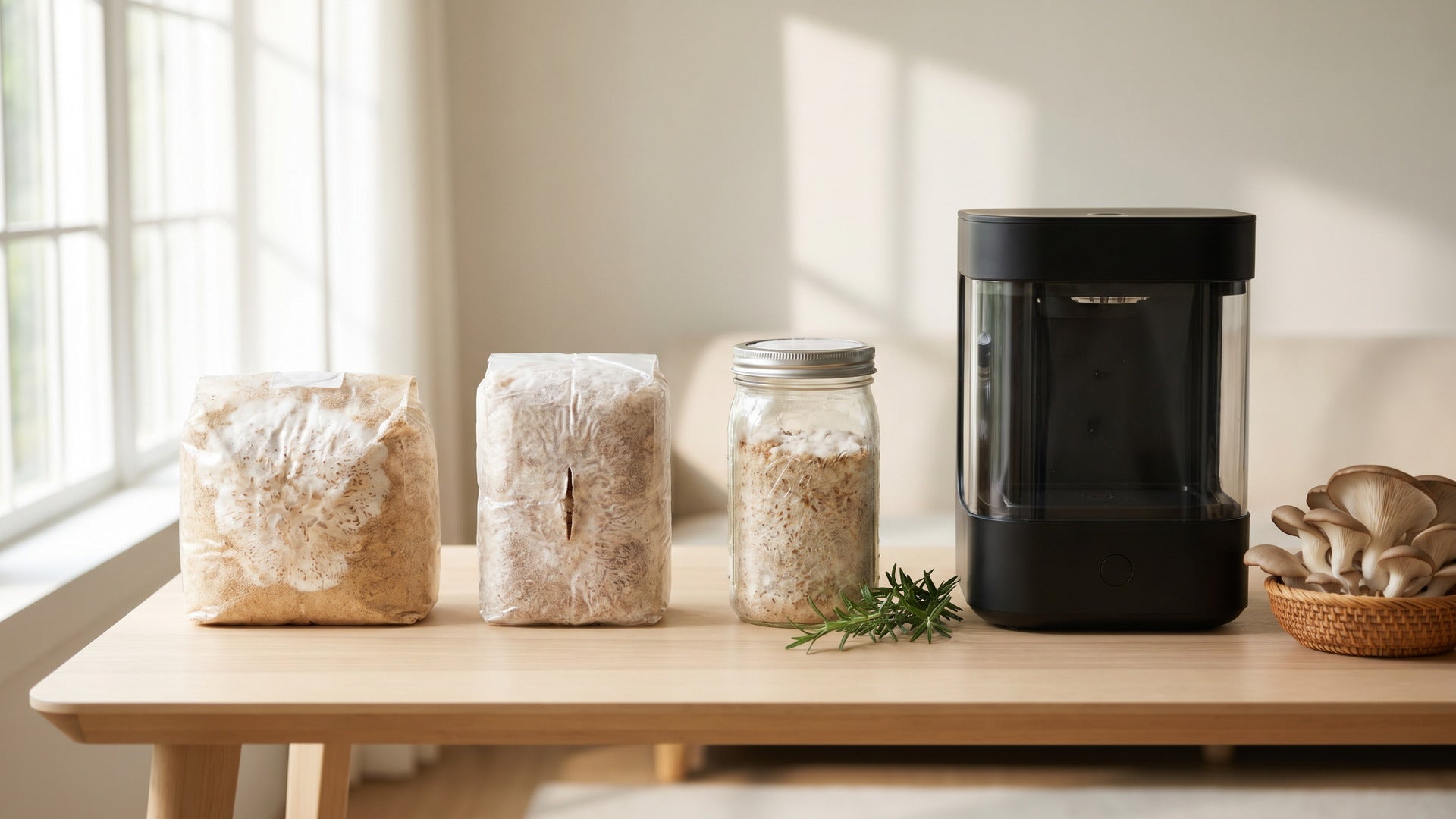
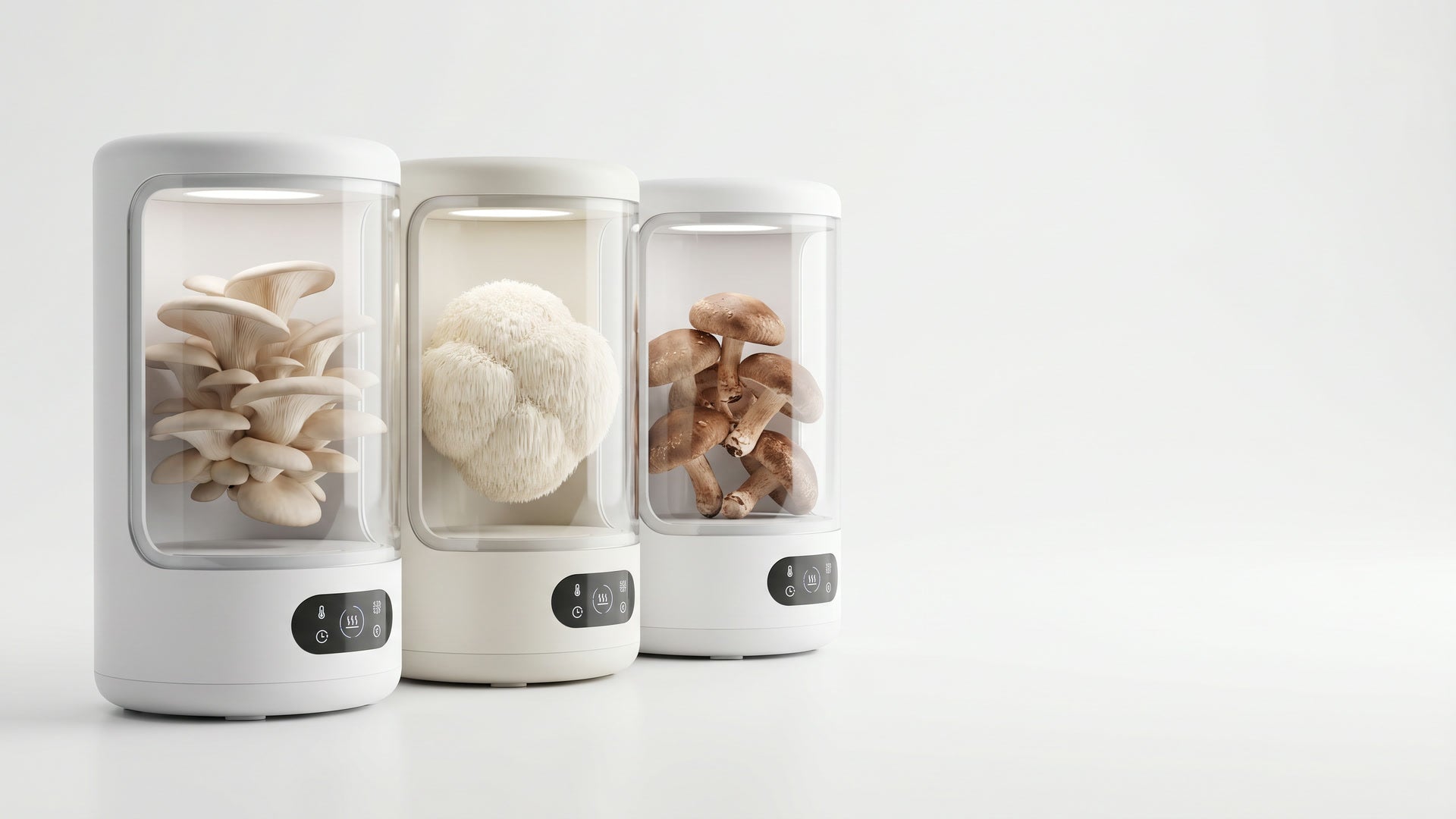
The Smart Mushroom Grow Kit from Lykyn provides an ideal environment for growing sheepshead mushrooms at home. This innovative system features:
- Automated humidity and airflow control through sensors and app integration
- built-in filtration to prevent contamination
- Silent operation suitable for any home environment
- Easy-to-clean surfaces for maintaining sterile conditions
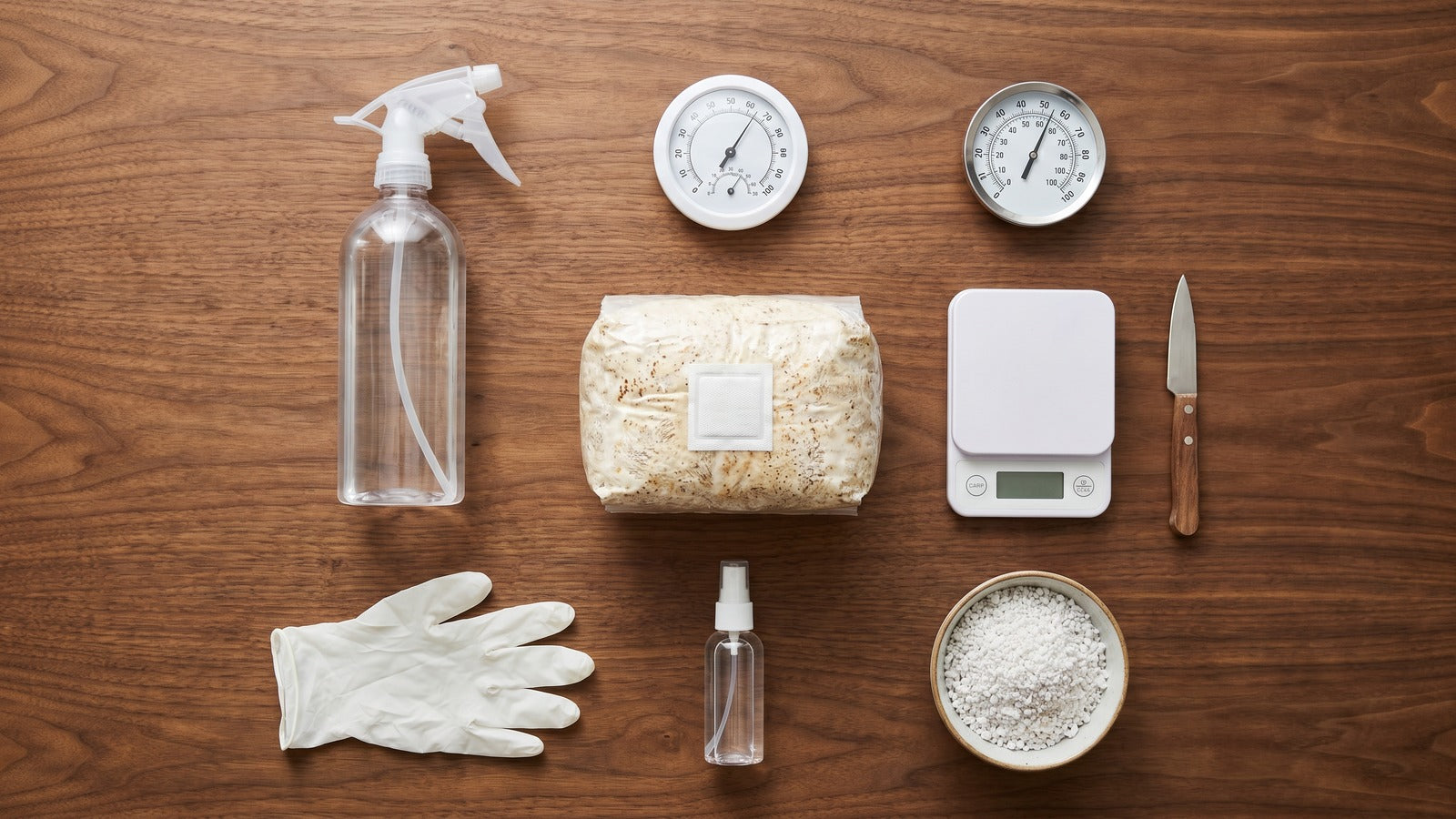
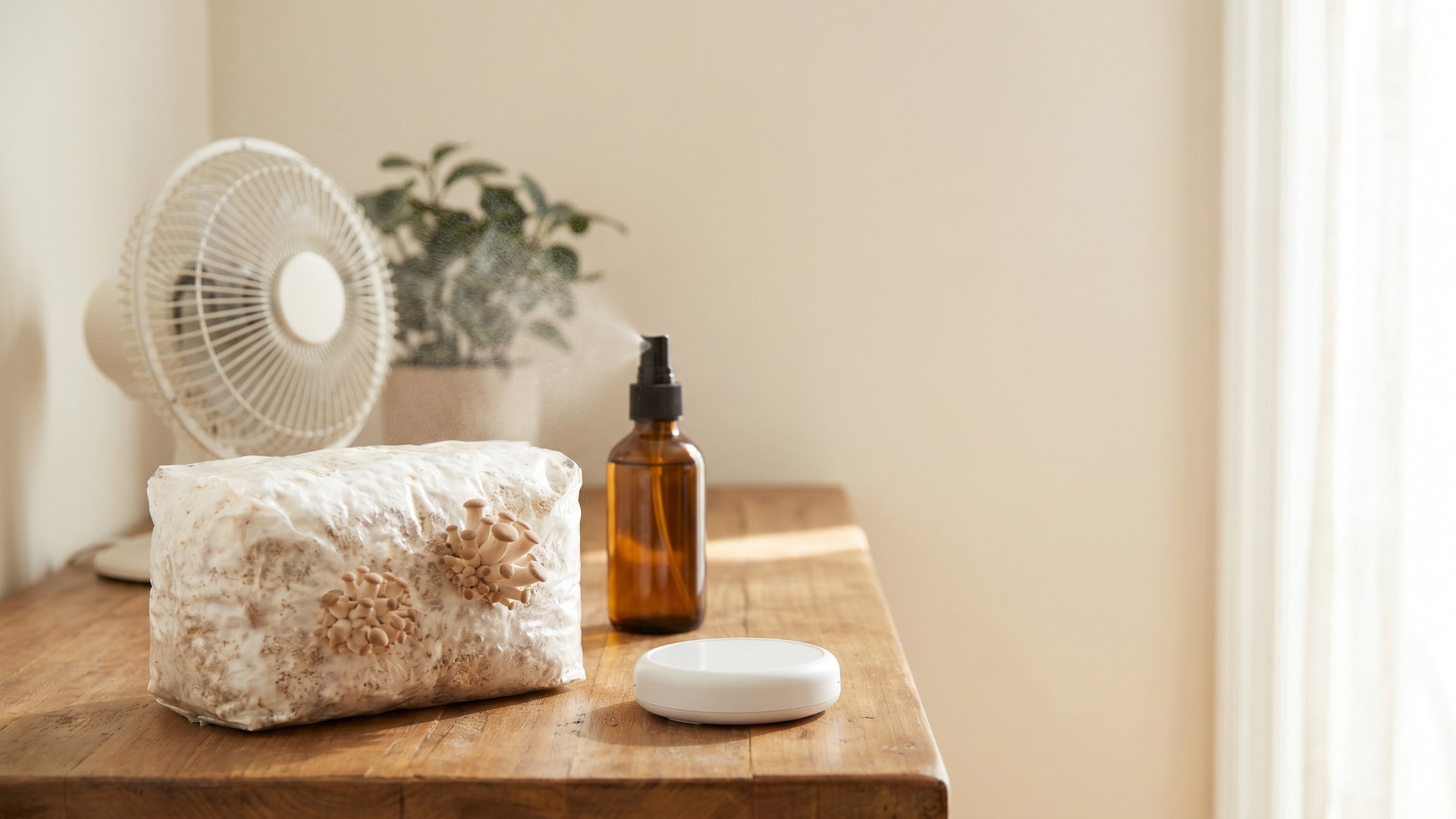
As detailed in our how to grow maitake mushrooms guide, maitake cultivation requires specific conditions that the Smart Mushroom Grow Kit can maintain with minimal effort:
- Temperature: 70-75°F (21-24°C) for mycelium growth; 55-65°F (12-18°C) for fruiting
- Humidity: 85-95% humidity, especially during fruiting
- Fresh Air Exchange: Regular but gentle air circulation
- Light: Indirect light (not direct sunlight)
Cultivation Methods
There are several approaches to growing sheepshead mushrooms at home:
1. Using a Pre-colonized Kit
For beginners, the simplest approach is to use a pre-colonized substrate block:
- Place the colonized block in your Smart Mushroom Grow Chamber
- Fill the integrated humidifier with water
- Select "Maitake" in the Lykyn app
- Maintain proper conditions as guided by the app
- Harvest when caps reach full size (typically 1-3 inches across)
2. Starting from Spawn
For more advanced growers:
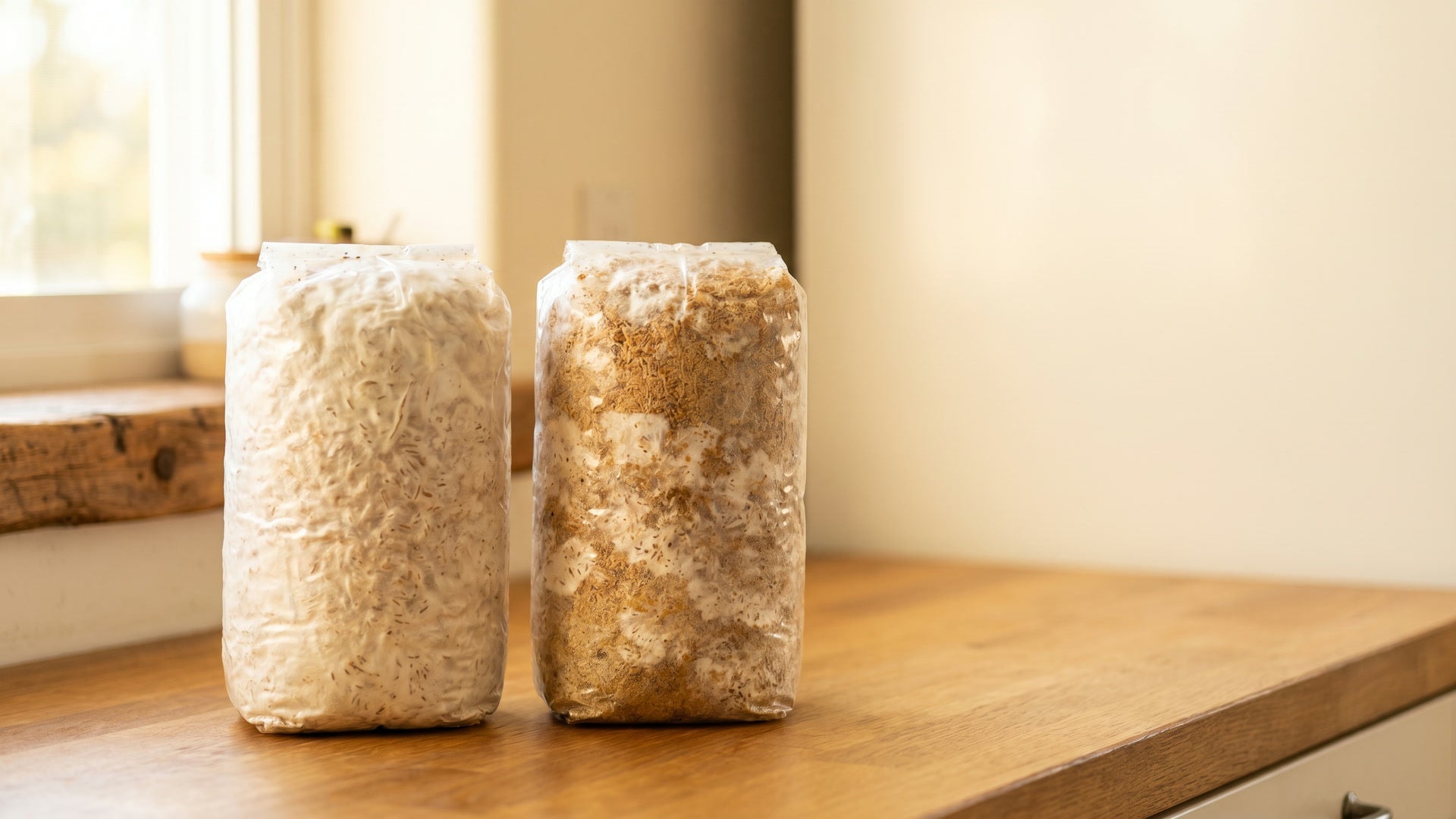
- Obtain maitake spawn (colonized grain or sawdust)
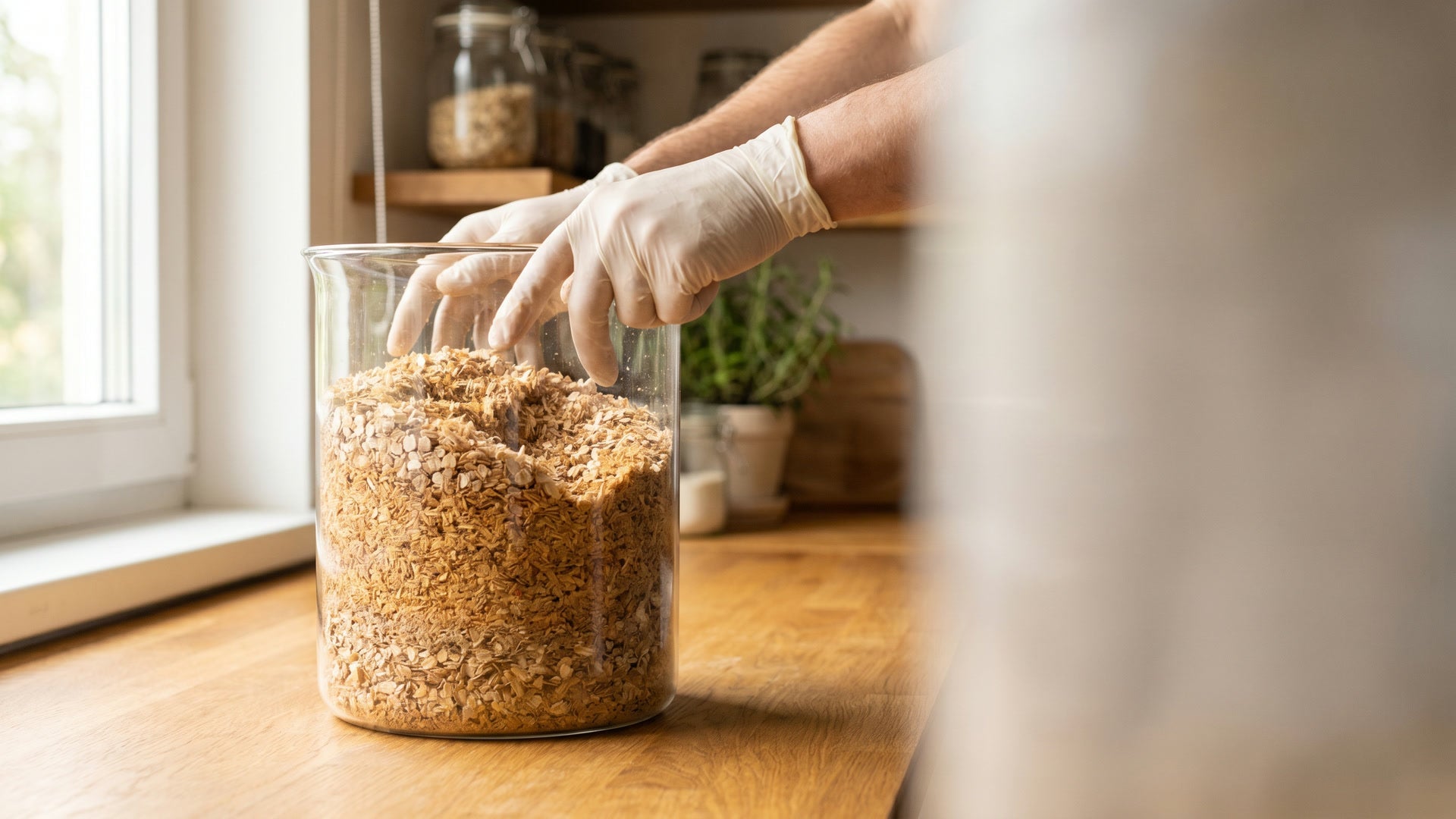
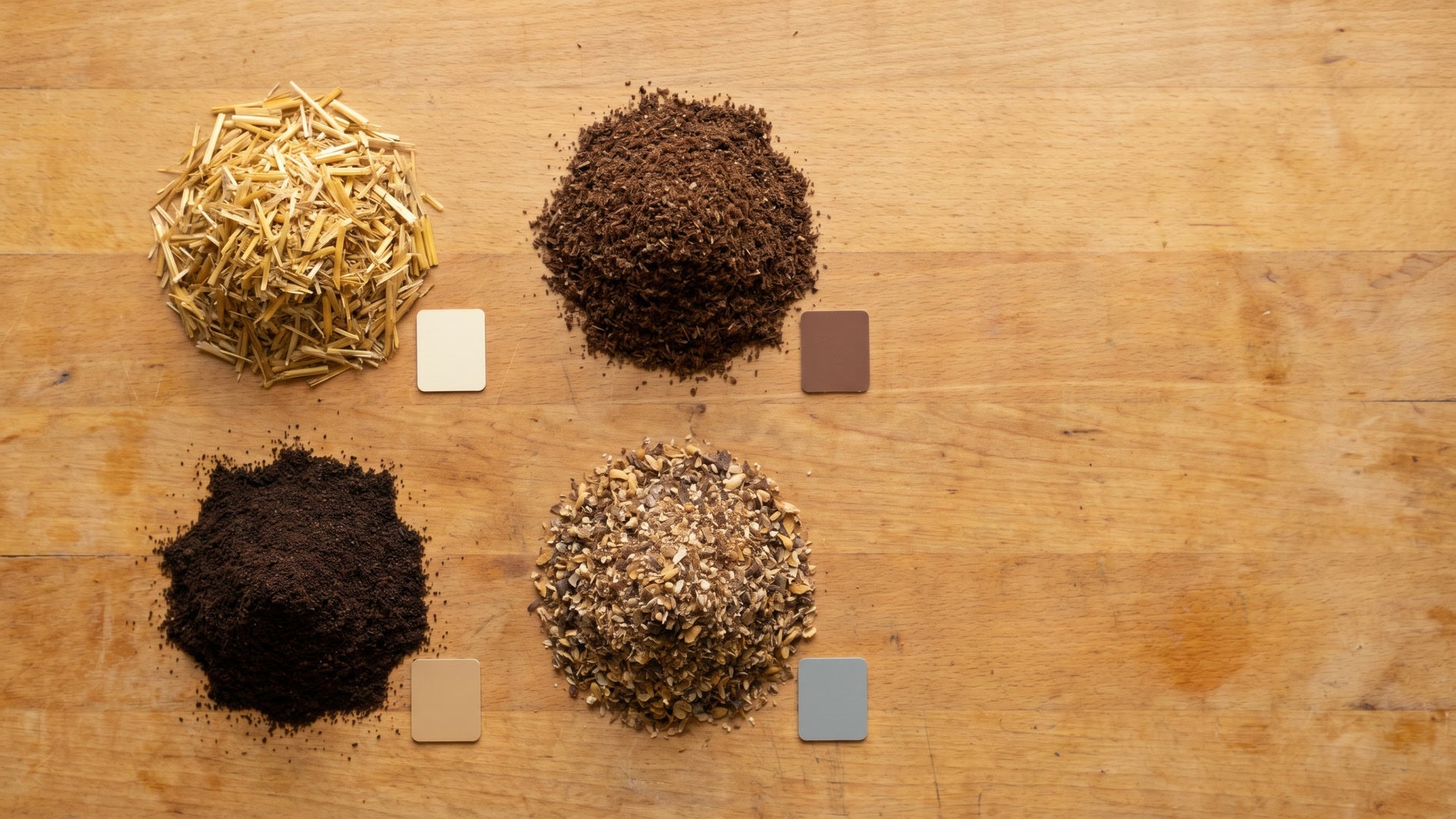
- Prepare a substrate of hardwood sawdust supplemented with bran (common ratio: 80% sawdust, 20% bran)
- Mix spawn with substrate in sterilized bags
- Allow full colonization (2-4 weeks)
- Place colonized bags in the Smart Mushroom Grow Chamber for fruiting
3. Using Liquid Culture
For experienced cultivators, starting with liquid culture offers the most control:
- Use a Liquid Culture Syringe to inoculate sterilized grain
- Allow grain to fully colonize (2-3 weeks)
- Use colonized grain to inoculate substrate bags
- Transfer fully colonized substrate to the Smart Mushroom Grow Chamber for fruiting
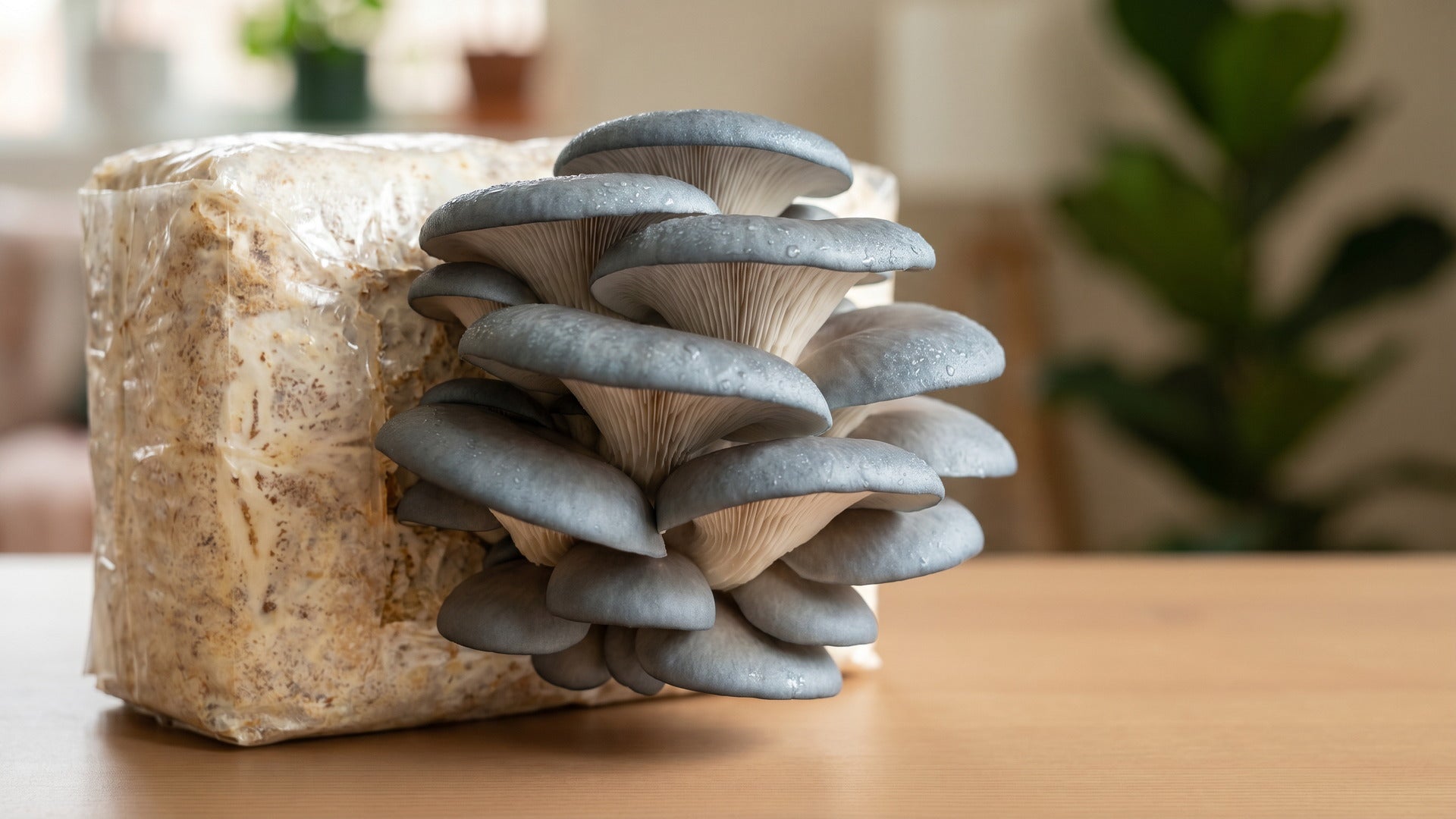
Sheepshead mushrooms typically take longer to colonize and fruit than more beginner-friendly species like oyster mushrooms, so patience is key. However, the exceptional flavor and medicinal benefits make the wait worthwhile.
Health Benefits and Nutritional Value
Sheepshead mushrooms have been prized in traditional medicine for centuries, particularly in Asian cultures. Modern research has begun to validate many of the traditional uses, revealing an impressive array of potential health benefits.
Nutritional Profile
Maitake mushrooms offer excellent nutritional value with:
- Low calories (approximately 35 calories per 100g serving)
- High in protein compared to most vegetables
- Rich in dietary fiber
- Contains essential minerals including potassium, calcium, and magnesium
- Good source of vitamins B and D
- Contains various antioxidants and beneficial compounds
Medicinal Properties
Research has identified several bioactive compounds in sheepshead mushrooms that may contribute to their health-promoting effects:
- Beta-Glucans: Complex polysaccharides that may support immune function and help regulate blood sugar
- Polysaccharide-K (PSK): Studied for potential immune-modulating and anti-tumor properties
- Antioxidants: Help neutralize free radicals and reduce oxidative stress
Some of the potential health benefits under investigation include:
- Immune System Support: May enhance immune function and improve response to pathogens
- Blood Sugar Regulation: Some studies suggest it may help maintain healthy glucose levels
- Cholesterol Management: Preliminary research indicates potential benefits for lipid profiles
- Adaptogenic Properties: May help the body respond to stress and maintain balance
While research continues to explore these potential benefits, sheepshead mushrooms remain a nutritious food with a long history of traditional use.
Culinary Uses and Preparation
Beyond their health benefits, sheepshead mushrooms are prized by chefs and home cooks for their exceptional flavor and versatile culinary applications.
Flavor Profile
Sheepshead mushrooms offer a distinctive taste often described as:
- Earthy and woodsy
- Rich umami character
- Subtle hints of nuts and spice
- Meaty texture that becomes tender when cooked
Preparation Techniques
Cleaning: Sheepshead mushrooms can collect dirt and debris between their many folds:
- Break apart the cluster into smaller sections
- Brush off visible debris with a soft brush or damp cloth
- Rinse quickly under cool water if necessary (don't soak)
- Pat dry thoroughly before cooking
Cooking Methods: This versatile mushroom excels with multiple cooking techniques:
- Sautéing: Perhaps the most popular method, quickly sautéed in butter or oil to develop rich flavors
- Roasting: Brings out nutty characteristics and creates crispy edges
- Grilling: Holds up well to grilling, developing smoky notes
- Braising: Longer cooking in liquid creates tender results for stews and soups
- Frying: Can be battered and fried for a crispy texture contrast
Storage and Preservation
Fresh sheepshead mushrooms are best used within a week but can be preserved through several methods:
- Refrigeration: Store unwashed in a paper bag in the refrigerator for 5-7 days
- Freezing: Sauté first, then freeze in airtight containers for up to 6 months
- Drying: Slice thinly and dry using a dehydrator or low oven heat, then store in airtight containers
- Powdering: Dried mushrooms can be ground into powder for seasoning or tea
Frequently Asked Questions About Sheepshead Mushrooms
How can I be certain I've found a sheepshead mushroom?
The most reliable identification features are its growth at the base of oak trees, rosette-like cluster formation, white pore surface (not gills), and lack of black staining when handled. When in doubt, consult with experienced foragers or mycological societies before consumption. The sheepshead's distinctive appearance makes it one of the safer wild mushrooms to identify, particularly for beginners.
When is the best time to look for sheepshead mushrooms?
In North America, the prime season runs from late August through October, with timing varying based on your specific region and local weather conditions. Sheepshead mushrooms often appear after periods of rain followed by warm days. Once you locate a productive tree, mark it, as sheepshead mushrooms often return to the same location for years.
Can sheepshead mushrooms be grown on logs like shiitake?
While sheepshead mushrooms can theoretically be grown on logs, this method is less reliable than using supplemented sawdust blocks. Their natural growth pattern at the base of trees rather than on the trunk makes log cultivation more challenging. For home cultivation, sterilized sawdust substrate blocks used with the Smart Mushroom Grow Kit typically yield better results.
How do I know when my homegrown sheepshead mushrooms are ready to harvest?
Harvest sheepshead mushrooms when the caps have fully formed but before they begin to dry out at the edges. The ideal time is when individual caps reach about 1-3 inches across and the entire cluster has a fresh, firm appearance. In the Smart Mushroom Grow Chamber, this typically occurs 2-4 weeks after fruiting begins.
Are there any precautions to take when consuming sheepshead mushrooms?
As with any wild mushroom, it's best to start with a small amount if you've never eaten them before to ensure you don't have an individual sensitivity. Sheepshead mushrooms should always be thoroughly cooked before consumption. Some people may experience digestive discomfort with large amounts of any mushroom due to their chitin content.
Summary: The Remarkable Sheepshead Mushroom
The sheepshead mushroom (maitake/hen of the woods) stands as one of the most impressive edible fungi available to both foragers and cultivators. With its distinctive appearance, exceptional flavor profile, and impressive nutritional benefits, it's no wonder this mushroom has been prized across cultures for centuries.
Whether you're interested in searching for this magnificent mushroom in the wild or growing it at home with the Smart Mushroom Grow Kit, sheepshead mushrooms offer a rewarding experience for mushroom enthusiasts of all levels. Their relatively safe identification, substantial size, and multiple harvests make them an excellent choice for those looking to expand their mycological adventures.
From gourmet cuisine to traditional wellness applications, the sheepshead mushroom continues to capture the imagination and interest of people worldwide. By understanding its ecology, identification, cultivation requirements, and preparation methods, you can fully appreciate this remarkable fungus and incorporate it into your life in meaningful ways.
Ready to Begin Your Sheepshead Mushroom Journey?
Start your sheepshead mushroom cultivation adventure with the Lykyn Smart Mushroom Grow Kit. This innovative system takes the guesswork out of mushroom cultivation by maintaining optimal growing conditions automatically. Whether you're a beginner or experienced grower, the Smart Mushroom Grow Kit provides the perfect environment for successful sheepshead mushroom cultivation.
Explore our blog for more information on growing various mushroom species at home and discover why more home cultivators are turning to the Smart Mushroom Grow Kit for reliable, high-quality harvests year-round.
Share:
Nootropic Mushrooms: Complete Guide to Lion's Mane, Reishi & Cognitive-Enhancing Fungi
Hen of the Woods Mushroom: Ultimate Guide to Finding, Growing & Cooking This Gourmet Fungi