


Oyster mushrooms are among the most versatile and beginner-friendly fungi you can cook at home. With their delicate, slightly sweet flavor and tender texture, these fan-shaped mushrooms transform simple meals into gourmet experiences. Whether you're a cooking novice or an experienced chef, this comprehensive guide will teach you everything you need to know about preparing, cooking, and enjoying oyster mushrooms.
Quick Answer: To cook oyster mushrooms, clean them gently, remove tough stems, and sauté over medium-high heat with oil for 3-5 minutes until golden brown. Their mild flavor pairs perfectly with garlic, herbs, and butter for a simple yet delicious side dish.

Understanding Oyster Mushrooms: What Makes Them Special
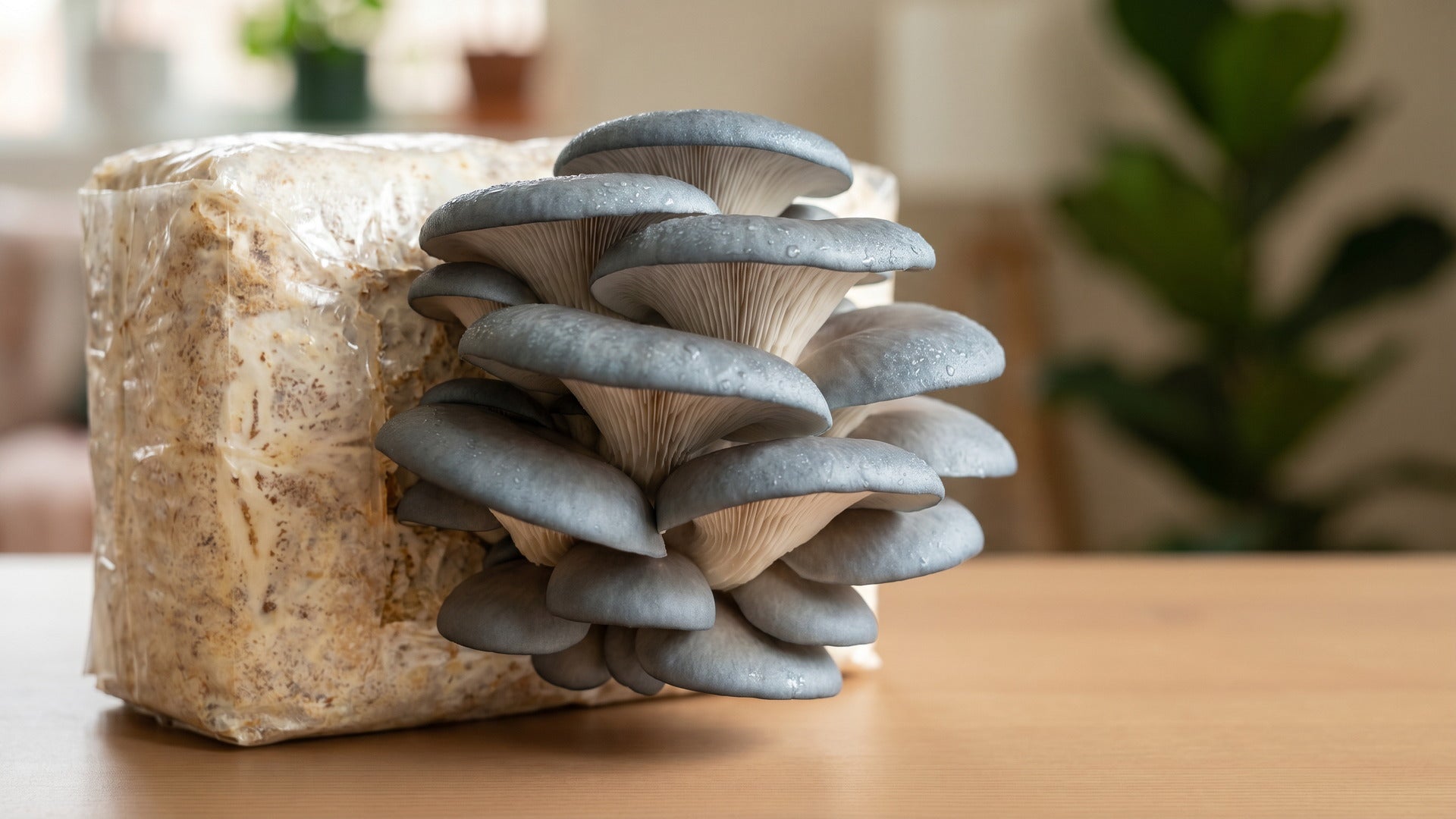
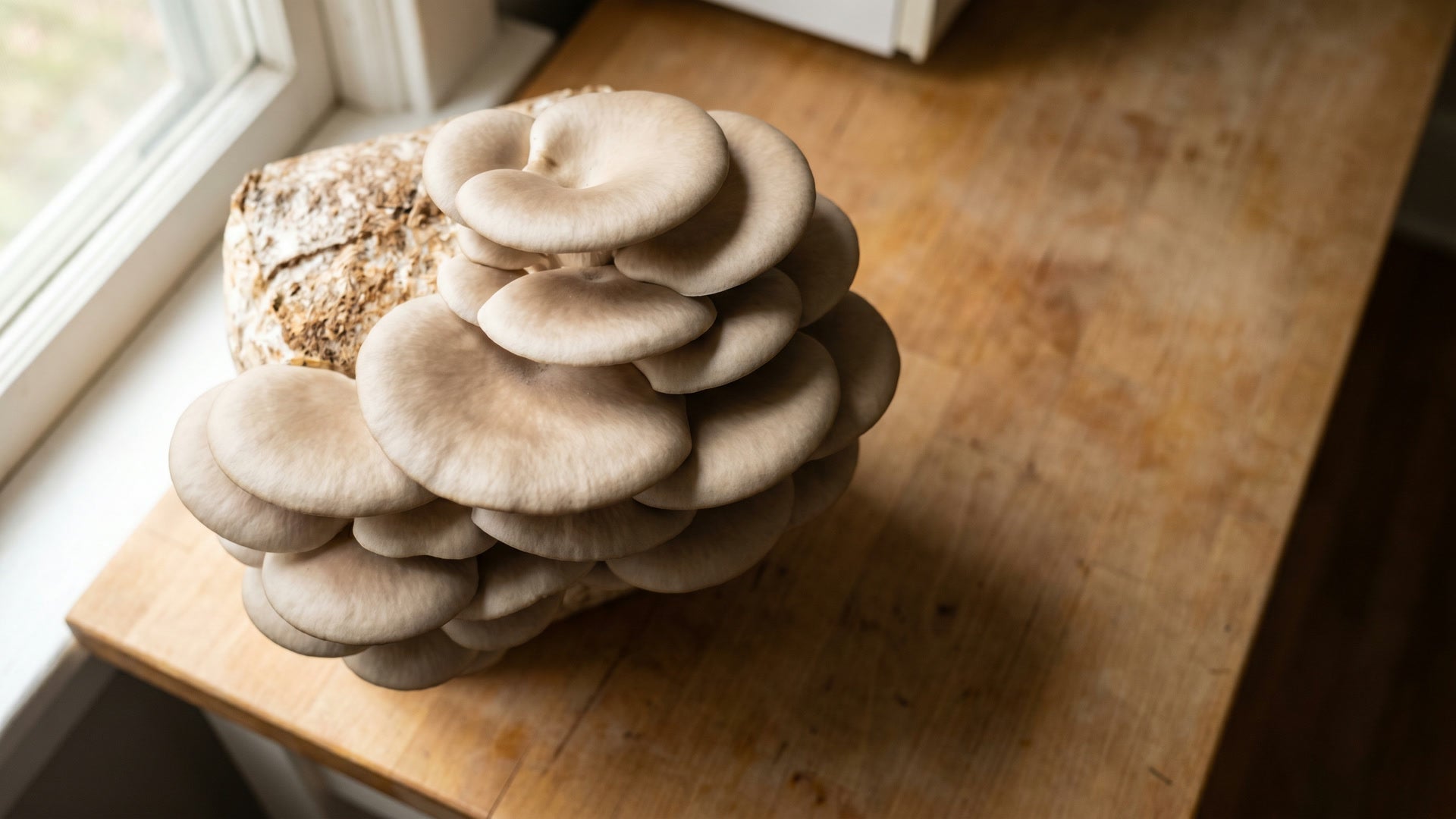
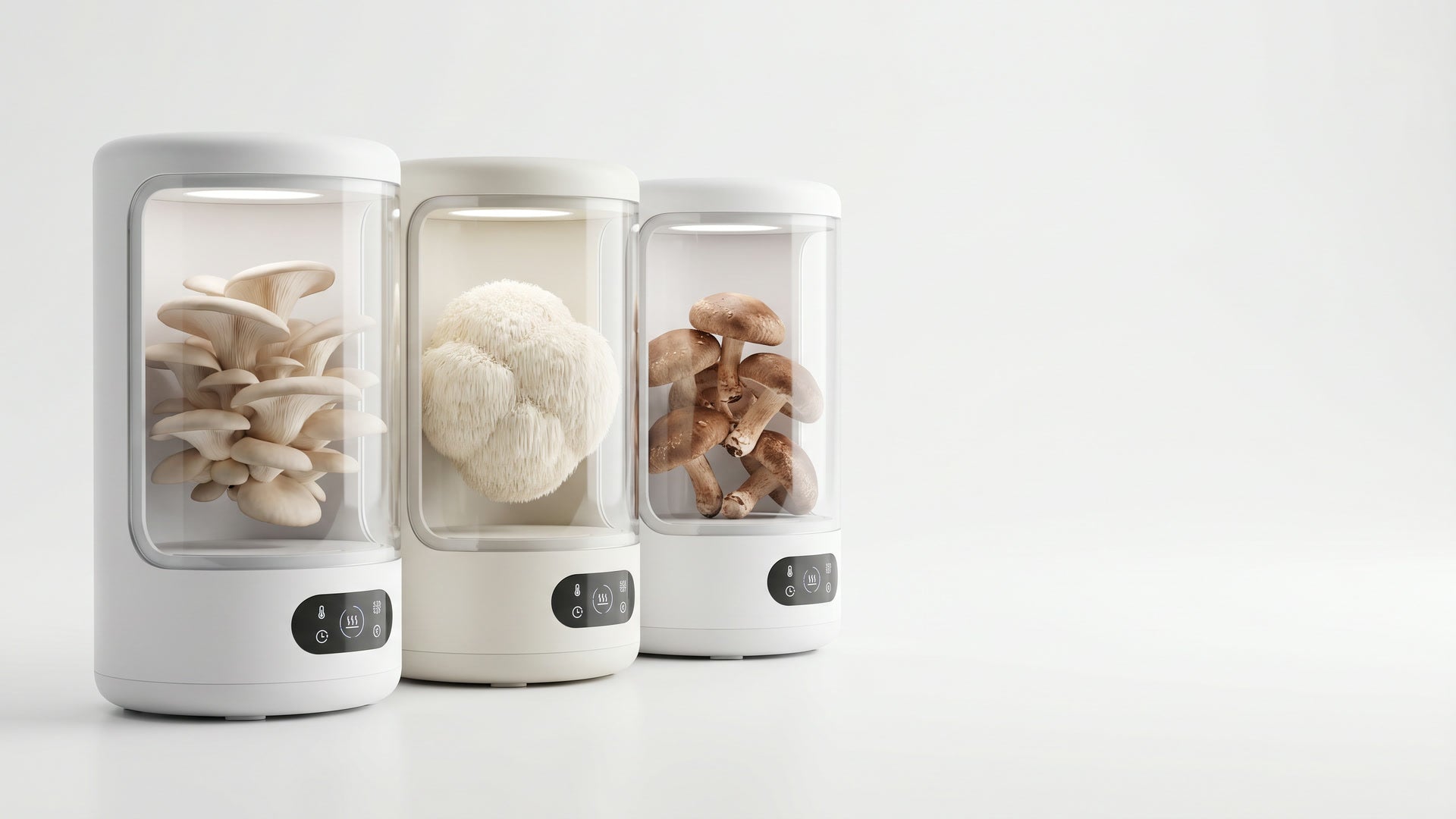
Oyster mushrooms (Pleurotus ostreatus) get their name from their distinctive oyster-shell shape and subtle oceanic flavor notes. These mushrooms grow naturally on trees in the wild but are also easily cultivated at home using a Smart Mushroom Grow Kit. Unlike many other mushroom varieties, oyster mushrooms have a tender texture that becomes beautifully velvety when cooked properly.
What sets oyster mushrooms apart is their incredible nutritional profile. As detailed in our comprehensive guide to oyster mushroom nutrition, these fungi are packed with protein, fiber, B vitamins, and immune-boosting compounds like beta-glucans. Their low calorie content and high protein make them an excellent choice for health-conscious cooks.
The flavor profile of oyster mushrooms is delicate and slightly sweet, with subtle umami notes that intensify during cooking. Raw oyster mushrooms can taste bland or slightly metallic, but the transformation that occurs when they're cooked is remarkable, they develop rich, savory depth that enhances any dish.
Essential Preparation Techniques for Oyster Mushrooms
Cleaning and Trimming Your Mushrooms
Proper preparation is crucial for achieving the best results when cooking oyster mushrooms. Start by gently brushing away any debris with a soft brush or paper towel. Avoid soaking them in water, as mushrooms absorb moisture quickly and can become soggy.
Remove the tough stem portions where multiple mushrooms connect, this woody base can be quite chewy. Keep the individual stems attached to the caps, as they're perfectly edible and add texture to your dishes. If you notice any dark or slimy spots, trim these away with a sharp knife.

Size and Cutting Considerations
Oyster mushrooms can be cooked whole if they're small, or torn into bite-sized pieces for larger specimens. Tearing rather than cutting preserves their natural texture and creates more surface area for browning. For dishes requiring uniform pieces, use a sharp knife to cut them into strips or wedges.
The natural clusters of oyster mushrooms work beautifully when separated into individual pieces, each maintaining some stem and cap for the best texture contrast. This preparation method works particularly well for stir-fries and pasta dishes.
Master Cooking Methods for Perfect Oyster Mushrooms
Sautéing: The Foundation Technique
Sautéing is the most popular and effective way to cook oyster mushrooms. Heat 1-2 tablespoons of oil or butter in a large skillet over medium-high heat. Add the mushrooms in a single layer, avoid overcrowding, which causes steaming instead of browning.
Cook without stirring for 2-3 minutes until the undersides develop a golden-brown color. Flip and cook another 2-3 minutes. Season with salt, pepper, and your choice of herbs during the final minute of cooking. Fresh thyme, rosemary, or sage complement oyster mushrooms beautifully.
The key to perfect sautéed oyster mushrooms is proper heat control and patience. High heat creates the essential caramelization that develops complex flavors, while patience allows proper moisture evaporation for that coveted golden exterior.
Roasting for Deeper Flavors
Roasting concentrates the flavors of oyster mushrooms while creating appealing textural contrasts. Preheat your oven to 425°F (220°C). Toss cleaned and trimmed oyster mushrooms with olive oil, salt, and pepper on a baking sheet.
Roast for 15-20 minutes, stirring once halfway through, until the edges are crispy and golden. The high heat caramelizes the natural sugars in the mushrooms, creating deep, nutty flavors that work wonderfully in grain bowls, salads, or as a side dish.
For added flavor complexity, try roasting oyster mushrooms with garlic cloves, fresh herbs, or a splash of balsamic vinegar during the final minutes of cooking.
Grilling for Smoky Character
Grilled oyster mushrooms develop a wonderful smoky flavor that's perfect for summer cooking. Brush larger mushrooms or mushroom clusters with olive oil and season with salt and pepper. Grill over medium heat for 3-4 minutes per side.
The natural moisture in oyster mushrooms prevents them from drying out on the grill, while the high heat creates beautiful char marks and smoky flavors. Grilled oyster mushrooms make excellent additions to burgers, grain bowls, or can be enjoyed simply with a squeeze of lemon.
Delicious Oyster Mushroom Recipes for Every Occasion
Simple Garlic Butter Oyster Mushrooms
This classic preparation showcases the natural flavor of oyster mushrooms while adding rich, aromatic elements.
Ingredients:
-
1 pound fresh oyster mushrooms, cleaned and trimmed
-
3 tablespoons butter
-
4 cloves garlic, minced
-
2 tablespoons fresh parsley, chopped
-
Salt and pepper to taste
-
1 tablespoon white wine (optional)
Instructions:
-
Heat a large skillet over medium-high heat and add 1 tablespoon butter
-
Add oyster mushrooms in a single layer and cook without stirring for 3 minutes
-
Flip mushrooms and cook another 2-3 minutes until golden
-
Add remaining butter and minced garlic, stirring for 30 seconds until fragrant
-
Add white wine if using, and cook until mostly evaporated
-
Season with salt, pepper, and fresh parsley before serving
Oyster Mushroom Pasta with Herbs
This elegant pasta dish highlights the delicate texture and flavor of oyster mushrooms.
Ingredients:
-
12 oz pasta (linguine or fettuccine work well)
-
1 pound oyster mushrooms, torn into pieces
-
1/4 cup olive oil
-
1 large shallot, minced
-
1/2 cup white wine
-
1/4 cup heavy cream
-
Fresh herbs (thyme, parsley, or sage)
-
Parmesan cheese, grated
-
Salt and pepper to taste
Instructions:
-
Cook pasta according to package directions, reserving 1 cup pasta water
-
Meanwhile, heat olive oil in a large pan over medium-high heat
-
Sauté oyster mushrooms until golden, about 5 minutes
-
Add shallot and cook 1 minute until fragrant
-
Add wine and cook until reduced by half
-
Stir in cream and herbs, then add drained pasta
-
Toss with pasta water as needed for silky consistency
-
Serve immediately with grated Parmesan
Asian-Style Stir-Fried Oyster Mushrooms
This quick and flavorful dish showcases oyster mushrooms in an Asian-inspired preparation.
Ingredients:
-
1 pound oyster mushrooms, separated into pieces
-
2 tablespoons vegetable oil
-
2 cloves garlic, minced
-
1 tablespoon fresh ginger, minced
-
2 tablespoons soy sauce
-
1 tablespoon oyster sauce
-
1 teaspoon sesame oil
-
2 green onions, sliced
-
1 teaspoon sesame seeds (optional)
Instructions:
-
Heat vegetable oil in a wok or large skillet over high heat
-
Add oyster mushrooms and stir-fry for 3-4 minutes until golden
-
Add garlic and ginger, stir-fry for 30 seconds
-
Mix soy sauce, oyster sauce, and sesame oil, then add to pan
-
Stir-fry for another minute until mushrooms are coated
-
Garnish with green onions and sesame seeds before serving
Expert Tips for Cooking Success
Temperature and Timing Guidelines
The key to perfectly cooked oyster mushrooms lies in proper temperature control. Medium-high heat (around 375°F/190°C) provides the ideal balance for developing golden-brown exteriors while maintaining tender interiors. Cooking times typically range from 3-5 minutes per side for sautéing, depending on mushroom size.
Avoid cooking oyster mushrooms over low heat, as this causes them to release moisture and become soggy rather than developing the desired caramelization. The goal is to cook them quickly enough to evaporate surface moisture while building flavor through the Maillard reaction.
Seasoning and Flavor Pairing
Oyster mushrooms have a mild flavor that pairs beautifully with both subtle and bold seasonings. Salt should be added near the end of cooking to prevent drawing out moisture prematurely. Fresh herbs like thyme, rosemary, and sage complement their earthy notes, while garlic and shallots add aromatic depth.
For international flavors, try Asian seasonings like soy sauce, miso, or sesame oil. Mediterranean herbs like oregano and basil work wonderfully, especially when combined with olive oil and lemon. The key is not to overwhelm their delicate flavor, let the natural taste of the mushrooms shine through.
Storage and Meal Prep Tips
Fresh oyster mushrooms keep best in the refrigerator for 5-7 days when stored in a paper bag rather than plastic. For meal prep, cook oyster mushrooms completely and store them in the refrigerator for up to 4 days. They reheat beautifully in a skillet over medium heat.
Cooked oyster mushrooms can also be frozen for up to 3 months, though they'll lose some texture. They work well in soups, stews, and casseroles where slight textural changes won't be as noticeable.
Growing Your Own Oyster Mushrooms for Fresh Ingredients
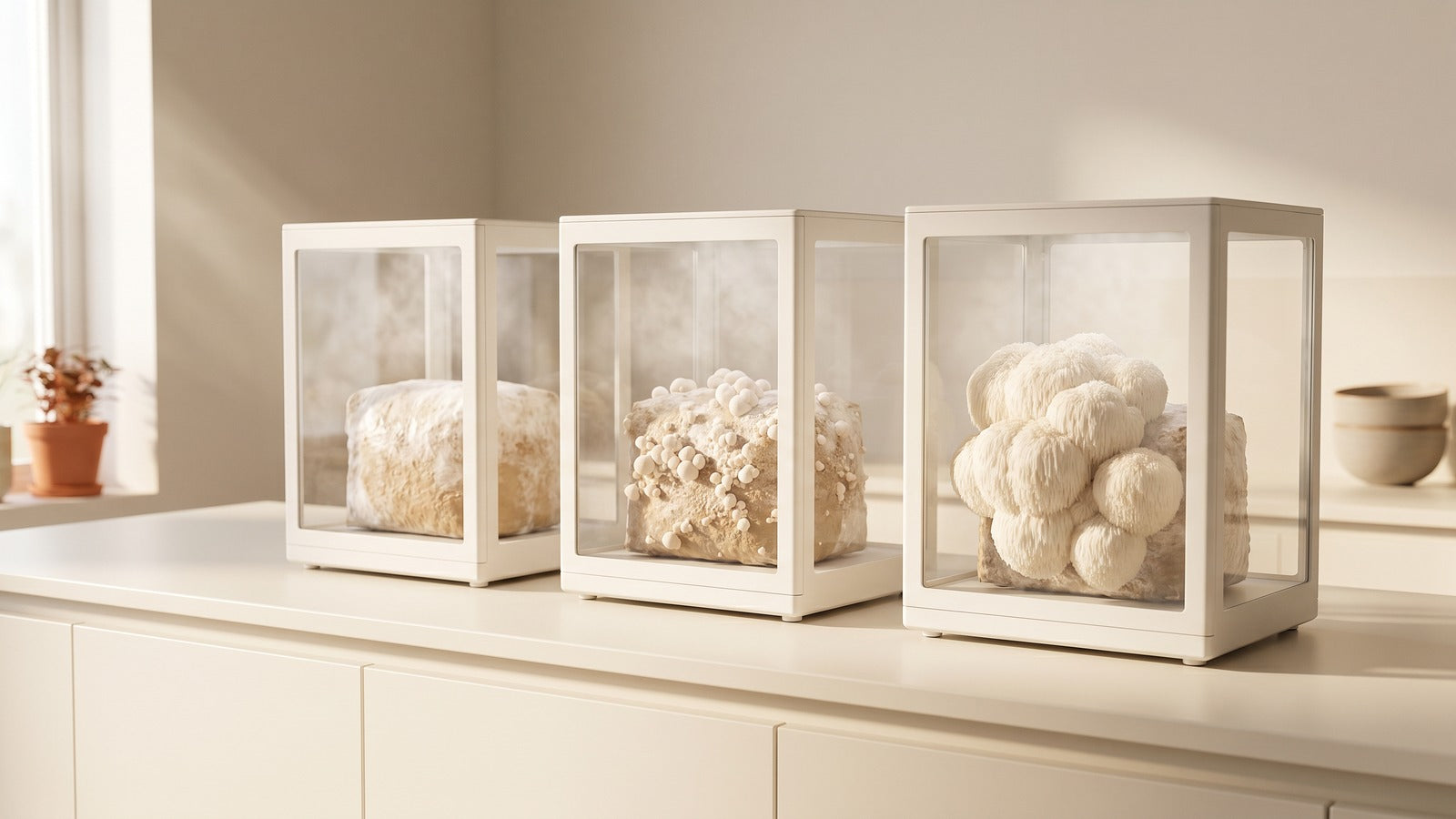
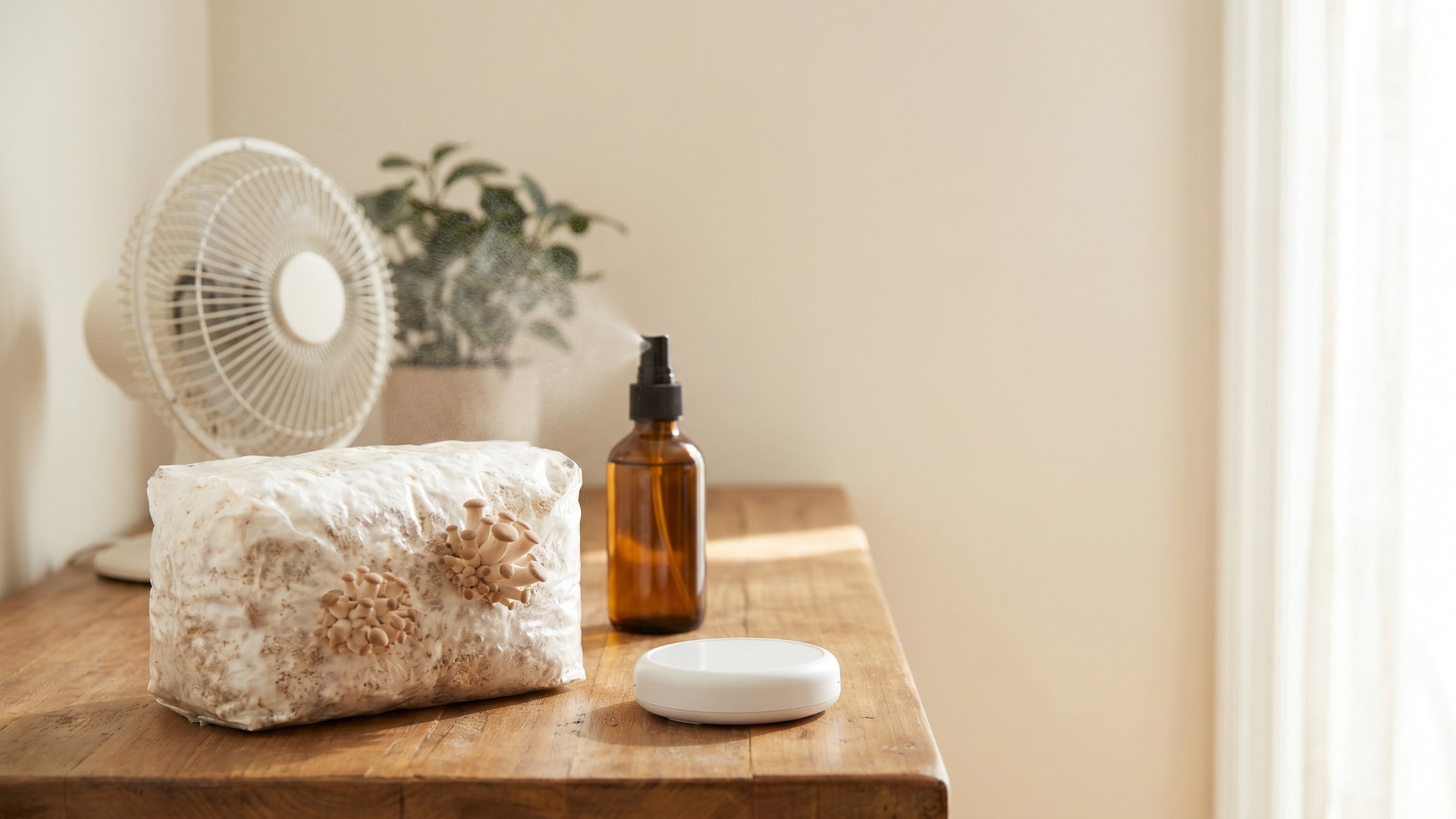
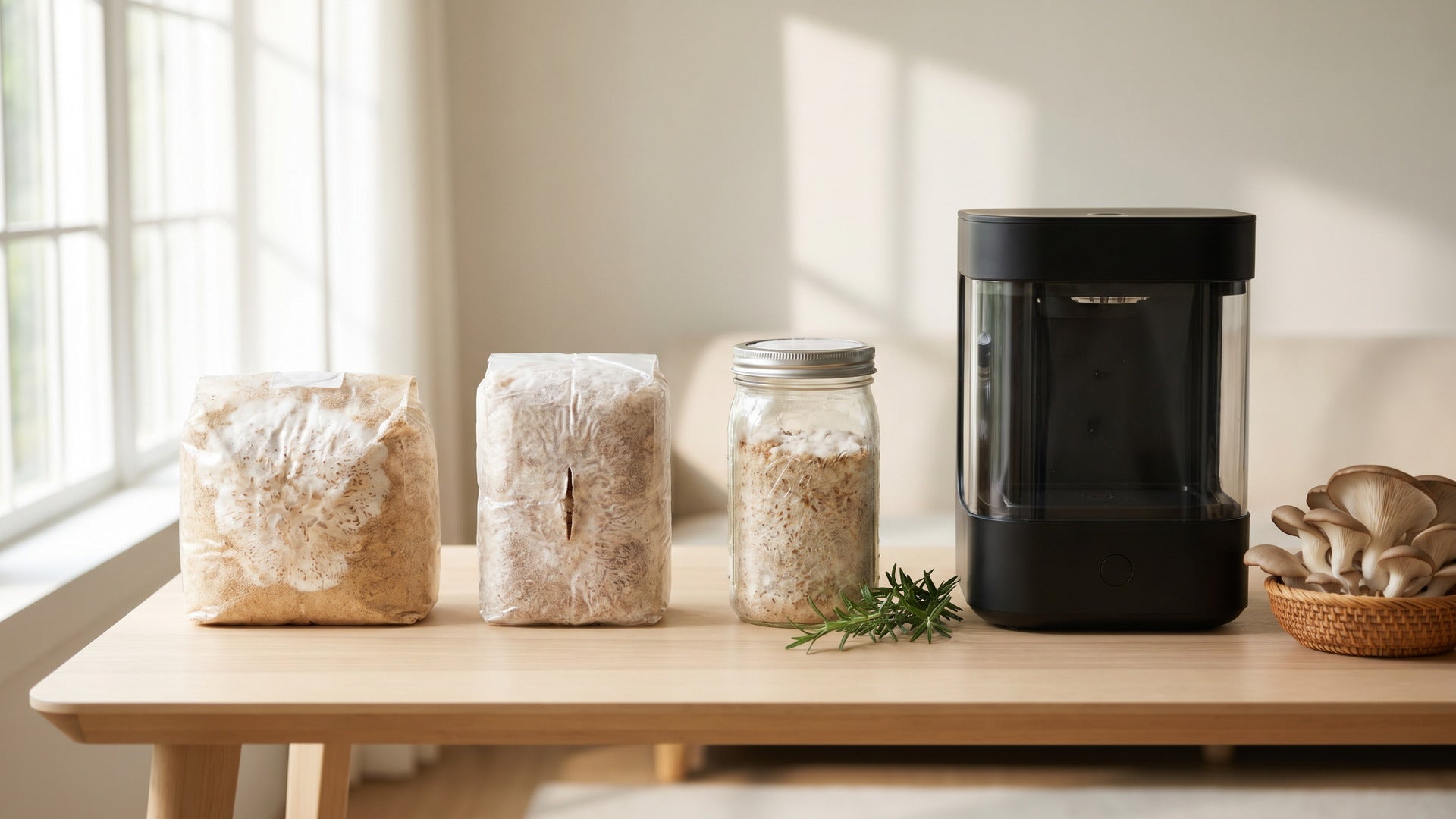
For the ultimate in freshness and flavor, consider growing your own oyster mushrooms at home. The Smart Mushroom Grow Kit makes it incredibly easy to cultivate fresh oyster mushrooms year-round. As explained in our beginner's guide to mushroom growing, oyster mushrooms are among the most forgiving varieties for novice growers.
Home-grown oyster mushrooms offer superior flavor and texture compared to store-bought varieties, as you can harvest them at peak freshness. Plus, you'll know exactly how they were grown, ensuring the highest quality ingredients for your cooking.
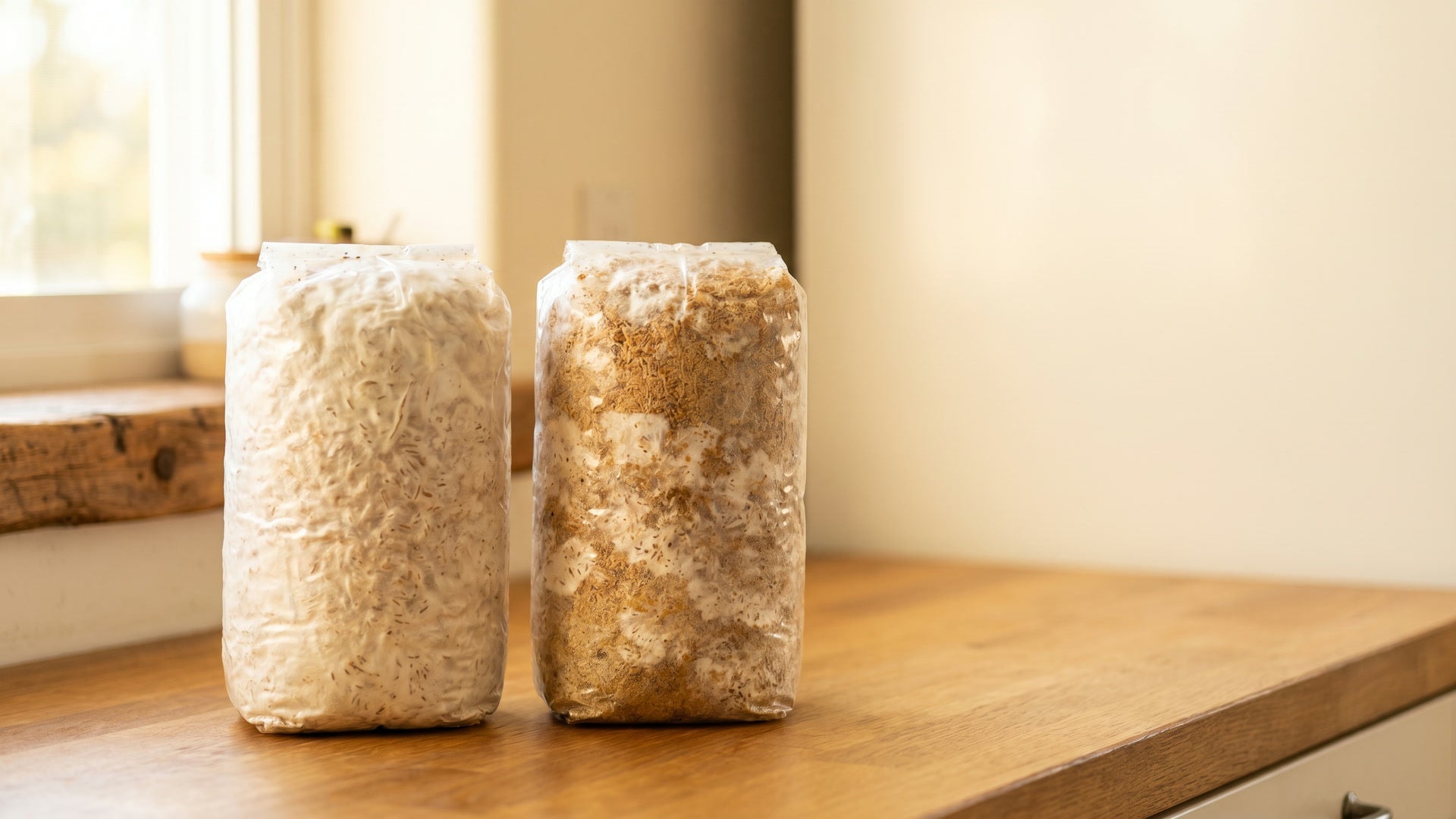
The process of growing your own oyster mushrooms typically takes 7-14 days from start to harvest, and a single growing block can provide multiple flushes of fresh mushrooms over several months. For detailed information about oyster mushroom cultivation, check out our comprehensive oyster mushroom growing guide.
Frequently Asked Questions About Cooking Oyster Mushrooms
Q: Can you eat oyster mushrooms raw? A: While oyster mushrooms are safe to eat raw, they're much better cooked. Raw oyster mushrooms have a bland, slightly metallic taste and chewy texture. Cooking transforms them into tender, flavorful ingredients with rich umami notes.
Q: How do you know when oyster mushrooms are properly cooked? A: Properly cooked oyster mushrooms should be golden brown on the outside and tender throughout. They'll have released most of their moisture and developed a pleasant, nutty aroma. The cooking process typically takes 5-7 minutes total for sautéing.
Q: Do oyster mushrooms need to be peeled or have stems removed? A: Oyster mushrooms don't need peeling, but you should trim away the tough, woody base where multiple mushrooms connect. The individual stems are tender and edible, adding nice texture to your dishes.
Q: What's the best oil for cooking oyster mushrooms? A: Neutral oils like vegetable or canola oil work well for high-heat cooking, while olive oil adds flavor for medium-heat sautéing. Butter is excellent for finishing dishes and adds rich flavor, but be careful not to let it burn over high heat.
Q: Can oyster mushrooms be substituted for other mushrooms in recipes? A: Yes, oyster mushrooms make excellent substitutes for many mushroom varieties. They work particularly well in place of button mushrooms, shiitake, or cremini mushrooms. As detailed in our shiitake mushroom substitute guide, oyster mushrooms provide similar umami flavors with a more delicate texture.
Summary: Mastering Oyster Mushroom Cookery
Cooking oyster mushrooms successfully comes down to three key principles: proper preparation, appropriate heat control, and timing. Clean them gently, cook them over medium-high heat until golden brown, and season them simply to let their natural flavors shine. With their mild taste, tender texture, and impressive nutritional benefits, oyster mushrooms deserve a place in every home cook's repertoire.
Ready to start cooking with the freshest oyster mushrooms possible? Consider investing in a mushroom growing kit to ensure you always have premium-quality mushrooms on hand. From simple sautés to elegant pasta dishes, these versatile fungi will elevate your cooking and provide delicious, nutritious meals for you and your family.
Start your oyster mushroom cooking journey today, your taste buds will thank you, and you'll quickly understand why these remarkable fungi have become favorites among home cooks and professional chefs alike.
Share:
Are Mushrooms Vegetables? The Complete Guide to Mushroom Classification and Biology
How to Clean Mushrooms: The Complete Guide to Preparing Fresh Fungi