


Knowing how to clean mushrooms properly is essential for food safety, optimal flavor, and successful cooking. Whether you're working with store-bought button mushrooms, exotic wild varieties, or fresh harvests from your own Lykyn Smart Mushroom Grow Kit, the right cleaning technique preserves texture while removing dirt, debris, and potential contaminants.
The key to cleaning mushrooms effectively lies in understanding that different varieties require different approaches. While some mushrooms benefit from gentle rinsing, others should never touch water. The general rule is to use the minimal cleaning necessary to remove visible dirt and debris while preserving the mushroom's natural texture and flavor. Most store-bought mushrooms need only light brushing or wiping, while wild-foraged varieties may require more intensive cleaning methods.

Understanding Mushroom Cleaning Fundamentals
Why Proper Cleaning Matters
Food safety considerations:
-
Remove soil, bacteria, and potential contaminants
-
Eliminate insects and larvae that may be hiding in crevices
-
Reduce risk of foodborne illness from unwashed produce
-
Ensure safe consumption of wild-harvested varieties
Quality preservation:
-
Maintain optimal texture and mouthfeel
-
Preserve natural flavors and aromas
-
Prevent premature spoilage from trapped moisture
-
Extend shelf life through proper handling
Culinary benefits:
-
Remove gritty textures that can ruin dishes
-
Ensure even cooking and heat distribution
-
Improve visual presentation of prepared foods
-
Enhance overall dining experience
The Science Behind Mushroom Cleaning
Cellular structure considerations: Mushrooms are 80-95% water with delicate cell walls that can easily absorb additional moisture, leading to soggy texture and flavor dilution.
Contamination sources:
-
Growing substrate particles (soil, sawdust, straw)
-
Environmental debris (leaves, twigs, dirt)
-
Insects attracted to mushroom growing conditions
-
Bacterial growth from improper storage or handling
Cleaning challenges: Different mushroom varieties have unique structures, smooth caps, gilled undersides, honeycomb patterns, or clustered growth, requiring adapted cleaning techniques.

General Cleaning Principles for All Mushrooms
Essential Tools and Equipment
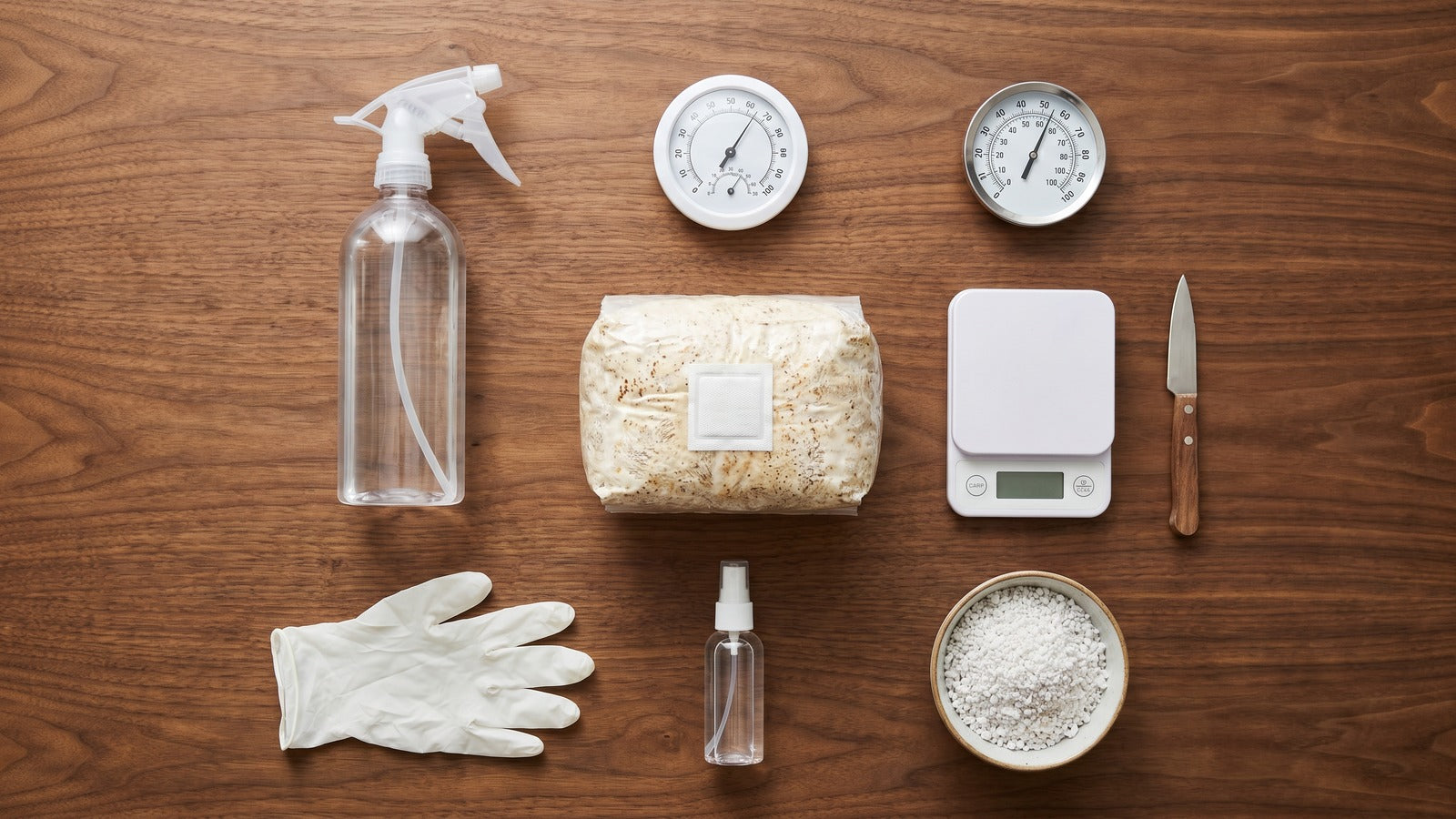
Basic cleaning supplies:
-
Soft mushroom brush or clean paintbrush
-
Paper towels or clean kitchen towels
-
Sharp knife for trimming
-
Large bowl for rinsing (when necessary)
-
Colander for draining
-
Clean work surface
Advanced cleaning tools:
-
Mushroom-specific brushes with natural bristles
-
Fine-mesh strainer for small particles
-
Spray bottle for controlled moisture application
-
Magnifying glass for detailed inspection of wild varieties
Universal Cleaning Steps
Step 1: Initial inspection
-
Examine each mushroom for visible damage, insects, or excessive dirt
-
Separate mushrooms by variety and cleaning needs
-
Remove any obviously spoiled or damaged specimens
-
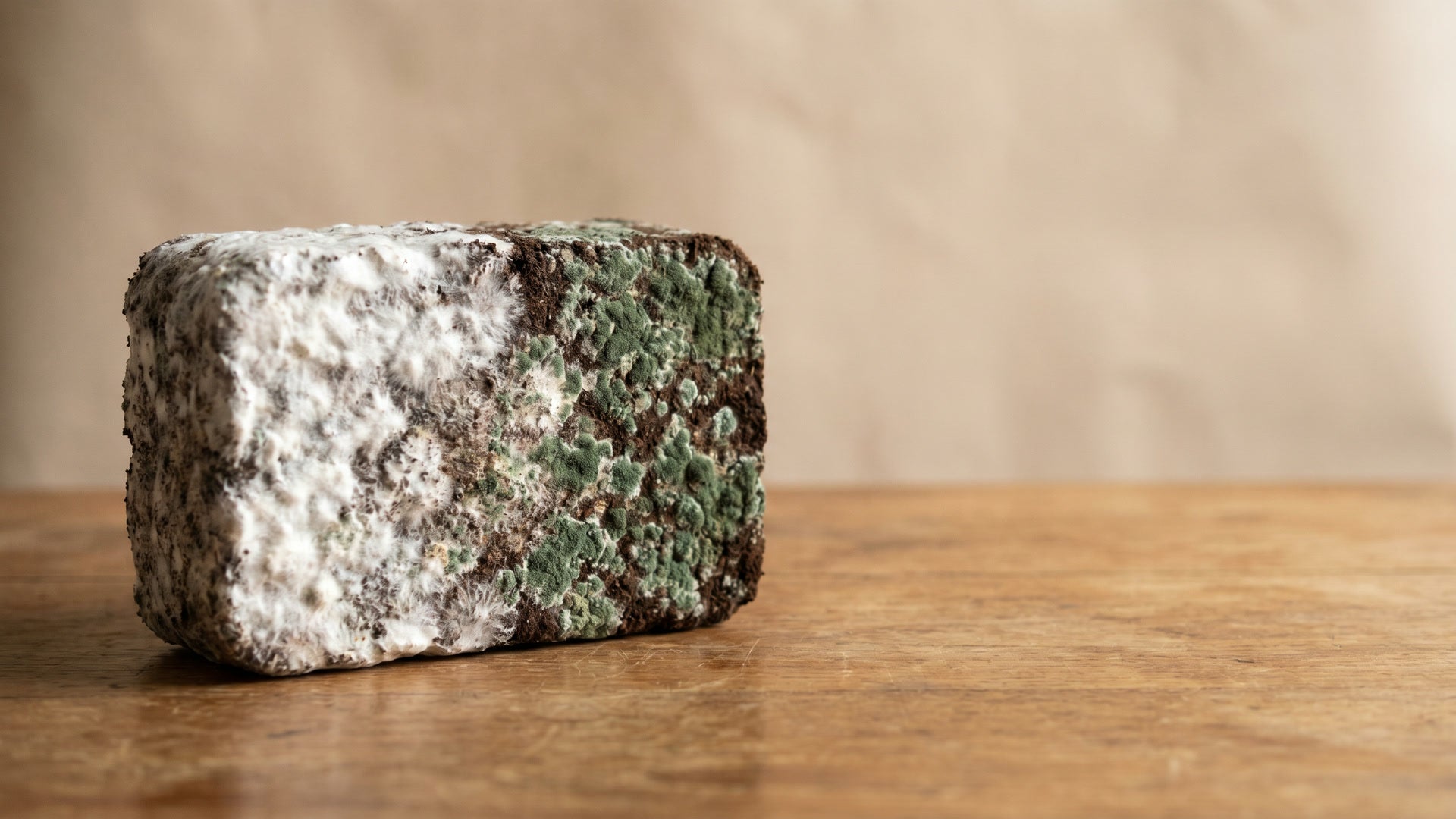
Check for signs of mold or bacterial growth
Step 2: Dry cleaning (always start here)
-
Gently brush away loose dirt and debris
-
Use fingers or brush to remove visible particles
-
Pay attention to stem ends and cap undersides
-
Shake or tap mushrooms to dislodge loose material
Step 3: Trimming and preparation
-
Cut away any damaged or tough portions
-
Trim stem ends if necessary
-
Remove any substrate material still attached
-
Separate clusters if needed for individual cleaning
Step 4: Wet cleaning (only when necessary)
-
Use minimal water exposure
-
Work quickly to prevent water absorption
-
Focus on problem areas with stubborn dirt
-
Always dry thoroughly after any water contact
Cleaning Store-Bought Mushrooms
Button, Cremini, and Portobello Mushrooms
Standard cleaning method:
-
Inspect: Check for dark spots, sliminess, or off odors
-
Brush: Use soft brush to remove any visible dirt
-
Wipe: Clean with damp paper towel if needed
-
Trim: Remove stem ends if tough or discolored
-
Dry: Pat completely dry before cooking
When to avoid water:
-
Mushrooms appear clean and dry
-
Planning to use within 24 hours
-
Preparing for dehydration or long-term storage
-
Working with pre-cleaned packaged varieties
Shiitake Mushrooms
Specialized approach:
-
Remove stems: Cut away tough stems (save for stock)
-
Brush caps: Gently clean cap surfaces with soft brush
-
Check gills: Inspect underside for debris or discoloration
-
Minimal moisture: Use barely damp cloth only if necessary
-
Air dry: Allow to dry completely before storage or cooking
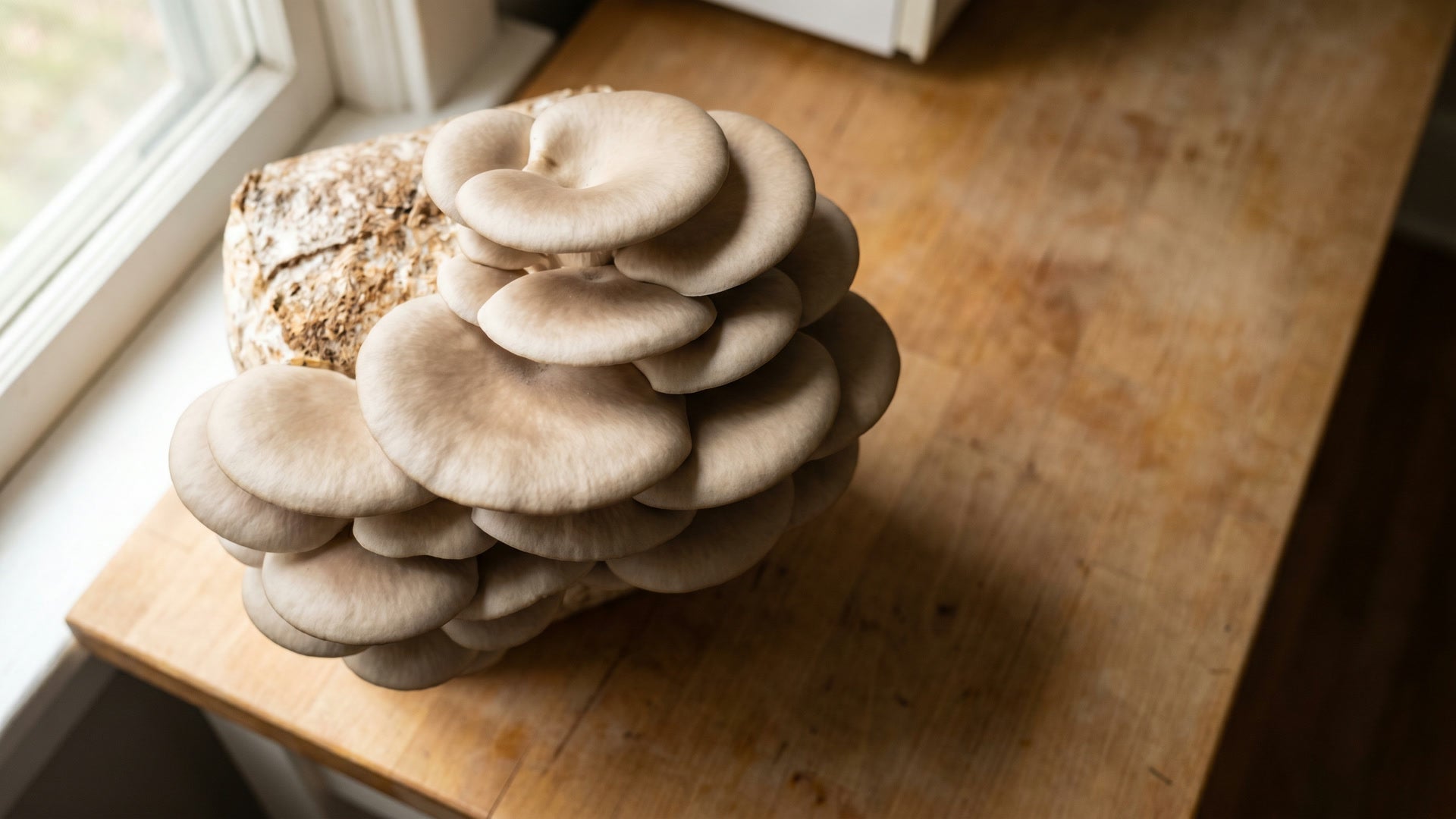
Oyster Mushrooms
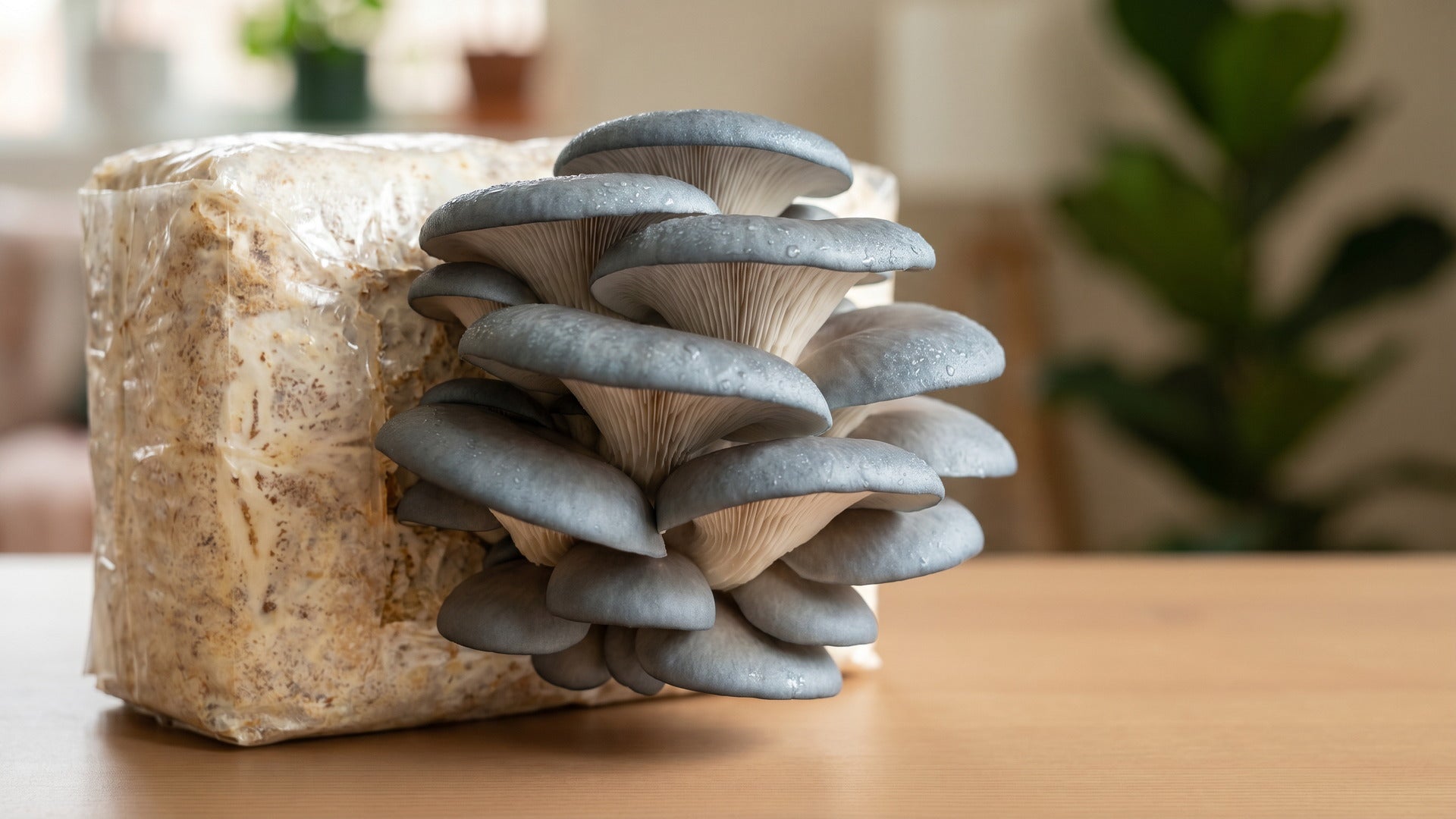
Delicate handling required:
-
Separate clusters: Gently break apart connected mushrooms
-
Brush lightly: Use very soft brush on cap surfaces
-
Avoid water: These delicate mushrooms absorb water quickly
-
Trim bases: Remove any tough cluster attachment points
-
Handle gently: Avoid crushing delicate edges
Learn more about oyster varieties in our comprehensive oyster mushroom guide.
Specialty and Exotic Varieties
Enoki mushrooms:
-
Trim root cluster base
-
Separate individual mushrooms gently
-
Use only dry cleaning methods
-
Handle with extreme care due to fragile stems
King oyster mushrooms:
-
These sturdy trumpet mushrooms can handle more aggressive cleaning
-
Brush dirt off exterior surfaces
-
Wipe with damp kitchen paper if needed
-
Avoid washing under running water to prevent sogginess
Maitake (Hen of the Woods):
-
Keep clusters intact when possible
-
Brush between fronds to remove debris
-
Use compressed air or soft brush for deep cleaning
-
Trim only damaged portions
Cleaning Wild and Foraged Mushrooms
Morel Mushroom Cleaning
Morels present unique cleaning challenges due to their honeycomb structure:
The Lykyn method for morels:
-
Dry brushing: Remove loose debris with soft brush
-
Visual inspection: Check honeycomb cavities for insects
-
Saltwater soak: For dirty specimens, brief soak in salt water (1-2 tablespoons salt per quart water)
-
Slice lengthwise: Cut in half to expose interior
-
Lift out: Remove from water by hand, don't pour through strainer
-
Rinse briefly: Quick cold water rinse to remove salt
-
Dry thoroughly: Pat dry and air dry before cooking
Chanterelles and Other Wild Varieties
General wild mushroom cleaning:
-
Field cleaning: Remove obvious debris during harvesting
-
Brush thoroughly: Use soft brush to remove forest debris
-
Inspect carefully: Check for insect damage or hidden larvae
-
Trim damaged areas: Remove any questionable portions
-
Minimal water: Use only if absolutely necessary
-
Dry completely: Essential before cooking or storage
Safety Considerations for Wild Mushrooms
Identification verification:
-
Never clean or consume mushrooms without 100% positive identification
-
When in doubt, discard the entire specimen
-
Consult multiple field guides and experts
-
Consider spore prints for difficult identifications
Contamination awareness:
-
Avoid mushrooms from polluted areas
-
Check for pesticide exposure near agricultural areas
-
Be aware of heavy metal accumulation in urban environments
-
Never harvest from roadsides or industrial areas
Cleaning Homegrown Mushrooms
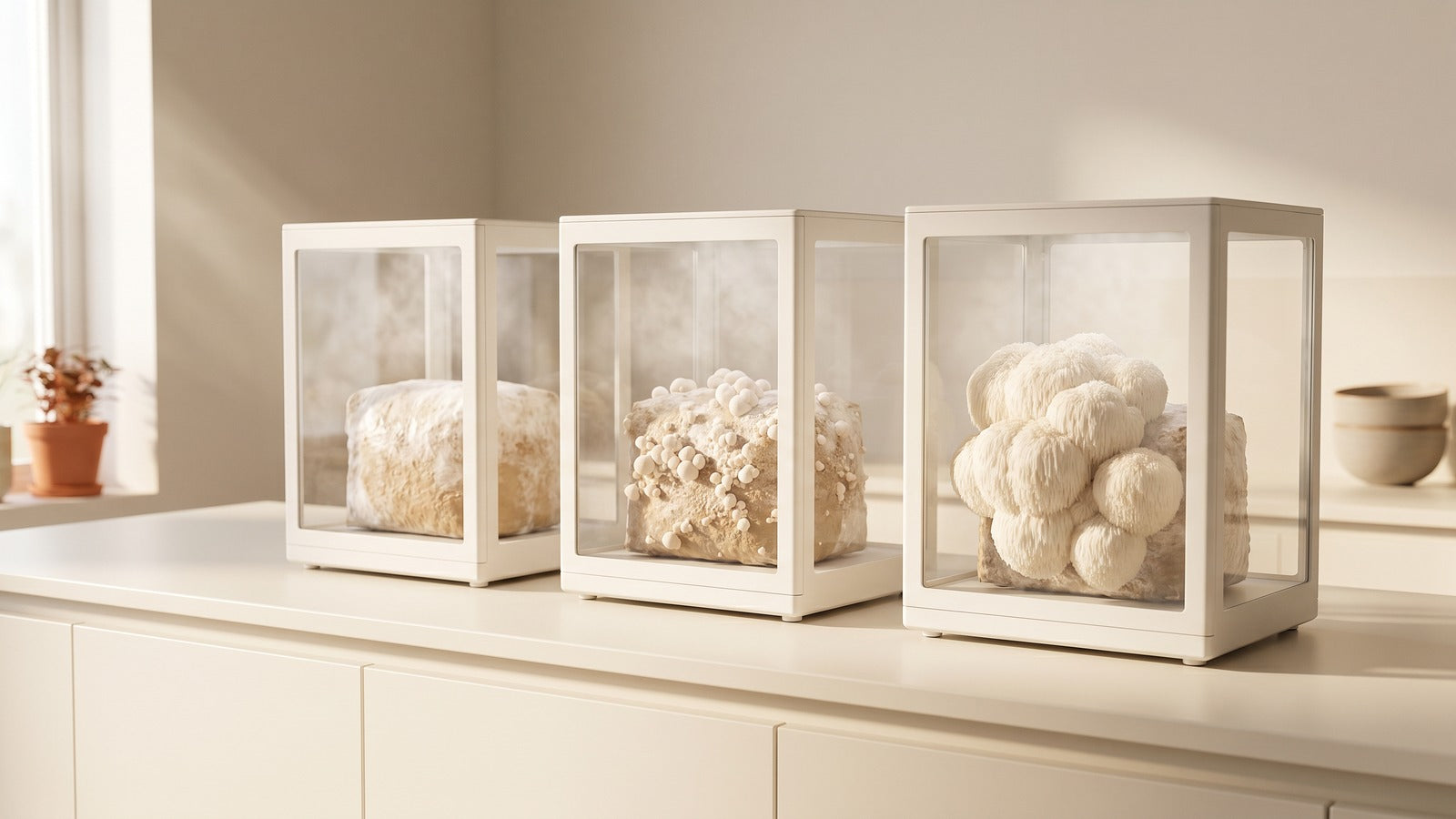
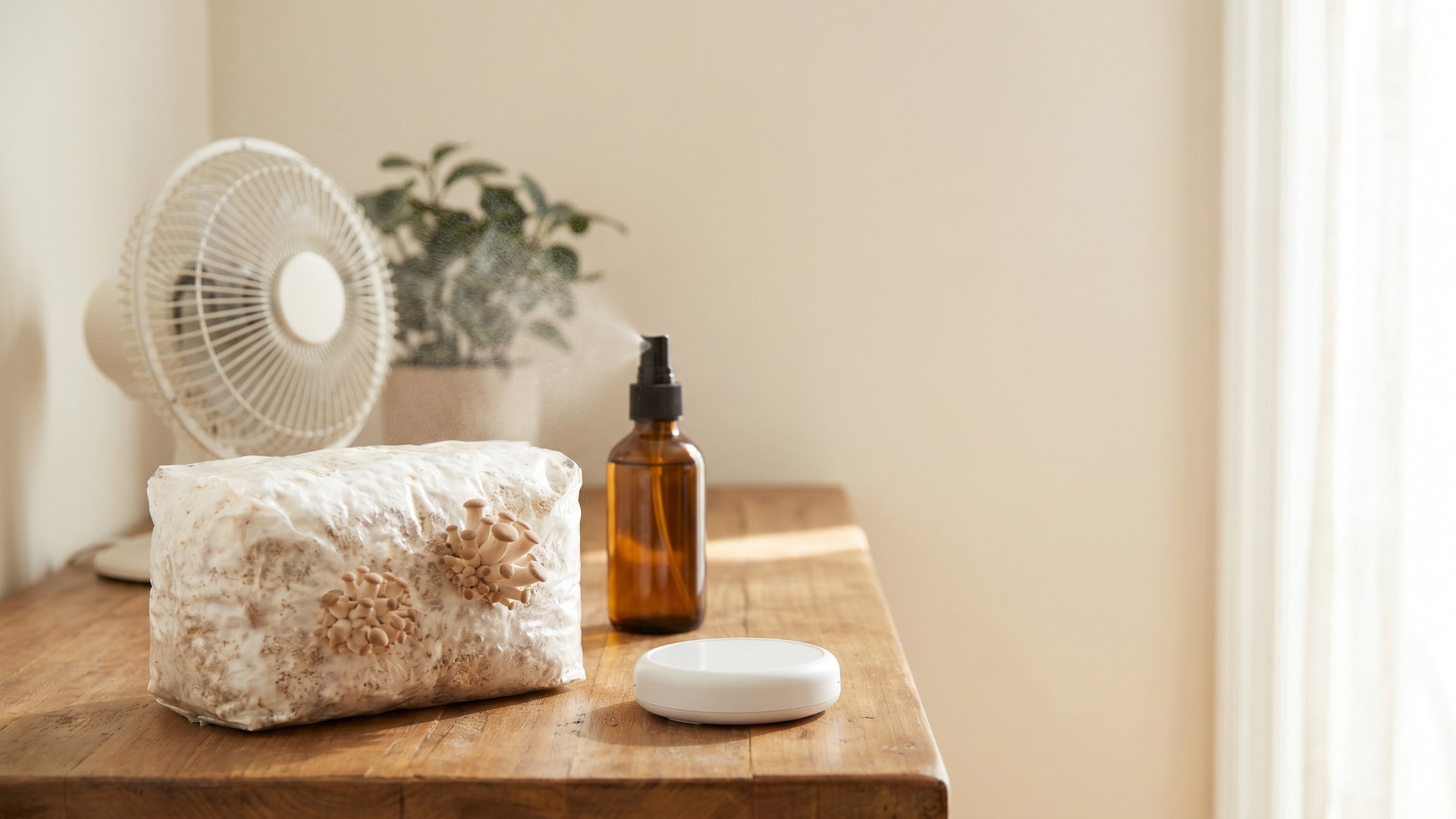
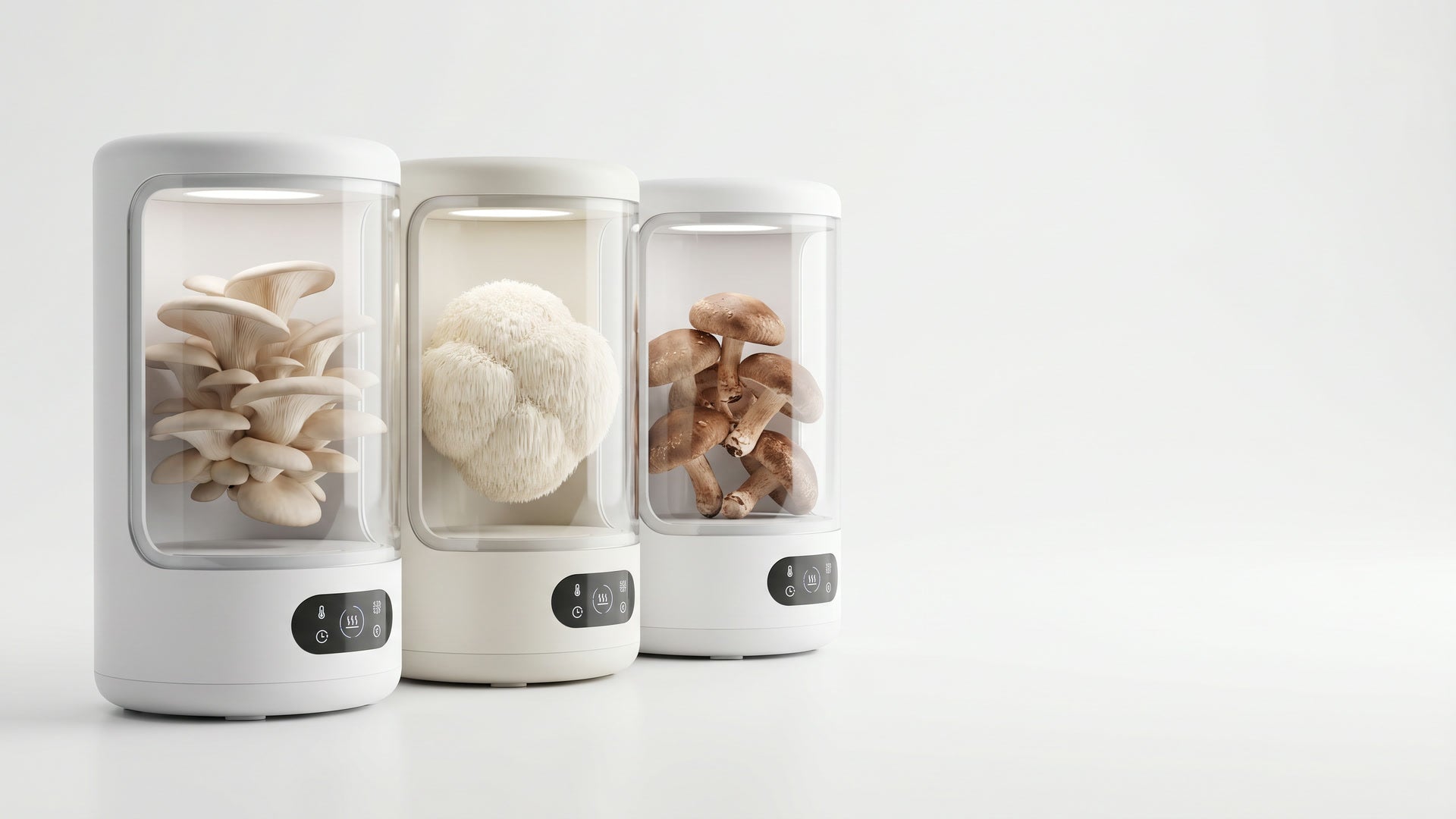
Lykyn Smart Mushroom Grow Kit Harvests
Homegrown mushrooms typically require minimal cleaning due to controlled growing conditions:
Advantages of homegrown mushrooms:
-
Clean growing environment reduces contamination
-
Known substrate composition eliminates unknown particles
-
Fresh harvest timing ensures optimal quality
-
No transportation stress or handling damage
Basic cleaning for homegrown varieties:
-
Gentle brush: Remove any substrate particles
-
Trim stems: Cut at growing block attachment point
-
Inspect quality: Check for any growing abnormalities
-
Minimal processing: Usually ready to cook immediately
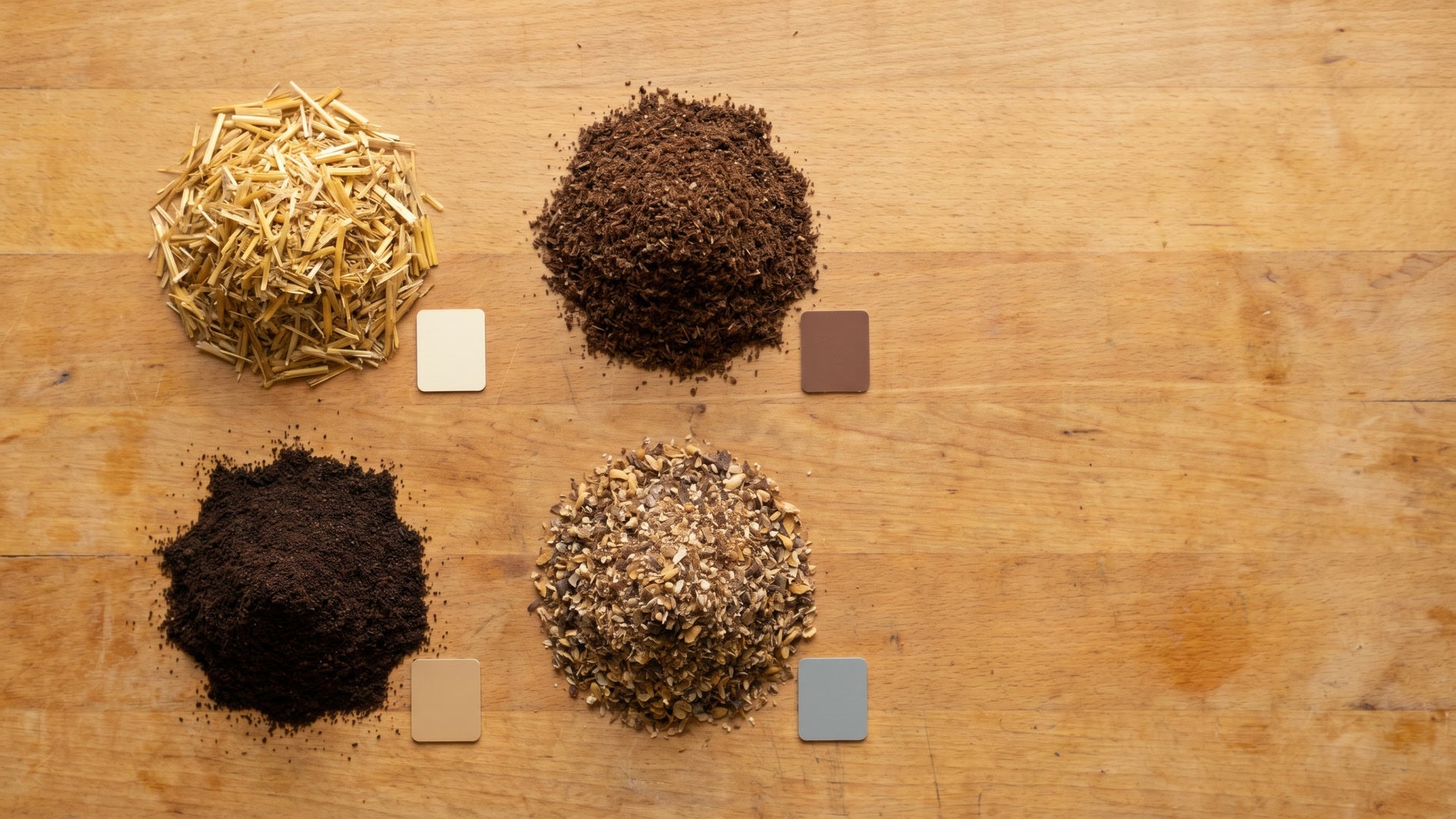
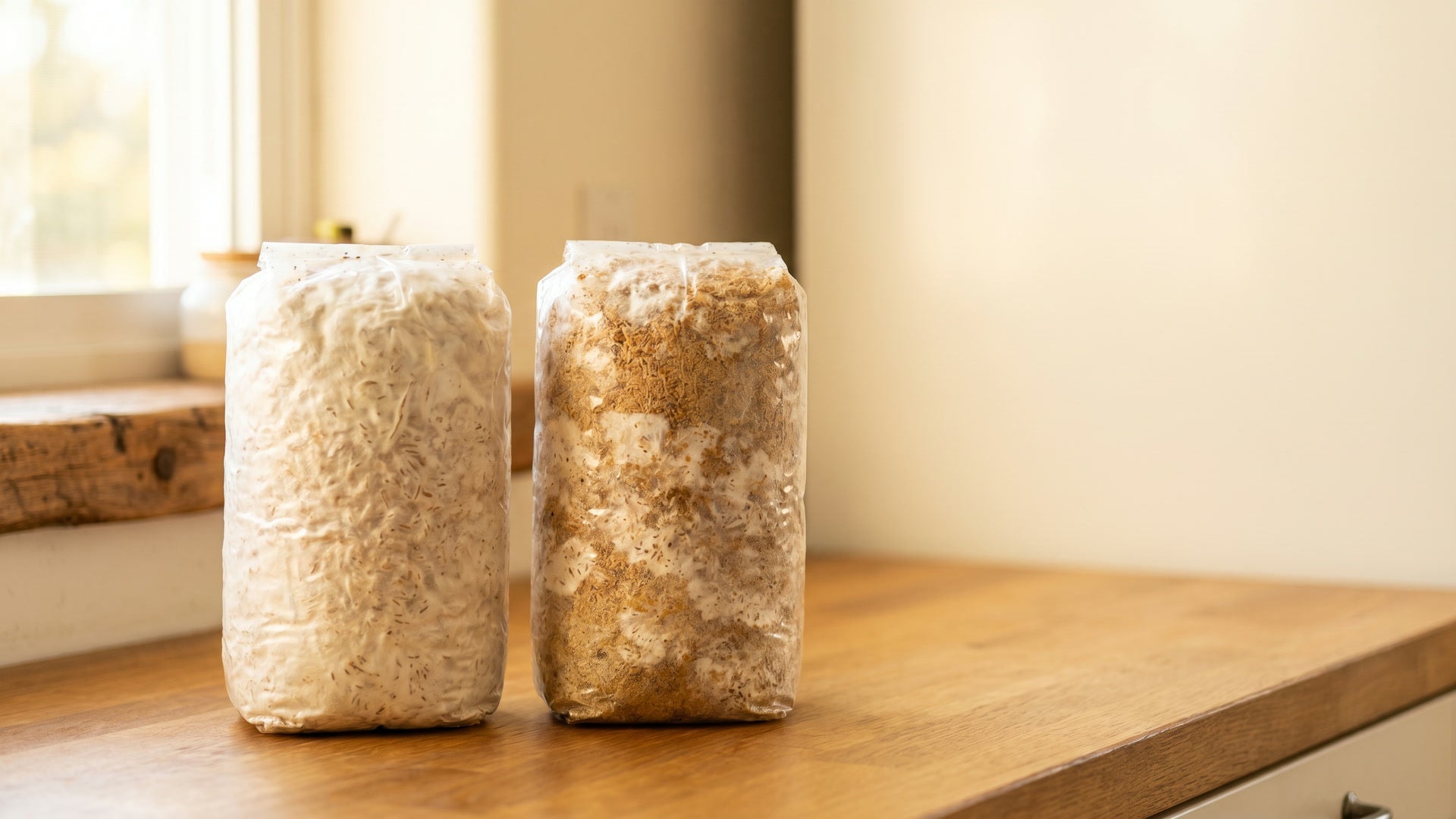
Different Growing Substrates
Sawdust block mushrooms:
-
May have sawdust particles on stems
-
Brush gently to remove growing medium
-
Check stem bases for substrate remnants
Straw-grown mushrooms:
-
Look for straw pieces in mushroom clusters
-
Remove any embedded straw carefully
-
May require slightly more thorough cleaning
Log-grown mushrooms:
-
Check for bark fragments
-
Remove any wood particles
-
May have more natural forest debris
Specialty Cleaning Techniques
Wood Ear Mushrooms
These unique fungi require specific handling:
Dried wood ear rehydration and cleaning:
-
Soak: 30 minutes to 2 hours in warm water
-
Agitate: Stir occasionally to release trapped debris
-
Rinse individually: Clean each mushroom under cold water
-
Check crevices: Remove dirt from natural folds
-
Trim tough parts: Remove hard attachment points
-
Size appropriately: Cut or tear into bite-sized pieces
Dried Mushroom Cleaning
Rehydration process:
-
Inspect dry mushrooms: Check for insect damage or mold
-
Rinse briefly: Quick rinse before soaking
-
Soak properly: Use warm water for faster rehydration
-
Clean during soaking: Remove debris as it loosens
-
Final rinse: Clean water rinse after full rehydration
-
Strain soaking liquid: Reserve for cooking (strain through coffee filter)
Medicinal Mushroom Preparation
Turkey tail mushroom preparation requires special attention:
-
These tough, leathery mushrooms need thorough cleaning
-
Brush away all debris and contaminants
-
Check for insect damage in concentric rings
-
Clean before drying for medicinal use
Common Cleaning Mistakes to Avoid
Water-Related Errors
Over-soaking mushrooms:
-
Leads to waterlogged, mushy texture
-
Dilutes natural flavors
-
Accelerates spoilage
-
Difficulty achieving proper searing when cooking
Using hot water:
-
Can partially cook mushrooms
-
Damages delicate cell structure
-
May activate enzymes that cause deterioration
-
Affects final texture when cooked
Handling Mistakes
Aggressive scrubbing:
-
Damages mushroom surfaces
-
Can break delicate varieties
-
May push dirt deeper into porous structures
-
Affects visual presentation
Cleaning too early:
-
Shortens storage life
-
Increases risk of spoilage
-
Unnecessary when mushrooms are already clean
-
Best to clean just before cooking
Storage Errors After Cleaning
Improper drying:
-
Trapped moisture promotes bacterial growth
-
Leads to slimy texture development
-
Reduces shelf life significantly
-
Can cause off-flavors
Wrong storage containers:
-
Plastic bags trap moisture
-
Airtight containers prevent air circulation
-
Paper bags are preferred for most varieties
-
Glass containers can cause condensation
Cleaning for Specific Cooking Methods
Preparation for Sautéing
Optimal cleaning for pan cooking:
-
Thorough drying: Essential for proper browning
-
Uniform sizing: Clean and cut consistently
-
Remove excess moisture: Pat completely dry
-
Check for debris: Ensure no gritty particles remain
Preparation for Soup and Stew
Cleaning for liquid-based dishes:
-
More thorough cleaning: Debris more noticeable in broths
-
Remove all dirt: Particles will cloud cooking liquid
-
Trim carefully: Remove any questionable portions
-
Consider peeling: Some varieties benefit from cap peeling
Preparation for Grilling
Cleaning for high-heat cooking:
-
Sturdy varieties only: Choose mushrooms that won't fall apart
-
Minimal moisture: Ensure completely dry surface
-
Brush thoroughly: Remove all loose particles
-
Score if needed: Create channels for even cooking
Post-Cleaning Storage and Handling
Immediate Storage
Short-term storage after cleaning:
-
Use paper towels to absorb excess moisture
-
Store in paper bags in refrigerator
-
Use within 24-48 hours for best quality
-
Check daily for signs of deterioration
Signs of proper cleaning:
-
No visible dirt or debris
-
Firm, dry texture
-
Pleasant, earthy aroma
-
No slimy or soft spots
Preparation for Cooking
Final steps before cooking:
-
Final inspection: Check once more for missed debris
-
Temperature adjustment: Bring to room temperature if refrigerated
-
Final drying: Pat with paper towels if any moisture present
-
Uniform sizing: Cut to appropriate sizes for recipe
Food Safety and Hygiene
Sanitation Practices
Personal hygiene:
-
Wash hands thoroughly before handling mushrooms
-
Use clean utensils and work surfaces
-
Change paper towels frequently during cleaning
-
Avoid cross-contamination with other foods
Equipment cleanliness:
-
Clean all brushes and tools between varieties
-
Sanitize work surfaces before and after use
-
Use fresh water for each mushroom type
-
Store cleaning tools properly after use
Risk Assessment
When to discard mushrooms:
-
Any signs of mold or bacterial growth
-
Strong off-odors
-
Slimy or mushy texture
-
Extensive insect damage
-
Unknown or questionable identification
Safe handling practices:
-
Never taste raw wild mushrooms
-
Keep different varieties separated during cleaning
-
Label cleaned mushrooms with variety and date
-
Follow first-in, first-out storage principles
Frequently Asked Questions
Q: Should I wash mushrooms before storing them in the refrigerator? A: No, it's best to clean mushrooms just before cooking. Washing before storage introduces moisture that accelerates spoilage. Store mushrooms in paper bags and clean them only when ready to use.
Q: What's the difference between cleaning store-bought and wild mushrooms? A: Store-bought mushrooms typically need minimal cleaning, just brushing and wiping. Wild mushrooms require more thorough cleaning including potential soaking, careful inspection for insects, and removal of forest debris. Wild varieties also need 100% positive identification before cleaning.
Q: Can I use soap or detergent to clean mushrooms? A: Never use soap or detergent on mushrooms. Their porous structure will absorb these chemicals, creating unpleasant flavors and potential health risks. Use only water, salt solutions, or dry cleaning methods.
Q: How do I clean mushrooms with complex structures like morels? A: Complex mushrooms like morels require special techniques including slicing to expose hidden areas, saltwater soaking to remove insects, and careful drying. Our detailed morel cleaning guide provides specific techniques for these challenging varieties.
Q: Is it safe to eat mushrooms if I can't get them completely clean? A: If you cannot adequately clean mushrooms, especially wild varieties, it's safer to discard them. Proper cleaning is essential for food safety. When in doubt, choose varieties that are easier to clean or purchase from reliable sources.
Summary
Proper mushroom cleaning involves understanding that different varieties require different approaches, from simple brushing for store-bought mushrooms to intensive cleaning for wild varieties. The key is using minimal water, thorough drying, and appropriate techniques for each mushroom type while prioritizing food safety. Most store-bought mushrooms need only light cleaning, while wild varieties require careful inspection and specialized methods.
Ready to enjoy the cleanest, freshest mushrooms possible? The Lykyn Smart Mushroom Grow Kit provides mushrooms that require minimal cleaning due to their controlled growing environment. With automated systems maintaining optimal conditions, your homegrown mushrooms emerge clean and ready to cook with just a gentle brush to remove any substrate particles. Whether you're growing oyster mushrooms, shiitake, or specialty varieties, Lykyn's advanced technology ensures the cleanest possible harvest while eliminating the uncertainty of wild foraging or the contamination risks of commercial handling. Start growing your own pristine mushrooms today and experience the difference that controlled cultivation makes in both cleanliness and flavor.
Share:
How to Cook Oyster Mushrooms: The Complete Guide to Delicious Home Cooking
Can Chickens Eat Mushrooms? A Complete Safety Guide