


Lion's mane extract has revolutionized the world of natural cognitive enhancement, offering concentrated doses of this remarkable mushroom's neuroprotective compounds. From dual extraction tinctures to powdered concentrates, understanding the different types of lion's mane extract helps you choose the most effective form for your cognitive wellness goals.
Unlike simple dried mushrooms, lion's mane extract uses specialized techniques to concentrate beneficial compounds like hericenones and erinacines, the unique molecules responsible for stimulating nerve growth factor. However, not all extracts are created equal, and the extraction method dramatically impacts potency and effectiveness.
Understanding Lion's Mane Extract Types
Single vs Dual Extraction Methods
Lion's mane extract comes in two primary forms: single extraction and dual extraction. Single extraction uses either water or alcohol as the solvent, while dual extraction combines both methods to capture the full spectrum of beneficial compounds.

Water extraction primarily draws out polysaccharides including beta-glucans, which support immune function and digestive health. These water-soluble compounds create the foundation for lion's mane's broader health benefits but may not capture all the brain-specific molecules.
Alcohol extraction targets terpenes like hericenones and erinacines, the compounds specifically responsible for nerve growth factor stimulation and cognitive enhancement. These molecules are crucial for lion's mane's reputation as a brain-boosting nootropic.
Concentration Ratios and Potency
Commercial lion's mane extract typically displays concentration ratios like 8:1, 12:1, or higher, indicating how many pounds of fresh mushrooms were used to create one pound of extract. Higher ratios generally mean more concentrated products, but concentration alone doesn't guarantee quality.
A 12:1 extract means twelve pounds of fresh mushrooms were processed to create one pound of extract, theoretically making it twelve times more potent than the original mushrooms. However, extraction quality and compound preservation significantly impact the actual therapeutic value.
Commercial Lion's Mane Extract Forms
Liquid Tinctures and Dual Extracts
Liquid lion's mane extracts, often called tinctures, provide excellent bioavailability and rapid absorption when taken sublingually (under the tongue). Quality dual extraction tinctures combine both water and alcohol extraction methods, creating comprehensive products that capture both immune-supporting and brain-boosting compounds.
Professional-grade tinctures typically use a month-long alcohol extraction followed by hot water decoction, ensuring optimal extraction of both alcohol and water-soluble constituents. The final product combines these extracts to provide the full therapeutic spectrum.
Powdered Extracts
Powdered lion's mane extracts offer convenience and versatility, easily mixed into smoothies, coffee, or other beverages. These products typically undergo dual extraction followed by spray-drying or freeze-drying to create stable powder forms.

Quality varies significantly in powdered extracts, with some products using primarily filler materials and minimal actual extract. Look for products that specify polysaccharide content (typically 20-30%) and utilize fruiting bodies rather than mycelium.
Capsule and Tablet Forms
Encapsulated lion's mane extract provides precise dosing and convenience for daily supplementation. These products typically contain powdered extracts in gelatin or vegetarian capsules, making them suitable for various dietary preferences.
However, capsules may have slower absorption compared to liquid extracts, and some products use lower-quality extracts or include unnecessary fillers that reduce overall effectiveness.
Quality Factors in Lion's Mane Extract
Fruiting Body vs Mycelium
The highest quality lion's mane extract uses 100% fruiting body (the actual mushroom) rather than mycelium (the root-like structure). Fruiting bodies contain higher concentrations of the active compounds responsible for cognitive benefits, while mycelium products often include grain substrates that dilute potency.
Quality manufacturers clearly specify "100% fruiting body" on their labels and provide third-party testing results to verify compound content. Understanding mushroom biology helps consumers make informed choices about extract quality.
Organic Certification and Testing
Premium lion's mane extract comes from organically grown mushrooms that undergo rigorous testing for heavy metals, pesticides, and microbial contaminants. Third-party testing ensures products meet safety standards and contain stated levels of beneficial compounds.
Reputable manufacturers provide certificates of analysis showing polysaccharide content, beta-glucan levels, and contamination test results. These documents demonstrate transparency and commitment to quality.
Extraction Solvent Quality
The quality of extraction solvents significantly impacts final product safety and effectiveness. Food-grade alcohol and purified water create cleaner extracts, while some manufacturers use industrial solvents that may leave residues.
Premium extraction processes use organic cane alcohol or pharmaceutical-grade ethanol, followed by careful evaporation to achieve desired concentration levels without compromising compound integrity.
Fresh Lion's Mane vs Commercial Extracts
Bioavailability and Compound Integrity
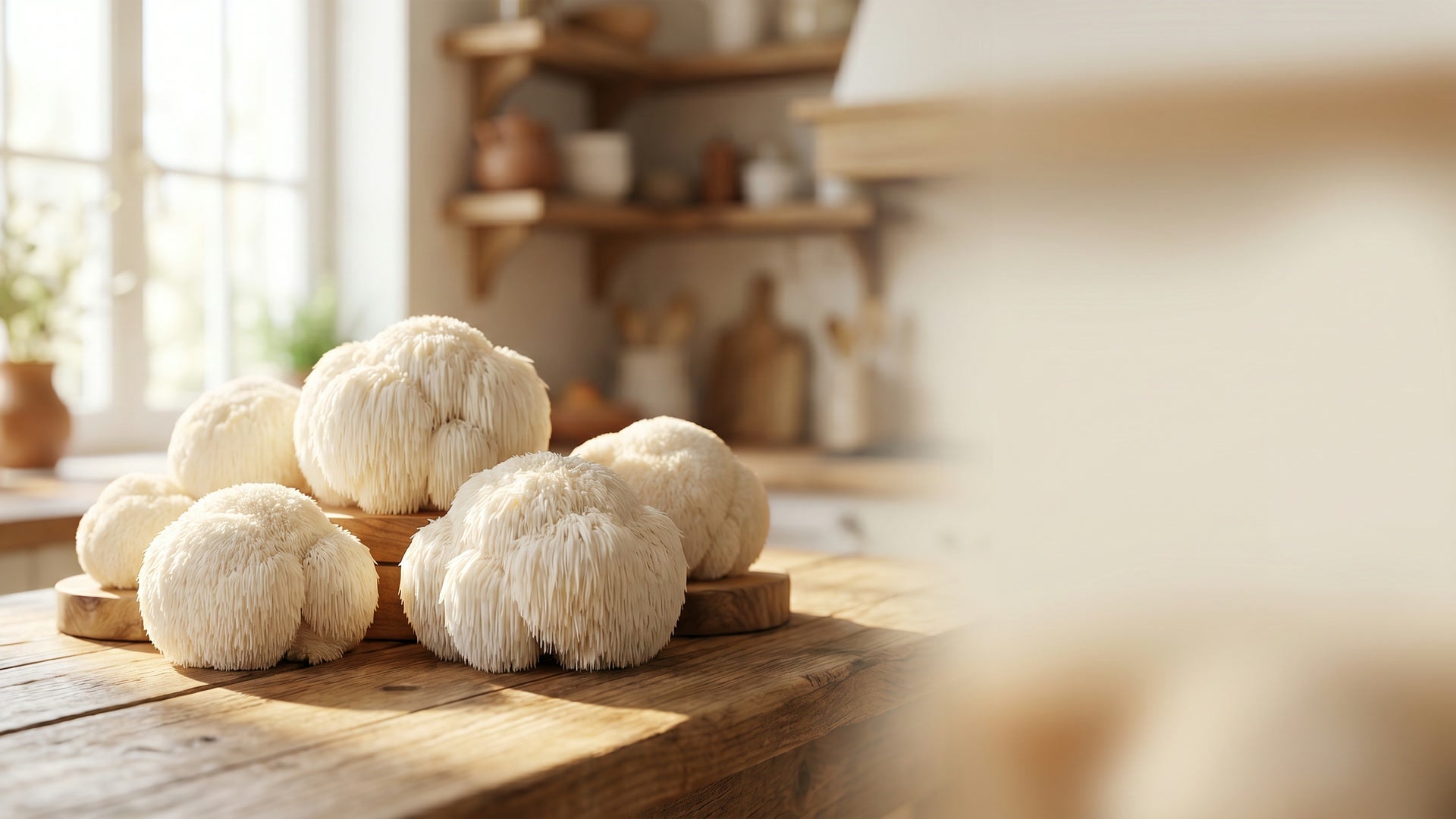
Fresh lion's mane mushrooms offer superior bioavailability compared to many commercial extracts because they preserve the natural cellular matrix that enhances absorption. When you grow lion's mane mushrooms at home, you control the entire process from cultivation to consumption, ensuring maximum compound integrity.
Commercial extraction processes can degrade heat-sensitive compounds, while proper cooking of fresh mushrooms creates a gentle extraction that preserves therapeutic molecules. The cellular breakdown from cooking mimics natural digestion, potentially enhancing bioavailability.
Cost-Effectiveness Analysis
High-quality lion's mane extract can cost $40-80 per month for therapeutic doses, while growing fresh mushrooms with a Smart Mushroom Grow Kit provides ongoing harvests for a one-time investment. Fresh mushrooms offer better value for long-term cognitive support.
The economic advantages compound over time, with home cultivation providing continuous harvests that can supply both fresh consumption and homemade extraction projects for those interested in creating their own tinctures.
Quality Control and Purity
Growing your own lion's mane eliminates concerns about extract contamination, filler ingredients, or false potency claims. The comprehensive cultivation guide ensures you understand proper growing techniques for maximum therapeutic compound production.
Fresh mushrooms provide transparency that commercial extracts cannot match, you know exactly what you're consuming and how it was grown. This control extends to harvest timing, which significantly impacts compound concentration.
Making Your Own Lion's Mane Extract
Simple Home Extraction Methods
Creating lion's mane extract at home allows you to combine the benefits of fresh mushrooms with concentrated potency. Simple alcohol tinctures require only fresh mushrooms, high-proof alcohol, and patience for extraction time.
Basic water extraction involves simmering dried lion's mane in water for several hours, creating a concentrated tea that can be reduced further for increased potency. This method captures water-soluble compounds effectively.
Dual Extraction at Home
Advanced home extractors can create dual extractions by combining alcohol and water extraction methods. This involves first creating an alcohol tincture, then using the remaining mushroom material for water extraction, finally combining both liquids.
Professional dual extraction requires more time and equipment but produces comprehensive extracts rivaling commercial products. Home extraction ensures you know exactly what goes into your tincture and can customize strength to your preferences.
Dosage and Usage Guidelines
Extract Concentration Considerations
Lion's mane extract dosage depends heavily on concentration levels and extraction methods. Typical liquid extracts recommend 1-3 droppers (1-3mL) daily, while powdered extracts may suggest 500-1000mg daily.
Understanding extraction ratios helps calculate equivalent doses. A 10:1 extract at 1000mg theoretically equals 10 grams of fresh mushrooms, though bioavailability differences affect actual therapeutic impact.
Timing and Absorption Optimization
Liquid extracts absorb best when held under the tongue for 20 seconds before swallowing, allowing sublingual absorption that bypasses initial digestion. This method provides faster effects compared to capsules or powders.
Taking extracts with healthy fats may improve absorption of fat-soluble compounds, while avoiding large meals can enhance uptake of water-soluble components.
Potential Side Effects and Interactions
Most people tolerate lion's mane extract well, with side effects typically limited to mild digestive upset in sensitive individuals. Starting with lower doses allows assessment of individual tolerance before increasing to therapeutic levels.
Lion's mane extract may interact with blood clotting medications and blood sugar regulation drugs. Individuals taking prescription medications should consult healthcare providers before beginning extraction supplementation.
Frequently Asked Questions
What's the difference between 8:1 and 12:1 lion's mane extract? Higher ratios indicate more concentrated products, but concentration alone doesn't guarantee quality. A 12:1 extract theoretically uses more mushrooms per unit but may lose compounds during processing, while fresh mushrooms provide natural ratios your body recognizes.
Are dual extraction lion's mane products worth the extra cost? Dual extraction captures both water and alcohol-soluble compounds, providing more complete therapeutic profiles than single extraction products. However, growing fresh lion's mane at home often provides superior results at lower costs.
How do I know if a lion's mane extract is high quality? Look for 100% fruiting body products with third-party testing, organic certification, and clear polysaccharide content listings. Avoid products with excessive fillers or unclear extraction methods. Fresh cultivation provides ultimate quality control.
Can I make lion's mane extract as potent as commercial products? Home extraction can create potent tinctures rivaling commercial products, especially when using properly grown fresh mushrooms. The Smart Mushroom Grow Kit provides ideal starting material for extraction projects.
Should I choose liquid or powder lion's mane extract? Liquid extracts typically offer better bioavailability and faster absorption, while powders provide convenience and mixing flexibility. Fresh mushrooms prepared properly may surpass both in effectiveness while offering additional nutritional benefits beyond isolated compounds.
Featured Snippet Summary
Lion's mane extract concentrates beneficial compounds like hericenones and erinacines through water, alcohol, or dual extraction methods. Quality varies significantly based on fruiting body content, extraction techniques, and third-party testing. Fresh mushrooms often provide superior bioavailability and cost-effectiveness compared to commercial extracts.
Grow Premium Lion's Mane for Superior "Extraction"
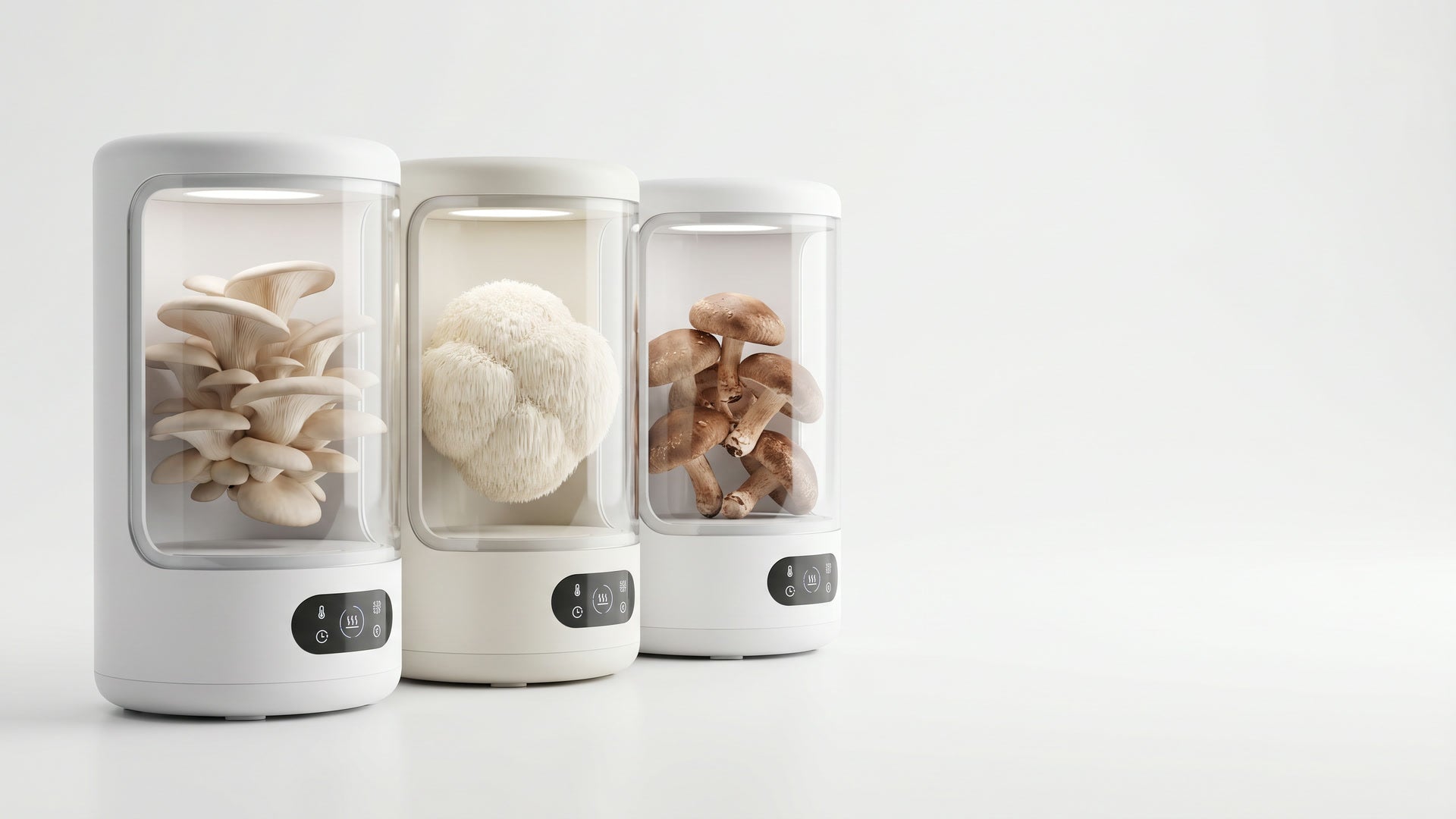
Why settle for processed extracts when you can cultivate the freshest, most potent lion's mane mushrooms right at home? The Lykyn Smart Mushroom Grow Kit produces premium fruiting bodies perfect for fresh consumption or home extraction projects. With automated environmental controls and comprehensive growing guidance, you'll harvest restaurant-quality lion's mane that surpasses commercial extracts in both potency and purity. Experience the difference that fresh, optimally grown mushrooms make, your brain will thank you for choosing nature's original extraction method: the whole, living mushroom.
Share:
How Much Lion's Mane Is Too Much: Your Complete Safety Guide
Lion's Mane Gummies: The Sweet Path to Brain Health or Marketing Gimmick?