


Can mushrooms really play a role in cancer care? It's a question that's gaining serious attention from researchers worldwide. While mushrooms aren't a cure for cancer, emerging science shows they may offer valuable support as part of a comprehensive treatment approach.
For over 30 years, medicinal mushrooms have been approved as complementary cancer treatments in Japan and China. Now, Western medicine is catching up, with hundreds of studies exploring how these remarkable fungi might help cancer patients through immune support, symptom management, and quality of life improvements.

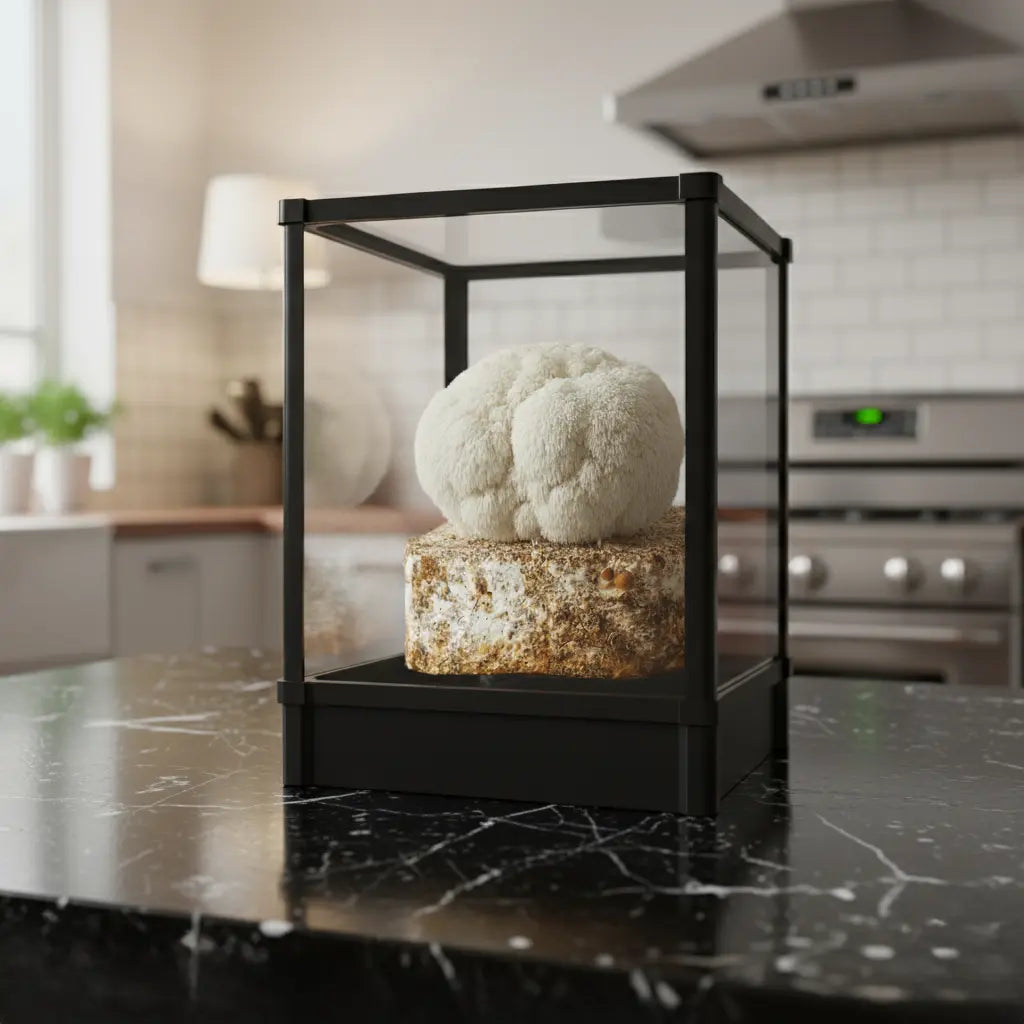
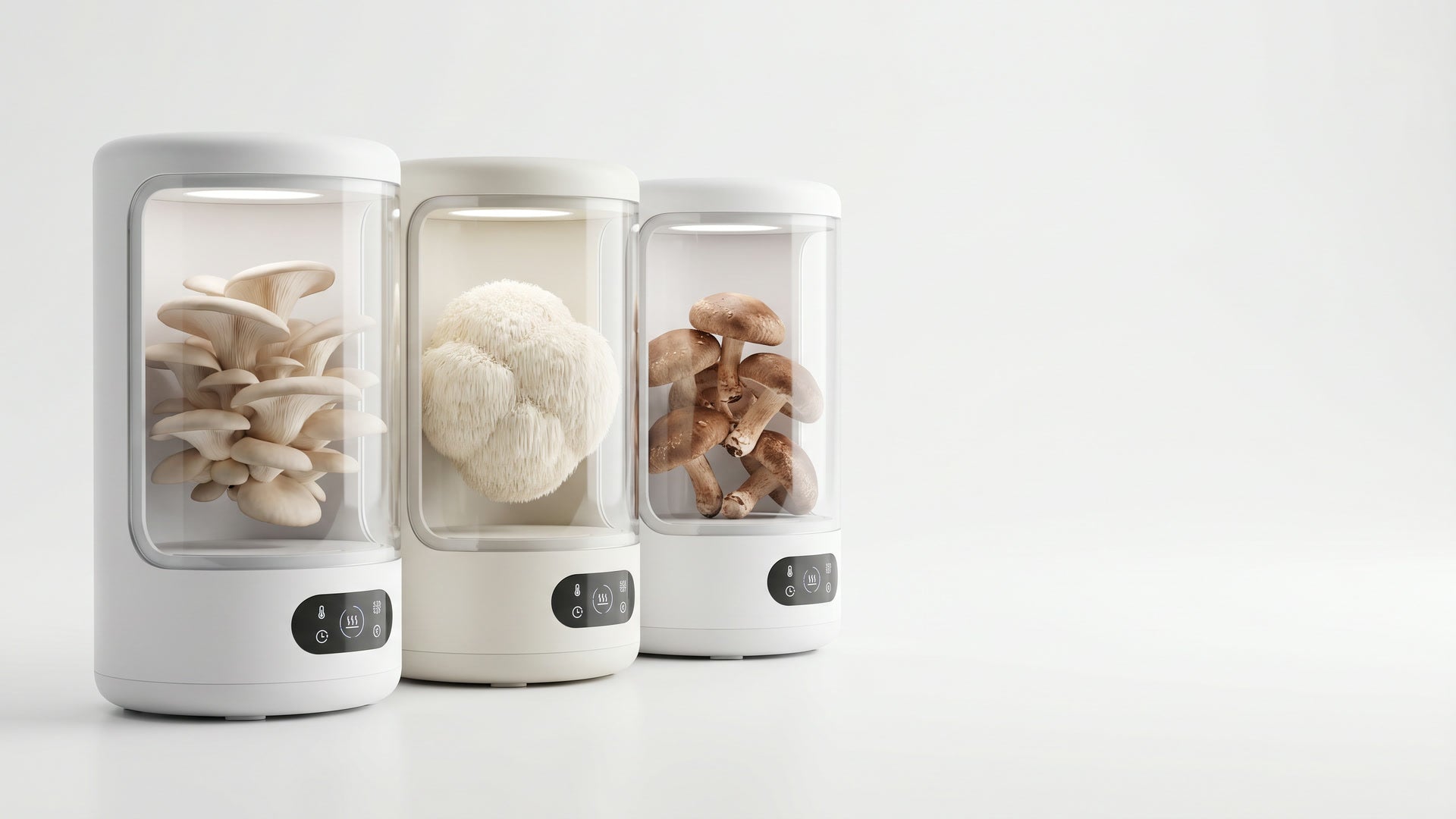
Smart Chamber. Bone White Single
- 2.8L tank, 90% humidity automatic
- App-controlled, plug-and-play
- 6 lb block ceiling, in stock

Smart Chamber. Obsidian Black Single
- Same hardware as Bone White
- Matte black premium finish
- Pairs with any kitchen palette

Whether you're researching natural health options or curious about growing your own medicinal mushrooms at home, this guide covers everything you need to know about the fascinating connection between mushrooms and cancer.
Understanding Medicinal Mushrooms and Their Cancer-Fighting Potential
Medicinal mushrooms are different from the button mushrooms you toss in your salad. These specialized fungi contain powerful bioactive compounds that researchers believe may influence cancer outcomes in several ways.
The most studied medicinal mushrooms for cancer include turkey tail, reishi, shiitake, lion's mane, and maitake. Each contains unique compounds like polysaccharides, beta-glucans, and triterpenes that may support the immune system and complement conventional cancer treatments.

How Do Mushrooms Work Against Cancer?
According to research from the National Cancer Institute, medicinal mushrooms may work through several mechanisms. They don't directly kill cancer cells like chemotherapy drugs do. Instead, they appear to support the body's own defense systems.
These fungi contain compounds that may help regulate immune function, reduce inflammation, slow tumor growth, and potentially enhance the effectiveness of conventional treatments. The key word here is "may", research is ongoing, and results vary by mushroom type and cancer stage.
Turkey Tail Mushrooms: The Most Researched for Cancer Support
Turkey tail mushroom stands out as one of the most extensively studied medicinal fungi for cancer care. Named for its colorful, fan-shaped appearance, this mushroom contains compounds called polysaccharopeptide and polysaccharide-K that have attracted significant research attention.
In Japan, researchers conducted randomized clinical trials between 1978 and 1981 with over 750 gastric cancer patients. Those who received chemotherapy combined with PSK showed improved survival rates compared to chemotherapy alone. Similar studies have explored turkey tail's potential benefits for colorectal, breast, and lung cancers.
If you're interested in incorporating turkey tail into your wellness routine, growing your own ensures the freshest possible supply. Learn more about the immune-boosting properties in our comprehensive guide on how to use turkey tail mushroom and discover cultivation techniques in how to grow turkey tail mushrooms.
What the Research Shows
A 2025 study published in the International Journal of Molecular Sciences examined turkey tail's effects on colon cancer. Researchers found that turkey tail extracts demonstrated anti-proliferative effects, induced cell cycle arrest, and showed anti-inflammatory properties in preclinical models.
For patients undergoing conventional treatment, turkey tail may help reduce chemotherapy side effects. Research suggests it could help repair immune cell damage and strengthen overall immune function during cancer treatment.
Reishi Mushrooms: The "Mushroom of Immortality" in Cancer Care
Reishi mushroom has been treasured in traditional Chinese medicine for over 2,000 years as the "mushroom of immortality." While that's obviously an exaggeration, modern research is uncovering why this woody fungus earned such an impressive reputation.

A meta-analysis of five randomized controlled trials found that cancer patients who received reishi mushroom supplements alongside chemotherapy and radiation showed improved tumor response rates compared to conventional treatment alone. However, the data showed reishi didn't effectively shrink tumors when used by itself.
What makes reishi particularly interesting is its role as an adaptogen. It may help reduce stress and improve sleep quality, both crucial factors for cancer patients dealing with treatment side effects and emotional challenges.
Want to harness reishi's potential yourself? Our detailed guide on reishi mushrooms covers everything from identification to preparation methods.
Lion's Mane: Supporting Cognitive Health During Cancer Treatment
Cancer and its treatments often lead to "chemo brain", cognitive difficulties including memory problems, difficulty concentrating, and mental fog. Lion's mane mushroom is gaining attention for its potential neuroprotective benefits that might help cancer patients maintain cognitive function.
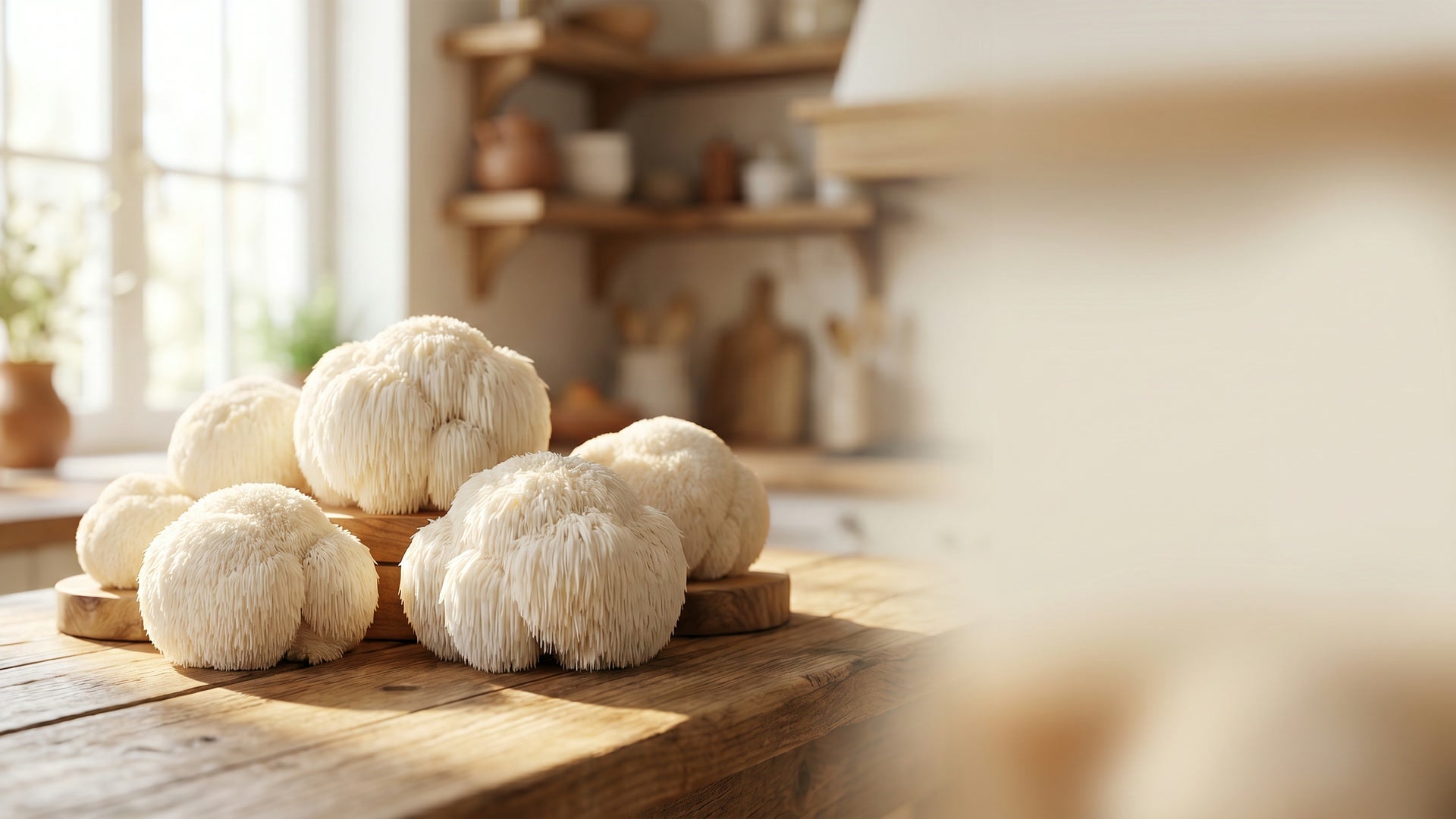
This distinctive white mushroom with cascading tendrils contains compounds that may support nerve growth and brain health. While research specifically on lion's mane and cancer is limited, its cognitive-supporting properties make it valuable for patients experiencing treatment-related cognitive challenges.
For cancer patients interested in maintaining mental clarity, nootropic mushrooms like lion's mane offer a natural approach. You can even grow your own using our Lion's Mane mushroom cultivation guide.
Shiitake Mushrooms: Both Culinary and Medicinal
Shiitake mushrooms bridge the gap between gourmet cuisine and medicinal use. They're delicious in cooking while also containing lentinan, a compound that has been studied for its potential anticancer properties.
Research shows that consuming shiitake mushrooms daily can improve human immunity. A study found that eating just one or two dried shiitake mushrooms daily for four weeks resulted in increased gamma-delta T cell proliferation and doubled natural killer cell activity, both important for fighting cancer.
What's particularly exciting about shiitake is that lentinan extracted from these mushrooms has been approved as an adjuvant cancer treatment in Japan since the 1970s, where it's used alongside chemotherapy for various cancer types.
White Button Mushrooms: The Surprising Cancer Fighter
Don't overlook the humble white button mushroom you find in every grocery store. Recent research from 2025 revealed that white button mushrooms may reduce immune suppression in prostate cancer patients.
The study showed that white button mushroom consumption reduced myeloid-derived suppressor cells, immune cells that hinder the body's cancer-fighting ability, while increasing cytotoxic T cells and natural killer cells. In mouse models, this treatment slowed tumor growth and improved the effectiveness of immune checkpoint inhibitors.
This is groundbreaking because it suggests that even common, affordable mushrooms might offer cancer-fighting benefits.
Growing Your Own Medicinal Mushrooms at Home
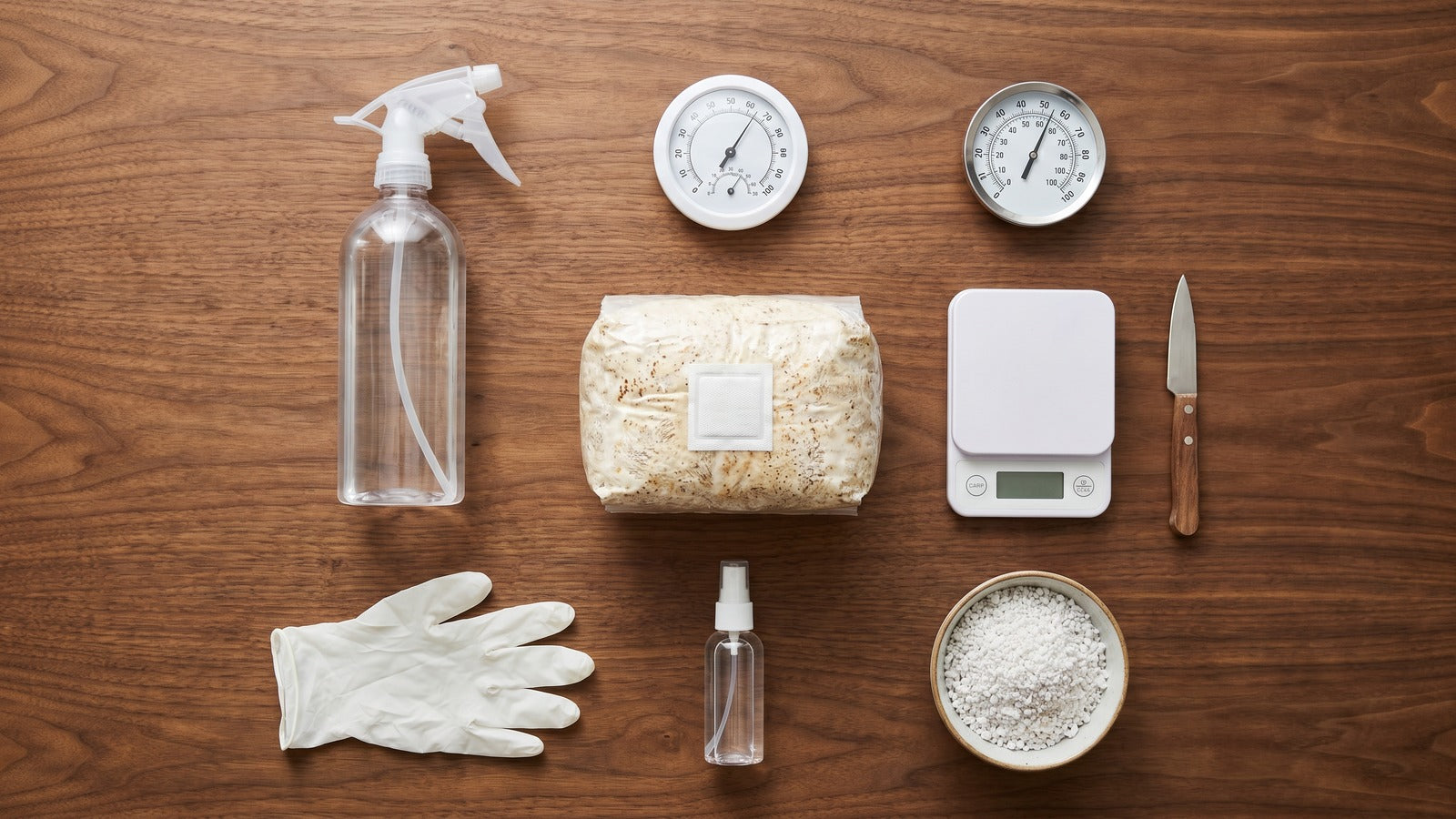
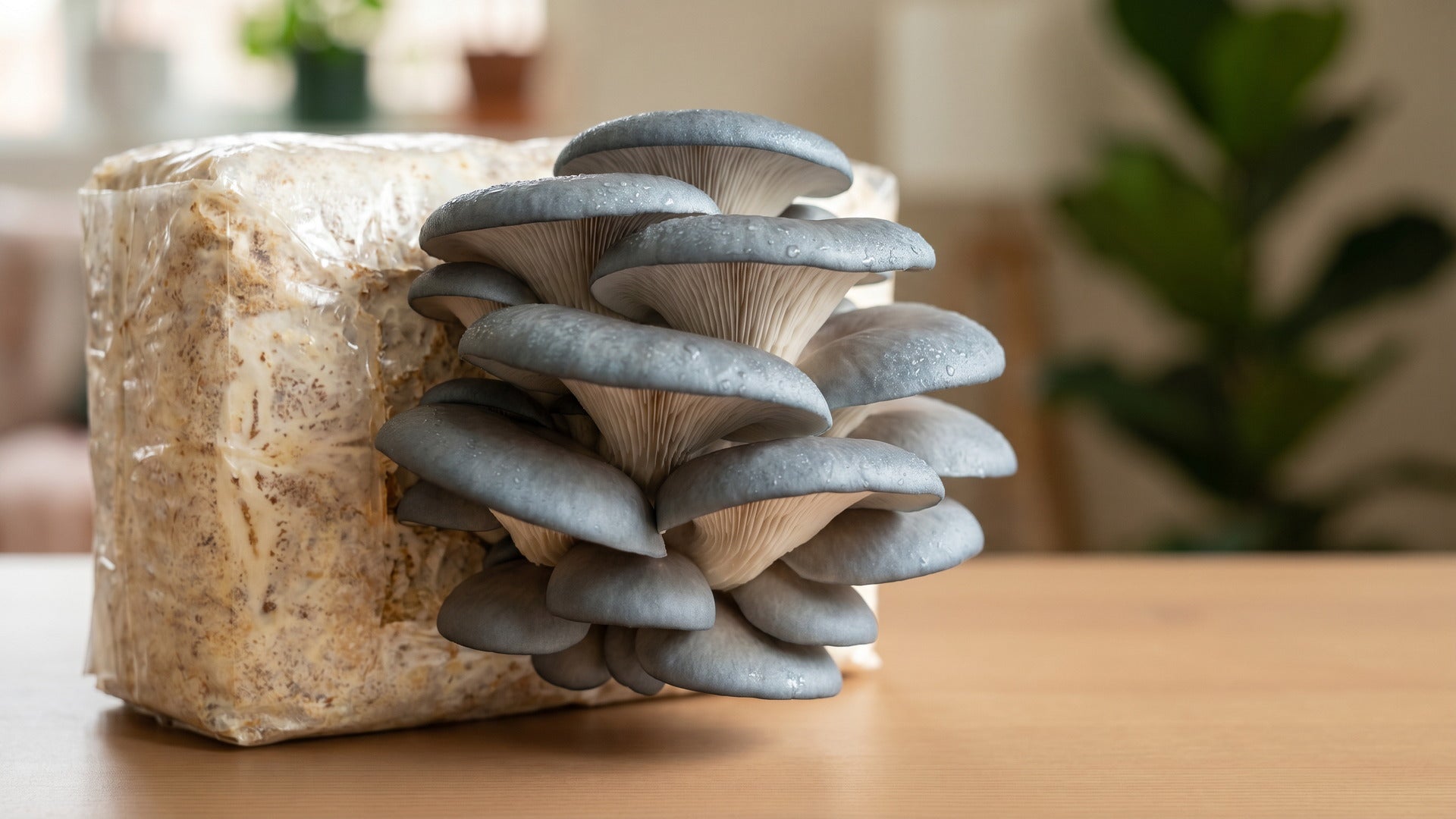
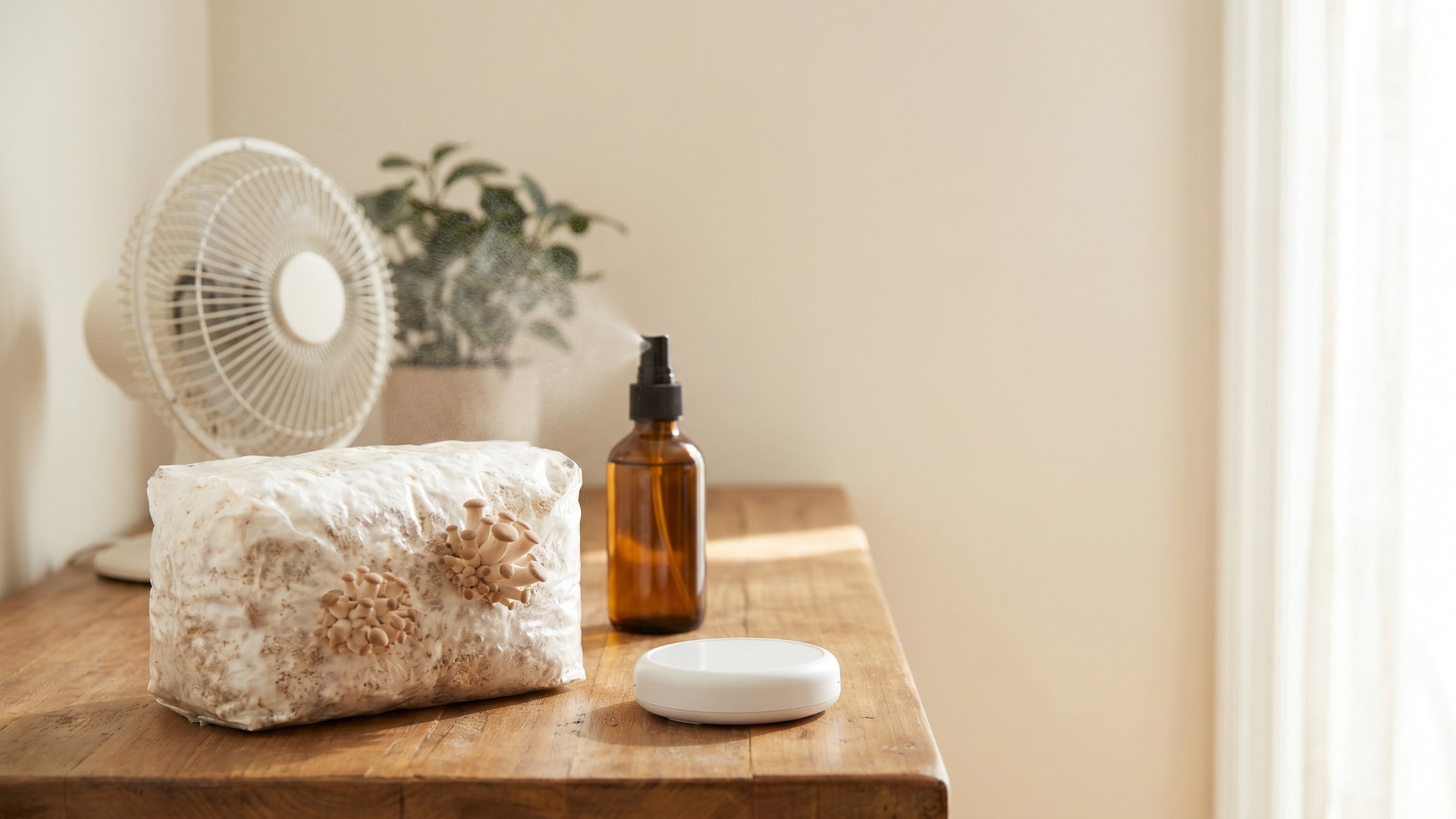
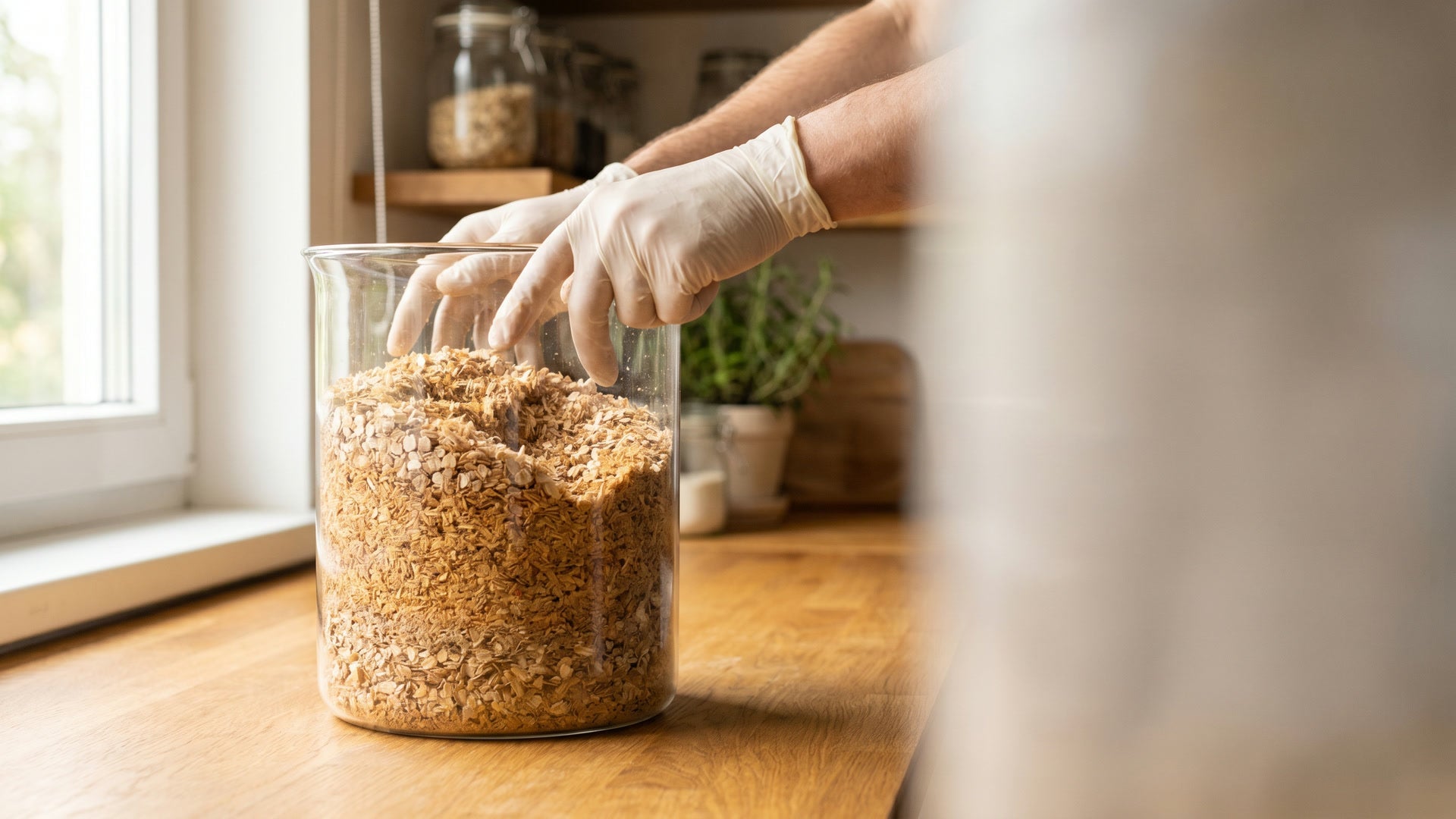
One of the best ways to ensure quality and freshness of medicinal mushrooms is growing them yourself. Modern mushroom cultivation has become remarkably accessible, even for complete beginners.

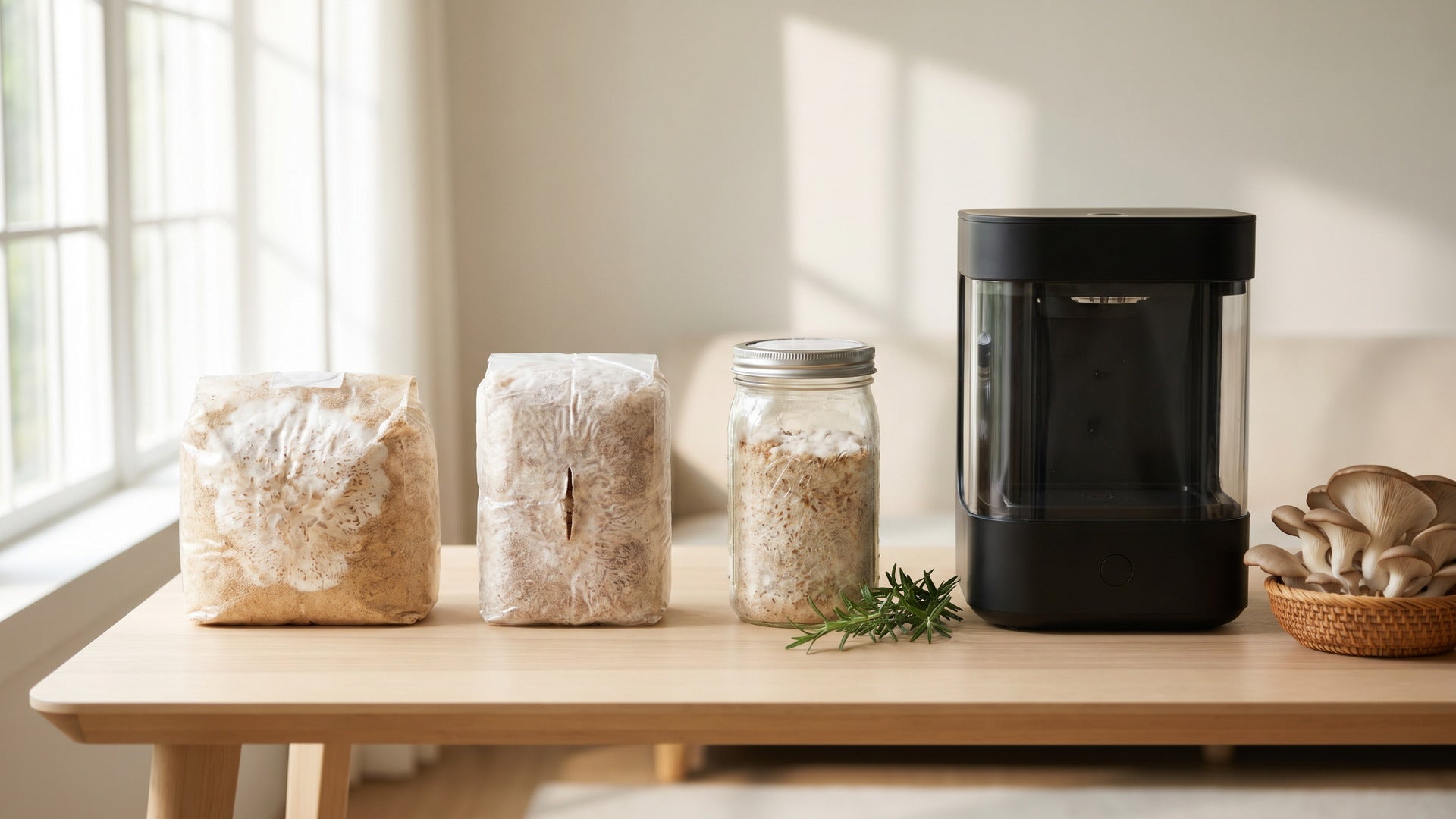
The LYKYN Smart Mushroom Grow Kit makes home cultivation incredibly simple. This automated system maintains perfect humidity levels and airflow through smartphone app control, eliminating the daily misting routine that traditional growing requires. Whether you're cultivating turkey tail for immune support, lion's mane for cognitive health, or reishi for overall wellness, this smart chamber handles the technical details.
For those new to mushroom cultivation, check out our mushroom grow kit for beginners guide and explore our selection of mushroom fruiting blocks to get started.
Fuel Your Mushroom Journey
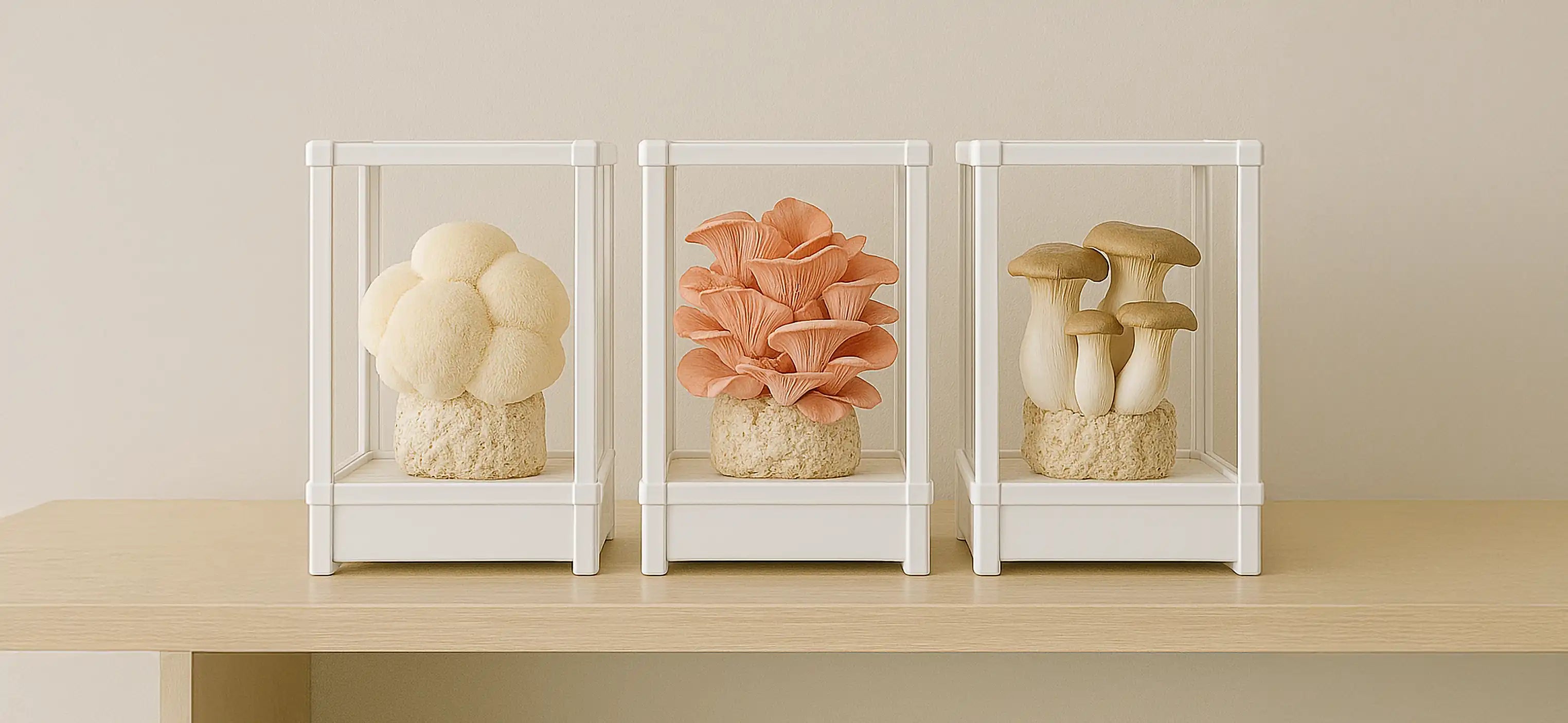
Smart Mushroom Grow Chamber
Plug-and-play smart chamber with humidity, light, and airflow dialed in for every species. Beginners harvest their first flush in days, not months.
Add to cart $299Benefits of Home Cultivation
Growing medicinal mushrooms at home offers several advantages. You control the growing conditions, ensuring no pesticides or contaminants. Fresh mushrooms retain maximum bioactive compounds compared to dried commercial products. Plus, a single grow kit can produce multiple flushes, making it cost-effective compared to buying supplements.
Learn more about the advantages in our article on benefits of using a mushroom growing kit.
How to Use Medicinal Mushrooms Safely
If you're considering medicinal mushrooms as part of cancer support, safety should be your top priority. Here are essential guidelines:
Always consult your oncologist first. Medicinal mushrooms can interact with certain cancer treatments and medications. Your healthcare team needs to know everything you're taking.
Quality matters tremendously. Whether you're buying supplements or growing your own, source matters. Commercial supplements vary widely in quality and potency. Growing your own with proper methods ensures you know exactly what you're consuming.
Preparation is key. Most medicinal mushrooms require proper preparation to extract their beneficial compounds. Hot water extraction pulls out water-soluble polysaccharides, while alcohol extraction captures fat-soluble compounds like triterpenes. Dual extraction combines both methods for maximum benefit.
Start slowly. Begin with small amounts to assess tolerance. Most people tolerate medicinal mushrooms well, but individual responses vary.
For practical preparation methods, explore our guide on mushroom powders which covers creating your own concentrated mushroom supplements from home-grown fungi.
What Cancer Patients Should Know
Medicinal mushrooms show promise, but it's crucial to maintain realistic expectations. They are not a replacement for conventional cancer treatment. No reputable researcher or healthcare provider would suggest using mushrooms instead of proven treatments like chemotherapy, radiation, or immunotherapy.
Instead, think of medicinal mushrooms as potential complementary support. They may help with symptom management, immune support, quality of life improvements, and possibly enhancing conventional treatment effectiveness.
The FDA has not approved medicinal mushrooms as cancer treatments in the United States. They're classified as dietary supplements, which means they're not subject to the same rigorous testing as pharmaceutical drugs.
Current Research Limitations
Most medicinal mushroom research has been conducted in Asia, where these fungi have longer histories of medical use. While thousands of patients have participated in clinical trials, many studies have methodological limitations. More rigorous, large-scale clinical trials are needed in Western populations.
Additionally, much of the research focuses on mushroom extracts rather than whole mushrooms. The optimal dosages, preparation methods, and treatment durations remain areas of active investigation.
The Future of Mushrooms in Cancer Care
The field of medicinal mushroom research is expanding rapidly. A 2025 review identified 26 different mushroom species being studied specifically for lung cancer treatment. Researchers are isolating novel bioactive compounds and exploring how different mushrooms might work synergistically.
Particularly exciting is research into combining medicinal mushrooms with conventional treatments. Studies suggest certain mushroom compounds might make chemotherapy more effective while reducing side effects, potentially allowing patients to better tolerate treatment.
Emerging research also explores mushroom extracts for managing treatment side effects like nausea, fatigue, and immune suppression. For cancer patients whose quality of life suffers during treatment, these symptom management benefits could prove valuable even if the mushrooms don't directly affect tumor growth.
Frequently Asked Questions
Can mushrooms cure cancer?
No, mushrooms cannot cure cancer. While research shows certain medicinal mushrooms may support immune function and potentially complement conventional treatments, they are not a cure and should never replace proven cancer therapies. Always work with your oncology team for cancer treatment decisions.
Which mushroom is best for cancer support?
Turkey tail mushroom has the most extensive research for cancer support, particularly for gastric, colorectal, and breast cancers. However, different mushrooms offer different potential benefits. Reishi may help with treatment side effects and stress, while lion's mane might support cognitive function during treatment.
Are medicinal mushrooms safe during chemotherapy?
This depends on the specific mushroom, dosage, and chemotherapy regimen. Some medicinal mushrooms have been safely used alongside chemotherapy in clinical trials, but interactions are possible. Never add supplements during cancer treatment without consulting your oncologist first.
How much medicinal mushroom should I take?
Dosages vary significantly depending on the mushroom type, preparation method, and intended use. Clinical studies have used various doses. Growing your own and preparing extracts allows you to control quality, but determining appropriate amounts requires healthcare provider guidance based on your specific situation.
Can I just eat culinary mushrooms for cancer prevention?
Regular consumption of culinary mushrooms like shiitake, maitake, and even button mushrooms may offer some immune-supporting benefits. They're nutritious, low-calorie, and contain beneficial compounds. However, therapeutic doses for cancer support typically require concentrated extracts or larger quantities than you'd normally eat in meals.
Summary: Key Takeaways
Medicinal mushrooms represent a fascinating frontier in cancer research, offering potential complementary support rather than standalone cures. Turkey tail, reishi, shiitake, and lion's mane show the most promise based on current studies, with mechanisms including immune modulation, anti-inflammatory effects, and possible enhancement of conventional treatments. Growing your own medicinal mushrooms at home ensures quality and freshness while being cost-effective compared to commercial supplements.
Start Your Medicinal Mushroom Journey Today
Whether you're supporting someone through cancer treatment, interested in preventive health, or simply curious about medicinal fungi, growing your own mushrooms offers an empowering way to take charge of your wellness.
The LYKYN Smart Mushroom Grow Kit makes it easy to cultivate turkey tail, lion's mane, reishi, and other medicinal varieties right in your home. With automated environmental controls and smartphone monitoring, you can produce fresh, high-quality medicinal mushrooms without previous experience.
Explore our complete selection of mushroom growing resources and start your cultivation journey today. Your future self, and your immune system, will thank you.
Disclaimer: This article is for informational purposes only and is not medical advice. Always consult with qualified healthcare professionals before using medicinal mushrooms, especially if you have cancer or are undergoing cancer treatment.
Share:
Mushroom Packaging: The Complete Guide to Sustainable Innovation and Fresh Storage
Mushroom Coffee Substitute: How to Make Your Own Plus Best Alternatives