


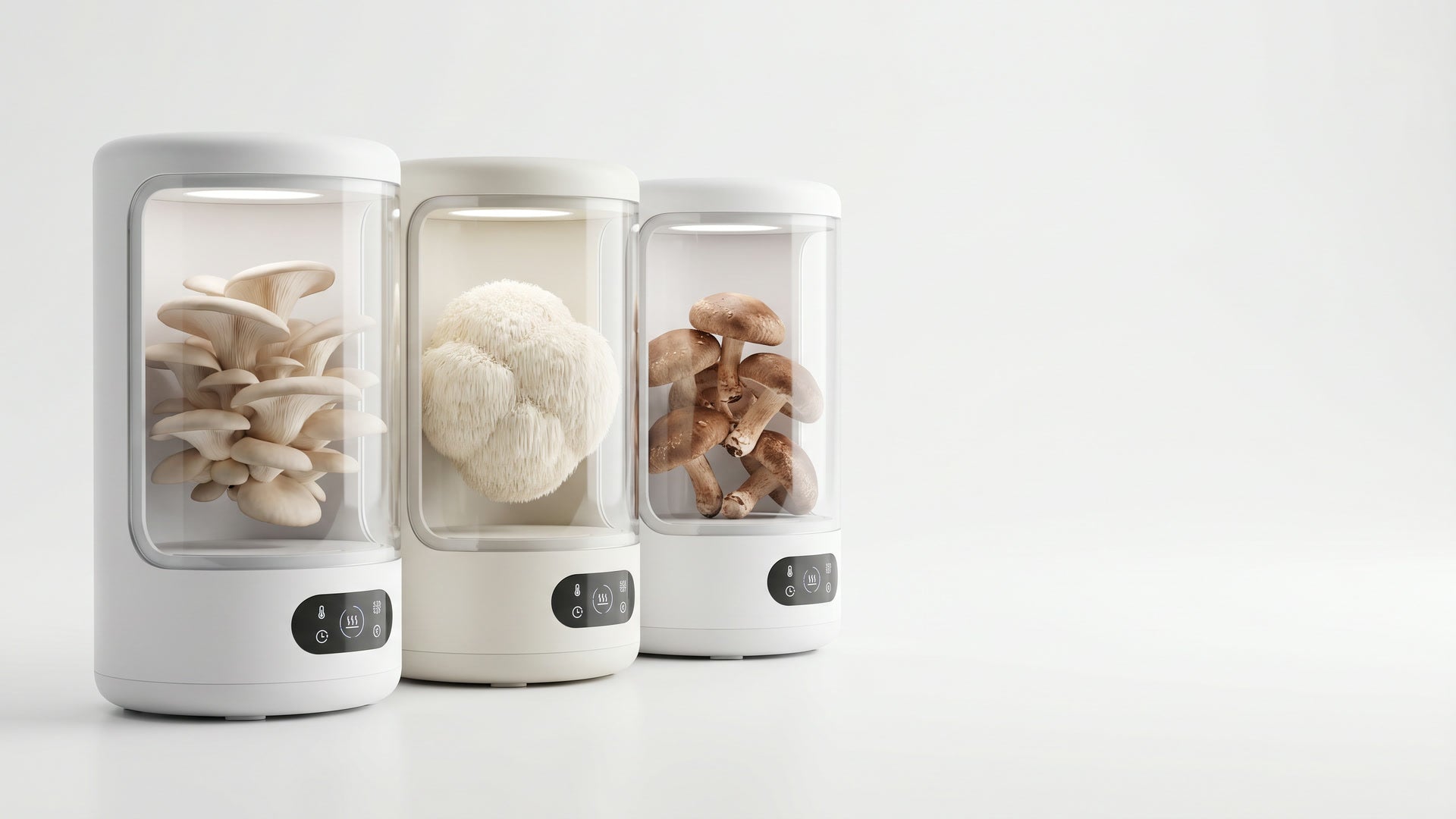
Growing oyster mushrooms at home is incredibly rewarding, but knowing exactly when to pick them makes all the difference between a mediocre harvest and exceptional results. Whether you're using a traditional grow kit or an advanced Smart Mushroom Grow Kit, timing your harvest correctly ensures maximum flavor, optimal texture, and the best possible yield from your mushroom cultivation efforts.
The key to successful oyster mushroom harvesting lies in understanding the visual cues that indicate peak maturity. Most home growers struggle with this timing, often picking too early and missing peak flavor, or waiting too long and ending up with tough, bitter mushrooms. This comprehensive guide will teach you exactly when and how to harvest your oyster mushrooms for the best possible results.
Understanding Oyster Mushroom Growth Stages
The Pinning Stage
Most mushrooms are typically ready to harvest anywhere from 1 to 2 weeks after pinning, which is when tiny mushroom nubs first appear on your growing substrate. During this initial stage, your oyster mushrooms will look like small, dark bumps clustered together.

Rapid Development Phase
Oyster mushrooms have an extremely fast growth rate. When growing in the 60's or at higher temperatures, the mushrooms typically need to be harvested twice a day in the morning and night. This rapid growth means you need to monitor your mushrooms closely once they enter the development phase.
Pre-Harvest Maturation
The most critical period for timing your harvest begins when the mushroom caps start to unfurl. This is when careful observation becomes essential for determining the perfect picking moment.
Key Visual Indicators for Harvest Timing
Cap Shape and Edge Appearance
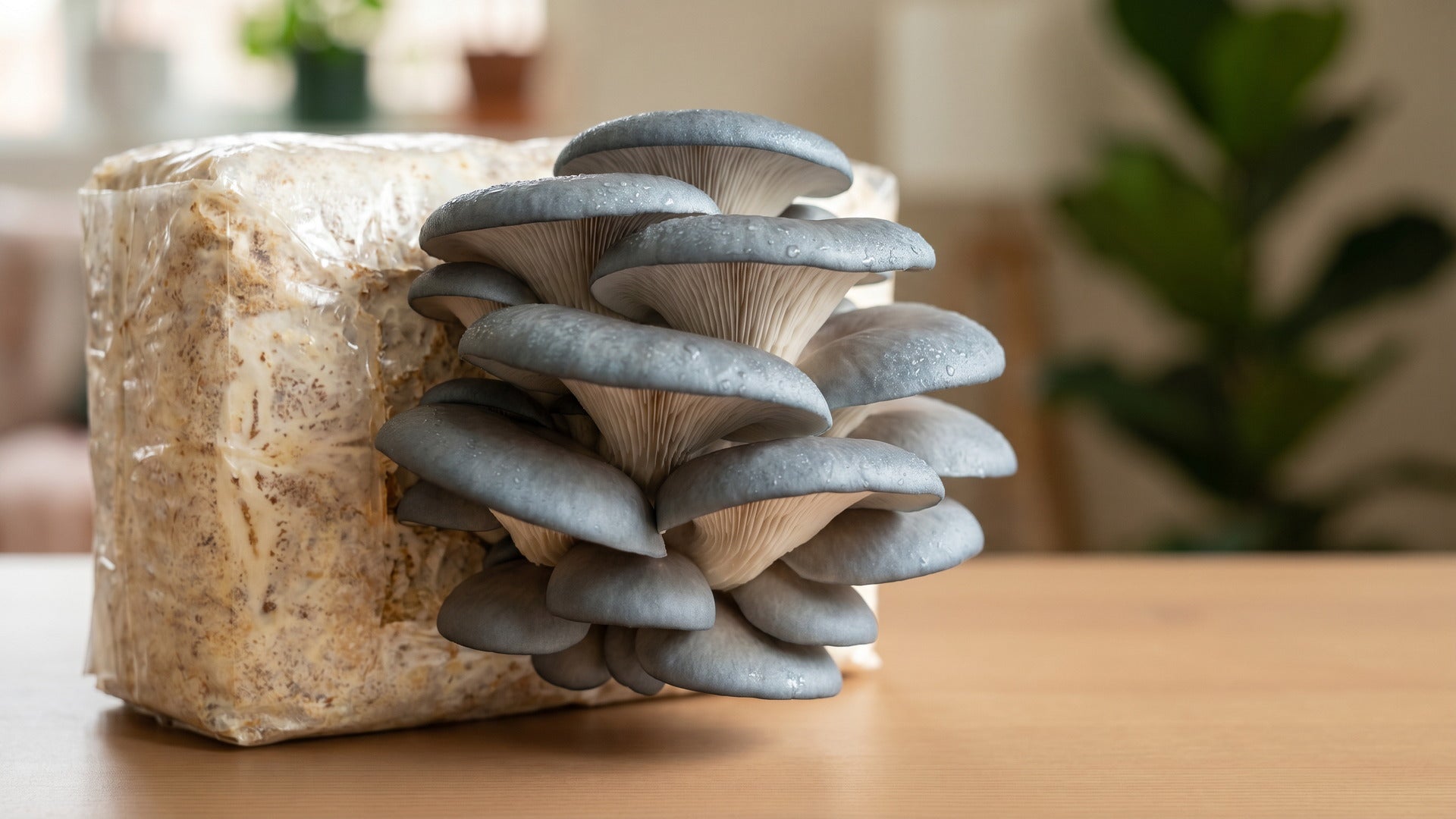
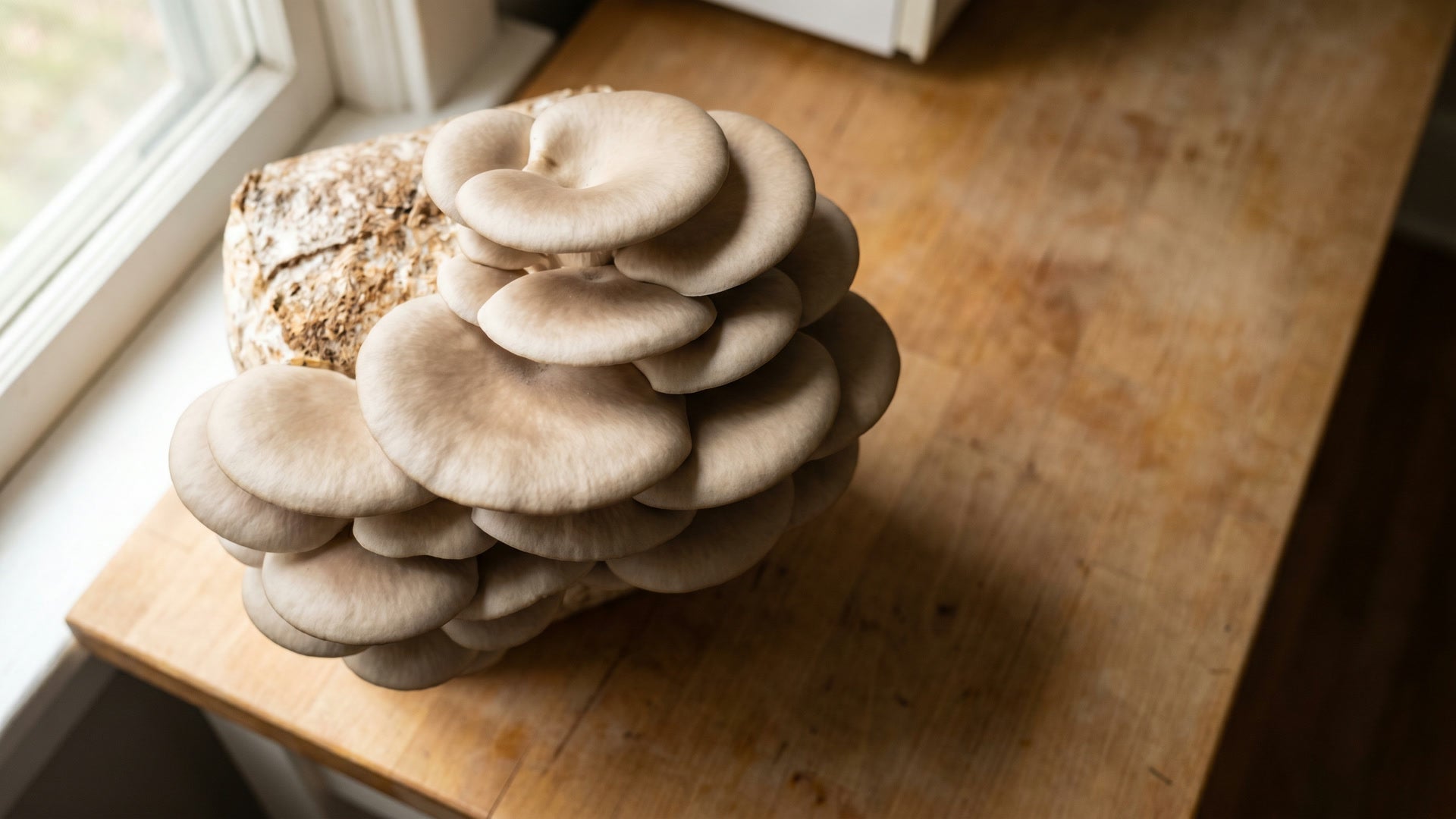
It's best to harvest oyster mushrooms when the caps begin to uncurl and flatten, but before they become too flat. The edges of your oyster mushroom caps should still be slightly curled under when you harvest them. This sweet spot provides the optimal balance of texture and flavor.
Oyster mushroom harvesting should occur three to five days after you see the first mushrooms begin to form. You are looking for the cap of the largest mushroom in the group to go from turning down at the edges to turning up or flattening out at the edges.
The Perfect Harvest Window
The best time to pick mushrooms is when the caps turn to form convex to concave- this means turning down to turning up. After the first mushroom begin to form, harvest 3 to 5 days later. Focus on the largest mushroom in each cluster as your indicator.

Signs You've Waited Too Long
The oyster mushrooms should be harvested before the edges of the caps flatten out completely or even flip up. Once the caps become completely flat or start curling upward, the texture becomes tougher and the flavor can turn bitter.
Harvesting Techniques and Best Practices
Cluster Harvesting Method
Oyster mushrooms grow in clusters, and it's generally best to harvest the entire cluster at once rather than picking individual mushrooms. This approach prevents damage to smaller mushrooms and ensures consistent quality across your harvest.
Proper Cutting Technique
Use a sharp, clean knife to cut the mushroom cluster at the base where it meets the growing substrate. Avoid pulling or twisting, which can damage the substrate and affect future flushes.
Timing for Different Varieties
Blue oyster mushrooms are a popular variety because of their unique color and flavor. Here are some specific tips for harvesting and caring for blue oyster mushrooms: Harvest time: Harvest blue oyster mushrooms just before they are fully mature to preserve more energy and extend shelf life.
Environmental Factors Affecting Harvest Timing
Temperature plays a crucial role in determining when to harvest your oyster mushrooms. Higher temperatures accelerate growth, requiring more frequent monitoring and potentially twice-daily harvesting. If you're using a Mushroom Grow Kit for Beginners, maintaining consistent temperature and humidity becomes much easier with automated systems.
Maximizing Your Harvest Success
Storage and Preservation
Once harvested, oyster mushrooms are best used fresh within a few days. Store them in the refrigerator in a paper bag or breathable container to maintain optimal texture and prevent moisture buildup.
Preparing for Subsequent Flushes
After harvesting your first flush, clean any remaining mushroom debris from the substrate and continue maintaining proper humidity and temperature conditions. Most oyster mushroom kits will produce multiple flushes over several weeks.
Quality Assessment
Fresh oyster mushrooms should have a firm texture, clean appearance, and mild, pleasant aroma. Any signs of sliminess, strong odors, or excessive softness indicate the mushrooms have passed their prime.
FAQ Section
Q: How often should I check my oyster mushrooms for harvest readiness? A: Check your oyster mushrooms at least once daily, and twice daily during warm weather or rapid growth periods. The growth rate can be surprisingly fast, especially at higher temperatures.
Q: Can I harvest individual mushrooms from a cluster? A: It's better to harvest the entire cluster at once to prevent damage to remaining mushrooms and maintain substrate health for future flushes.
Q: What happens if I harvest too early? A: Early harvesting results in smaller yields and less developed flavor. While still edible, the mushrooms won't reach their full potential for taste and texture.
Q: How do I know if my oyster mushrooms are too old to harvest? A: Overmature oyster mushrooms have completely flat or upward-curling caps, tough texture, and may develop a bitter taste. They're still edible but not at peak quality.
Q: Do different oyster mushroom varieties have different harvest timing? A: Yes, different varieties like blue oyster, pearl oyster, and king oyster may have slightly different optimal harvest windows, but the basic visual cues remain similar.
Quick Reference Summary
The optimal time to harvest oyster mushrooms is when the caps begin to flatten but still have slightly curled edges, typically 3-5 days after initial formation. Watch for the transition from downward-curling to upward-turning edges on the largest mushroom in each cluster. Harvest the entire cluster at once using clean, sharp cuts at the base.
Start Your Mushroom Growing Journey Today
Ready to experience the satisfaction of growing and harvesting your own oyster mushrooms? The Smart Mushroom Grow Kit takes the guesswork out of maintaining perfect growing conditions, automatically managing humidity and airflow so you can focus on timing your harvest perfectly. With precision environmental control and user-friendly design, you'll be harvesting restaurant-quality oyster mushrooms in your own home within weeks.
Transform your kitchen into a productive growing space and discover why thousands of home cultivators are choosing mushroom growing as their entry into sustainable, homegrown food production.
Share:
Black Pearl Mushroom Recipes: Your Complete Guide to Gourmet Culinary Excellence
Mushroom Rockefeller: The Ultimate Guide to Creating This Elegant Stuffed Mushroom Masterpiece