


Black reishi mushroom, scientifically known as Ganoderma sinense, represents one of the most revered varieties in traditional Chinese medicine. Often called purple reishi or "zǐzhī" (紫芝), this remarkable medicinal mushroom has been treasured for over 2,000 years for its unique health benefits and spiritual significance. Unlike its more famous red cousin (Ganoderma lucidum), black reishi offers distinct properties with more delicate taste and specialized immune-supporting compounds that make it highly sought after by herbalists and wellness enthusiasts.
Quick Answer: Black reishi mushroom (Ganoderma sinense) is a medicinal mushroom variety with darker coloration, prized for lung health support and immune system benefits. It's cultivated primarily in Asia and approved in China for chemotherapy side effect relief, offering similar but distinct properties from red reishi.

Understanding Black Reishi: Species and Classification
Scientific Identity: Ganoderma sinense
Black reishi, properly identified as Ganoderma sinense, belongs to the Ganodermataceae family and represents one of the traditional "six sacred mushrooms" described in ancient Chinese texts. Chinese differentiates Ganoderma species into chìzhī (赤芝; "red mushroom") G. lingzhi, and zǐzhī (紫芝; "purple mushroom") Ganoderma sinense.
Key Characteristics:
-
Scientific name: Ganoderma sinense
-
Common names: Black reishi, purple reishi, zǐzhī (紫芝)
-
Traditional classification: One of the mythical "six zhī" varieties
-
Color: Dark brown to black with glossy surface
-
Similar genetic composition to red reishi with unique compounds
Historical Significance in Traditional Medicine
In 2010, Ganoderma sinense tablets were approved by the Chinese State Food and Drug Administration as a relief for the side effects of chemotherapy, highlighting its modern medical recognition. Many Chinese herbalists will carry these fungi as they are known for supporting healthy lung function.
Traditional Applications:
-
Lung health and respiratory support
-
Immune system modulation
-
Spiritual potency and longevity
-
Chemotherapy side effect relief
-
Stress adaptation and vitality enhancement
Identifying Black Reishi Mushrooms
Visual Characteristics
Black reishi mushrooms are characterized by their dark and glossy appearance, featuring a distinctive shelf-like structure with a shiny black surface. The texture is woody and tough, reflecting the resilience of this species.
Identification Features:
-
Cap appearance: Dark brown to black, glossy lacquered surface
-
Shape: Kidney or fan-shaped, shelf-like growth pattern
-
Texture: Woody, tough, and durable
-
Size: Can grow 5-40 centimeters in diameter
-
Underside: White to light tan pore surface
-
Spore print: Brown to rusty brown coloration
Growth Patterns and Habitat
Typically found in forests, Black Reishi grows on decaying hardwood logs and stumps. Its presence adds an air of mystery to the natural surroundings, particularly in Asian hardwood forests where it naturally occurs.
Natural Habitat:
-
Hardwood trees (maple, oak, beech)
-
Decaying logs and stumps
-
Humid, temperate forest environments
-
Base of living trees (sometimes)
-
Wound sites on mature trees

Health Benefits of Black Reishi Mushroom
Immune System Support
Similar in genetic composition to the red Reishi, black reishi is sought after for its more delicate taste and immune-system supporting health benefits. The bioactive compounds present in this mushroom are thought to have immunomodulatory, antioxidant, and adaptogenic properties.
Primary Benefits:
-
Immune modulation: Helps balance immune response
-
Antioxidant protection: Combats oxidative stress
-
Adaptogenic support: Assists stress adaptation
-
Respiratory health: Traditional lung function support
-
Vitality enhancement: Promotes overall energy and wellness
Bioactive Compounds
Black reishi contains a complex array of beneficial compounds that contribute to its therapeutic properties:
Key Components:
-
Triterpenes: Including ganoderic acids for liver protection
-
Polysaccharides: Beta-glucans for immune support
-
Peptidoglycans: Protein-sugar complexes
-
Sterols: Including ergosterol precursors
-
Various minerals: Potassium, calcium, phosphorus
Research and Clinical Applications
Regular consumption of Black Reishi may support the immune system, enhance vitality, and contribute to overall well-being. However, it is essential to consult with a healthcare professional before incorporating Black Reishi into your routine, especially if you have specific health concerns or are taking medications.
Learn more about traditional reishi benefits in our comprehensive reishi mushroom benefits guide.
Growing Black Reishi at Home
Cultivation Requirements
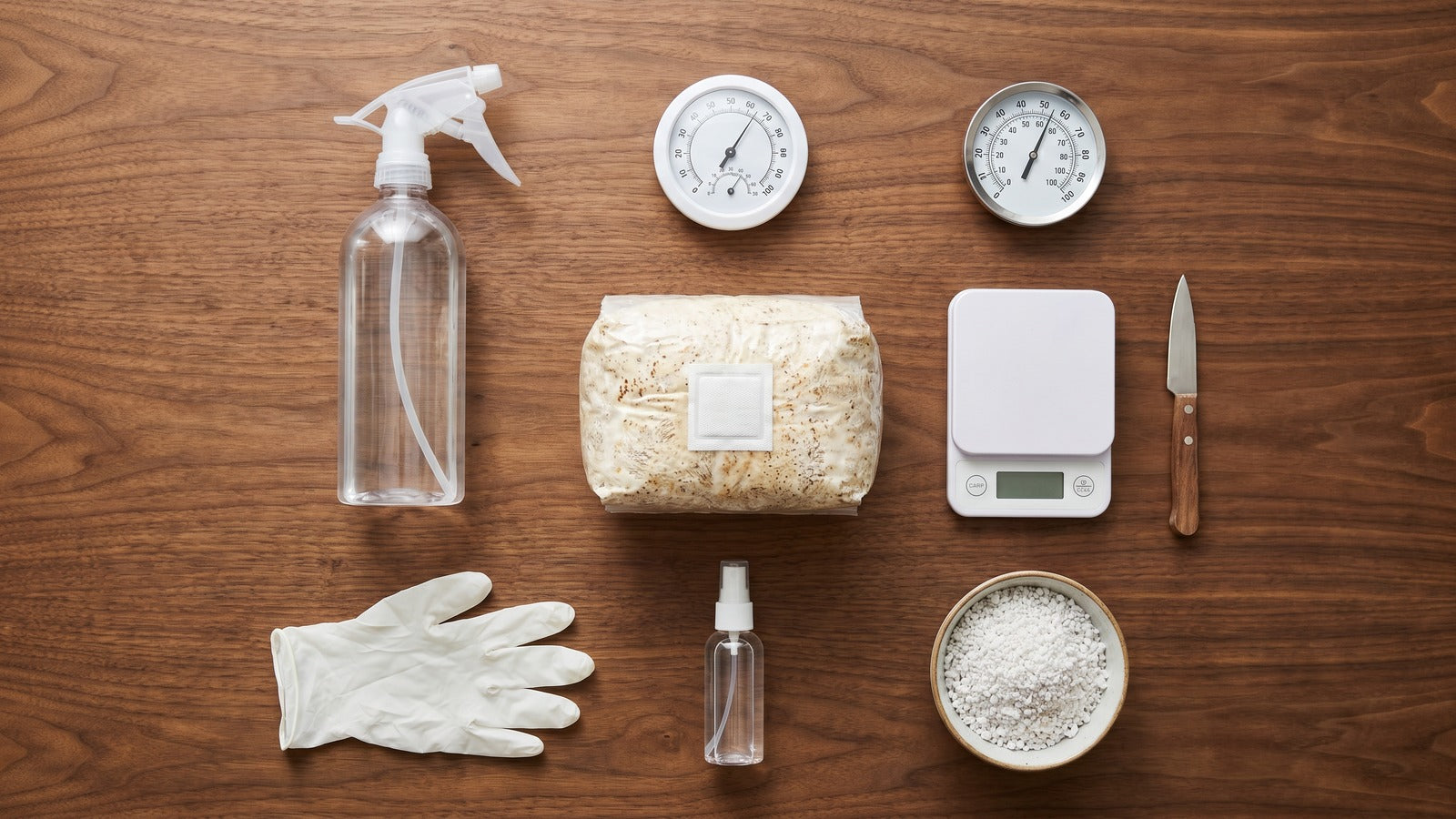
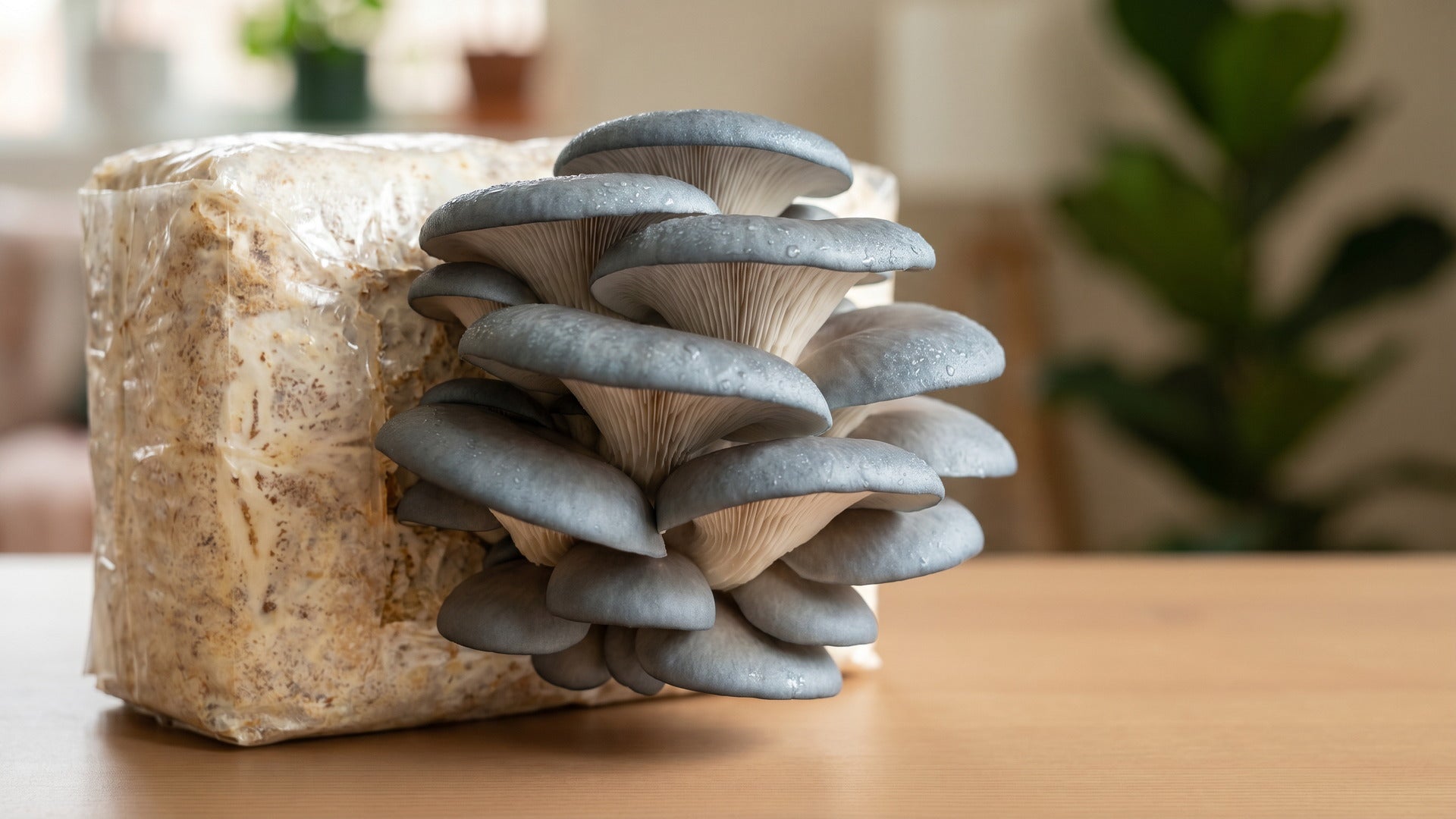
Black reishi mushrooms are relatively easy to grow at home, especially with a high-quality culture. Whether you're using hardwood sawdust, logs, or sterilized substrate, Ganoderma sinense can thrive in controlled conditions, yielding multiple harvests over time.
Growing Conditions:
-
Temperature: 75-85°F (24-29°C) for mycelium development
-
Humidity: 80-95% relative humidity
-
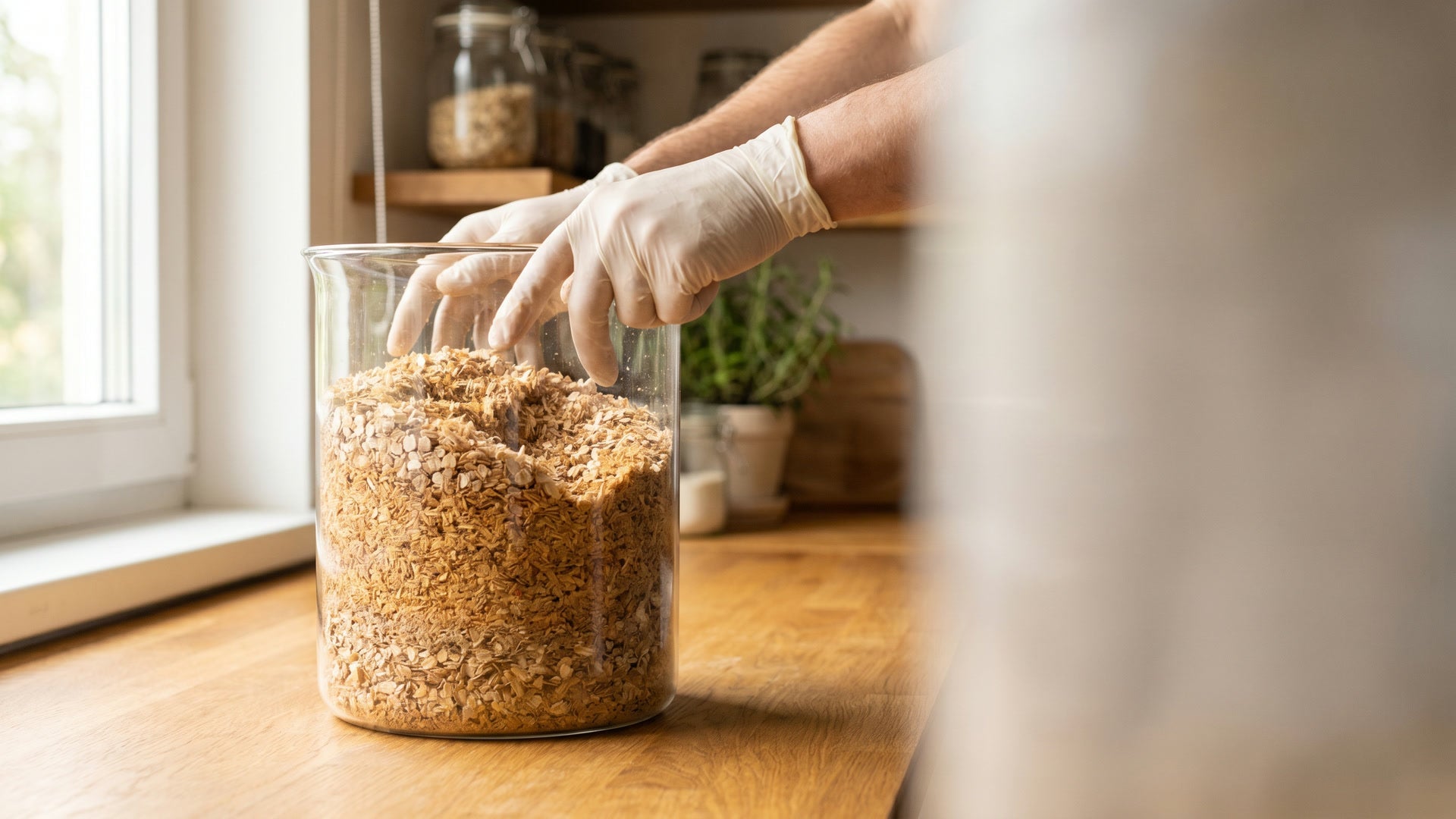
Substrate: Hardwood sawdust, logs, or enriched growing medium
-
pH: 5.0-6.5 optimal range
-
Air exchange: Moderate fresh air circulation
-
Lighting: Low light requirements
Substrate Preparation
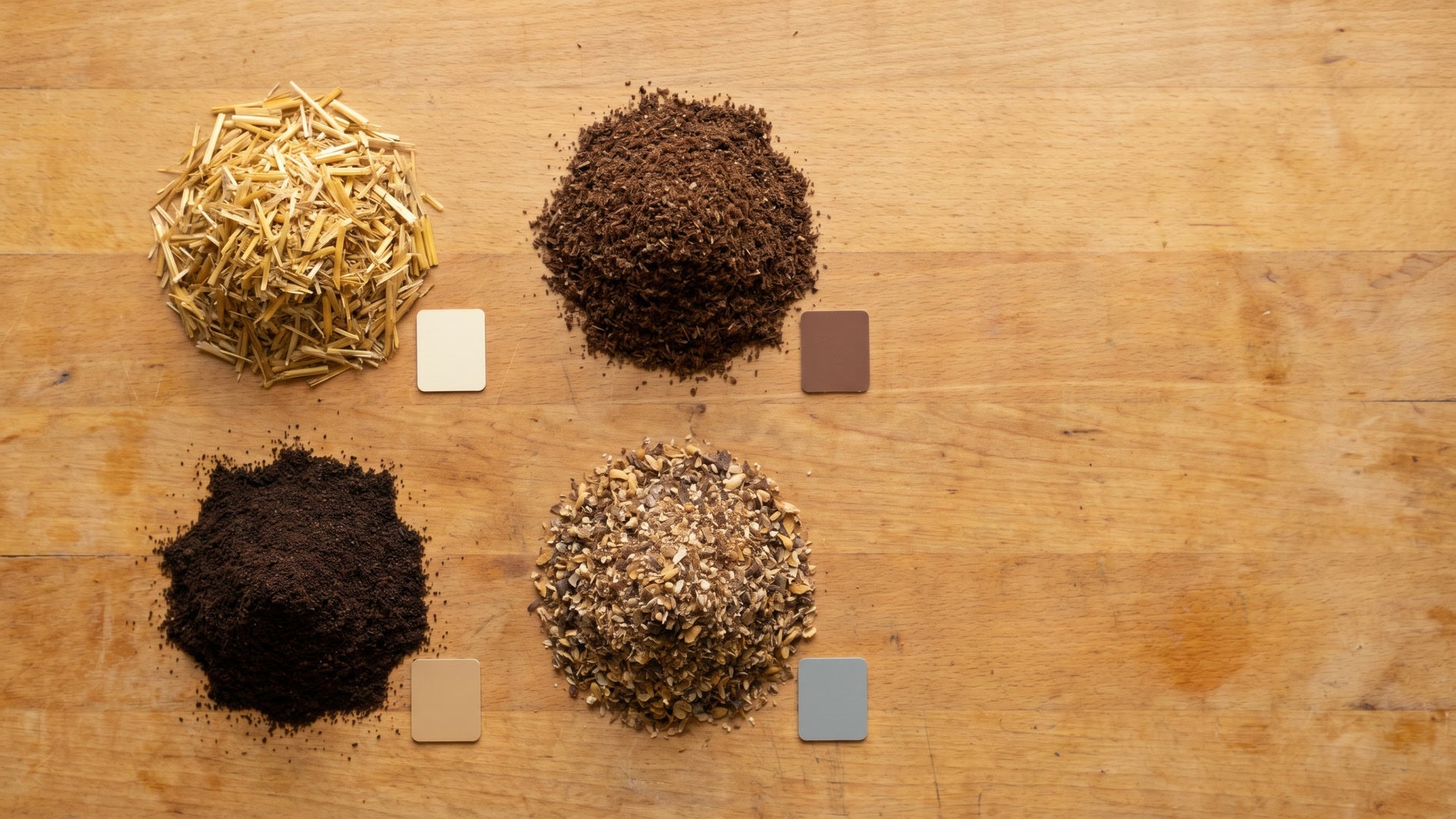
Recommended Growing Media:
-
Hardwood sawdust (oak, maple, beech)
-
Supplemented sawdust with wheat bran (10-20%)
-
Sterilized hardwood logs
-
Commercial mushroom growing blocks
-
Enriched substrate with soybean meal
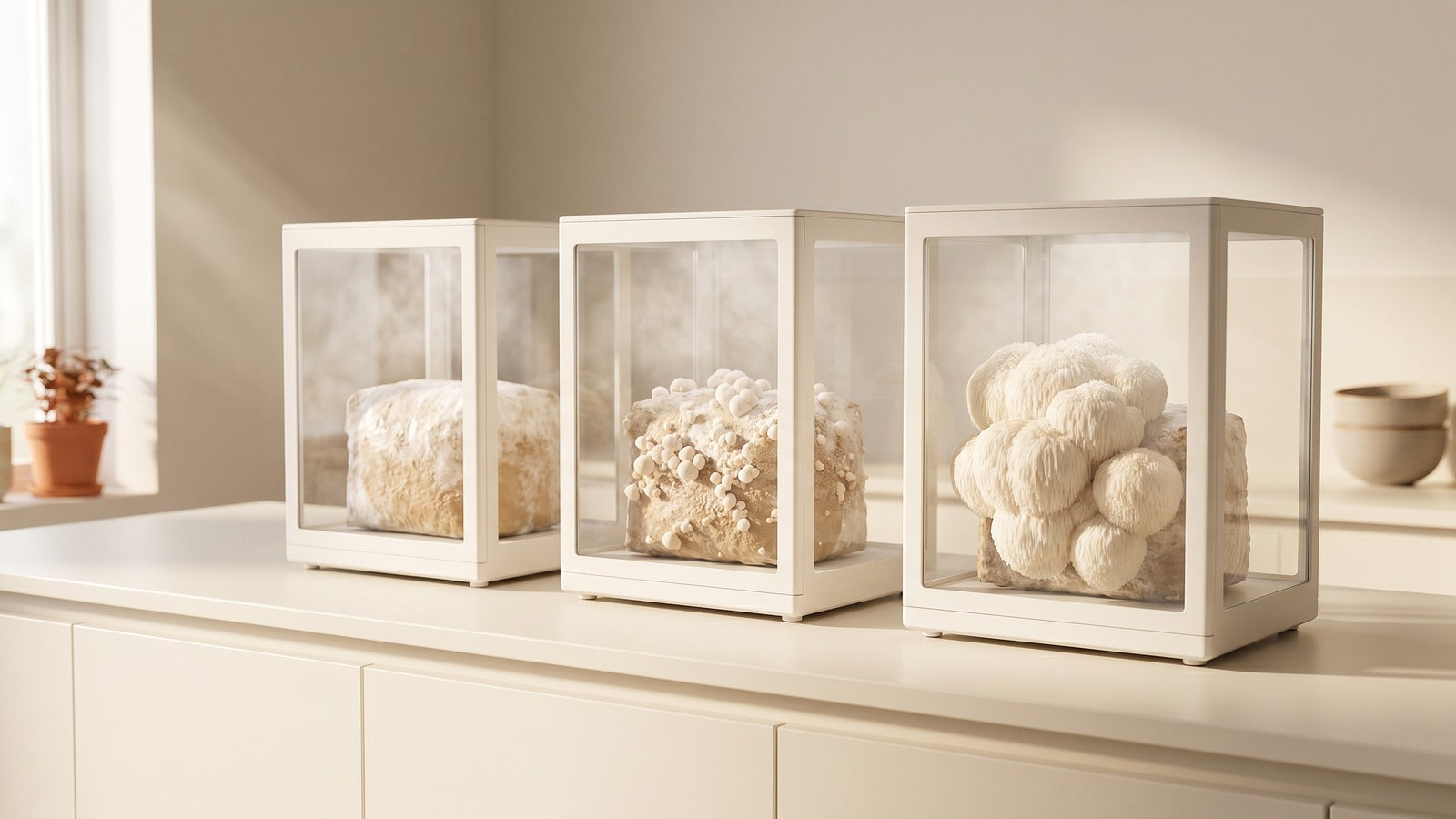
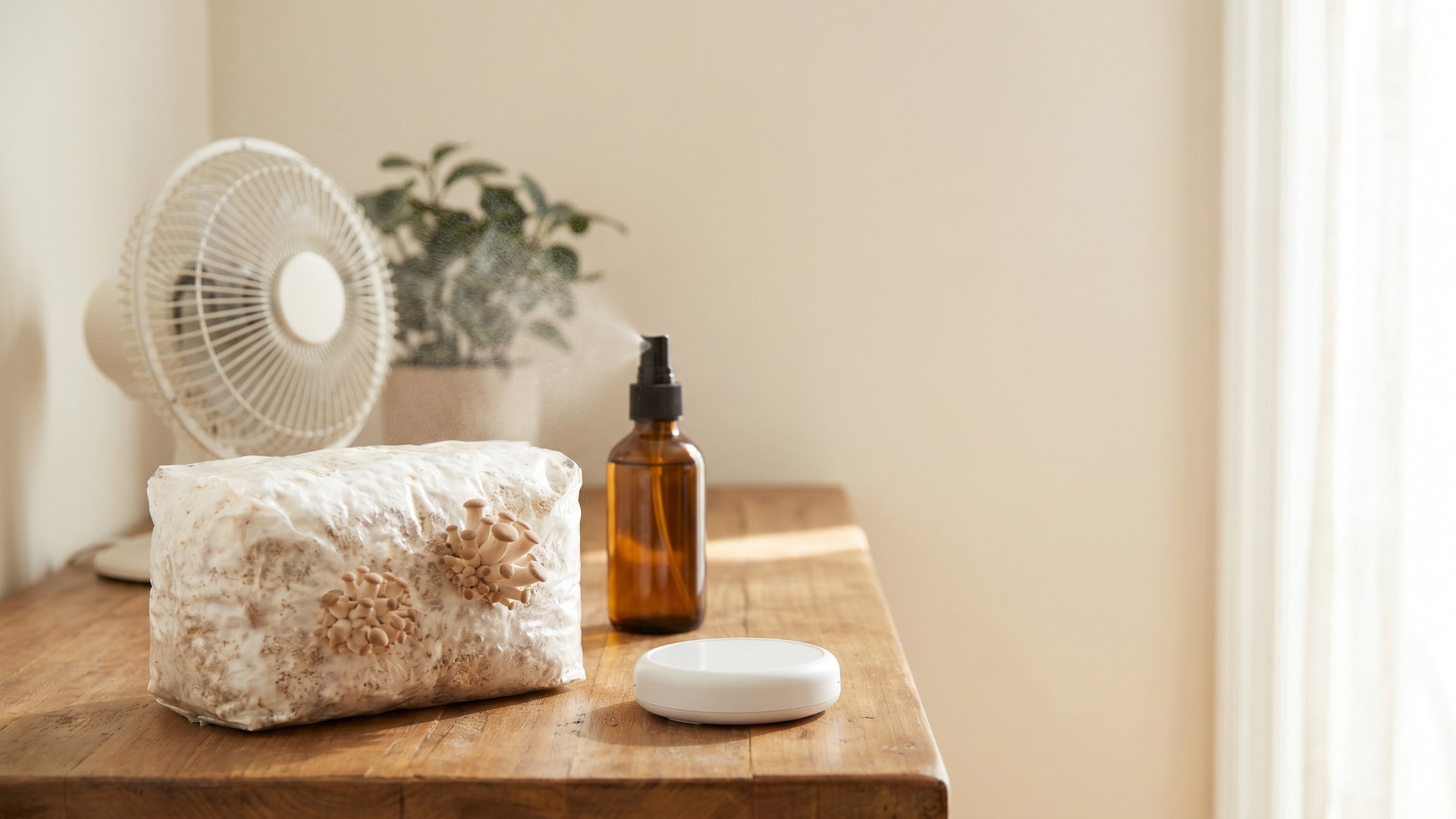
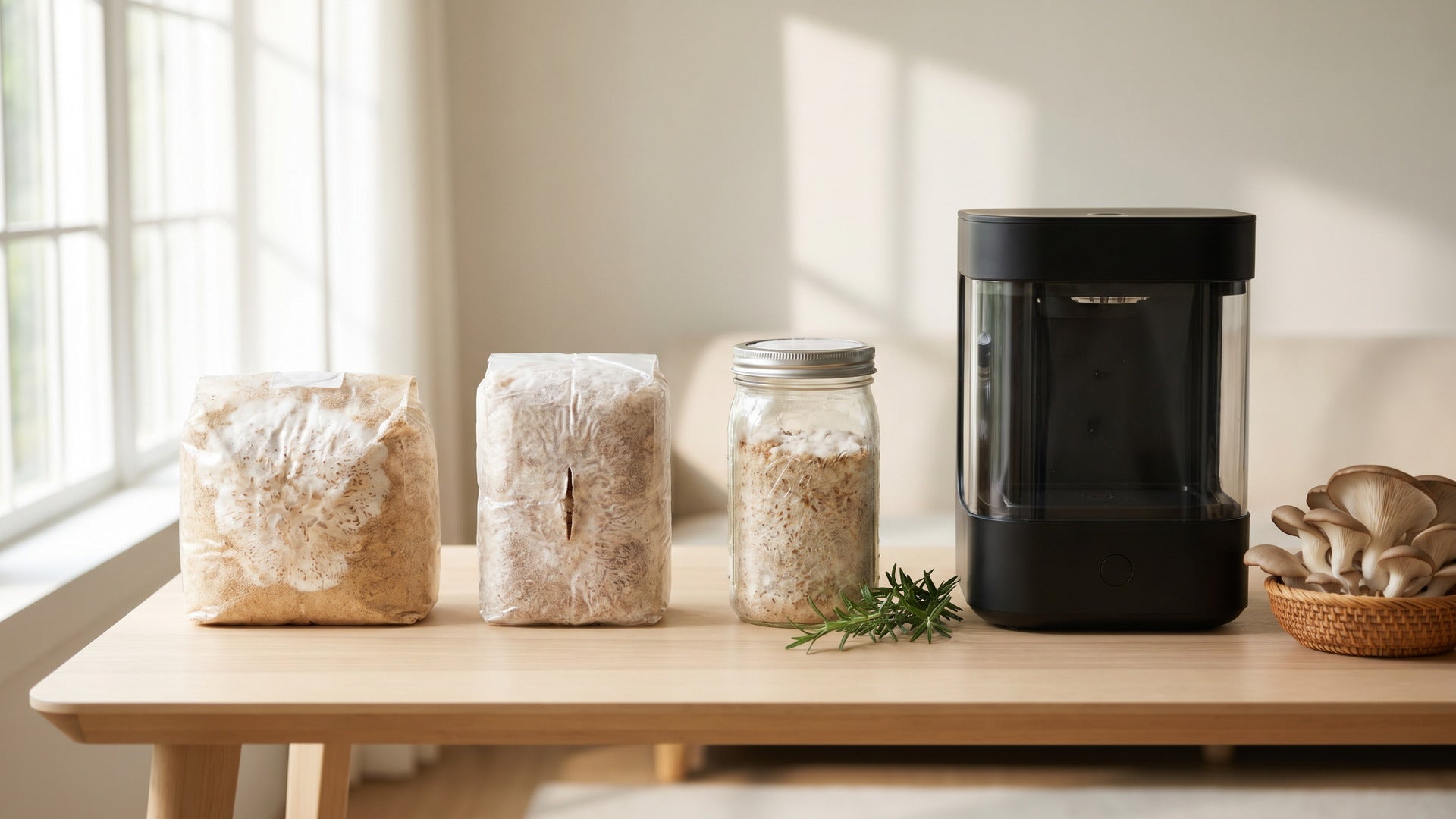
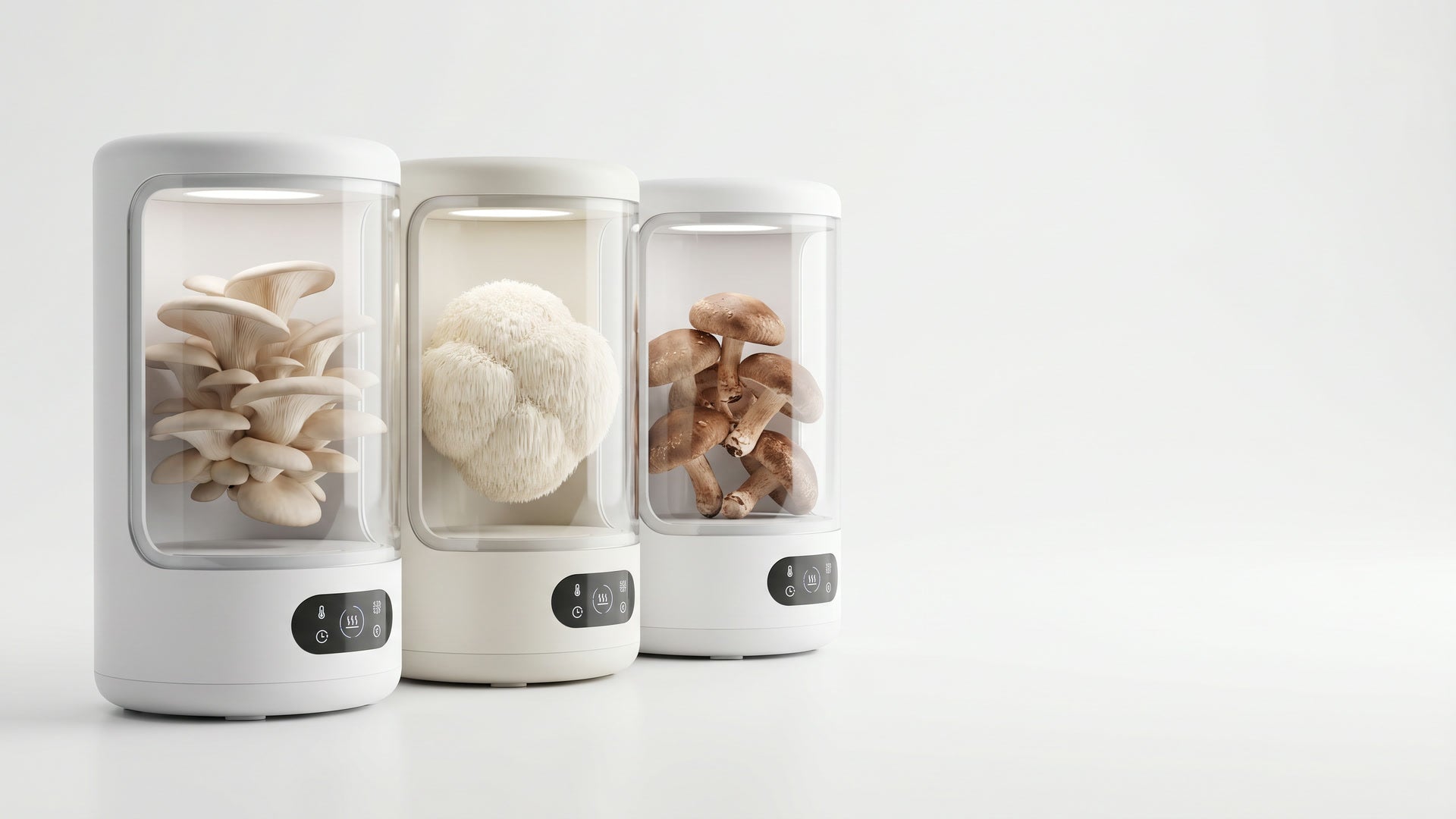
The Lykyn Smart Mushroom Grow Chamber provides optimal conditions for growing reishi varieties, maintaining perfect humidity and airflow automatically through smart sensors and app control.
Harvesting and Processing
Harvest Timeline:
-
Mycelium colonization: 4-8 weeks
-
Fruiting body development: 2-4 months
-
Maturity indicators: Hard, woody texture with developed spore surface
-
Multiple harvests: Possible over 6-12 months
Processing Methods:
-
Drying: Low temperature (95-115°F) for preservation
-
Slicing: For tea preparation and storage
-
Powder production: Grinding dried mushrooms
-
Extract preparation: Alcohol or water extraction methods
Black Reishi vs. Red Reishi: Key Differences
Appearance and Physical Characteristics
Black Reishi (Ganoderma sinense):
-
Dark brown to black glossy surface
-
More delicate flavor profile
-
Specialized lung health applications
-
Approved for chemotherapy support in China
Red Reishi (Ganoderma lucidum/lingzhi):
-
Reddish-brown glossy surface
-
More bitter taste
-
Broader range of studied applications
-
Most widely researched variety
Traditional Uses and Applications
Specialized Applications:
-
Black reishi: Lung health, respiratory support, chemotherapy side effects
-
Red reishi: General immune support, liver health, longevity
-
Both varieties: Stress adaptation, immune modulation, overall vitality
Market Availability
Most commercial reishi products contain Ganoderma lingzhi rather than true Ganoderma sinense. When seeking authentic black reishi, verify the species through reputable suppliers who provide proper botanical identification.
Traditional Preparation Methods
Tea Preparation
Black reishi makes an excellent medicinal tea that can be prepared using traditional methods to maximize therapeutic compounds. Learn detailed brewing techniques in our reishi tea preparation guide.
Basic Tea Method:
-
Slice preparation: Cut 1-2 ounces dried black reishi into thin slices
-
Simmering: Add to 4 cups water, simmer 30-60 minutes
-
Straining: Remove mushroom pieces, retain liquid
-
Serving: Drink warm, add honey if desired for taste
Powder and Extract Forms
Processing Options:
-
Whole dried mushrooms: Maximum compound retention
-
Powdered form: Easy incorporation into foods and beverages
-
Alcohol extracts: Concentrated triterpene content
-
Water extracts: High polysaccharide concentration
-
Dual extracts: Combined alcohol and water extraction
Explore high-quality processing methods in our dried reishi mushroom guide and reishi powder benefits.
Safety Considerations and Precautions
General Safety Profile
While Black Reishi is generally considered safe for consumption, some individuals may experience mild digestive discomfort or allergic reactions. It is crucial to exercise caution and start with small amounts to assess personal tolerance.
Potential Side Effects:
-
Mild digestive discomfort
-
Possible allergic reactions in sensitive individuals
-
Interaction potential with blood-thinning medications
-
Possible blood pressure effects
Special Populations
Consultation Recommended:
-
Pregnant or breastfeeding women (see our reishi and pregnancy guide)
-
Individuals taking medications
-
People with autoimmune conditions
-
Those with bleeding disorders
-
Children under 18 years
Quality and Authenticity
When purchasing black reishi products, verify authenticity through:
Quality Indicators:
-
Species verification: Confirmed Ganoderma sinense
-
Organic certification: Pesticide-free cultivation
-
Third-party testing: Contaminant and potency verification
-
Proper identification: Botanical authentication
-
Storage conditions: Proper drying and preservation
Frequently Asked Questions
Q: What is the difference between black reishi and regular reishi mushrooms? A: Black reishi (Ganoderma sinense) has a darker appearance and more delicate taste compared to red reishi (Ganoderma lucidum). It's specifically prized for lung health support and is approved in China for chemotherapy side effect relief, while red reishi has broader general health applications.
Q: Can I grow black reishi mushrooms at home? A: Yes, black reishi can be grown at home using hardwood sawdust substrate, proper humidity (80-95%), and controlled temperature (75-85°F). It requires patience as fruiting bodies take 2-4 months to develop, but yields can continue for 6-12 months.
Q: How do I identify authentic black reishi products? A: Look for products specifically labeled as Ganoderma sinense, verify through reputable suppliers with botanical authentication, check for organic certification, and ensure third-party testing for contaminants and potency.
Q: What are the traditional uses of black reishi mushroom? A: Black reishi has been traditionally used for lung health support, respiratory function, immune system modulation, and spiritual potency. In modern applications, it's approved in China for helping with chemotherapy side effects.
Q: Is black reishi safe for daily consumption? A: Black reishi is generally considered safe for most people when consumed in appropriate amounts. However, start with small doses to assess tolerance and consult healthcare providers, especially if taking medications or having underlying health conditions.
Q: How long does it take to experience black reishi benefits? A: Like other adaptogenic mushrooms, black reishi works gradually. Some people notice effects within days to weeks, while full benefits may take 2-3 months of consistent use. Effects vary based on individual health status and dosage.
Summary
Black reishi mushroom (Ganoderma sinense) represents a unique variety of medicinal mushroom with distinctive dark coloration and specialized health benefits. Prized for lung health support and immune system modulation, this traditional Chinese medicine has gained modern recognition including approval for chemotherapy side effect relief. While similar to red reishi in genetic composition, black reishi offers more delicate flavoring and specific respiratory health applications, making it valuable for both traditional and contemporary wellness approaches.
Begin Your Black Reishi Journey
Ready to explore the remarkable benefits of black reishi mushroom? Whether you're interested in traditional tea preparation or modern cultivation, proper equipment and knowledge ensure successful results. The Lykyn Smart Mushroom Grow Chamber provides optimal growing conditions for reishi varieties, automatically maintaining perfect humidity and airflow through intelligent sensors.
Start your medicinal mushroom cultivation journey with confidence using our beginner-friendly growing solutions and discover why black reishi has been treasured for millennia. Transform your wellness routine with this ancient "mushroom of immortality" while enjoying the satisfaction of home cultivation. Browse our complete selection of growing equipment and educational resources to unlock the full potential of black reishi mushroom in your daily health regimen.
Share:
White Fuzzy Mushroom: Your Complete Safety and Identification Guide
Lion's Mane Tincture Recipe: Master the Double Extraction Method for Maximum Potency