


Creating your own lion's mane tincture at home allows you to harness the full spectrum of this remarkable "smart mushroom's" cognitive-enhancing compounds. This comprehensive guide will walk you through professional-grade double extraction techniques, combining both alcohol and water extraction methods to capture lion's mane's complete range of beneficial compounds including hericenones, erinacines, and beta-glucans.
Quick Answer: Lion's mane tincture requires dual extraction using alcohol (4-8 weeks) followed by water extraction (4-5 hours simmering) to capture both alcohol-soluble compounds (hericenones, erinacines) and water-soluble polysaccharides (beta-glucans). Combine extracts in 1:1 ratio for optimal potency.

Why Make Lion's Mane Tincture at Home?
Understanding Lion's Mane Benefits
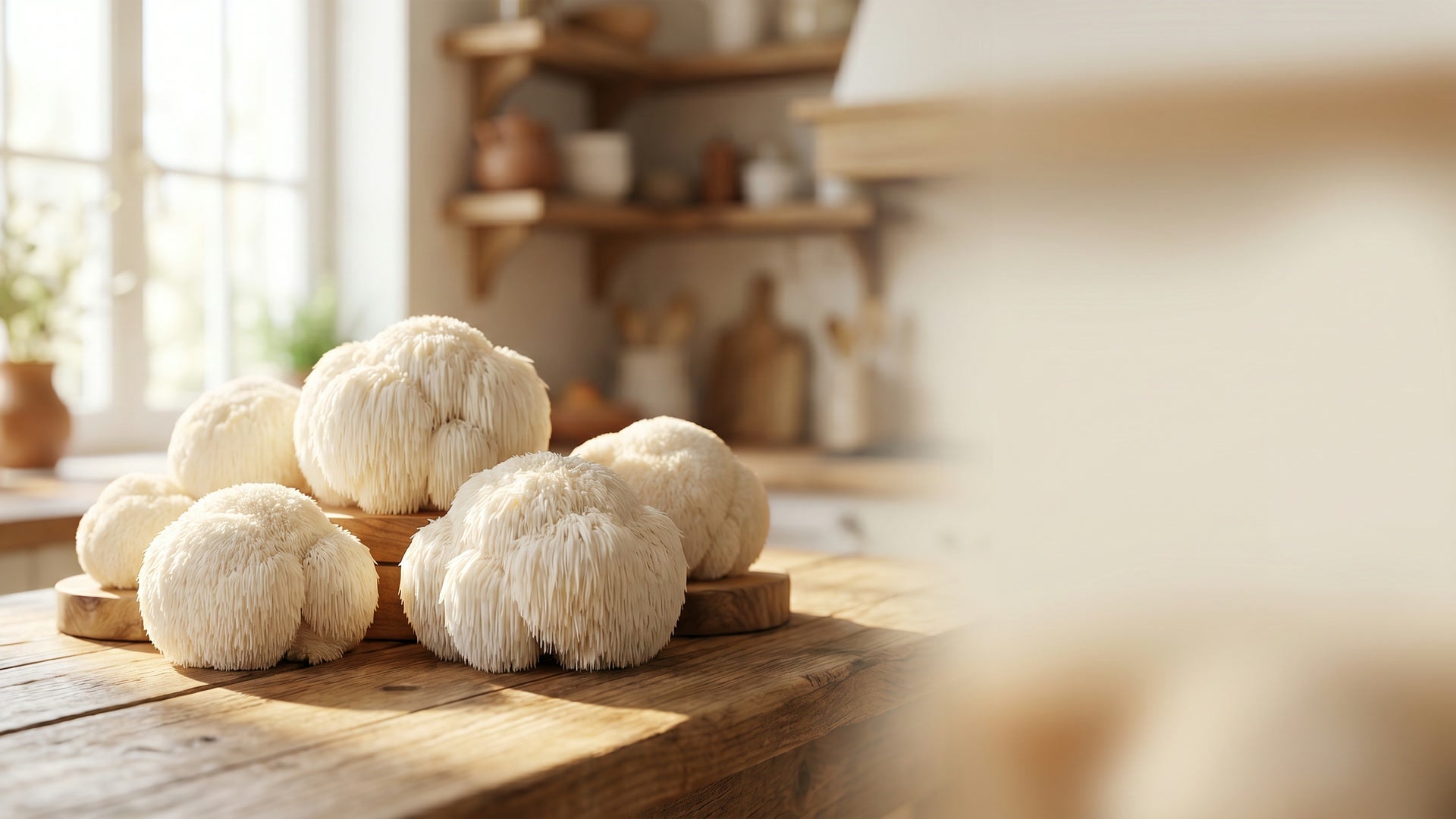
Lion's mane mushroom (Hericium erinaceus) contains unique neurotrophic and neuroprotective compounds that can cross the blood-brain barrier. These specialized compounds include:
Primary Active Compounds:
-
Hericenones: Alcohol-soluble compounds that stimulate nerve growth factor
-
Erinacines: Low molecular weight compounds promoting brain cell regeneration
-
Beta-glucans: Water-soluble polysaccharides supporting immune function
-
Polysaccharides: Complex sugars with antioxidant properties
Health Benefits:
-
Enhanced memory and cognitive function
-
Nerve regeneration and neuroprotection
-
Improved focus and mental clarity
-
Immune system support
-
Potential mood regulation benefits
Learn more about cultivation techniques in our comprehensive Lion's Mane growing guide.
Advantages of Homemade Tinctures
Quality Control Benefits:
-
Use organic, high-quality mushrooms
-
Control alcohol concentration and extraction time
-
Ensure proper dual extraction for maximum potency
-
Cost-effective compared to commercial products
-
Fresh, potent tinctures with known sourcing
Tincture vs. Other Forms:
-
Higher bioavailability than capsules or powders
-
Faster absorption (minutes vs. hours)
-
Longer shelf life than fresh mushrooms
-
Concentrated potency in small doses
-
Versatile usage in drinks or directly under tongue
Complete Lion's Mane Tincture Recipe
Essential Ingredients and Equipment
Required Ingredients:
-
1 cup dried lion's mane mushrooms (or 2 cups fresh, chopped)
-
High-proof alcohol (80-100 proof vodka or grain alcohol)
-
Filtered water (for water extraction phase)
Equipment Needed:
-
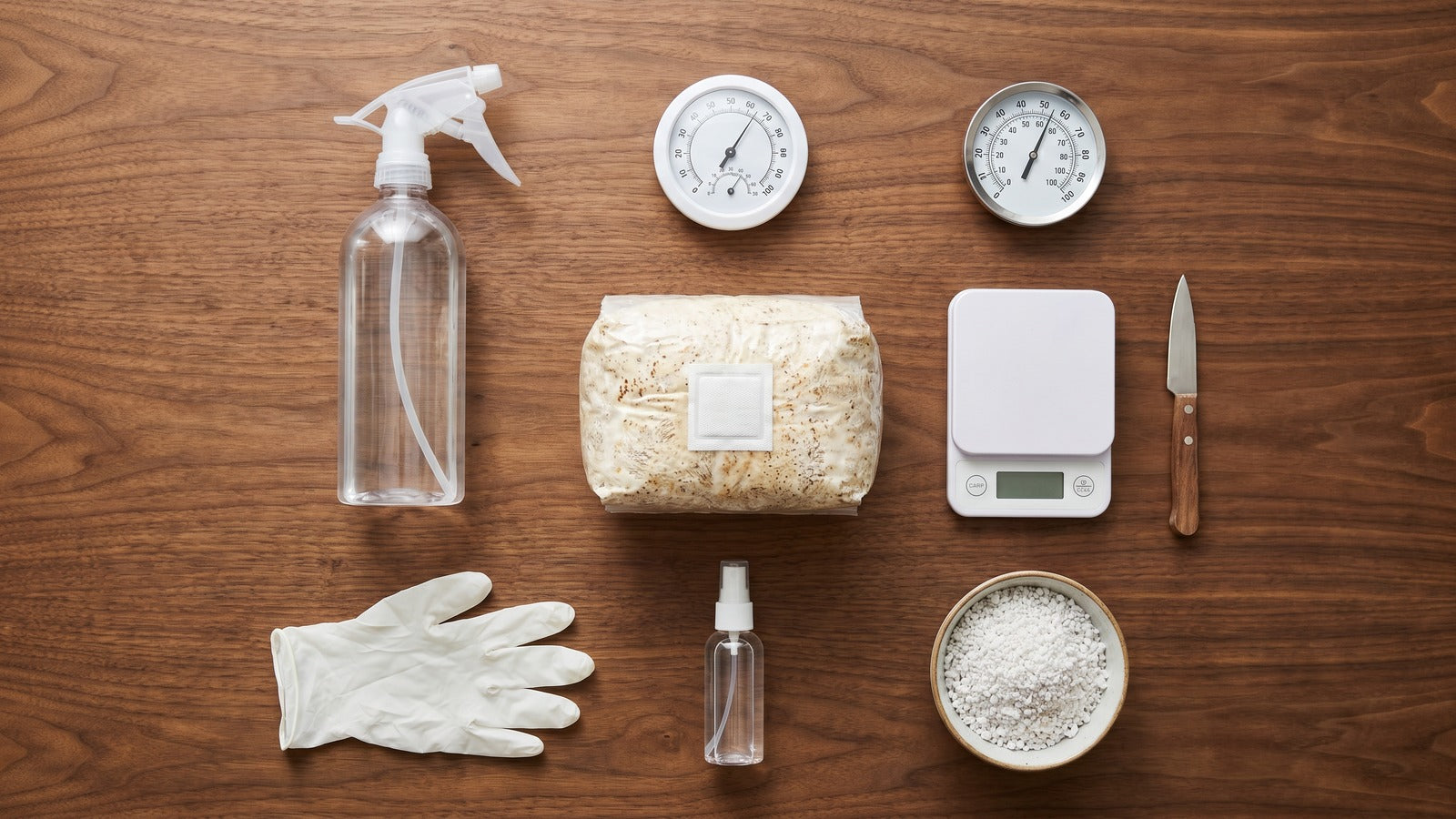
2 large glass jars with tight-fitting lids
-
Fine mesh strainer or cheesecloth
-
Coffee grinder (for powdering dried mushrooms)
-
Measuring cups and spoons
-
Amber glass dropper bottles for storage
-
Labels for dating and identification
Optional Professional Equipment:
-
Hydraulic tincture press for maximum extraction
-
Digital scale for precise measurements
-
Hydrometer for alcohol content testing
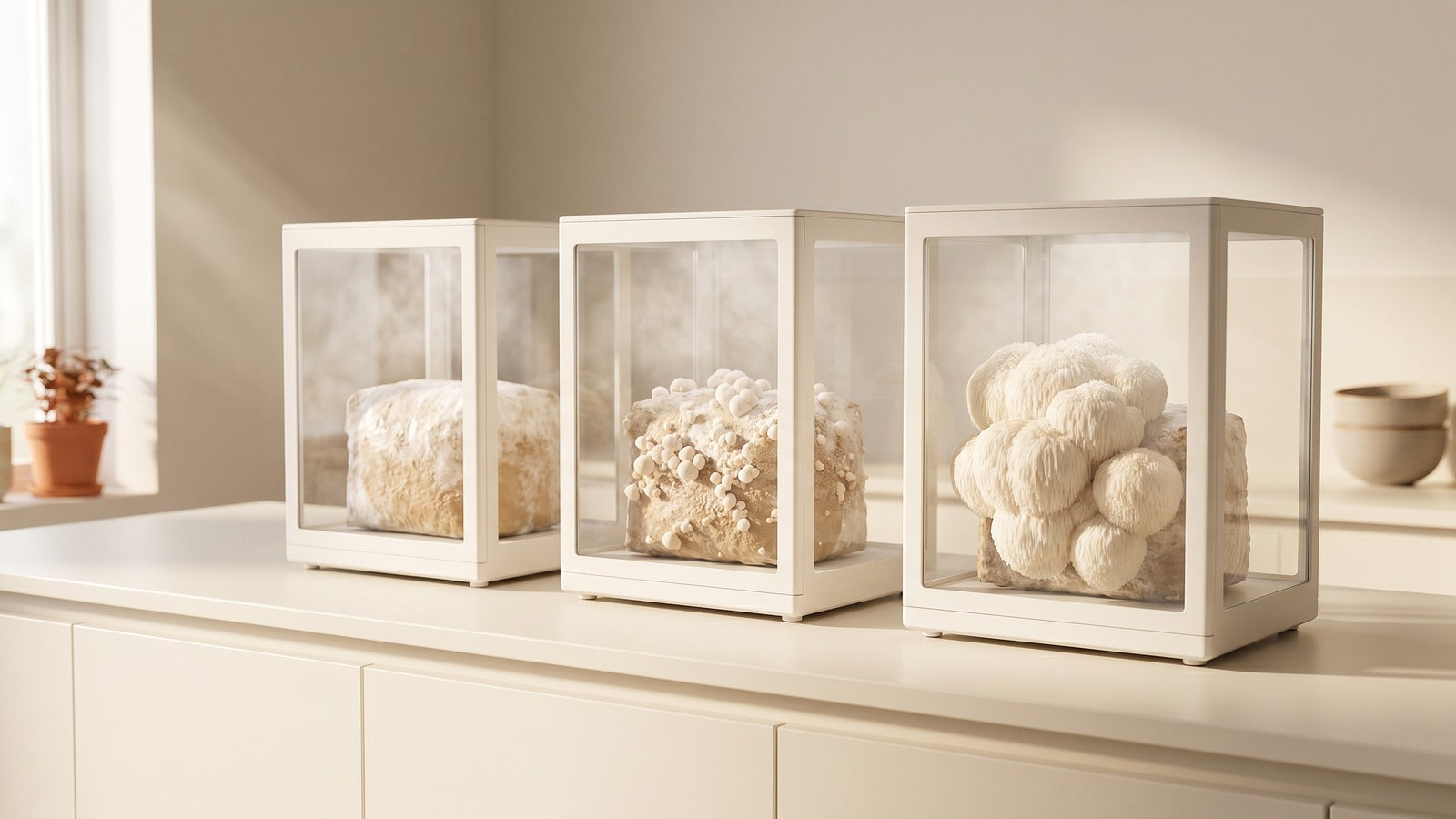
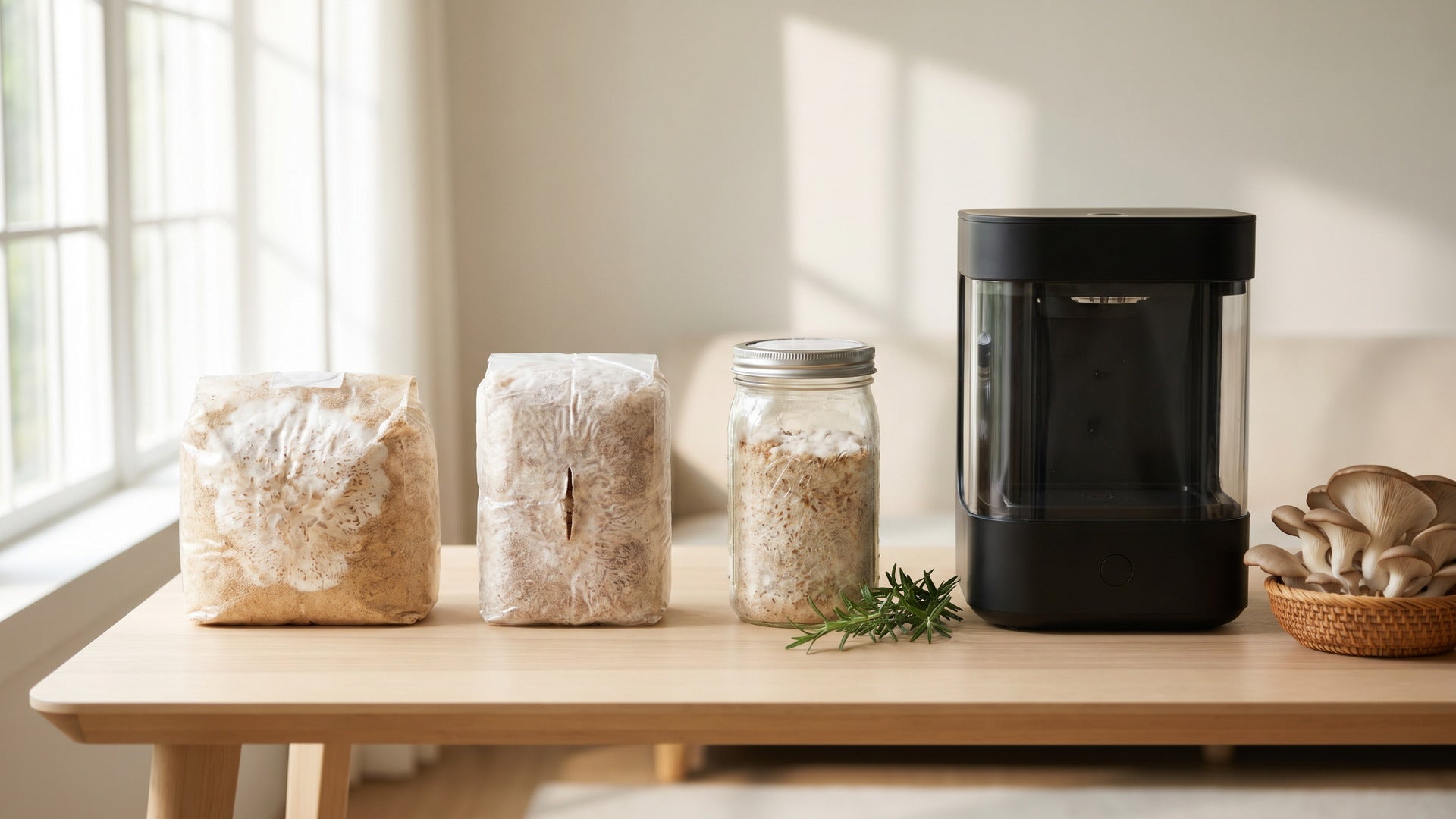
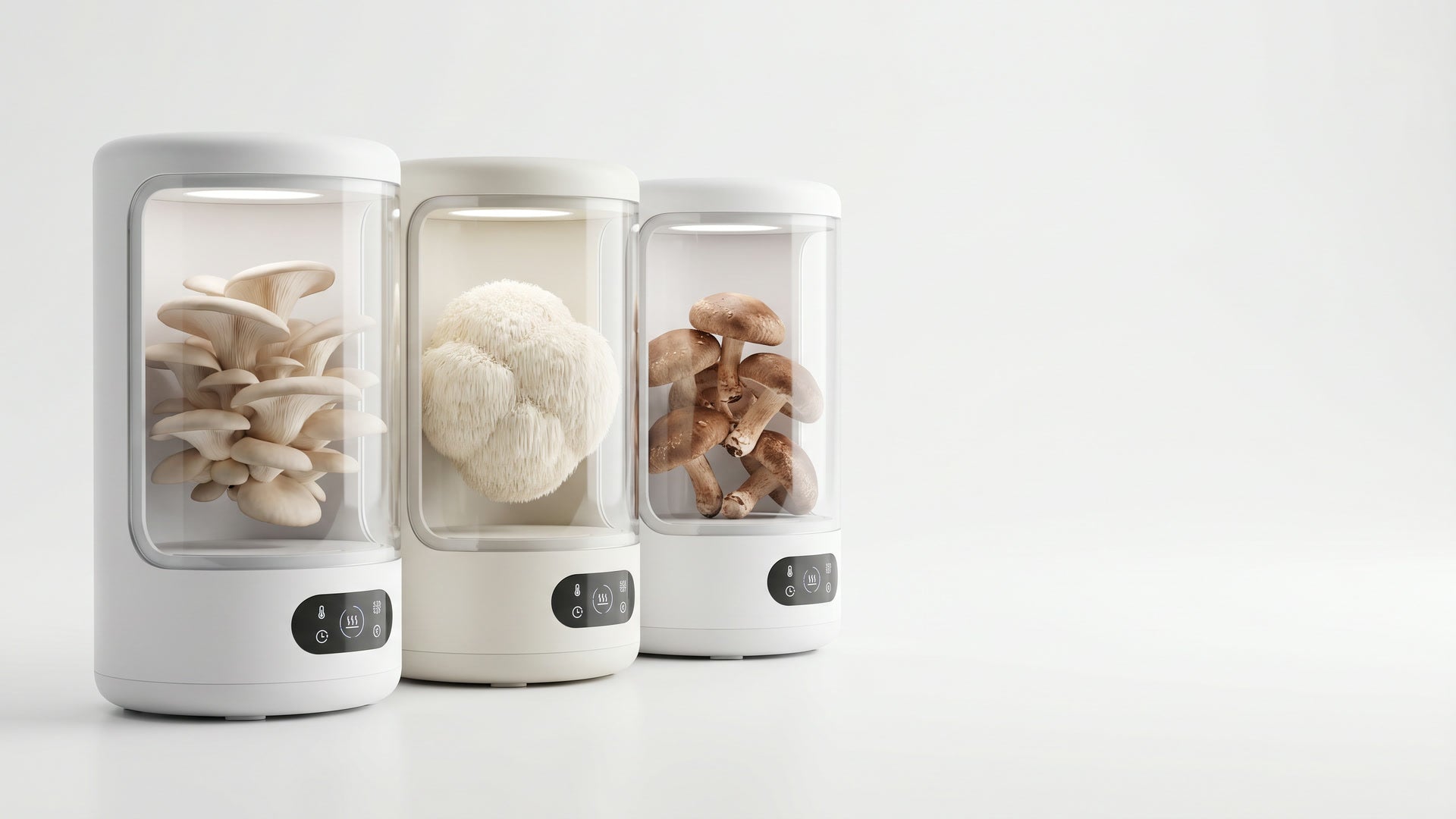
The Lykyn Smart Mushroom Grow Chamber can help you grow your own lion's mane mushrooms for fresh, high-quality tincture making.
Step-by-Step Double Extraction Process
Phase 1: Alcohol Extraction (4-8 weeks)
Mushroom Preparation:
-
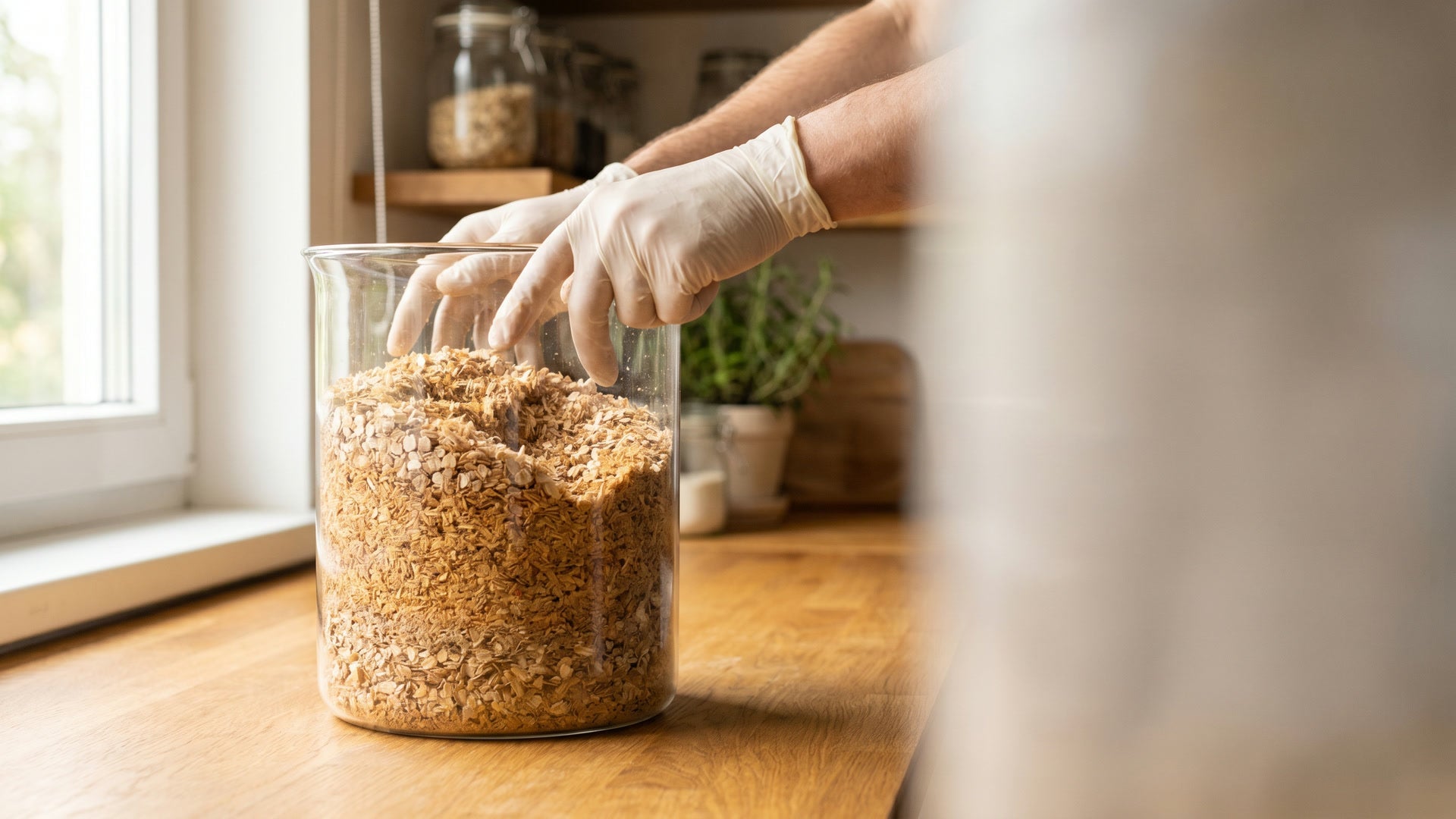
Clean and prepare: If using fresh lion's mane, clean thoroughly and chop into small pieces
-
Drying (if needed): Dehydrate fresh mushrooms at 115-125°F until completely dry
-
Grinding: Use coffee grinder to powder dried mushrooms for maximum surface area
-
Jar preparation: Sterilize glass jars with boiling water
Alcohol Extraction Method:
-
Fill jar: Place prepared lion's mane in jar, filling about 3/4 full
-
Add alcohol: Pour high-proof alcohol over mushrooms until completely submerged
-
Seal and label: Close tightly, label with date and contents
-
Storage: Keep in cool, dark place for 4-8 weeks
-
Agitation: Shake jar daily for first week, then every few days
Extraction Timeline:
-
Minimum: 4 weeks for basic extraction
-
Optimal: 6-8 weeks for maximum potency
-
Professional grade: Some producers use 60+ day extractions
Phase 2: Water Extraction (4-5 hours)
Water Extraction Process:
-
Strain alcohol: Use fine mesh strainer to separate liquid from mushroom solids
-
Press mushrooms: Squeeze mushroom material to extract maximum liquid
-
Save alcohol extract: Set aside strained alcohol tincture
-
Prepare water extraction: Place used mushroom solids in cooking pot
-
Add water: Add 5 times the volume of water as alcohol extract obtained
-
Simmer: Bring to boil, then simmer on low heat for 4-5 hours
-
Reduce volume: Continue until water reduces to equal the alcohol extract volume
-
Strain: Remove all mushroom solids from water extract

Phase 3: Combining Extracts
Final Blending Process:
-
Cool water extract: Allow water extraction to reach room temperature
-
Combine extracts: Mix alcohol and water extracts in 1:1 ratio
-
Final alcohol content: Results in approximately 20-25% alcohol tincture
-
Strain final product: Filter through fine mesh if needed
-
Transfer to bottles: Use amber glass dropper bottles for storage
-
Label clearly: Include date, ingredients, and extraction ratio
Advanced Techniques and Tips
Professional Enhancement Methods:
-
Extended maceration: Some herbalists use 10+ week alcohol extractions
-
Temperature control: Maintain consistent 65-70°F during alcohol extraction
-
Mushroom quality: Use fruiting bodies rather than mycelium for higher potency
-
Alcohol percentage: 95% grain alcohol provides strongest extraction
-
Pressing method: Hydraulic press extracts 15-20% more compounds than manual pressing
Quality Indicators:
-
Color: Rich amber to dark brown coloration
-
Clarity: Should be relatively clear after settling
-
Aroma: Pleasant, earthy mushroom scent
-
Taste: Slightly bitter with mushroom notes
Proper Dosage and Usage Guidelines
Standard Dosing Recommendations
General Dosage Guidelines:
-
Beginners: 1 dropper (approximately 30 drops) once daily
-
Standard dose: 1-2 droppers (30-60 drops) 1-3 times daily
-
Therapeutic dose: Up to 4ml (approximately 4 droppers) daily
-
Timing: Best taken on empty stomach for maximum absorption
Administration Methods:
-
Sublingual: Hold under tongue for 30-60 seconds before swallowing
-
In beverages: Add to coffee, tea, smoothies, or water
-
Direct consumption: Take straight for fastest absorption
Explore creative applications in our Lion's Mane cocktail guide for functional beverage recipes.
Factors Affecting Dosage
Individual Considerations:
-
Body weight: Larger individuals may require higher doses
-
Health goals: Cognitive enhancement vs. general wellness
-
Tolerance: Start low and gradually increase
-
Other medications: Consult healthcare providers for interactions
Dosage Conversion:
-
Capsule equivalent: 1-2 droppers ≈ approximately 500-1000mg dried mushroom
-
Fresh mushroom equivalent: 1 dropper ≈ approximately 3-5g fresh lion's mane
-
Commercial tincture comparison: Homemade typically 2-3x more potent
Storage and Shelf Life
Proper Storage Methods
Storage Requirements:
-
Container: Amber glass bottles protect from light degradation
-
Temperature: Store in cool, dark place (60-70°F optimal)
-
Humidity: Keep away from moisture and humidity
-
Light protection: Avoid direct sunlight exposure
Shelf Life Expectations:
-
Properly stored tinctures: 2-3 years maximum potency
-
Quality indicators: Color, clarity, and aroma remain stable
-
Signs of degradation: Cloudiness, off odors, or separation
-
Best practice: Use within 1-2 years for optimal benefits
Quality Assessment
Testing Your Tincture:
-
Visual inspection: Clear to slightly cloudy appearance
-
Aroma test: Pleasant, earthy mushroom scent
-
Taste evaluation: Slightly bitter with no off-flavors
-
Alcohol content: Should measure 20-25% if properly prepared
Troubleshooting Common Issues
Alcohol Extraction Problems
Low Potency Issues:
-
Insufficient alcohol proof: Use minimum 80 proof alcohol
-
Short extraction time: Extend to 6-8 weeks minimum
-
Poor mushroom quality: Ensure properly dried, high-grade mushrooms
-
Inadequate grinding: Fine powder extracts better than large pieces
Contamination Prevention:
-
Sterilize equipment: Use boiling water for all glassware
-
Quality alcohol: Use food-grade alcohol only
-
Proper sealing: Ensure airtight containers
-
Clean workspace: Maintain sanitary preparation environment
Water Extraction Challenges
Common Water Extraction Issues:
-
Over-reduction: Don't reduce below alcohol extract volume
-
Under-extraction: Simmer full 4-5 hours for complete extraction
-
Temperature control: Maintain gentle simmer, avoid hard boiling
-
Straining difficulties: Use multiple filtration stages if needed
Safety Considerations and Contraindications
General Safety Guidelines
Safety Precautions:
-
Start with low doses: Begin with 1/2 dropper to assess tolerance
-
Quality sourcing: Use organic, properly identified lion's mane only
-
Alcohol content: Consider alcohol sensitivity (final product ~25% alcohol)
-
Medical consultation: Discuss with healthcare providers before starting
Potential Interactions:
-
Blood thinning medications: Lion's mane may enhance anticoagulant effects
-
Diabetes medications: May affect blood sugar levels
-
Immune suppressants: Could interact with immunosuppressive therapies
Special Populations
Contraindications:
-
Pregnancy and breastfeeding: Insufficient safety data available
-
Children: Not recommended for pediatric use
-
Mushroom allergies: Avoid if allergic to fungi
-
Alcohol sensitivity: Consider glycerin-based extractions instead
Learn about safety considerations in our Lion's Mane cultivation safety guide.
Advanced Variations and Modifications
Alternative Extraction Methods
Glycerin-Based Tinctures:
-
Alcohol-free option: Use vegetable glycerin instead of alcohol
-
Extraction time: Requires 6-8 weeks minimum
-
Heat enhancement: Gentle warming accelerates glycerin extraction
-
Shelf life: Shorter than alcohol tinctures (6-12 months)
Vinegar Extractions:
-
Apple cider vinegar method: Good for mineral extraction
-
Combined approach: Vinegar first, then alcohol extraction
-
Benefits: Extracts different compound profiles
-
Limitations: Lower concentration than alcohol methods
Professional Enhancement Techniques
Concentration Methods:
-
Evaporation concentration: Reduce volume to increase potency
-
Multiple extraction rounds: Re-extract mushroom material multiple times
-
Fresh mushroom boosting: Add fresh mushrooms to finished tincture
-
Standardization: Test and adjust for consistent potency
Frequently Asked Questions
Q: How long does it take to make lion's mane tincture? A: Complete double extraction takes 4-8 weeks for alcohol extraction plus 4-5 hours for water extraction. Total active time is about 6-8 hours spread over 1-2 months, with most time being passive extraction.
Q: Can I use fresh lion's mane mushrooms instead of dried? A: Yes, but use twice the amount (2 cups fresh vs. 1 cup dried) and expect slightly different extraction characteristics. Fresh mushrooms contain more water, which can dilute the alcohol concentration during extraction.
Q: What's the difference between single and double extraction? A: Single extraction uses only alcohol OR water, missing either alcohol-soluble compounds (hericenones, erinacines) or water-soluble compounds (beta-glucans). Double extraction captures the full spectrum of beneficial compounds for maximum potency.
Q: How do I know if my tincture is potent enough? A: Quality indicators include rich amber color, pleasant earthy aroma, and slightly bitter taste. Start with standard dosing and adjust based on personal response. Commercial lab testing is available for precise potency measurement.
Q: Can I make tincture without alcohol? A: Glycerin-based extractions are possible but won't extract the important alcohol-soluble compounds like hericenones and erinacines that are crucial for cognitive benefits. Alcohol is essential for complete lion's mane extraction.
Q: How does homemade tincture compare to commercial products? A: Homemade tinctures often have higher potency and freshness compared to commercial products. You control quality, extraction time, and mushroom source, typically resulting in 2-3x more potent tinctures than mass-produced versions.
Summary
Creating lion's mane tincture using double extraction methods captures the complete spectrum of beneficial compounds for maximum cognitive and health benefits. The process requires 4-8 weeks of alcohol extraction followed by 4-5 hours of water extraction, combining both extracts in a 1:1 ratio. Proper preparation, quality ingredients, and patient extraction time result in potent tinctures that support brain health, memory, and overall wellness more effectively than single extraction methods.
Start Your Lion's Mane Journey Today
Ready to create your own powerful lion's mane tincture? Begin with high-quality mushrooms grown using professional techniques. The Lykyn Smart Mushroom Grow Chamber provides optimal conditions for cultivating premium lion's mane mushrooms at home, ensuring fresh, potent material for your tincture making.
Explore our comprehensive Lion's Mane growing resources to master cultivation techniques and discover why homegrown mushrooms produce superior tinctures. Transform your cognitive wellness routine with fresh, homemade lion's mane tincture that delivers the full spectrum of this remarkable mushroom's brain-boosting compounds. Your journey to enhanced mental clarity and focus starts with the first drop.
Share:
Black Reishi Mushroom: The Complete Guide to Purple Reishi (Ganoderma sinense)
Lion's Mane Mushroom Growth Stages: From Spore to Spectacular Harvest