


Finding white fuzzy growth on mushrooms can be alarming for both home growers and foragers. Is it safe to eat? Is it dangerous mold? Or just natural mycelium? This comprehensive guide will help you distinguish between harmless white fuzz and potentially dangerous contamination, identify common white fuzzy mushroom species, and understand when mushrooms are safe to consume.
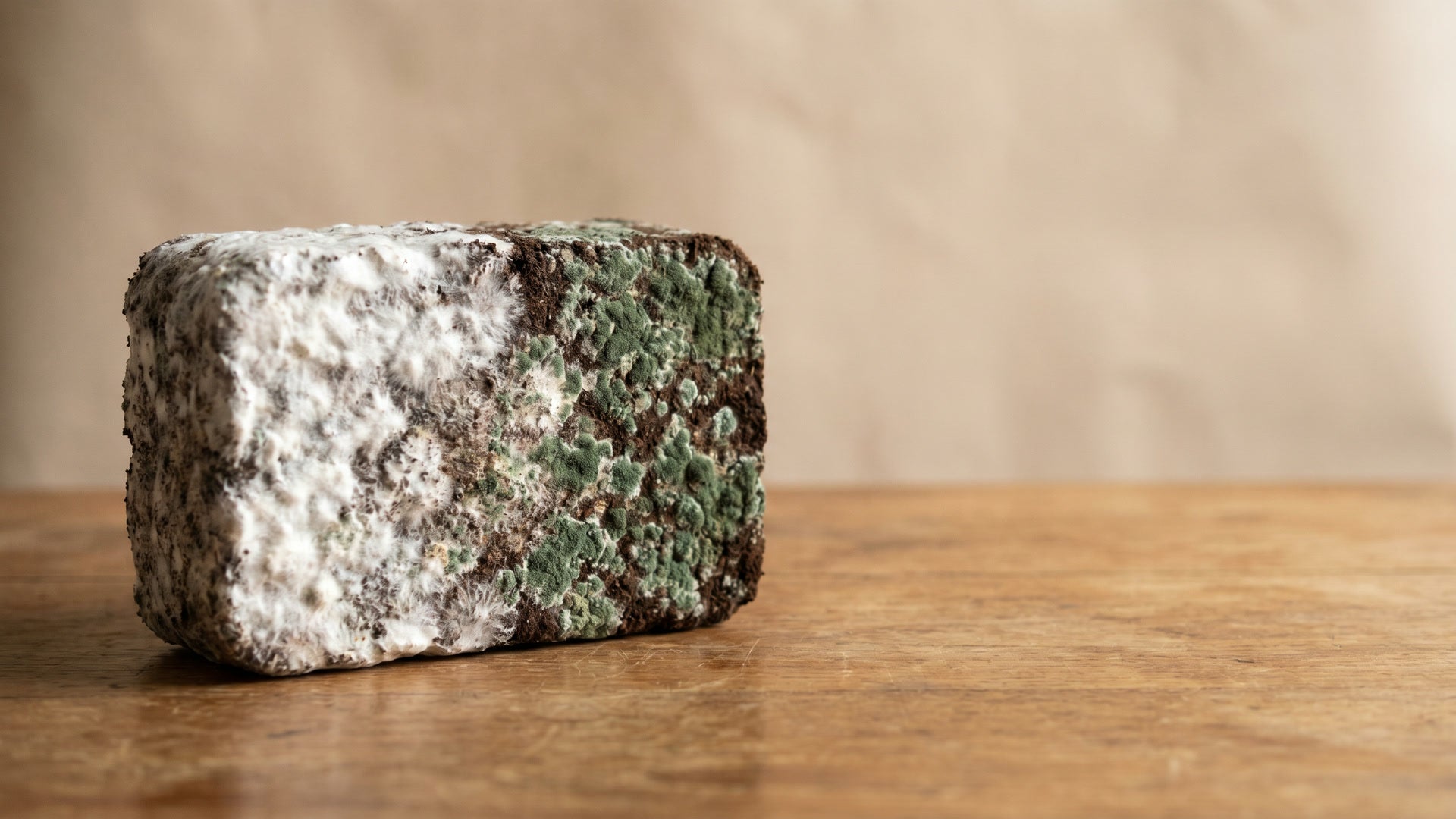
Quick Answer: White fuzz on mushrooms is usually harmless mycelium (the mushroom's root system) but can indicate mold contamination. Safe mycelium appears as bright white, hair-like filaments growing outward from the mushroom. Dangerous mold sits on top, appears slimy, and often has a blue-green tint with foul odors.

Understanding White Fuzz: Mycelium vs. Mold
What is Mycelium?
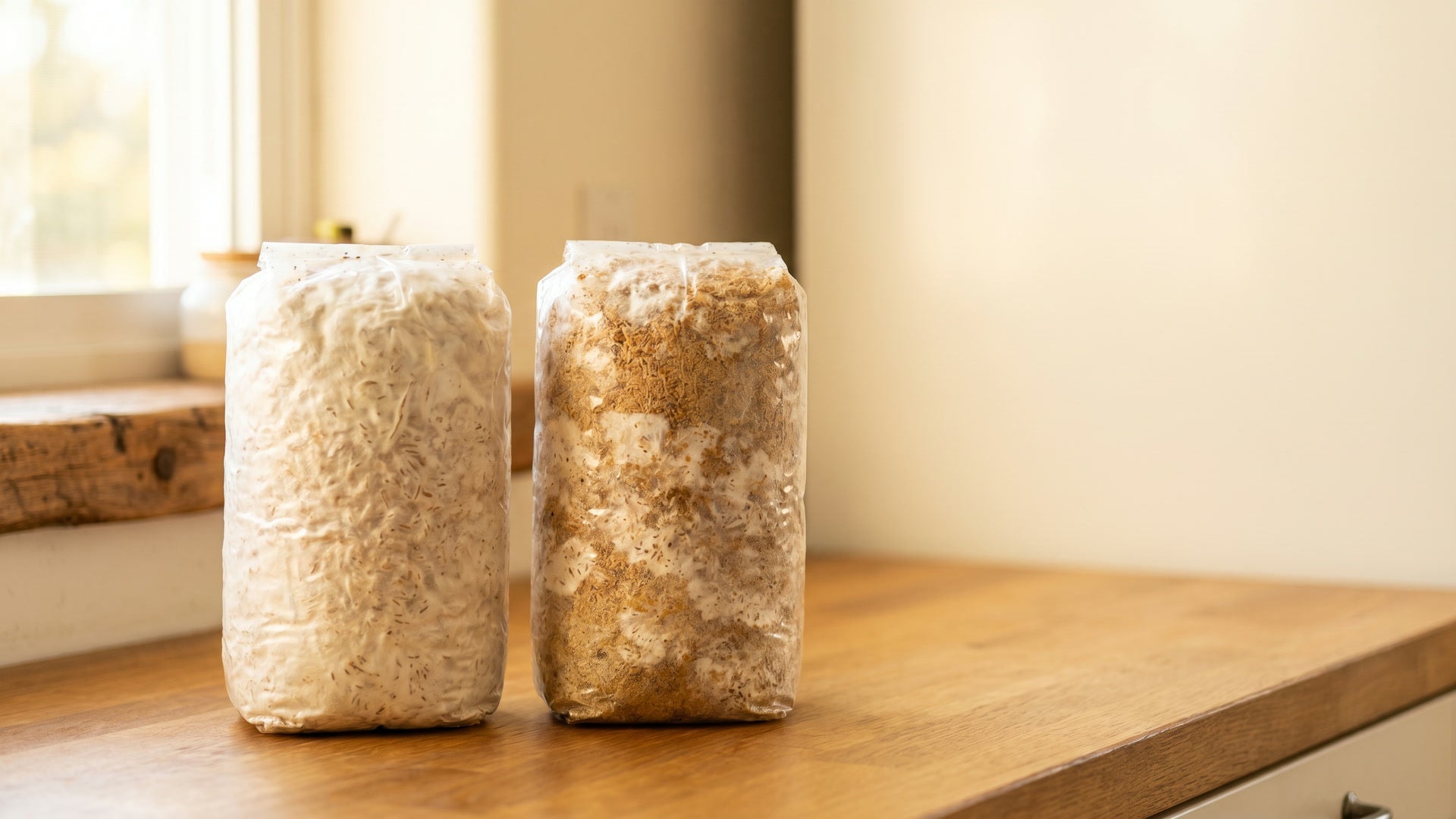
White fuzz in mushroom cultivation is usually mycelium, the vegetative part of a fungus. Mycelium consists of a network of fine, thread-like structures called hyphae, which spread through the substrate to absorb nutrients. This white fuzzy growth is actually the mushroom's "root system" and indicates healthy development.
Healthy Mycelium Characteristics:
-
Bright white, fluffy appearance
-
Hair-like filaments growing outward
-
Soft, slightly moist texture
-
Mild, pleasant mushroom scent
-
Linear growth pattern from the mushroom
Identifying Dangerous Mold (White Mold on Mushrooms)
Mold contamination presents serious health risks and should never be consumed. According to the USDA, some molds cause allergic reactions and respiratory problems, making proper identification crucial for safety. White mold on mushrooms is one of the most common contamination patterns home growers face, and moldy mushrooms (whether grown indoors or bought from a store) should always be discarded once mold is confirmed.
Warning Signs of Mold:
-
Blue-green tint (especially visible under proper lighting)
-
Fuzzy growth sitting on top of the mushroom
-
Slimy, wet surface texture
-
Foul, ammonia-like or fishy odors
-
Dark spots or discoloration
-
Matted, compressed appearance

Common White Fuzzy Mushroom Species You Will See in the Wild and at Home
Mushrooms with white fuzz fall into two camps: species that naturally fruit with hair-like or shaggy white surfaces (a fuzzy white mushroom is normal for many edibles) and species where the fuzz means active mycelium colonization. The four most common groups are below.
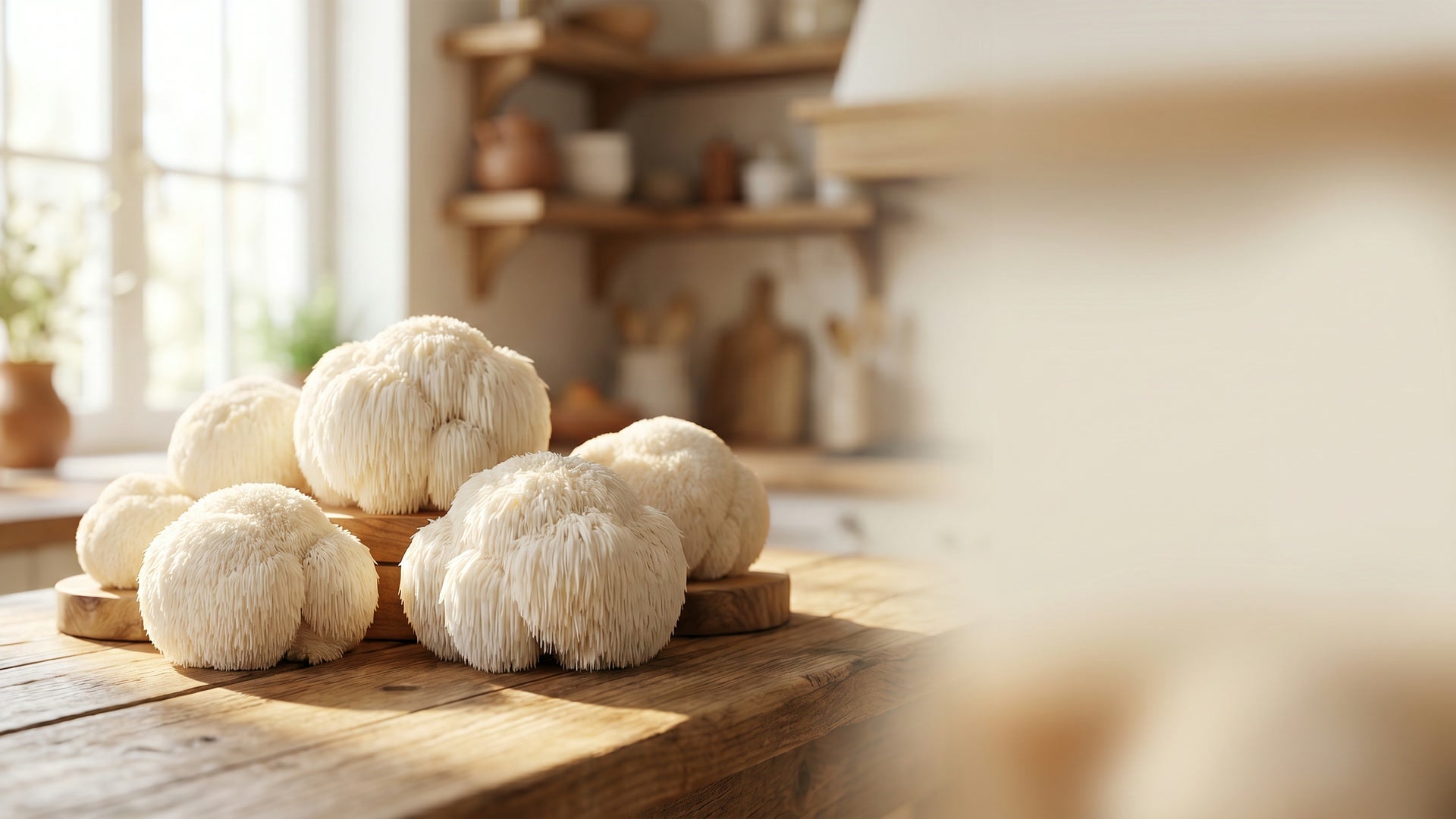
Lion's Mane Mushroom (Hericium erinaceus)
Lion's mane mushrooms are naturally white and fuzzy, making them one of the most distinctive edible fungi. These remarkable mushrooms cascade like icicles with their signature white spines.
Identification Features:
-
Pure white color when fresh
-
Long, dangling spines (longer than 1 cm)
-
Single clump growth pattern
-
No cap or traditional mushroom shape
-
Grows on hardwood trees (beech, maple, oak)
Safety Note: Lion's mane has no toxic look-alikes, making it excellent for beginners. Learn more about cultivation in our Lion's Mane liquid culture guide.
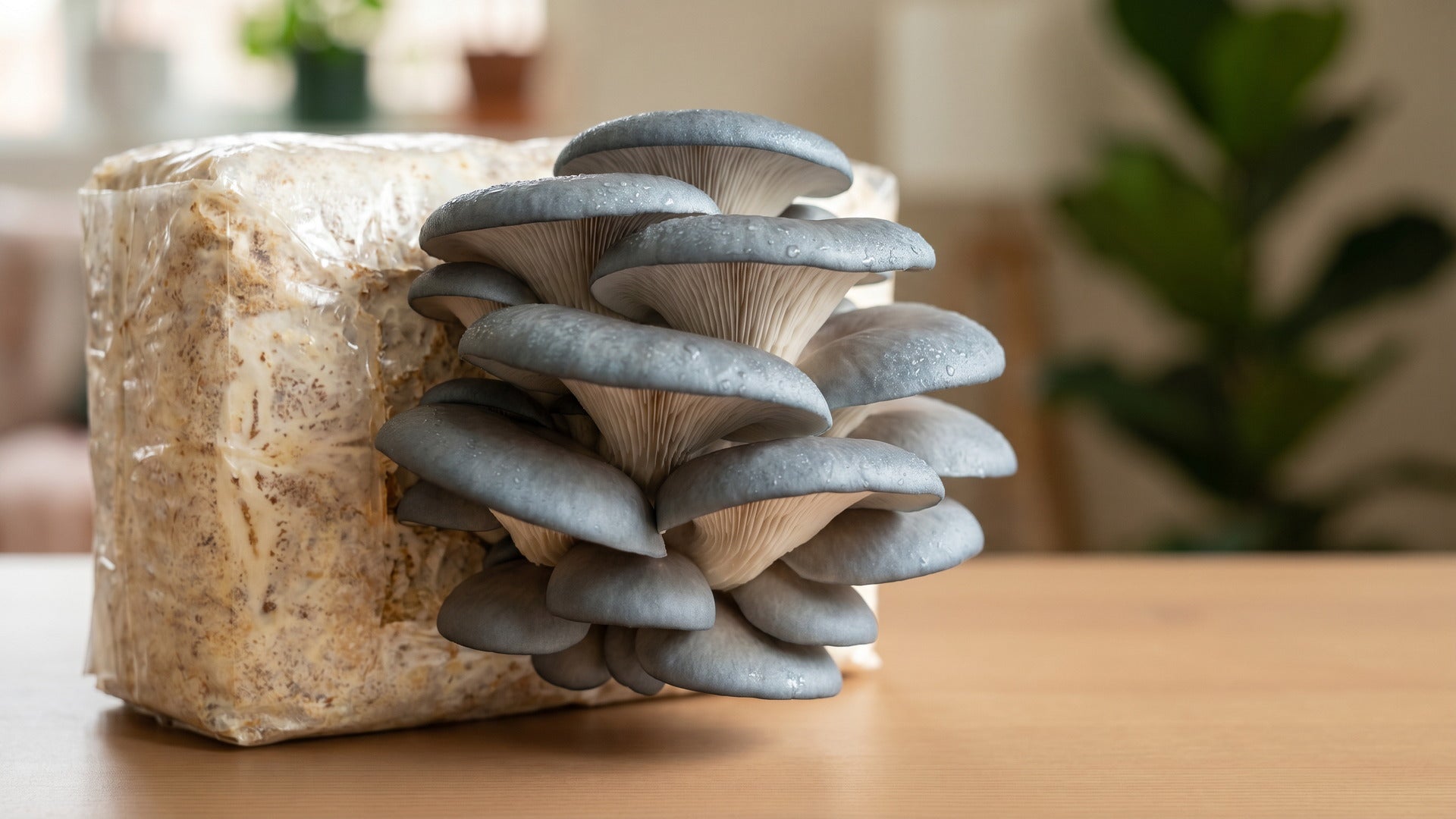
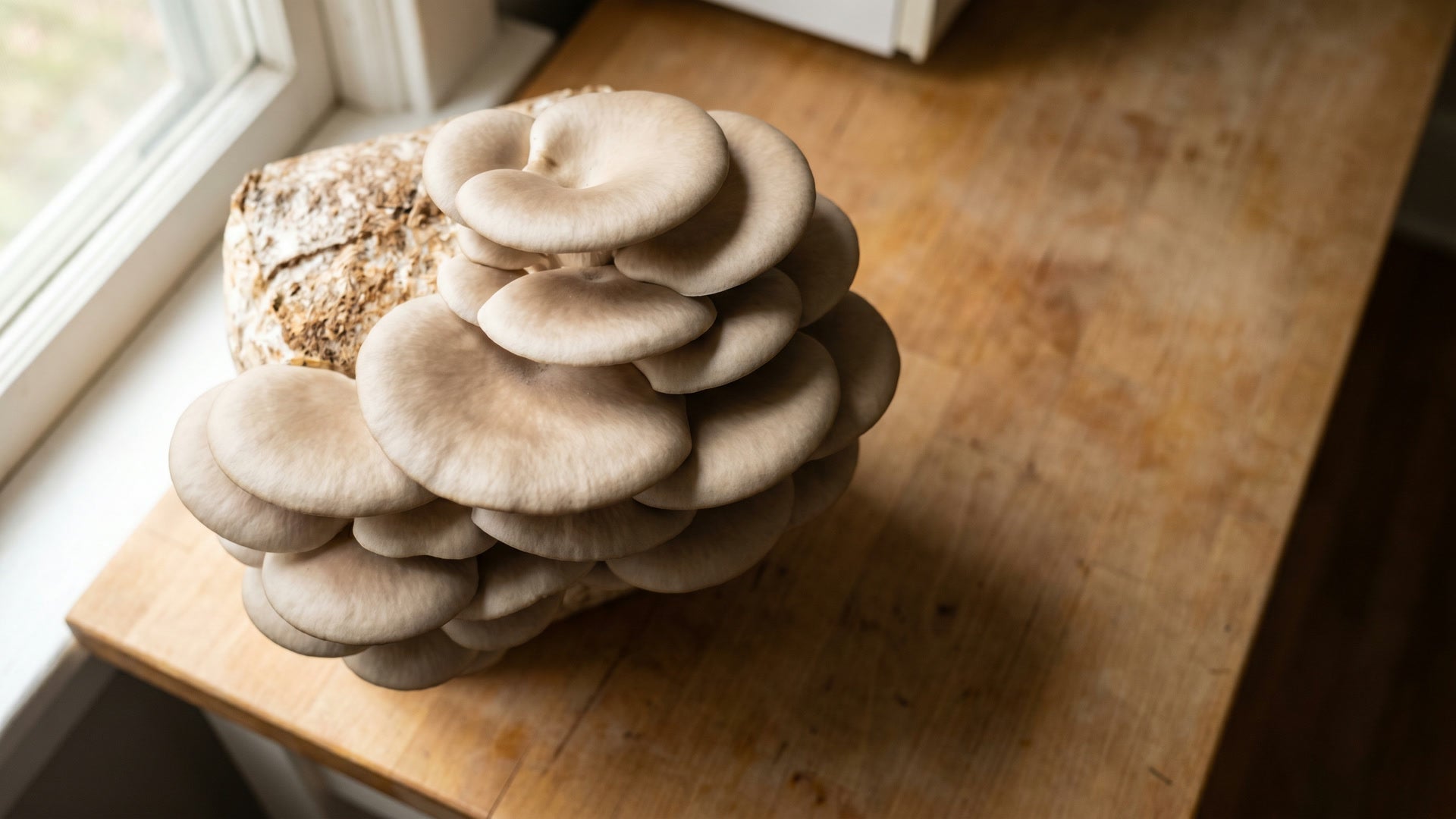
White Oyster Mushrooms (Pleurotus ostreatus): Why Oyster Mushrooms Show White Fuzz
White oyster mushrooms represent one of the safest edible varieties for identification. These choice edible mushrooms grow naturally white to off-white and are highly prized by chefs worldwide. Oyster mushrooms white fuzz is an extremely common sight on home-grown blocks because oyster mycelium grows aggressively, and fuzzy oyster mushrooms covered in bright-white hair-like growth are almost always harmless mycelium reaching out for fresh air rather than mold contamination.
Key Characteristics:
-
Broad, fan-shaped caps
-
White to cream coloring
-
Gills running down the stem
-
Grows in clusters on dead wood
-
Lateral or nearly absent stems
Foraging Tip: All 202 species of oyster mushrooms are edible, though not all are white. Refer to our detailed oyster mushroom identification guide for comprehensive information.
Giant Puffball (Calvatia gigantea)
Giant puffballs appear as large, white, ball-shaped fungi that can grow to volleyball size. When young and pure white throughout, they're considered choice edibles.
Identification Requirements:
-
Round, white exterior
-
Pure white interior (when cut)
-
No visible gills or stem structure inside
-
Firm, marshmallow-like texture
-
Found in fields and meadows
Critical Safety Check: Always cut puffballs in half to verify pure white interior. Yellow or brown coloring indicates spore development and potential toxicity.
Button Mushrooms (Agaricus bisporus)
The common white button mushrooms found in grocery stores naturally display white, fuzzy characteristics when fresh. These represent 90% of mushrooms consumed in the United States.
Commercial Varieties:
-
Button mushrooms (young stage)
-
Cremini mushrooms (intermediate stage)
-
Portobello mushrooms (mature stage)
-
All the same species at different growth phases
Safety Guidelines for White Fuzzy Mushrooms
When White Fuzz is Safe
Acceptable Conditions:
-
Bright white coloration under proper lighting
-
Hair-like filaments growing outward from mushroom
-
Fresh, earthy smell or no odor at all
-
Firm texture when gently squeezed
-
Clean growing environment
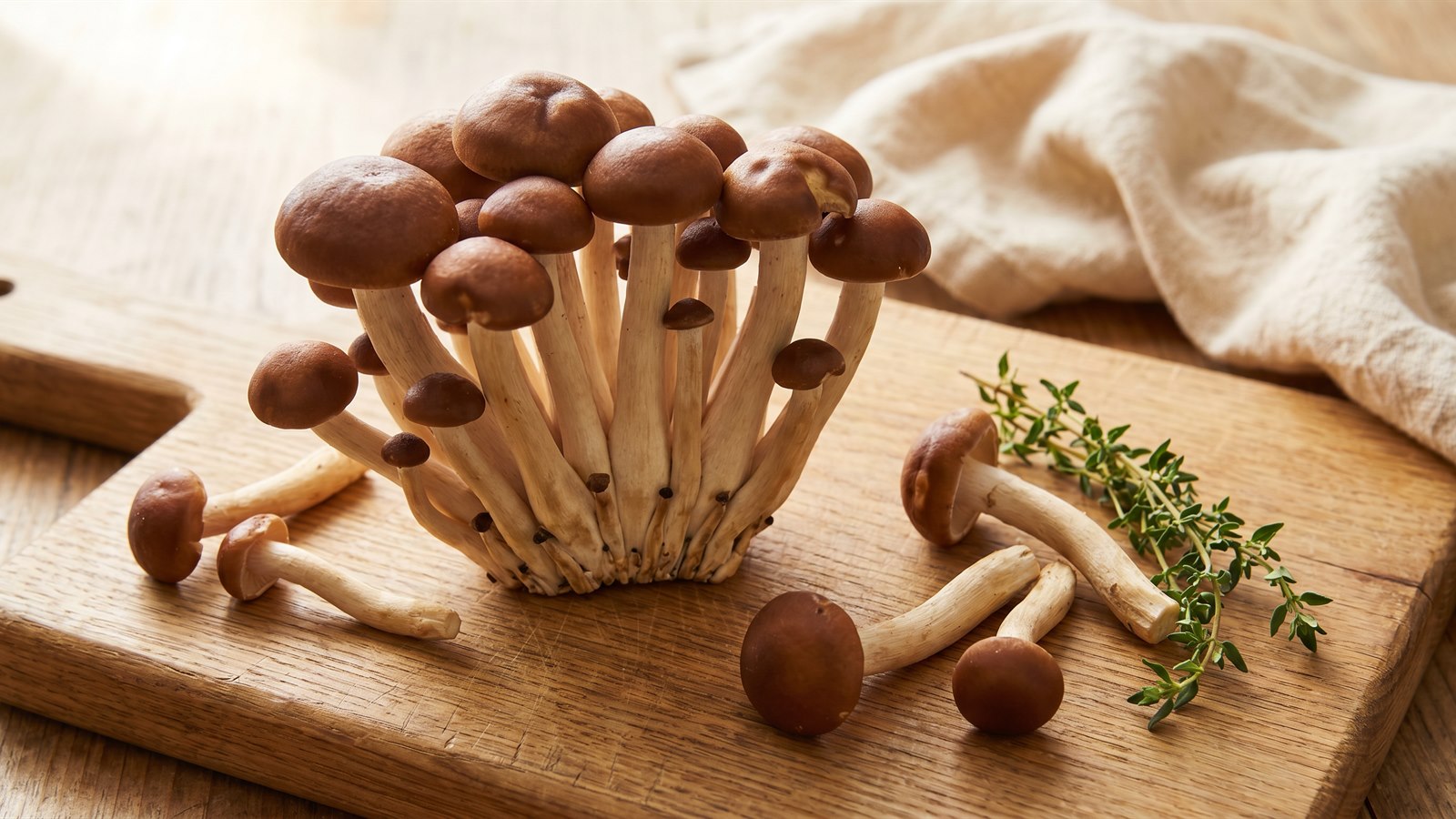
Finding fuzz (mycelium) on the stem of the mushroom is totally normal and nothing to worry about. The fruit has developed extra mycelium to absorb humidity and fresh air from its environment.
When to Discard Mushrooms
Danger Signs Requiring Disposal:
-
Slimy, wet surface texture
-
Blue-green coloration
-
Foul, ammonia-like odors
-
Dark spots or unusual discoloration
-
Soft, hollow feeling when squeezed
-
Mold sitting on top rather than growing from mushroom
Health Warning: Never consume mushrooms showing any signs of contamination. Some molds produce mycotoxins that can cause serious health problems.
Can You Eat Mushrooms with Mold?
Can you eat mushrooms with mold? The honest answer is no, you should not. Unlike hard cheeses, where you can cut around a small mold patch, mushrooms are porous and high in water content. Mold spores and mycotoxins penetrate the entire mushroom, not just the visible patch. If a mushroom shows confirmed mold (blue-green tint, slimy surface, off odor), discard the whole mushroom. The same rule applies to a fuzzy white mushroom in the fridge that has crossed from mycelium-fuzz into actual mold.
Home Growing: Managing White Fuzz
Why Do My Mushrooms Have White Fuzz? Normal Mycelium Development
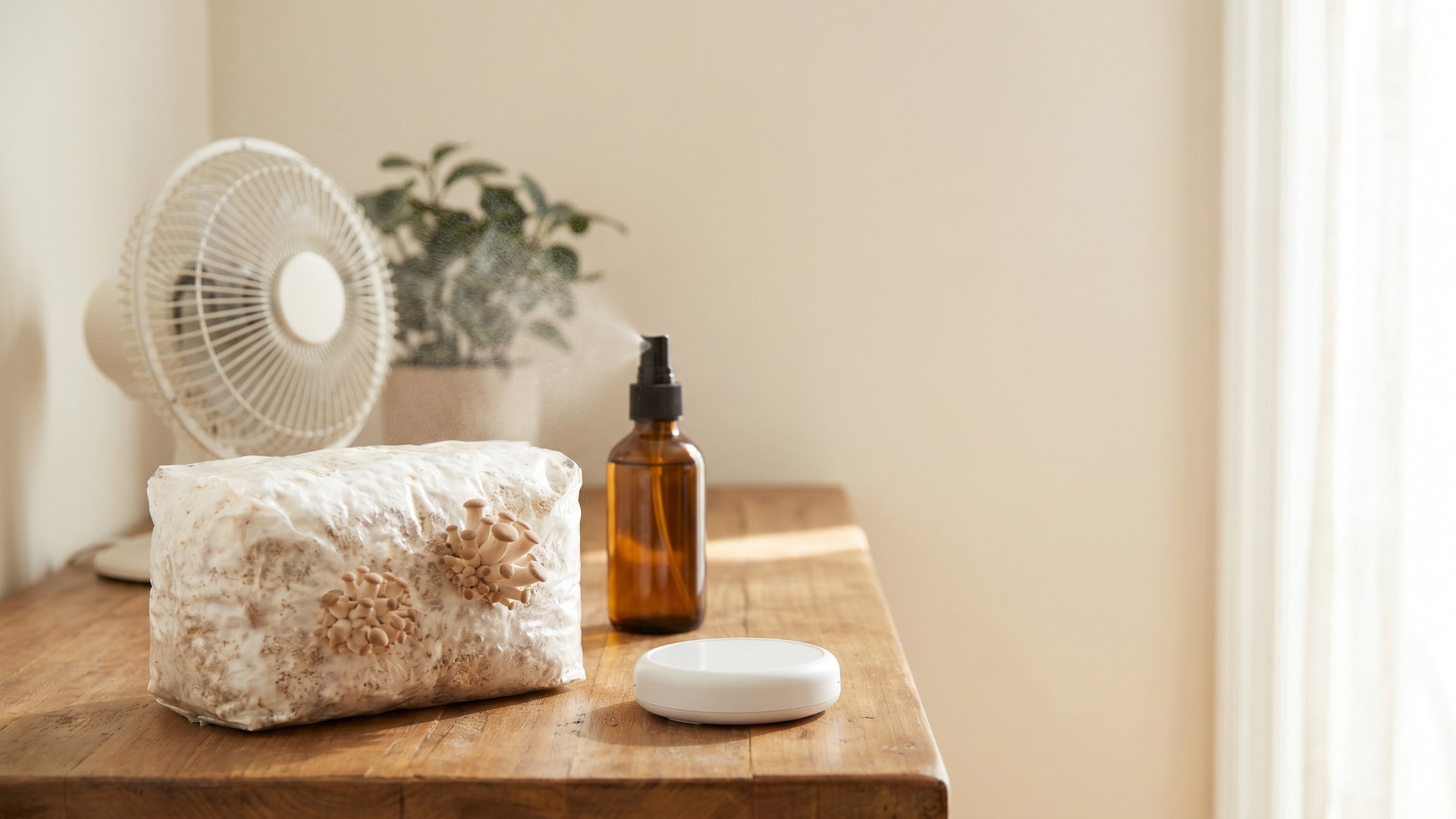
If you have ever asked yourself "my mushrooms have white fuzz, is this normal?" the answer is almost always yes. When growing mushrooms at home, white fuzzy growth on mushrooms typically indicates your mushrooms need better air circulation rather than active contamination. Long stems, fuzzy feet, and white dots on caps mean mushrooms are "begging for a breath of fresh air." Increase fresh air exchange and the fuzz usually retracts within 24 to 48 hours.
Common Growing Issues:
-
Fuzzy stems: lack of fresh air exchange (FAE)
-
Long, spindly growth: insufficient oxygen levels
-
White dots on caps: poor ventilation in growing chamber
Optimizing Growing Conditions
Environmental Requirements:
-
Proper fresh air exchange
-
Adequate humidity (80-95% for most species)
-
Appropriate temperature control
-
Sufficient but not excessive lighting
-
Clean, sterile growing conditions
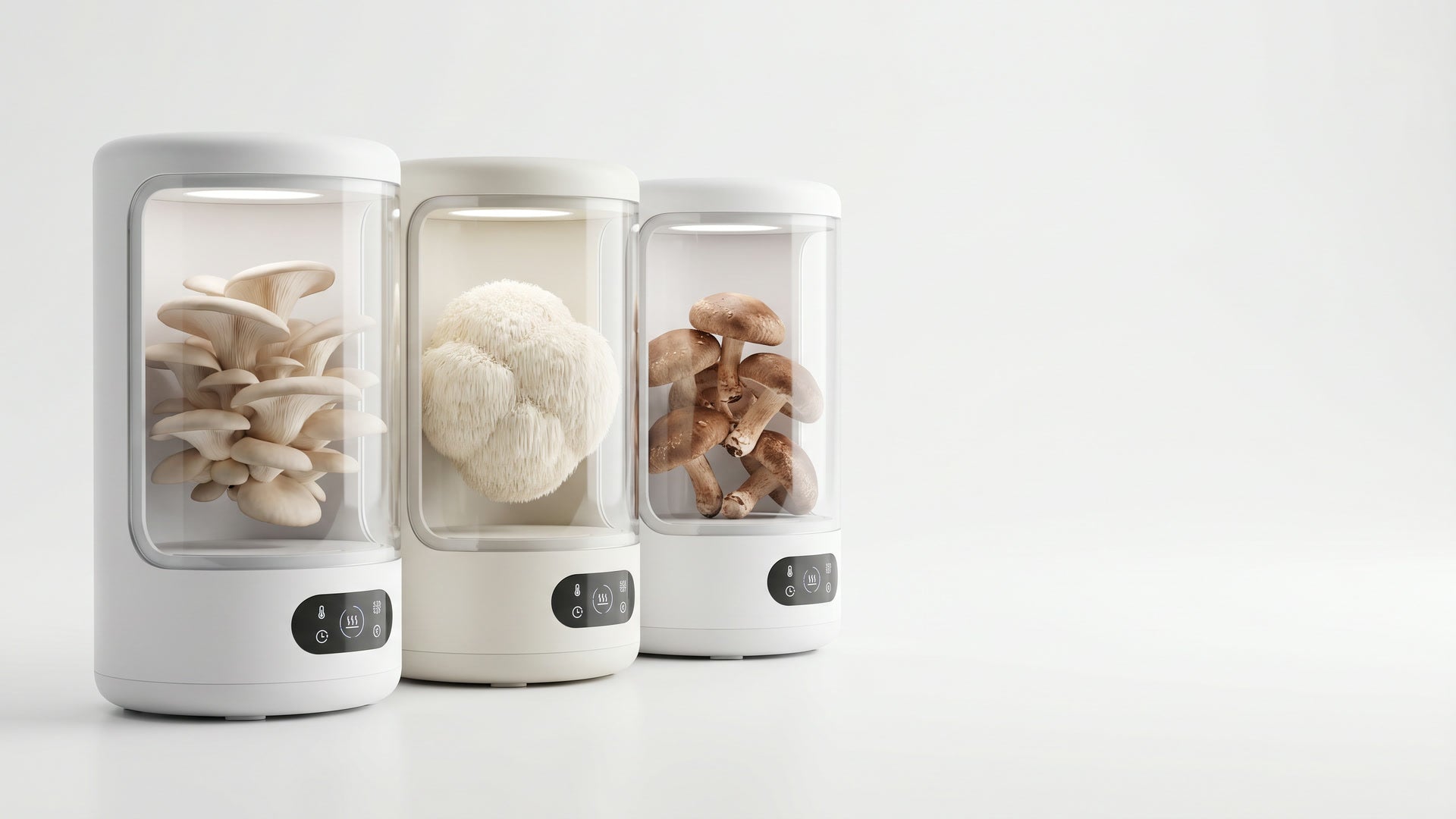
The Lykyn Smart Mushroom Grow Box automatically maintains perfect humidity and airflow through smart sensors, eliminating common white fuzz problems that frustrate new growers.
Identifying Dangerous White Mushroom Species
Destroying Angel (Amanita species)
Despite their pure white appearance, destroying angels rank among the world's most poisonous mushrooms. These deadly fungi contain amatoxins causing fatal liver and kidney damage.
Fatal Characteristics:
-
Pure white throughout
-
Bulbous stem base (volva)
-
White ring around stem
-
White gills and spore print
-
Sweet, pleasant odor (deceptively appealing)
Critical Warning: Destroying angels can be confused with edible puffballs when young. Always cut suspected puffballs in half to check for developing mushroom structures inside.
False Parasol (Chlorophyllum molybdites)
The false parasol represents the most common cause of mushroom poisoning in the United States. While not typically fatal, it causes severe gastrointestinal distress.
Warning Features:
-
Initially white, turning greenish
-
Green spore print (distinctive identifier)
-
Ring around stem
-
Grows in lawns and grassy areas
-
Often confused with edible parasol mushrooms
Testing Mushroom Freshness and Safety
Multi-Point Safety Check
Essential Questions for Evaluation:
-
Visual inspection - Any discoloration or dark spots?
-
Texture test - Firm or soft and slimy?
-
Smell assessment - Fresh earthy scent or foul odor?
-
Fuzz examination - Growing from mushroom or sitting on top?
-
Overall condition - Healthy appearance or signs of decay?
Professional Identification Resources
Recommended Tools:
-
Multiple field guides for cross-reference
-
Spore print identification
-
Expert consultation through mycological societies
-
High-quality identification apps (supplementary only)
-
Photography for expert review
Educational Opportunities:
-
Local mushroom forays with experts
-
University extension programs
-
Mycological society meetings
-
Mushroom grow kit for beginners for hands-on learning
Growing White Fuzzy Mushrooms at Home
Beginner-Friendly Species
Recommended Varieties:
-
Oyster mushrooms (easiest for beginners)
-
Lion's mane (distinctive appearance, no toxic look-alikes)
-
Shiitake (reliable producer)
-
Button mushrooms (familiar variety)
Advanced Options:
-
Reishi (medicinal properties)
-
Maitake (excellent flavor)
-
King oyster (meaty texture)
Equipment and Setup
Essential Growing Supplies:
-
Sterile growing medium
-
Humidity control system
-
Temperature monitoring
-
Fresh air exchange mechanism
-
Contamination prevention measures
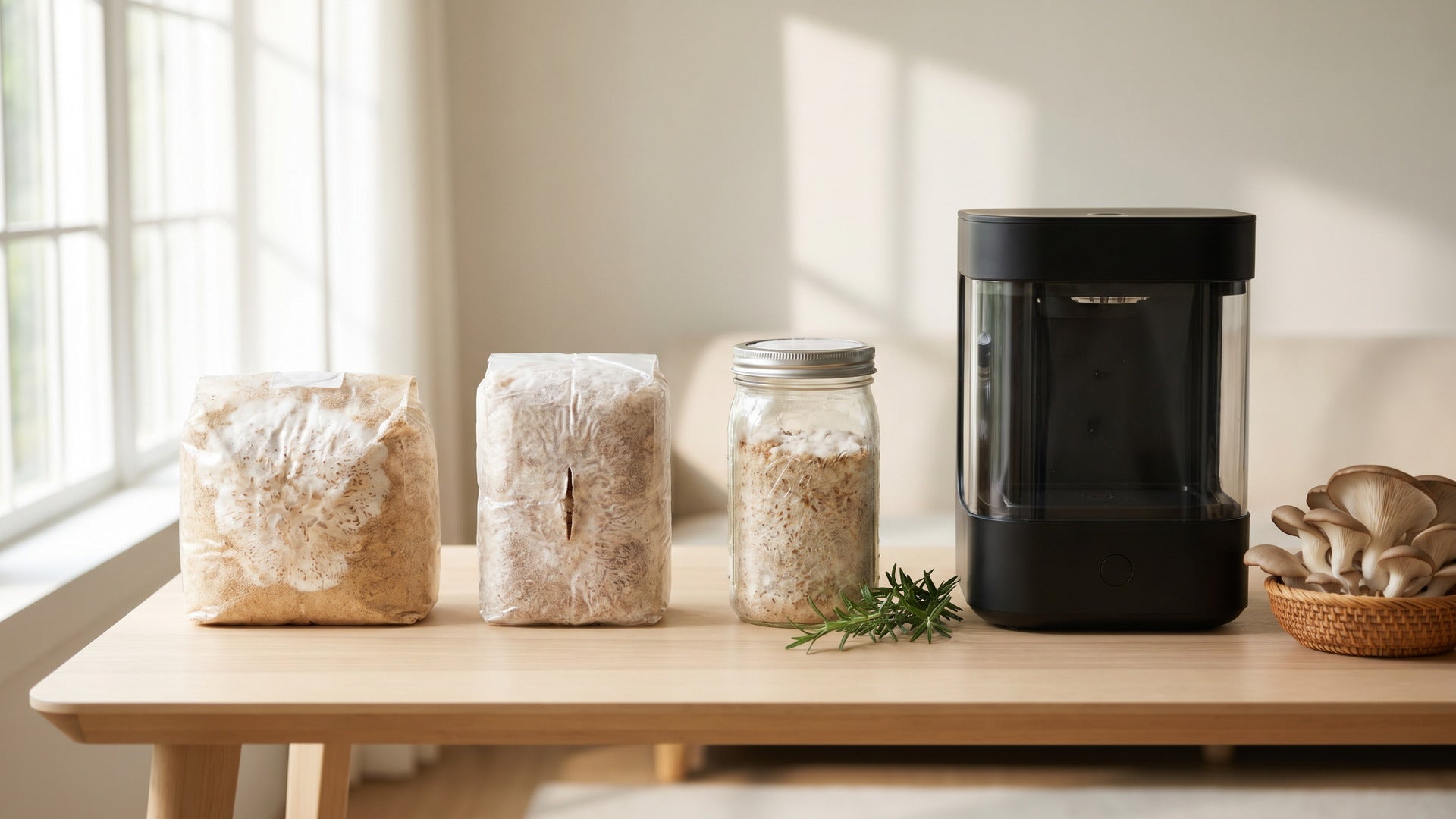
The Lykyn Smart Mushroom Grow Box provides everything needed for successful home cultivation, eliminating guesswork and contamination risks common in DIY setups.
Frequently Asked Questions
Q: Is white fuzz on store-bought mushrooms safe to eat? A: White fuzz on fresh store-bought mushrooms is usually harmless mycelium, especially on species like oyster mushrooms. However, check for sliminess, dark spots, or off odors. When in doubt, discard the mushrooms rather than risk consumption.
Q: How do I tell the difference between mycelium and mold? A: Healthy mycelium appears as bright white, hair-like filaments growing outward from the mushroom. Mold typically sits on top, has a blue-green tint, feels slimy, and produces foul odors. Mycelium smells earthy or pleasant, while mold smells unpleasant.
Q: Can I eat mushrooms with fuzzy stems from my grow kit? A: Yes, fuzzy stems are just mycelium and are completely safe to eat. This indicates your mushrooms need better air circulation, but the fuzz itself poses no safety concerns. You can consume them without scraping off the white growth.
Q: What white mushrooms are safe for beginners to identify? A: Lion's mane mushrooms are excellent for beginners because of their unique appearance and lack of toxic look-alikes. Giant puffballs are also relatively safe when properly identified (pure white interior). Always start with expert guidance or edible mushroom guides.
Q: When should I throw away mushrooms with white fuzz? A: Discard mushrooms immediately if the white fuzz appears blue-green, sits on top of the mushroom, feels slimy, smells foul, or if the mushrooms show any signs of decay like dark spots or soft texture.
Q: Are all white fuzzy mushrooms edible? A: No, definitely not. While many white fuzzy mushrooms like lion's mane and oyster mushrooms are edible, others like destroying angels are deadly poisonous. Never eat any wild mushroom without 100% positive identification from multiple expert sources.
Summary
White fuzzy growth on mushrooms typically indicates healthy mycelium development rather than dangerous contamination. Safe mycelium appears as bright white, hair-like filaments growing from the mushroom, while dangerous mold sits on top with blue-green coloration and foul odors. Common edible white fuzzy species include lion's mane, oyster mushrooms, and puffballs, but deadly varieties like destroying angels also appear white, making expert identification crucial.
Start Your Safe Mushroom Journey
Whether you're interested in foraging wild varieties or growing your own, proper identification and growing techniques ensure both safety and success. The Lykyn Smart Mushroom Grow Box eliminates common contamination issues while providing controlled conditions for healthy mushroom development.
Browse our complete selection of Lykyn Smart Mushroom Grow Box and start your cultivation journey with confidence. With proper equipment and knowledge from this guide, you'll distinguish between beneficial mycelium and dangerous mold while enjoying fresh, homegrown mushrooms year-round. Transform your kitchen into a productive growing space and discover why thousands choose mushroom cultivation for sustainable, healthy food production.
Related reading
Ready to grow?
Skip the substrate guesswork. Start with the smart fruiting chamber that handles humidity, airflow, and lighting for you.
Start with the Lykyn Grow Box →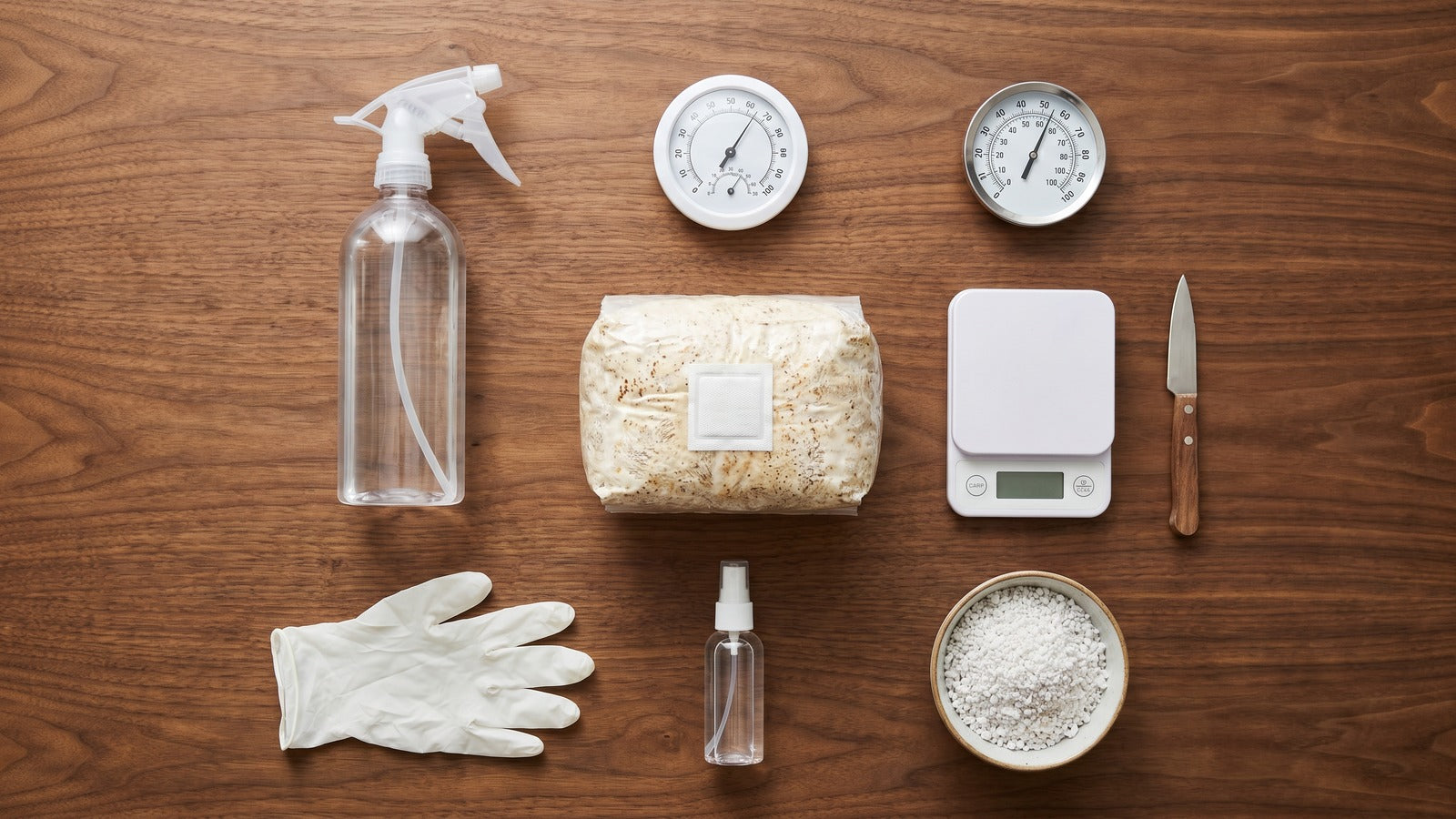
Share:
Colorado Mushroom Guide: Your Complete Field Companion for Rocky Mountain Foraging
Black Reishi Mushroom: The Complete Guide to Purple Reishi (Ganoderma sinense)