


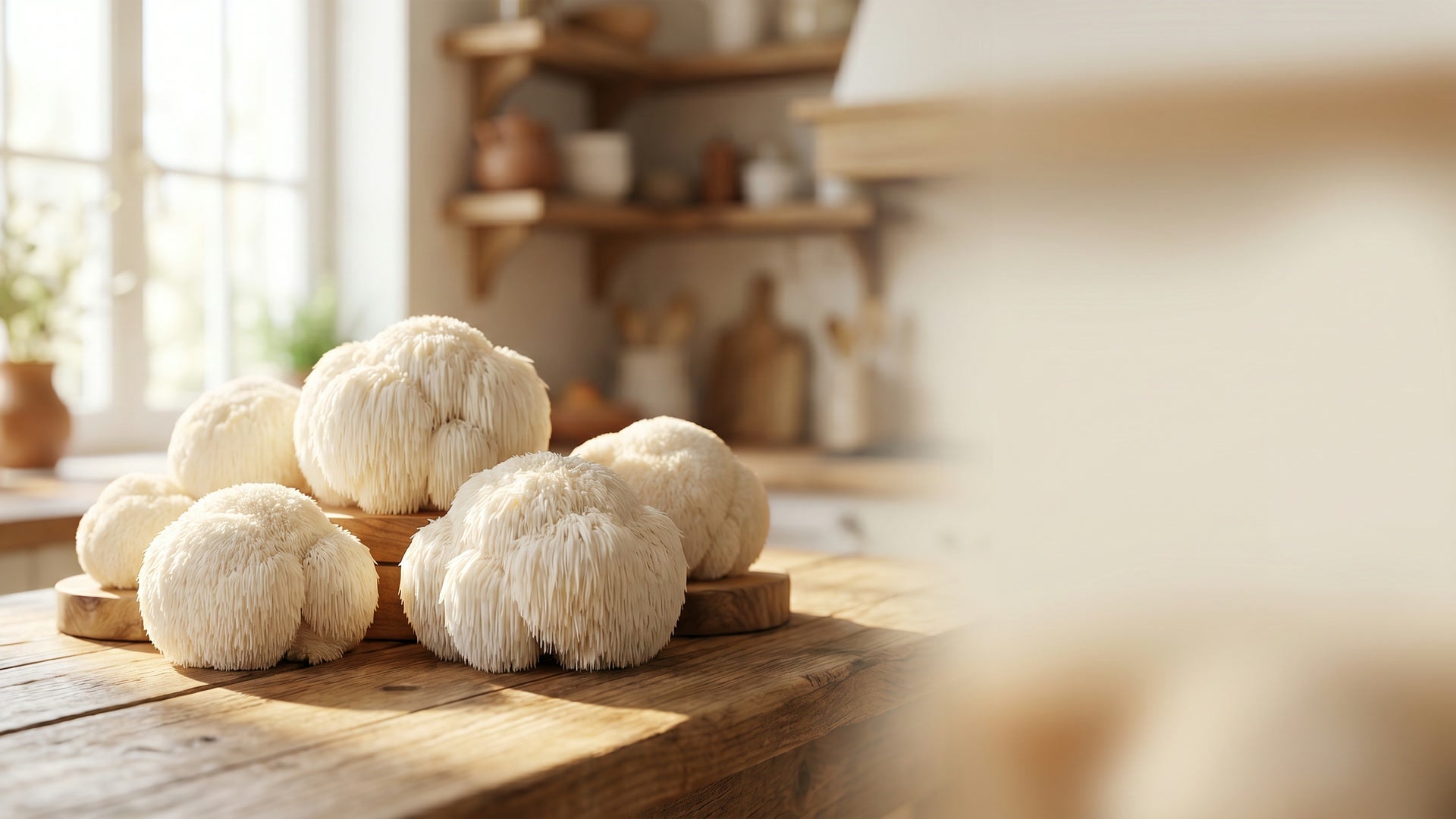
Storing lion's mane mushrooms properly is essential for maintaining their unique seafood-like flavor and meaty texture. These distinctive fungi, known for their white, cascading spines and incredible culinary versatility, require specific storage techniques to preserve their quality and extend their shelf life.
Whether you've harvested fresh lion's mane from your own cultivation setup or purchased them from a local market, understanding the correct storage methods will help you enjoy these premium mushrooms at their peak freshness. From short-term refrigeration to long-term preservation techniques, this comprehensive guide covers everything you need to know about storing lion's mane mushrooms effectively.
Understanding Lion's Mane Mushroom Characteristics
Physical Properties That Affect Storage
Lion's mane mushrooms have a unique structure that influences how they should be stored. Their delicate, tooth-like spines contain high moisture content, making them more perishable than many other mushroom varieties. The mushroom's porous nature means it can quickly absorb odors and moisture from its environment.
Fresh lion's mane mushrooms should feel firm to the touch with bright white coloration. Any yellowing, browning, or soft spots indicate deterioration has begun. The spines should be intact and not drooping, which suggests the mushroom is still fresh and viable for consumption.

Shelf Life Expectations
Understanding the natural shelf life of lion's mane mushrooms helps you plan your storage strategy effectively. Fresh lion's mane mushrooms typically last 5-7 days when stored properly in the refrigerator. However, this timeframe can vary based on harvesting conditions, transportation, and storage environment.
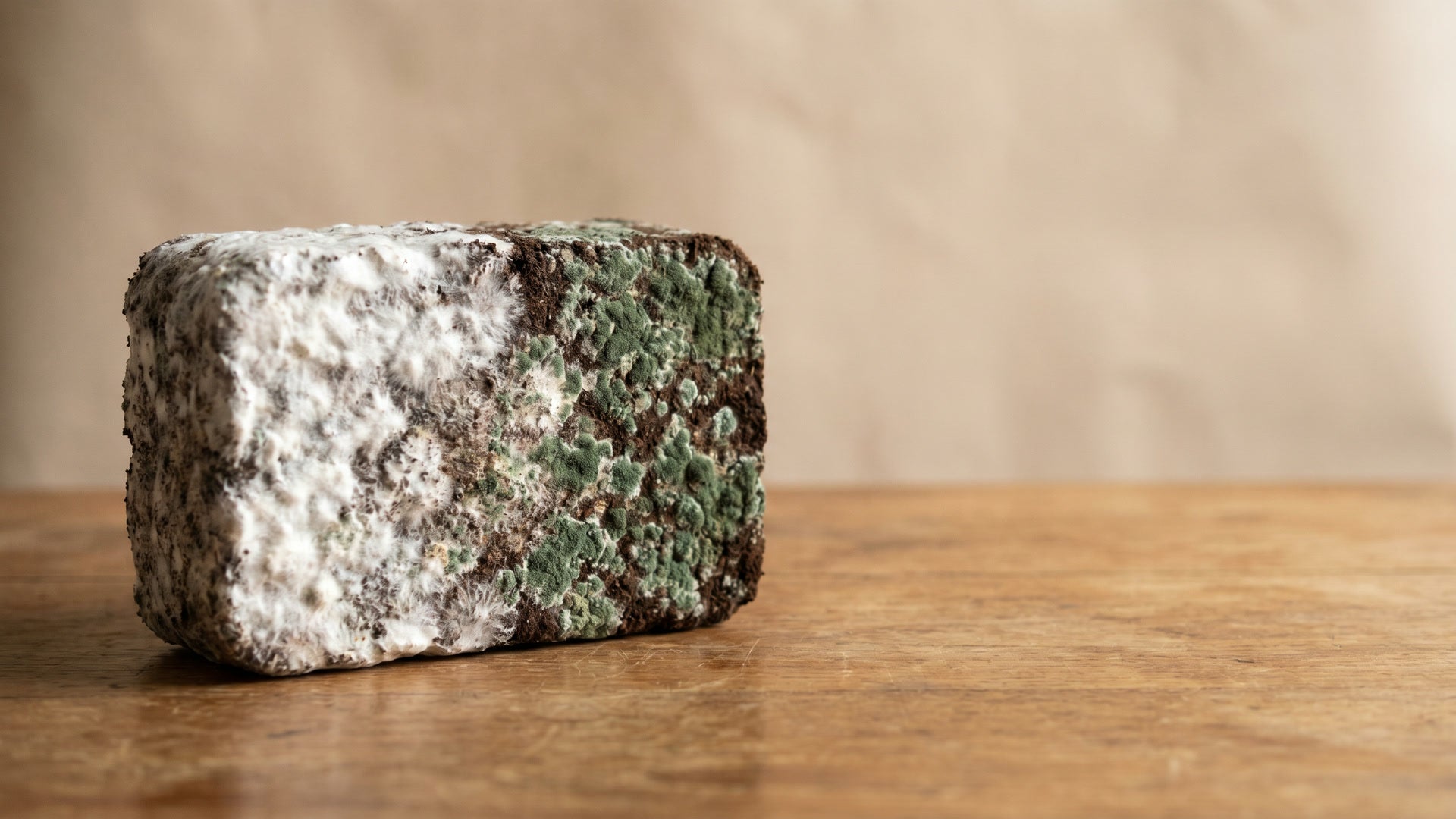
Signs of spoilage include discoloration, mushy texture, unpleasant odors, and visible mold growth. Monitoring these indicators helps you determine when your stored mushrooms are no longer safe for consumption.
Short-Term Storage Methods
Refrigerator Storage Techniques
The refrigerator provides the ideal environment for short-term lion's mane mushroom storage. Proper refrigeration maintains the mushrooms' quality while extending their usable life significantly compared to room temperature storage.
Preparation Steps:
-
Gently brush away any debris or substrate particles
-
Avoid washing unless absolutely necessary
-
Pat dry with paper towels if moisture is present
-
Trim any damaged or discolored areas
Storage Container Options: Paper bags work exceptionally well for lion's mane mushrooms, allowing proper air circulation while absorbing excess moisture. Alternatively, use a breathable container with ventilation holes or a loosely closed plastic bag with small holes punched in it.

Optimal Temperature and Humidity
Store lion's mane mushrooms at temperatures between 32-36°F (0-2°C) with humidity levels around 85-95%. The crisper drawer in your refrigerator typically provides these ideal conditions. Avoid storing them in the main refrigerator compartment where temperature fluctuations are more common.
Never store lion's mane mushrooms in sealed plastic bags without ventilation, as this traps moisture and accelerates spoilage. The key is maintaining proper air circulation while preventing excessive moisture loss.
Long-Term Preservation Methods
Freezing Lion's Mane Mushrooms
Freezing extends the storage life of lion's mane mushrooms to 6-12 months, though it does change their texture slightly. The freezing process breaks down cell walls, resulting in a softer texture that works well in cooked dishes but isn't ideal for applications requiring firm texture.
Blanching Method:
-
Slice mushrooms into desired portions
-
Bring salted water to a boil
-
Blanch mushroom pieces for 2-3 minutes
-
Immediately transfer to ice water bath
-
Drain thoroughly and pat dry
-
Package in freezer-safe containers or bags
Raw Freezing Method: Some prefer freezing lion's mane mushrooms raw, which preserves more of their original flavor profile. Simply slice the mushrooms, arrange on a baking sheet to freeze individually, then transfer to freezer bags once solid.
Dehydrating for Extended Storage
Dehydrating lion's mane mushrooms creates a shelf-stable product that can last 6-12 months when stored properly. Dried lion's mane mushrooms concentrate flavors and provide versatility for later use in broths, seasonings, and rehydrated dishes.
Dehydrator Method:
-
Slice mushrooms uniformly (1/4 to 1/2 inch thick)
-
Arrange on dehydrator trays without overlapping
-
Dehydrate at 135°F (57°C) for 6-10 hours
-
Test for complete dryness (should snap when bent)
-
Store in airtight containers with desiccant packets
Oven Method: For those without a dehydrator, use your oven set to the lowest temperature (usually 170°F/77°C) with the door slightly ajar. This method takes 4-8 hours depending on slice thickness and moisture content.
For detailed guidance on dehydrating techniques, check out our comprehensive guide on dehydrating mushrooms.
Preparation Before Storage
Cleaning and Trimming
Proper preparation significantly impacts storage success. Lion's mane mushrooms grown on commercial substrates typically require minimal cleaning, while wild specimens may need more attention to remove debris.
Cleaning Process:
-
Inspect for insects or foreign matter
-
Gently brush with soft brush or cloth
-
Trim any damaged or discolored areas
-
Avoid soaking in water unless necessary
-
If washing is required, use cold water briefly
-
Pat completely dry before storage
Trimming Guidelines: Remove any brown or yellow areas, as these will continue to deteriorate during storage. Cut the mushroom at the base where it attached to the growing substrate, ensuring a clean cut that minimizes bacterial entry points.
Portioning for Storage
Dividing lion's mane mushrooms into meal-sized portions before storage saves time during meal preparation and reduces waste. Consider how you typically use these mushrooms in your cooking when determining portion sizes.
Pre-slicing mushrooms before freezing or dehydrating ensures uniform processing and consistent results. However, whole mushrooms generally maintain better texture and flavor during refrigerated storage.
Storage Container Selection
Best Container Materials
Choose storage containers that balance breathability with protection. Glass containers with loose-fitting lids work well for refrigerated storage, while vacuum-sealed bags are excellent for freezing.
Container Options:
-
Paper bags (excellent for refrigeration)
-
Mesh bags (good airflow)
-
Perforated plastic containers
-
Glass containers with vented lids
-
Vacuum-sealed bags (for freezing)
Avoiding Common Storage Mistakes
Many storage failures result from common mistakes that can be easily avoided. Never store lion's mane mushrooms in completely sealed containers without ventilation, as this creates conditions for rapid spoilage.
Avoid storing mushrooms near strong-smelling foods, as they readily absorb odors. Keep them away from fruits that produce ethylene gas, such as apples and bananas, which can accelerate deterioration.
Maintaining Quality During Storage
Regular Inspection Practices
Check stored lion's mane mushrooms regularly for signs of deterioration. Early detection of spoilage allows you to remove affected portions before they contaminate the entire batch.
Inspection Checklist:
-
Color changes (yellowing or browning)
-
Texture changes (soft or slimy spots)
-
Odor development (musty or unpleasant smells)
-
Moisture accumulation in containers
-
Visible mold growth
Extending Storage Life
Several techniques can help extend the storage life of your lion's mane mushrooms beyond normal expectations. Maintaining consistent temperature and humidity levels prevents stress that accelerates deterioration.
For those interested in growing their own lion's mane mushrooms for fresh storage, our lion's mane cultivation guide provides comprehensive instructions for home cultivation.
Troubleshooting Common Storage Issues
Dealing with Moisture Problems
Excess moisture is the primary enemy of stored lion's mane mushrooms. If you notice condensation in storage containers, remove the mushrooms, dry both the container and mushrooms thoroughly, and adjust ventilation.
Solutions for Moisture Issues:
-
Add paper towels to absorb excess moisture
-
Increase ventilation in storage containers
-
Check refrigerator humidity settings
-
Replace damp storage materials regularly
Preventing Flavor Loss
Lion's mane mushrooms can lose their distinctive flavor during storage if not handled properly. Minimize exposure to air and light, which can degrade flavor compounds over time.
Store processed lion's mane products in opaque containers when possible, and avoid repeatedly opening storage containers unnecessarily. Each exposure to air and temperature changes reduces quality.
FAQ Section
Q: How long can fresh lion's mane mushrooms last in the refrigerator? A: Fresh lion's mane mushrooms typically last 5-7 days when stored properly in the refrigerator using breathable containers like paper bags. Signs of spoilage include discoloration, soft texture, and unpleasant odors.
Q: Can you freeze lion's mane mushrooms without blanching first? A: Yes, you can freeze lion's mane mushrooms raw, though blanching helps maintain better texture and color. Raw frozen mushrooms work well for cooked dishes but may have a softer texture when thawed.
Q: What's the best way to rehydrate dried lion's mane mushrooms? A: Soak dried lion's mane mushrooms in warm water for 20-30 minutes until they become pliable. Save the soaking liquid as it contains concentrated flavors perfect for broths and sauces.
Q: Should I wash lion's mane mushrooms before storing them? A: Generally, avoid washing lion's mane mushrooms before storage as excess moisture accelerates spoilage. Only wash them if absolutely necessary, and ensure they're completely dry before storing.
Q: Can stored lion's mane mushrooms be used for making extracts or tinctures? A: Yes, properly stored lion's mane mushrooms retain their beneficial compounds and can be used for making extracts and tinctures. Dried mushrooms are particularly suitable for alcohol-based extractions.
Summary
Proper storage of lion's mane mushrooms involves understanding their unique characteristics and choosing appropriate preservation methods. Fresh mushrooms last 5-7 days refrigerated in breathable containers, while freezing and dehydrating extend storage life to 6-12 months. Key success factors include maintaining proper humidity, ensuring adequate ventilation, and regular quality monitoring.
Whether you're storing a small harvest from your home cultivation or preserving a larger quantity for extended use, following these proven storage techniques will help you enjoy lion's mane mushrooms at their peak quality. Remember that proper preparation, container selection, and storage environment control are crucial for maintaining both flavor and nutritional value.
Ready to start growing your own lion's mane mushrooms for fresh storage? Explore our lion's mane liquid culture guide and learn how to cultivate these incredible fungi at home. With proper growing techniques and storage knowledge, you'll have a steady supply of fresh lion's mane mushrooms ready for your culinary adventures.
Share:
Mushrooms That Grow on Oak Trees: Your Complete Guide to Oak-Loving Fungi
Can You Grow Mushrooms from Dried Mushrooms? The Complete Truth About Mushroom Propagation