


Yellow oyster mushrooms stand out as one of the most visually striking and rewarding varieties for home cultivation. With their vibrant golden caps, delicate texture, and complex nutty-citrus flavor profile, these gorgeous fungi offer both culinary excitement and growing satisfaction that keeps mushroom enthusiasts coming back for more.
Whether you're a beginner curious about growing your first mushrooms or an experienced cultivator looking to expand your repertoire, yellow oyster mushrooms provide an excellent balance of visual appeal, growing ease, and culinary versatility. This comprehensive guide covers everything you need to know about identifying, growing, harvesting, and cooking these remarkable fungi.

Understanding Yellow Oyster Mushrooms: Nature's Golden Delicacy
Yellow oyster mushrooms, scientifically known as Pleurotus citrinopileatus, are among the most visually distinctive members of the oyster mushroom family. Originally native to eastern Asia, these stunning fungi have gained worldwide popularity among both commercial growers and home cultivators for their remarkable appearance and excellent growing characteristics.
Key Characteristics and Identification
Visual Features Yellow oyster mushrooms display bright golden-yellow caps that fade to cream or pale yellow with age. Their fan-shaped caps typically measure 2-6 inches across, with a smooth, slightly velvety texture when young. The gills run from the cap edge down to the short, off-center stem, displaying a cream to pale yellow coloration.
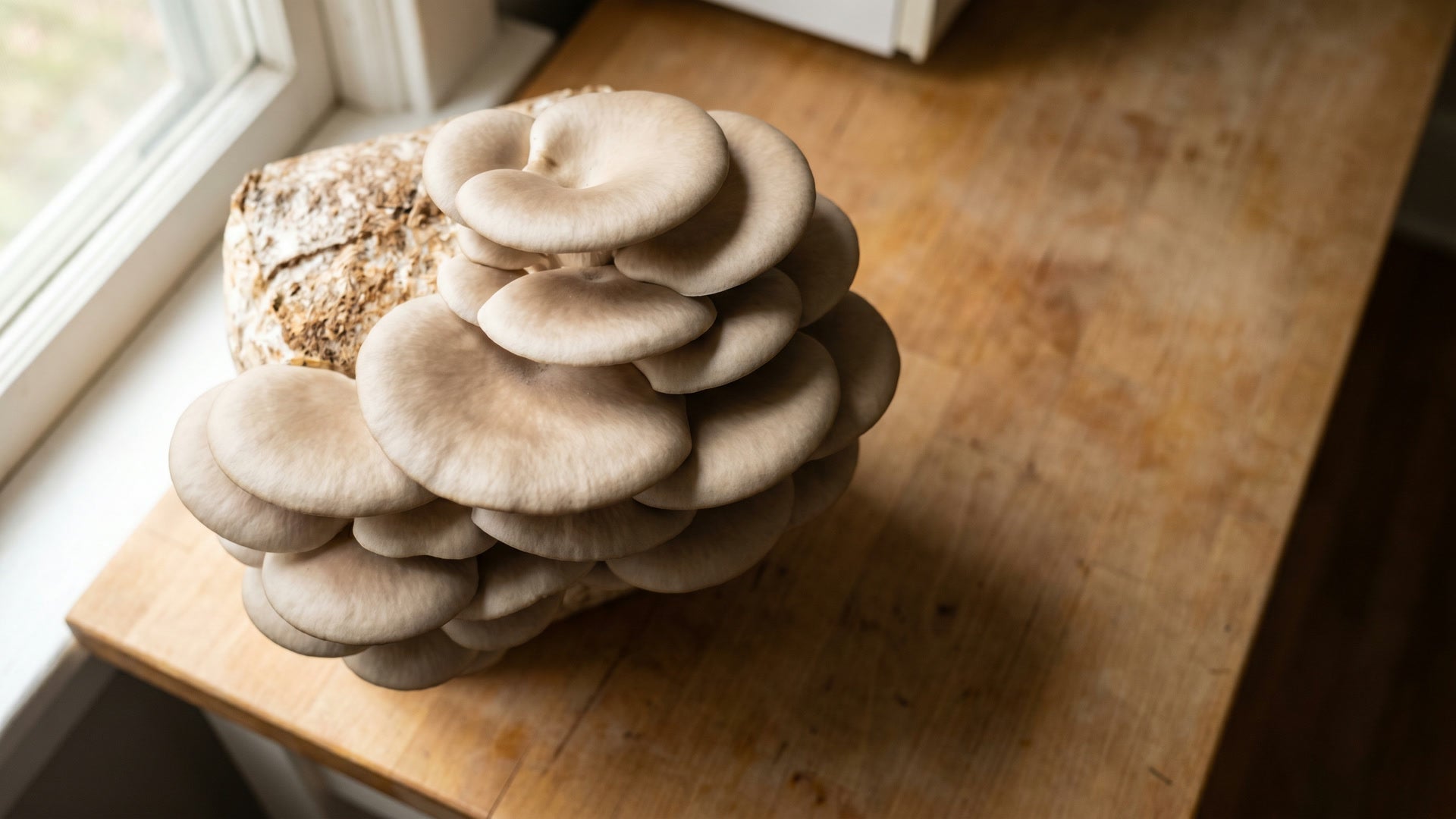
Growth Patterns These mushrooms grow in overlapping clusters or shelf-like formations, similar to other oyster mushroom varieties. Each cluster can contain dozens of individual mushrooms, creating impressive golden bouquets that add stunning visual impact to any growing space.
Flavor Profile Yellow oyster mushrooms offer a more complex flavor than their pearl oyster cousins, featuring nutty undertones with subtle citrus notes. Their texture is tender and slightly meaty, making them excellent for a wide range of culinary applications.
Optimal Growing Conditions for Yellow Oyster Mushrooms
Temperature Requirements Yellow oyster mushrooms prefer warmer conditions than most oyster varieties, thriving in temperatures between 70-85°F (21-29°C). This heat tolerance makes them excellent choices for summer growing or warm climate cultivation.
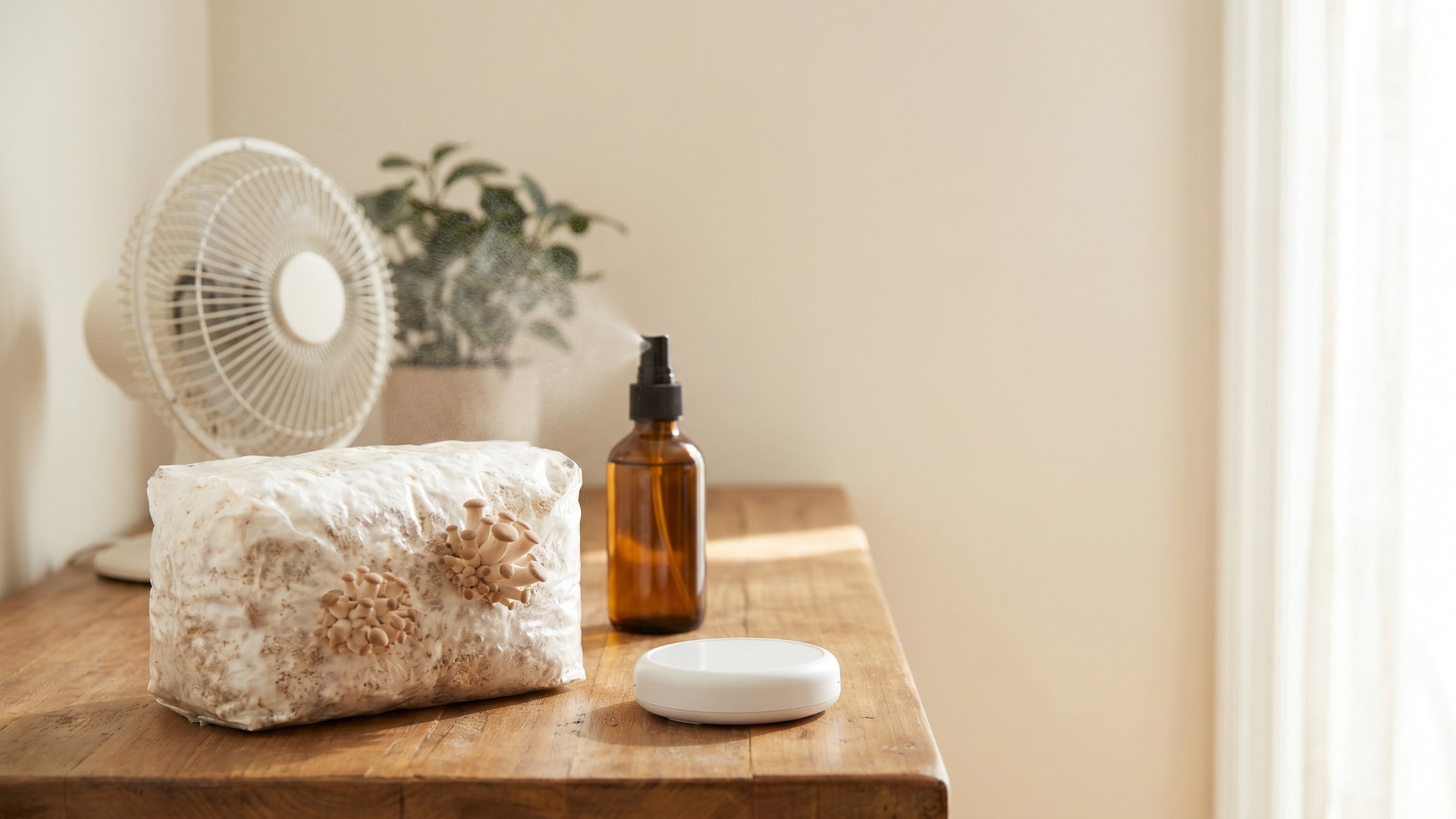
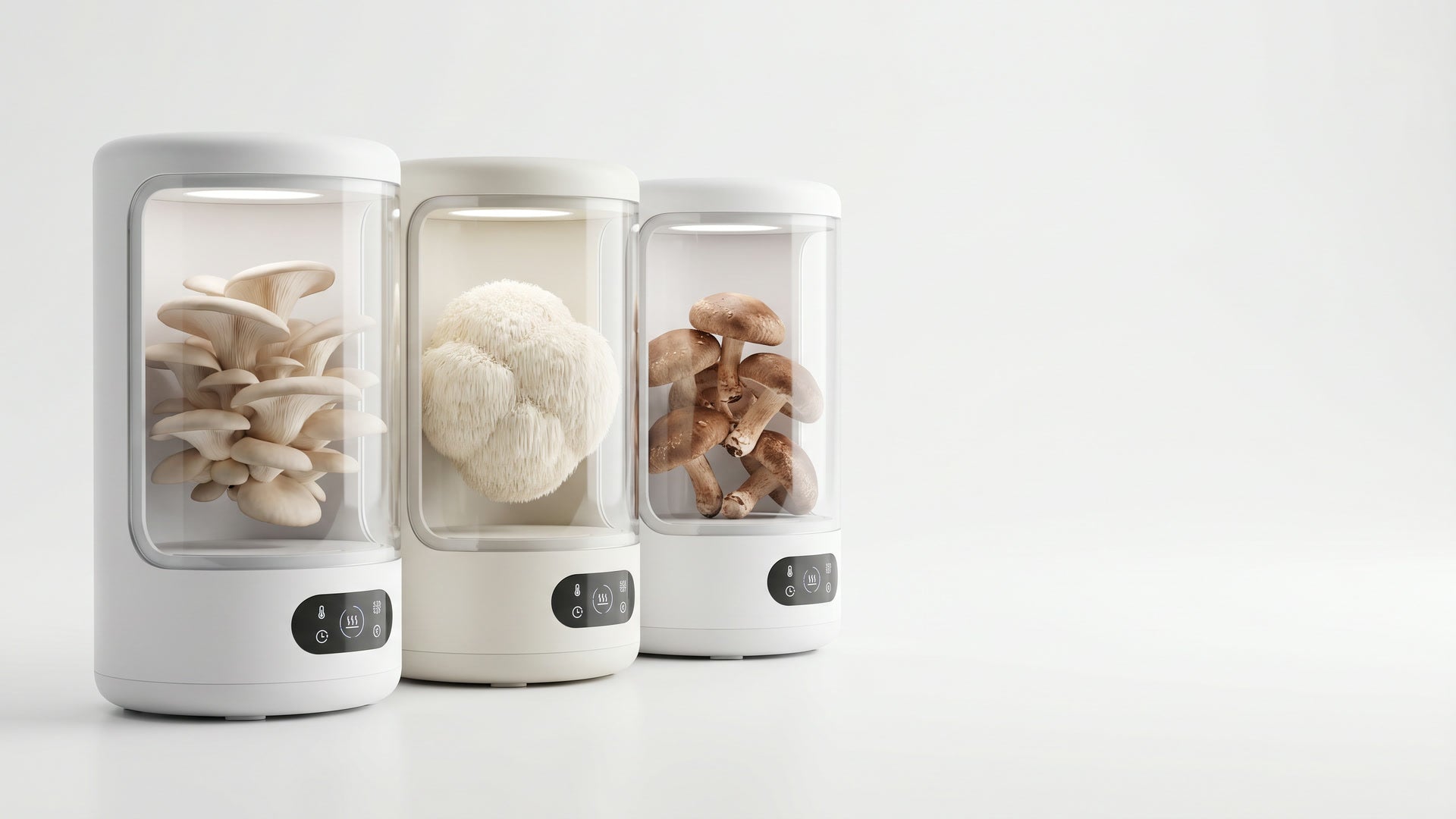
Humidity Needs Like all oyster mushrooms, yellow varieties require high humidity levels between 85-95% during fruiting. The Smart Mushroom Grow Chamber automatically maintains these optimal humidity levels, eliminating the guesswork that often frustrates new growers.
Air Circulation Proper air exchange prevents the elongated stems and poor cap development that can occur in stagnant conditions. Fresh air circulation helps develop the characteristic fan-shaped caps that make yellow oyster mushrooms so visually appealing.
Growing Yellow Oyster Mushrooms at Home: Step-by-Step Success
Getting Started with Yellow Oyster Cultivation
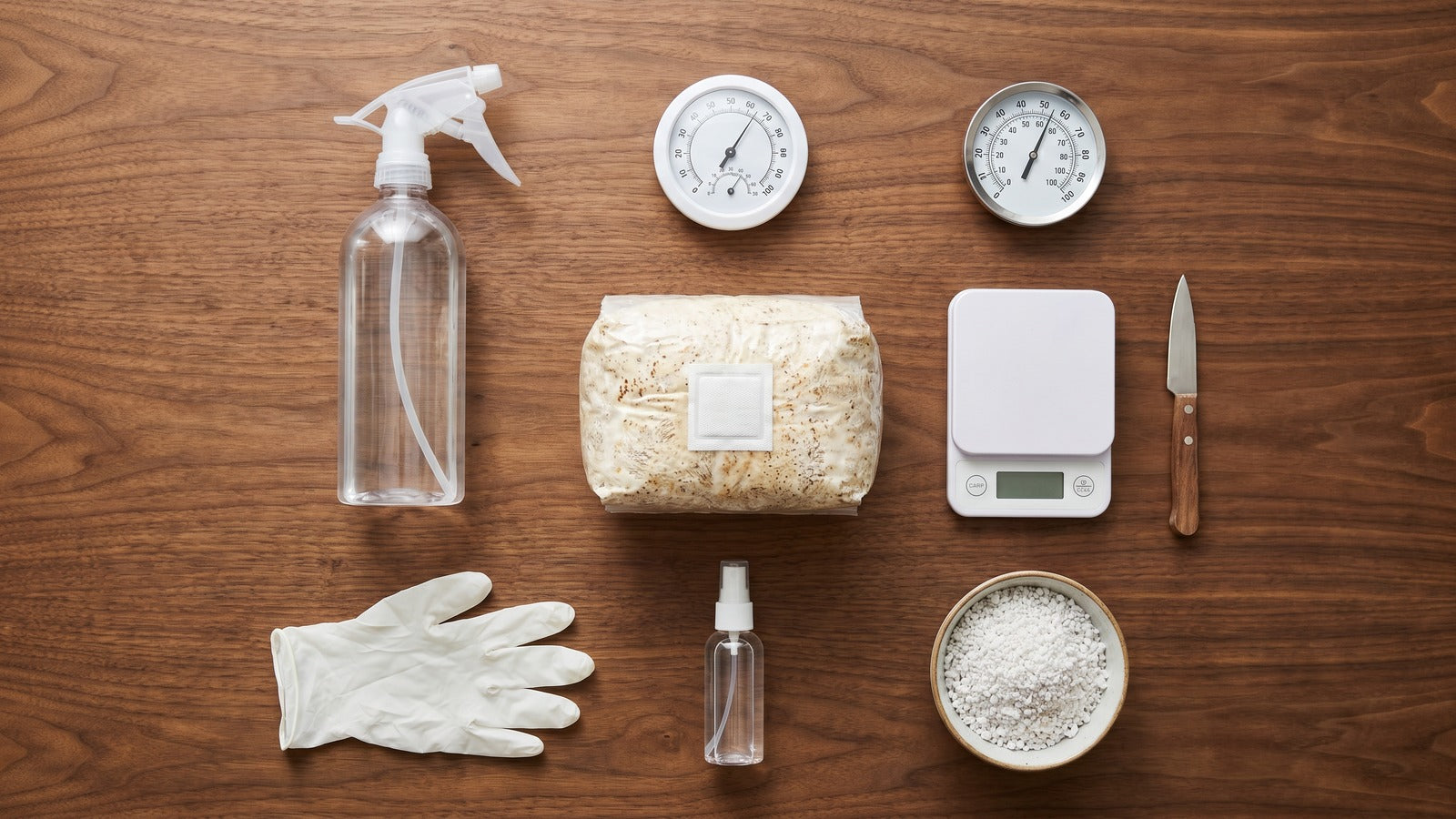
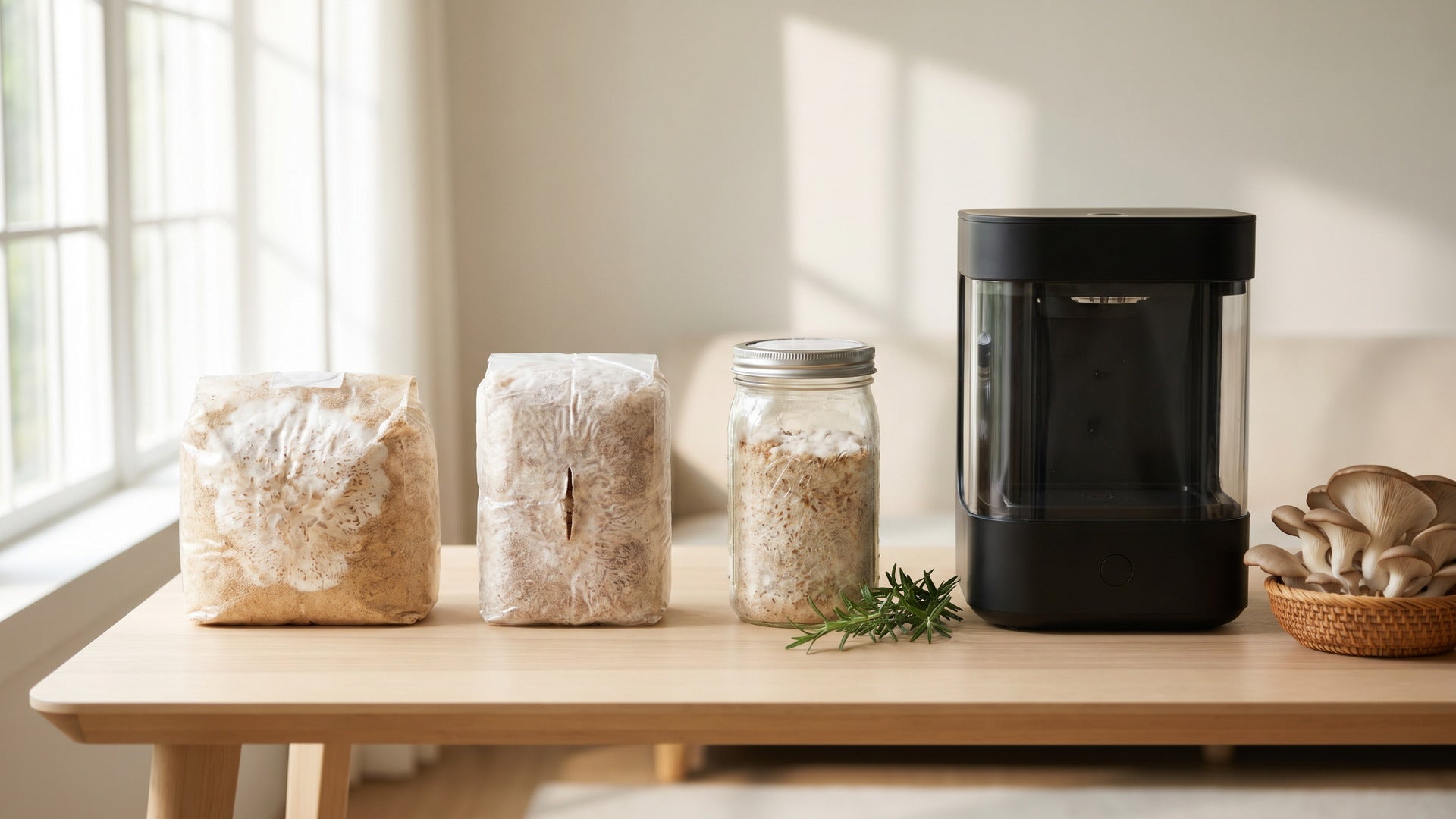
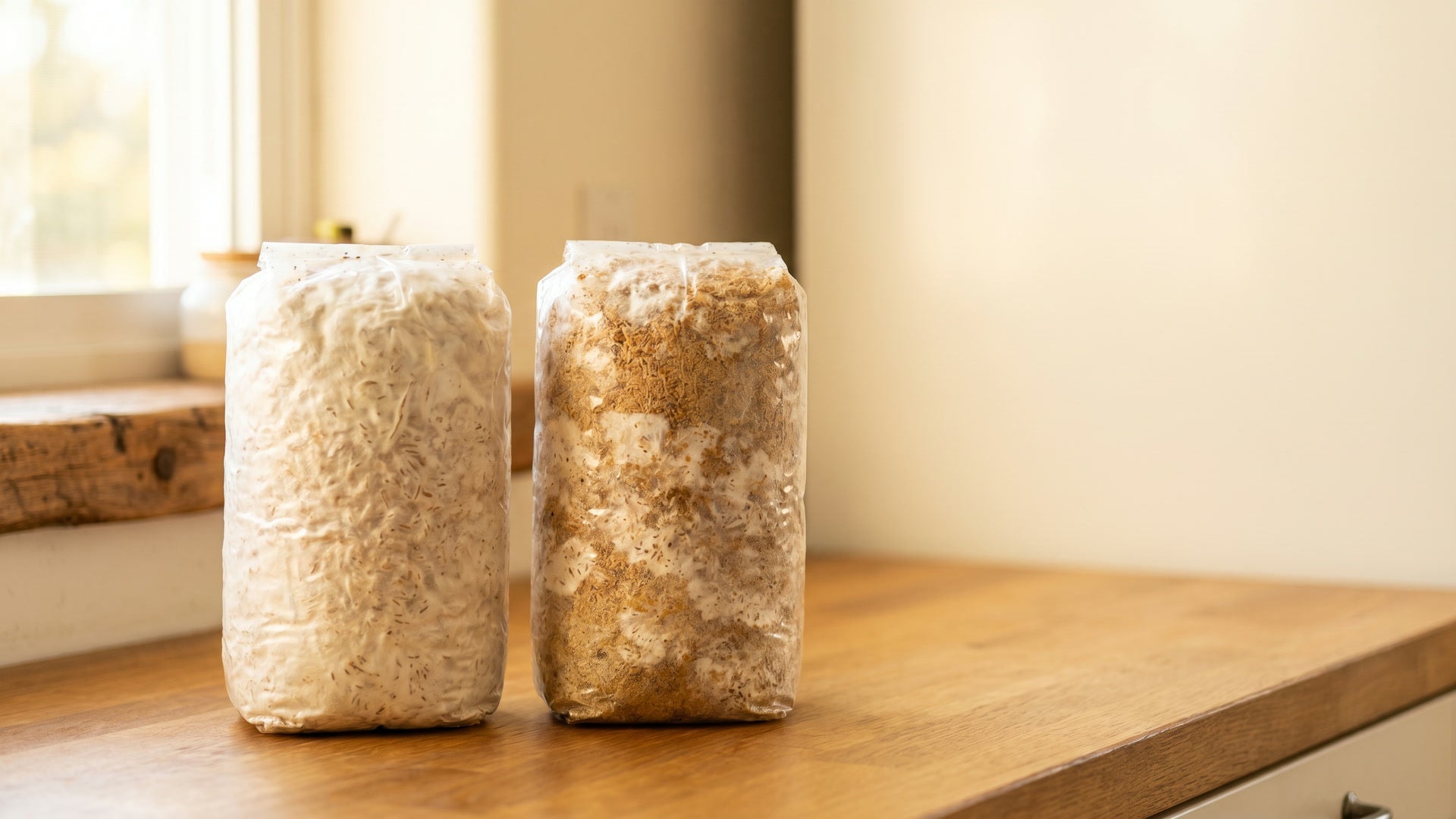
Choosing Your Growing Method Beginners should start with a mushroom grow kit for beginners that includes pre-colonized substrate blocks ready for fruiting. This approach eliminates the complexities of sterilization and inoculation while providing excellent results.
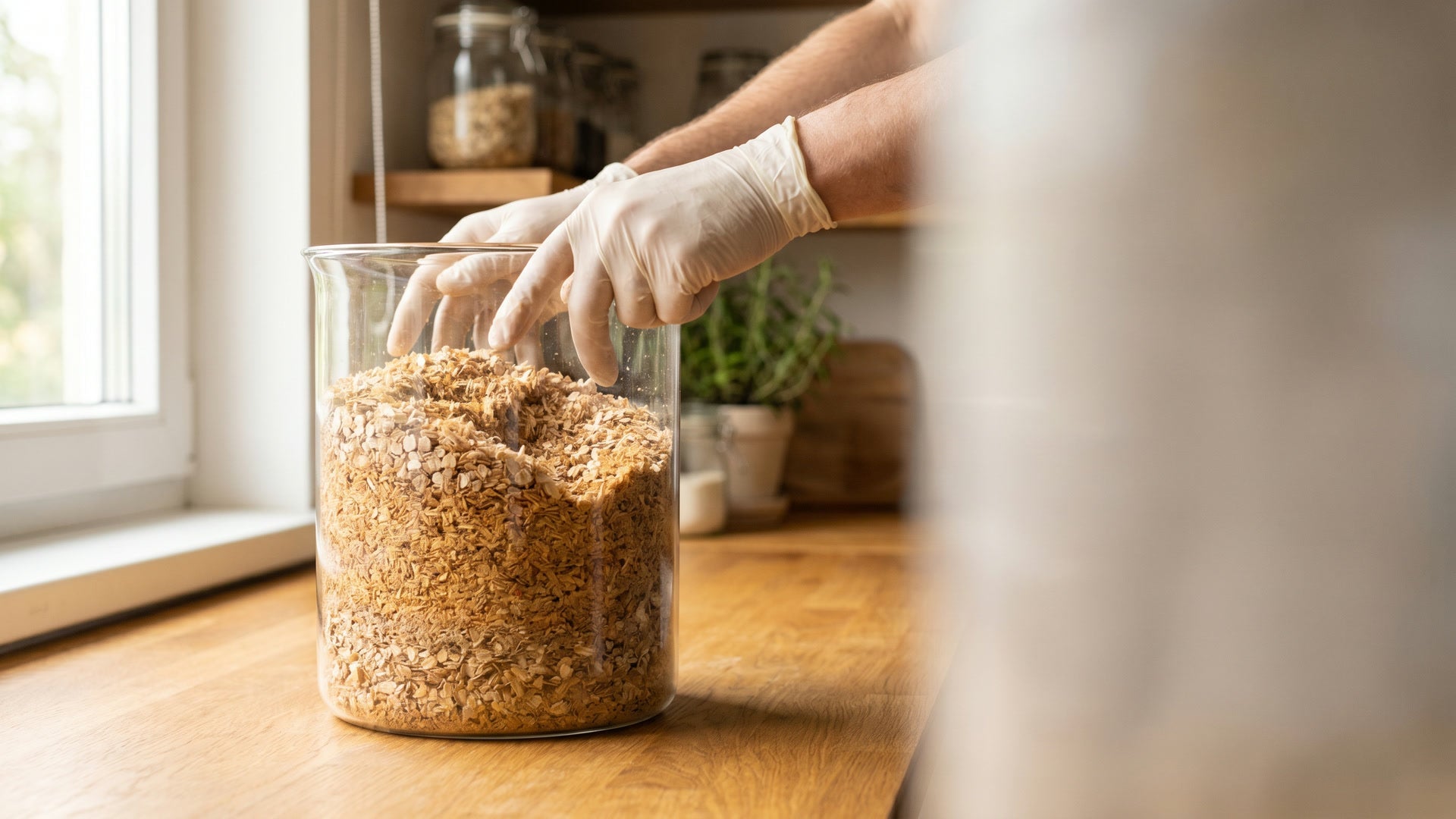
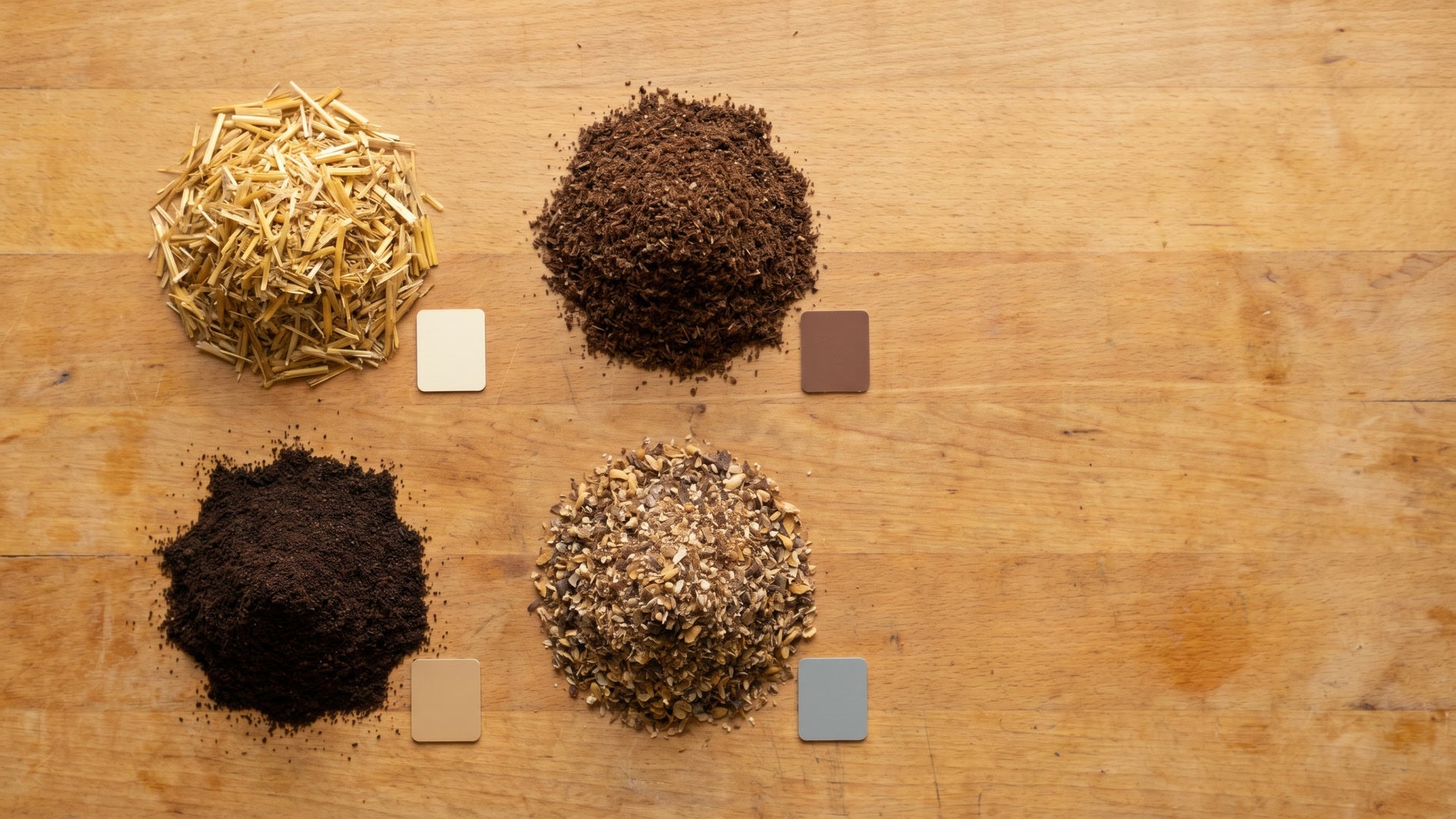
Advanced Growing Techniques Experienced growers can explore substrate preparation using supplemented hardwood sawdust, straw, or coffee grounds. Yellow oyster mushrooms adapt well to various substrates, though they particularly excel on hardwood-based materials.
Setting Up Your Growing Environment
Container Options Yellow oyster mushrooms can be grown in various containers, from simple plastic bags with holes to sophisticated growing chambers. The key is maintaining proper humidity while allowing adequate air exchange.
Monitoring and Maintenance Regular monitoring helps ensure optimal growing conditions. Check humidity levels daily, maintain proper air circulation, and watch for early signs of pinning (initial mushroom formation).
The Growing Timeline
Week 1-2: Initiation After placing your substrate in fruiting conditions, small pin-like mushroom formations typically appear within 5-10 days. Yellow oyster mushrooms often fruit more quickly than cooler-weather varieties.
Week 2-3: Development Pins rapidly develop into recognizable mushroom clusters. During this phase, maintaining consistent humidity and temperature becomes critical for optimal development.
Week 3-4: Harvest Yellow oyster mushrooms reach harvest size quickly, usually within 7-14 days of initial pinning. Harvest when caps are fully developed but still firm to the touch.
Harvesting and Post-Harvest Handling
Optimal Harvest Timing
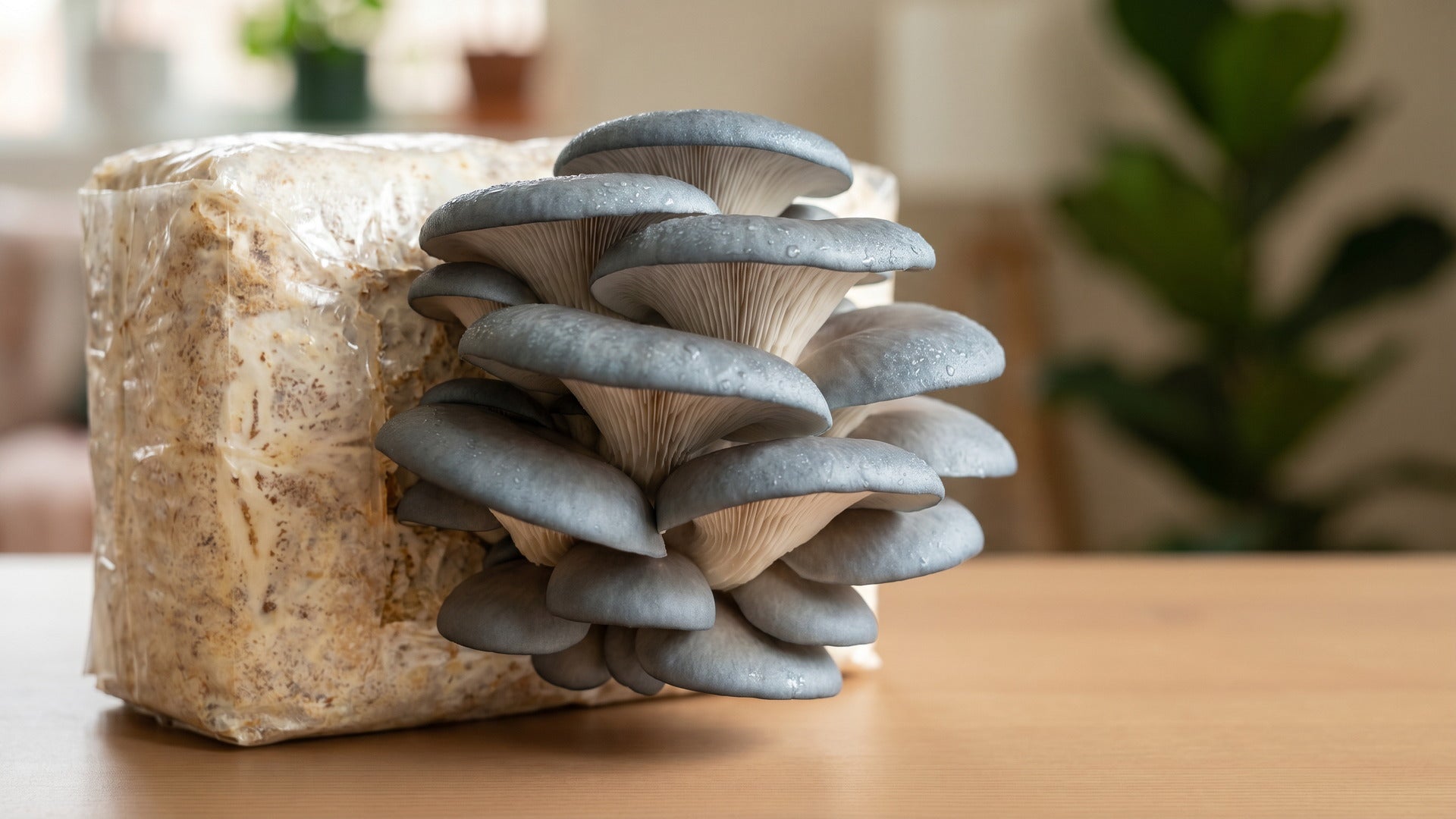
Visual Indicators Harvest yellow oyster mushrooms when the caps are fully expanded but before the edges begin to flatten completely. The golden color should be vibrant, and the caps should feel firm rather than soft or spongy.
Proper Harvesting Technique Cut clusters at the base using a sharp knife rather than pulling them from the substrate. This technique prevents damage to the substrate and encourages additional flushes.
Maximizing Yield Through Multiple Flushes
Rest Period Management After harvesting, allow the substrate to rest for 7-10 days while maintaining lower humidity. This rest period helps the mycelium recover and prepare for subsequent fruiting cycles.
Subsequent Flushes Most substrate blocks produce 2-3 flushes of yellow oyster mushrooms over 6-8 weeks. Later flushes may produce smaller individual mushrooms but often maintain excellent flavor and quality.

Culinary Applications and Cooking Techniques
Preparing Yellow Oyster Mushrooms
Cleaning and Storage Yellow oyster mushrooms require minimal cleaning, simply brush away any substrate debris with a soft brush or damp cloth. Store fresh mushrooms in paper bags in the refrigerator for up to one week.
Preservation Methods These mushrooms can be preserved through various methods including dehydrating, freezing after blanching, or pickling. Dehydrated yellow oyster mushrooms develop concentrated flavors excellent for broths and seasonings.
Cooking Applications
Sautéing and Stir-Frying The tender texture of yellow oyster mushrooms makes them perfect for quick cooking methods. Sauté in butter or oil until golden brown to enhance their nutty flavors.
Soups and Broths Yellow oyster mushrooms add beautiful color and complex umami flavors to soups and broths. Their delicate texture works particularly well in Asian-inspired dishes.
Roasting and Grilling Larger clusters can be roasted whole or grilled for a meatier texture. The golden color intensifies during cooking, creating visually stunning dishes.
Recipe Ideas and Flavor Pairings
Complementary Ingredients Yellow oyster mushrooms pair excellently with garlic, ginger, soy sauce, white wine, herbs like thyme and oregano, and citrus flavors that complement their natural citrus notes.
Vegetarian and Vegan Applications Their meaty texture makes yellow oyster mushrooms excellent meat substitutes in vegetarian dishes. They work particularly well in pasta dishes, risottos, and grain bowls.
Frequently Asked Questions About Yellow Oyster Mushrooms
How do yellow oyster mushrooms differ from other oyster varieties?
Yellow oyster mushrooms offer several distinct advantages over other oyster mushroom varieties. They prefer warmer growing temperatures (70-85°F vs. 55-75°F for pearl oysters), display vibrant golden coloration that adds visual appeal to dishes, and offer a more complex flavor profile with nutty and citrus undertones. However, they may have a slightly shorter shelf life than pearl oyster mushrooms, typically lasting 3-5 days versus 5-7 days for pearl varieties.
Can I grow yellow oyster mushrooms year-round indoors?
Yes, yellow oyster mushrooms excel in indoor cultivation throughout the year. Their preference for warmer temperatures actually makes them easier to grow indoors during cooler months when heating systems maintain ideal growing temperatures. The Lykyn Smart Mushroom Grow Kit automatically maintains optimal conditions regardless of external weather, allowing for consistent year-round production.
What nutritional benefits do yellow oyster mushrooms provide?
Yellow oyster mushrooms share similar nutritional profiles with other oyster varieties, providing high-quality protein, essential amino acids, B-vitamins (especially niacin and riboflavin), and minerals like potassium and phosphorus. They're low in calories and fat while offering beneficial compounds like beta-glucans that support immune function. The vibrant yellow color indicates the presence of carotenoids, which provide additional antioxidant benefits.
How quickly do yellow oyster mushrooms grow from pin to harvest?
Yellow oyster mushrooms are among the faster-growing oyster varieties, typically developing from pins to harvestable clusters in 7-14 days under optimal conditions. This rapid growth rate, combined with their warm temperature preference, makes them excellent choices for quick harvests. Proper humidity and air circulation can accelerate development, while suboptimal conditions may extend the timeline to 2-3 weeks.
Are yellow oyster mushrooms suitable for beginners?
Absolutely! Yellow oyster mushrooms are excellent for beginners due to their resilient growing characteristics, warm temperature tolerance, and rapid growth rate. They're more forgiving of minor environmental fluctuations than some gourmet varieties and provide quick, rewarding results that build confidence. Starting with a quality grow kit eliminates most potential problems while providing hands-on learning experience.
Key Takeaways for Yellow Oyster Mushroom Success
Yellow oyster mushrooms offer an ideal combination of visual beauty, growing ease, and culinary versatility that makes them perfect for both beginners and experienced cultivators. Their warm temperature preference and rapid growth rate provide advantages in many growing situations.
Successful cultivation requires maintaining temperatures between 70-85°F and humidity levels of 85-95% during fruiting. The Smart Mushroom Grow Chamber automates these environmental controls, making successful cultivation achievable for growers at any experience level.
These golden fungi provide excellent nutritional value while adding stunning visual appeal to culinary creations. Their complex nutty-citrus flavor profile opens up exciting possibilities for creative cooking applications.
Start Your Yellow Oyster Mushroom Growing Adventure Today
Don't miss the opportunity to experience the satisfaction of growing these beautiful, golden treasures in your own home. Yellow oyster mushrooms offer quick results, stunning visual appeal, and delicious harvests that will impress family and friends.
Explore the complete selection of mushroom growing solutions designed to make cultivation easy and successful. Whether you're interested in learning more about trumpet mushrooms (the king oyster variety) or discovering the world of edible mushrooms, proper growing equipment and techniques will ensure your success.
Transform your kitchen into a productive growing space and discover why yellow oyster mushrooms have become favorites among home cultivators worldwide. Your first golden harvest is just weeks away, and the satisfaction of growing your own gourmet mushrooms will inspire you to explore even more varieties in the fascinating world of fungi cultivation.
Share:
Mycelium Contamination: The Complete Guide to Prevention, Detection, and Recovery
Spore Syringe: The Complete Guide to Successful Mushroom Cultivation