


Spore syringes represent one of the most accessible and cost-effective entry points into the fascinating world of mushroom cultivation. Whether you're a curious beginner ready to start your first growing project or an experienced cultivator looking to expand your mushroom varieties, understanding how to properly use spore syringes is essential for consistent, successful harvests.
This comprehensive guide covers everything you need to know about spore syringes, from basic concepts and sterile technique to advanced inoculation methods and troubleshooting common problems. By mastering these techniques, you'll unlock the ability to grow a wide variety of mushroom species while building the foundation for more advanced cultivation methods.

Understanding Spore Syringes: The Foundation of Mushroom Growing
A spore syringe is a sterile syringe containing mushroom spores suspended in sterile water. These microscopic reproductive cells serve as the starting point for mushroom cultivation, containing all the genetic information needed to grow your chosen mushroom variety. When properly prepared and stored, spore syringes provide a convenient, long-lasting method for inoculating substrates and beginning the cultivation process.
What Makes Spore Syringes Special
Convenience and Accessibility Spore syringes offer tremendous convenience for home cultivators. Unlike other inoculation methods that require specialized equipment or advanced preparation, spore syringes can be used immediately with basic sterile technique. This accessibility makes them perfect for beginners who want to start growing without significant upfront investment in equipment.
Long-Term Viability Properly prepared spore syringes remain viable for 6-12 months when stored correctly, providing excellent value and flexibility for cultivation planning. This extended shelf life allows cultivators to purchase spores in advance and use them when conditions are optimal.
Versatile Applications Spore syringes can be used for multiple inoculation purposes, from creating agar cultures to directly inoculating sterilized substrates. This versatility makes them valuable tools throughout the cultivation process.
How Spore Syringes Compare to Other Methods
While liquid culture cultivation offers faster colonization times, spore syringes provide genetic diversity and reduced contamination risk for beginners. Unlike pre-made spawn or colonized substrates, spore syringes allow cultivators to experience the complete growing cycle from spore to harvest.
Sterile Technique: The Key to Spore Syringe Success
Proper sterile technique determines the difference between successful inoculation and contaminated cultures. Even the highest-quality spore syringes will fail if contamination is introduced during use. Mastering these techniques is essential for consistent results.
Essential Equipment for Sterile Work
Basic Sterilization Tools
- 70% isopropyl alcohol for surface and hand sterilization
- Lighter or alcohol lamp for flame sterilization
- Clean work surface in a low-air-movement area
- Sterile gloves or frequently cleaned hands
- Paper towels for cleaning and alcohol application
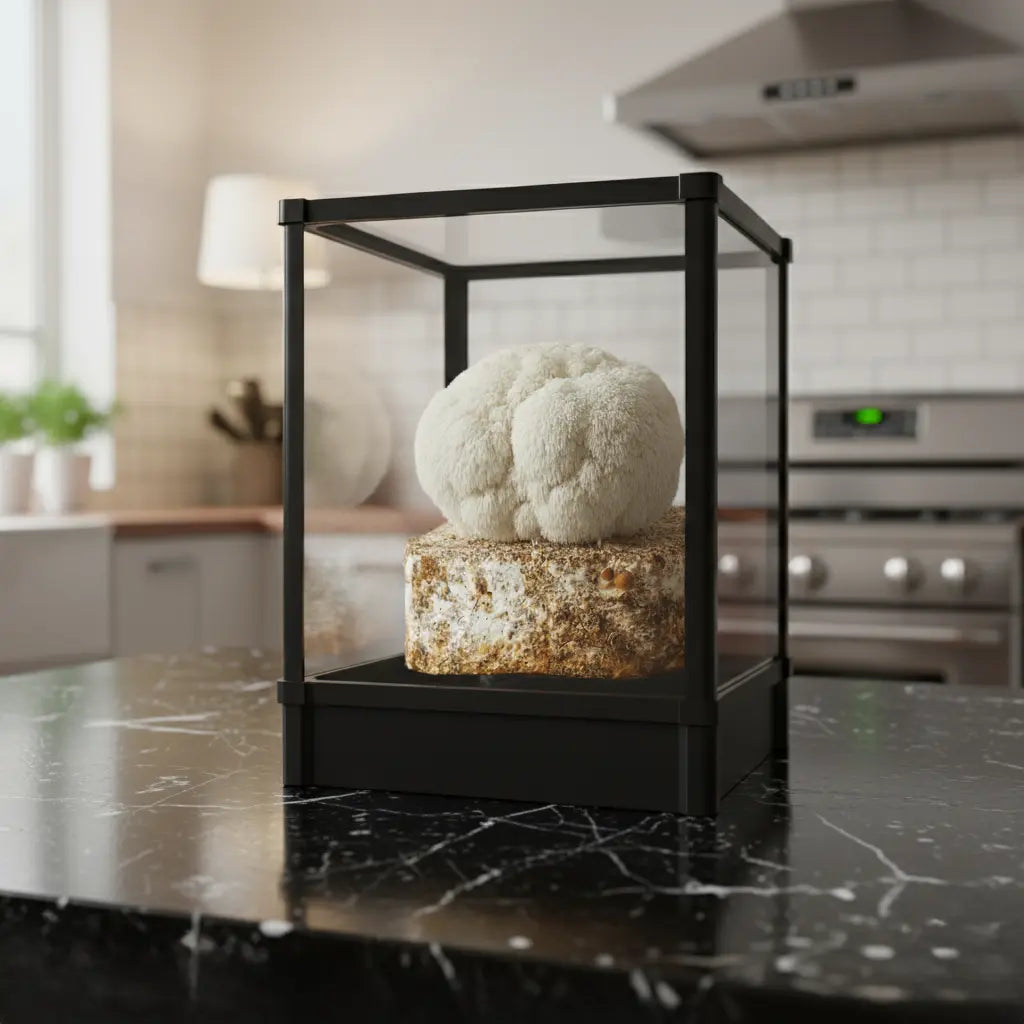
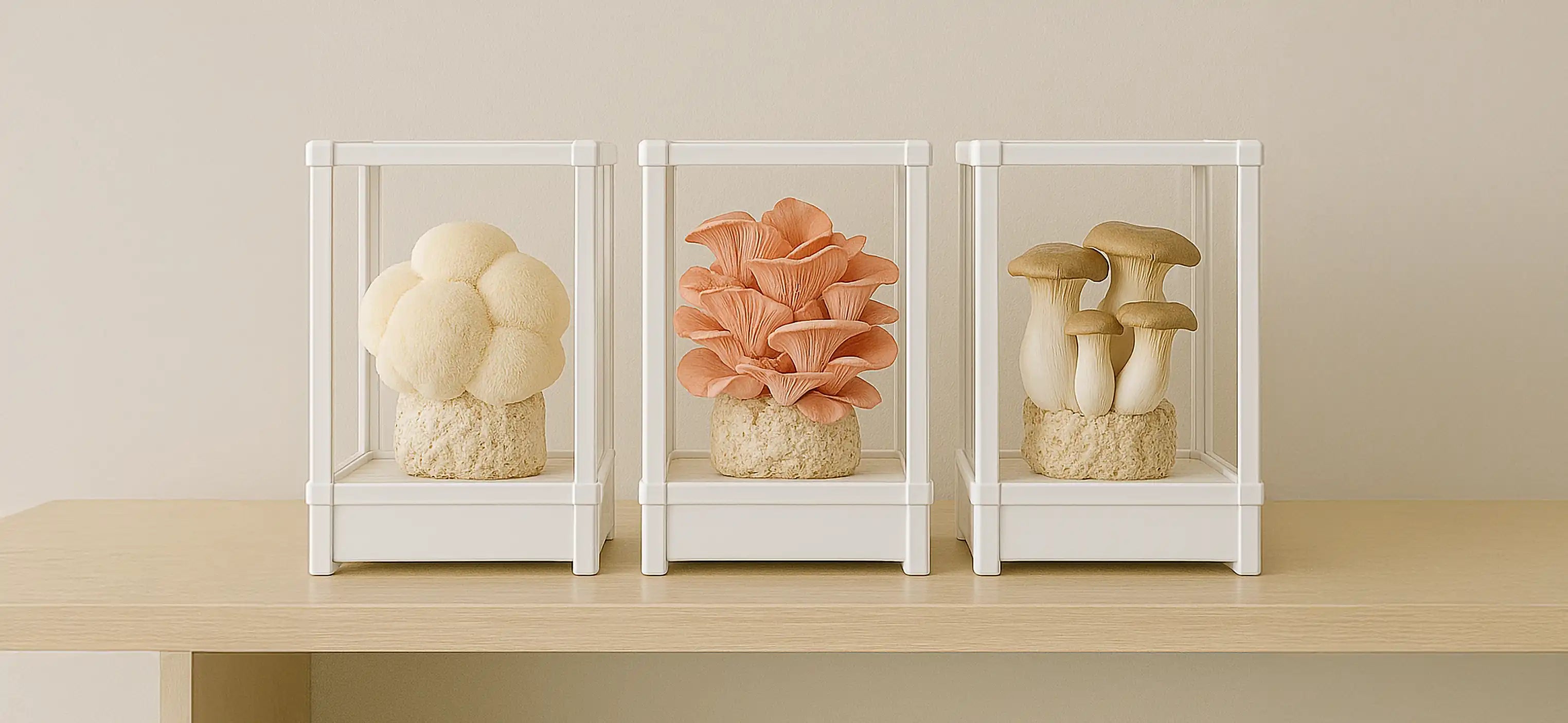
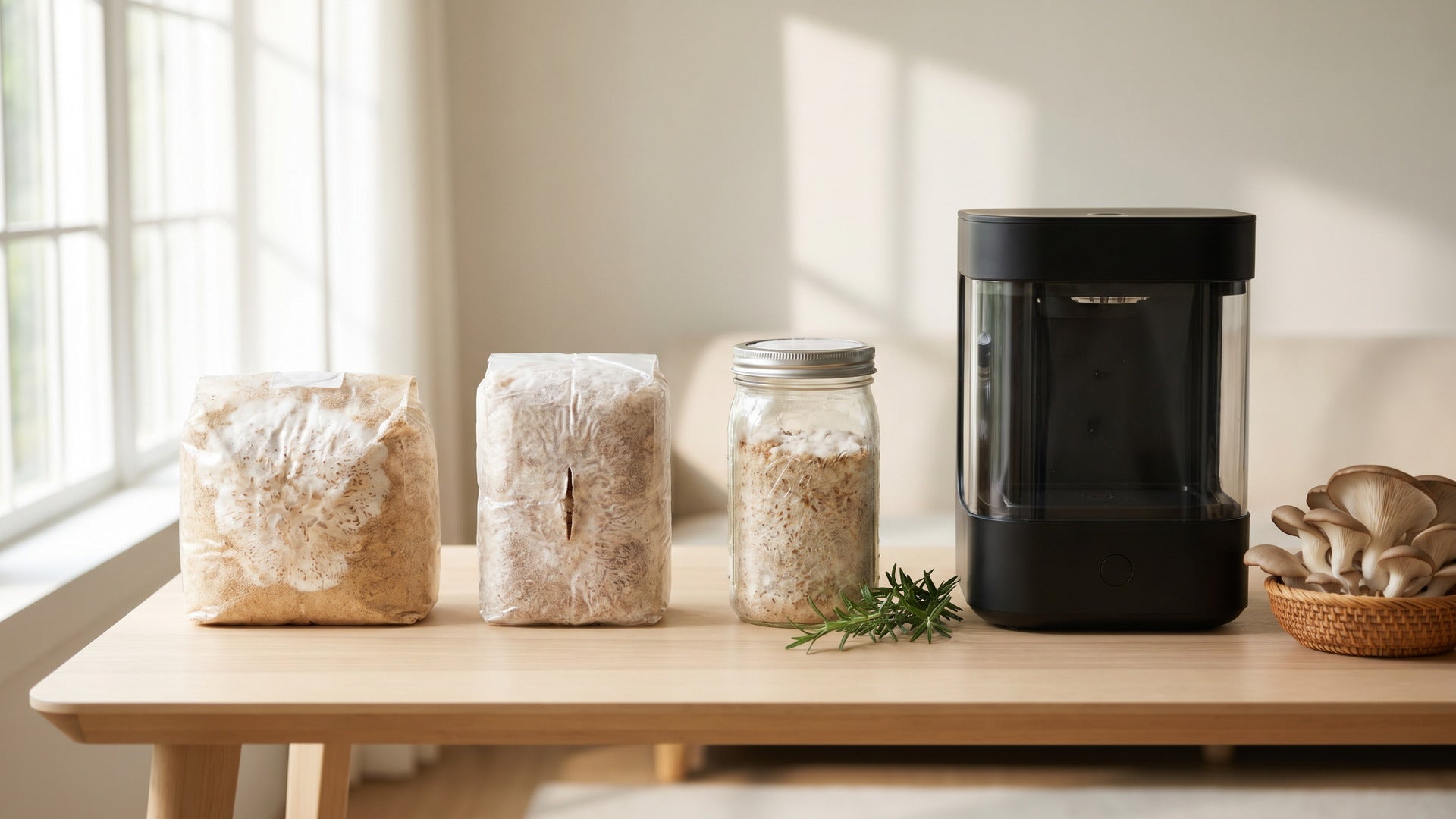
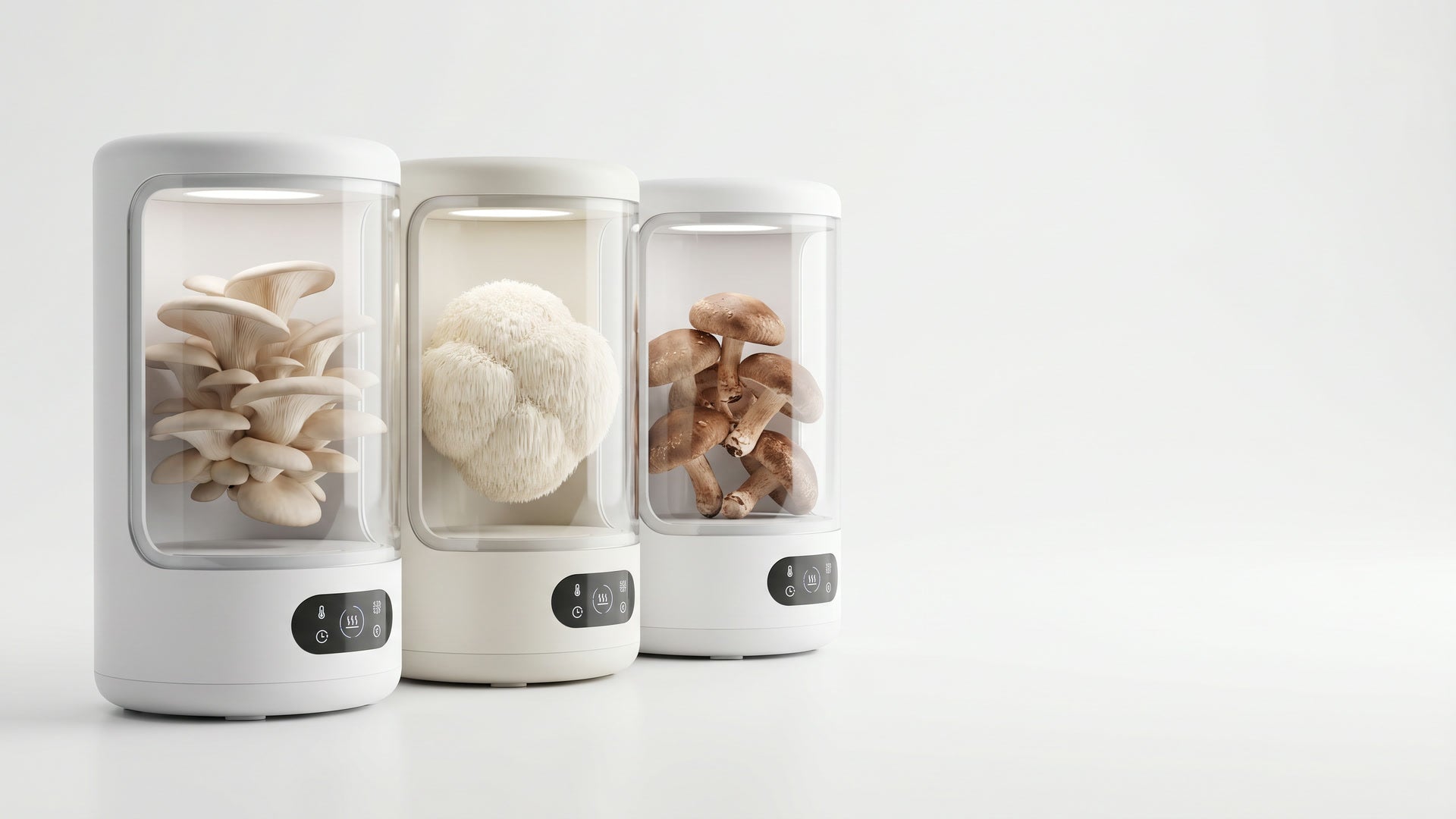
Advanced Clean Work Options For more reliable results, consider working in a still air box (SAB) or investing in a laminar flow hood. The Smart Mushroom Grow Chamber includes built-in filtration that creates cleaner air conditions, reducing contamination risks during inoculation.
Step-by-Step Sterile Technique Protocol
Workspace Preparation Clean your entire work area with 70% isopropyl alcohol, including all surfaces, tools, and containers. Work in an area with minimal air movement, avoid working near heating vents, fans, or open windows. The goal is to minimize airborne contaminants that could enter your inoculation sites.
Hand and Tool Sterilization Wash hands thoroughly with soap, then apply 70% isopropyl alcohol. Flame sterilize any metal tools until red-hot, then allow them to cool before use. Re-sterilize tools between different inoculation points to prevent cross-contamination.
Syringe Handling Remove the syringe cap only when ready to use, and flame sterilize the needle until red-hot before each inoculation. Never touch the sterile needle or allow it to contact non-sterile surfaces.

Inoculation Methods and Best Practices
Different substrates and cultivation methods require specific inoculation approaches. Understanding these variations ensures optimal spore distribution and colonization success.
Agar Plate Inoculation
Preparing Agar Plates Agar plates provide the most controlled environment for spore germination and initial mycelium development. Use malt extract agar (MEA) or potato dextrose agar (PDA) prepared according to standard formulations.
Inoculation Technique Flame sterilize the syringe needle, allow it to cool briefly, then deposit 2-3 drops of spore solution onto different areas of the agar surface. Work quickly to minimize exposure time, and immediately replace the lid after inoculation.
Monitoring Development Spore germination typically begins within 3-7 days, appearing as small white patches that gradually expand. This method allows for contamination detection and clean culture isolation before proceeding to larger substrates.
Direct Substrate Inoculation
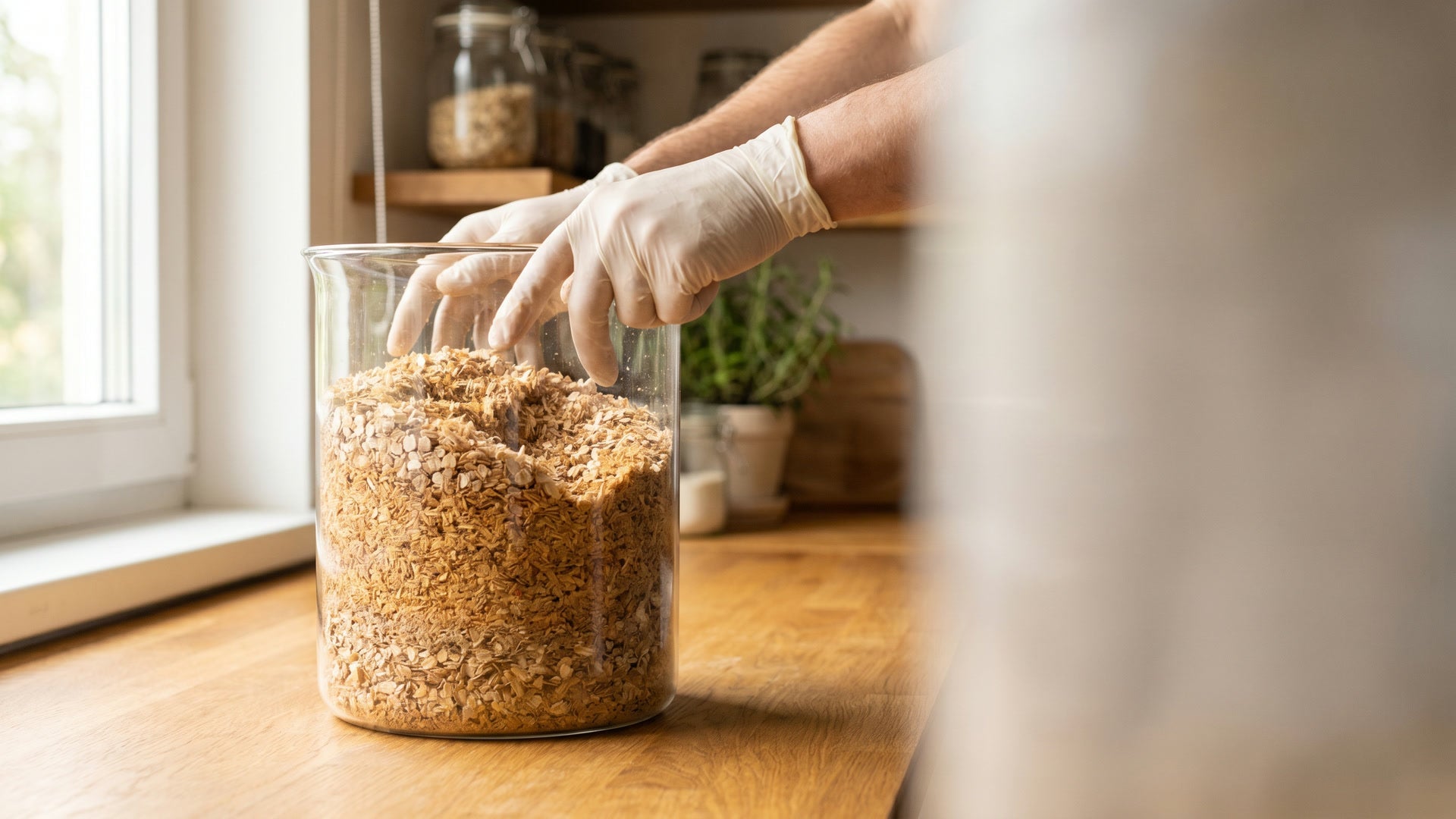
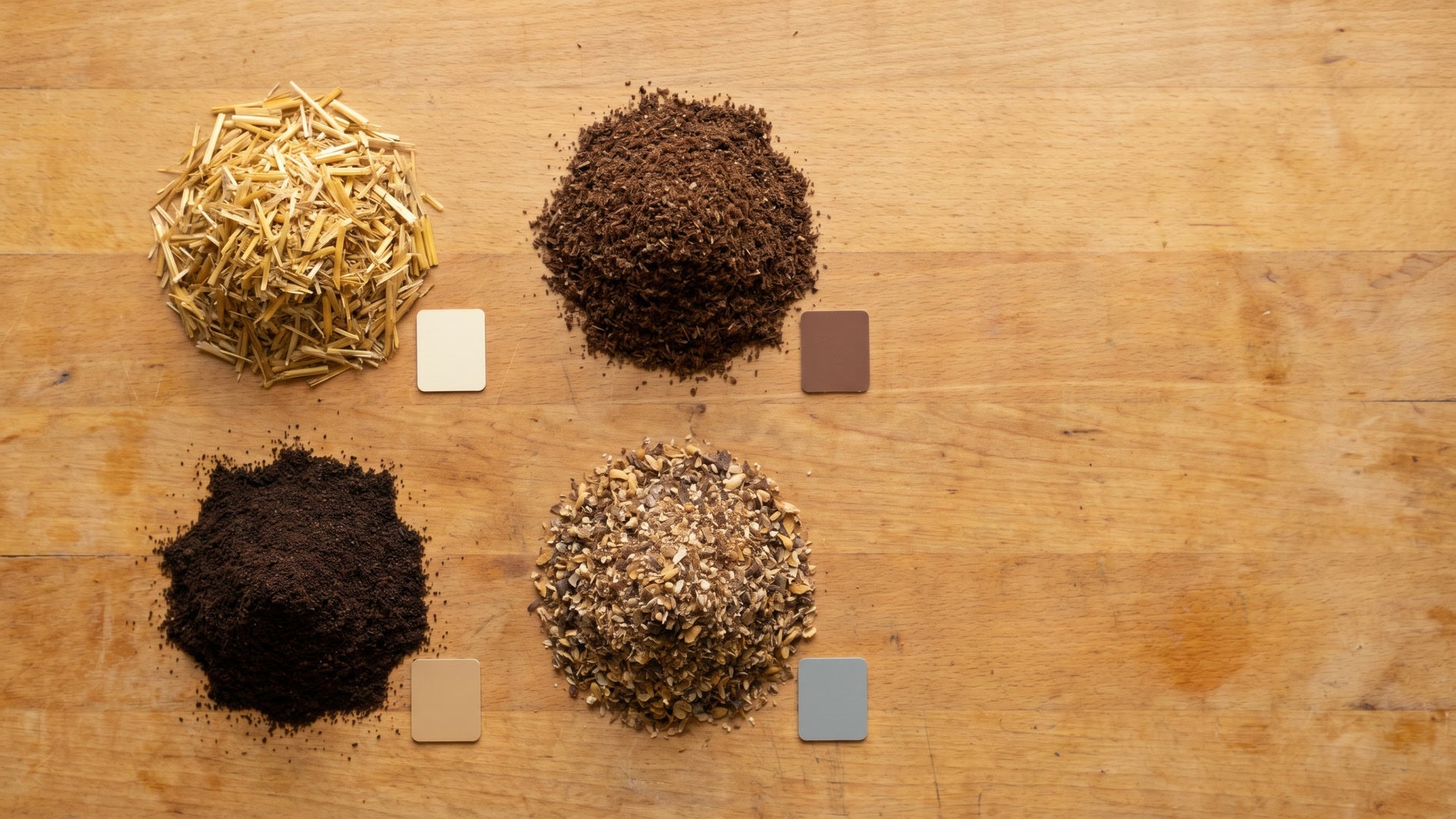
Grain Spawn Preparation For direct grain inoculation, prepare sterilized grain substrates (typically rye, wheat, or millet) in appropriate containers. The mushroom growing guides on Lykyn provide detailed substrate preparation instructions for various mushroom types.
Injection Points and Volume Create 4-6 injection points per quart of substrate, using approximately 1-2ml of spore solution per injection site. Distribute injection points evenly throughout the substrate to ensure uniform colonization.
Post-Inoculation Care After inoculation, maintain appropriate temperatures for your chosen mushroom variety and monitor for contamination signs. Most grain substrates colonize within 2-4 weeks when inoculated with spore syringes.
Liquid Culture Inoculation
Creating Mother Cultures Spore syringes can be used to inoculate liquid culture media, creating mother cultures for future propagation. This method combines the genetic diversity of spores with the rapid multiplication advantages of liquid culture.
Media Preparation Use standard liquid culture formulations as detailed in the Lion's Mane liquid culture guide. The principles apply to most mushroom varieties with minor modifications for species-specific requirements.
Storage and Maintenance of Spore Syringes
Proper storage significantly extends spore viability and maintains contamination-free solutions. Following these guidelines ensures your spore syringes remain effective for months.
Optimal Storage Conditions
Temperature Control Store spore syringes in a refrigerator at 35-40°F (2-4°C). Avoid freezing, which can damage spore viability. Room temperature storage dramatically reduces shelf life and increases contamination risk.
Light Protection Keep syringes in dark conditions or wrap them in aluminum foil to prevent light exposure, which can degrade spore viability over time.
Contamination Prevention Store syringes in a clean, dry environment away from potential contamination sources. Consider placing them in sealed containers with desiccant packets to control moisture.
Monitoring Spore Viability
Visual Inspection Healthy spore solutions should appear clear to slightly cloudy with visible spore clumps when shaken. Any unusual colors, strong odors, or obvious contamination signs indicate compromised syringes that should be discarded.
Testing Viability Test older syringes on agar plates before using them for important projects. Germination rates may decrease over time, but viable spores often remain active for 8-12 months under proper storage conditions.
Troubleshooting Common Spore Syringe Problems
Even experienced cultivators encounter challenges when working with spore syringes. Understanding these common issues and their solutions helps maintain high success rates.
Contamination Issues
Identifying Contamination Sources Contamination typically results from poor sterile technique, compromised syringes, or contaminated substrates. The symptoms often appear as unusual colors, off-odors, or abnormal growth patterns in inoculated materials.
Prevention Strategies Implement rigorous sterile technique, verify syringe quality before use, and ensure complete substrate sterilization. The contamination prevention techniques used in advanced cultivation methods apply equally to spore syringe work.
Poor Germination Rates
Environmental Factors Suboptimal temperature, humidity, or substrate conditions can significantly impact spore germination. Each mushroom variety has specific requirements that must be met for successful cultivation.
Spore Quality Issues Old or improperly stored spores may show reduced viability. Using fresh, properly stored syringes from reputable suppliers increases success rates significantly.
Uneven Colonization
Distribution Problems Inadequate mixing of spore solutions or poor injection point distribution can result in uneven colonization. Proper agitation before use and strategic inoculation point placement resolve most distribution issues.
Substrate Preparation Inconsistent substrate moisture, nutrition, or sterilization can create areas that resist colonization. Following proven substrate preparation protocols ensures uniform conditions throughout the growing medium.
Frequently Asked Questions About Spore Syringes
How long do spore syringes remain viable for cultivation?
Properly prepared and stored spore syringes typically remain viable for 6-12 months when refrigerated at 35-40°F (2-4°C). Some high-quality syringes may retain viability for up to 2 years, though germination rates may gradually decrease over time. Always test older syringes on agar plates before using them for important projects to verify their effectiveness.
Can I make my own spore syringes from fresh mushrooms?
Yes, you can create spore syringes from mature mushrooms using spore prints, though this requires careful sterile technique and proper equipment. The process involves collecting spores from mushroom caps, creating sterile water solutions, and drawing the mixture into sterile syringes. However, beginners often achieve better results purchasing professionally prepared syringes until they develop advanced sterile working skills.
What's the difference between spore syringes and liquid culture syringes?
Spore syringes contain dormant spores suspended in sterile water, while liquid culture syringes contain actively growing mycelium in nutrient solutions. Liquid culture methods provide faster colonization but require more advanced preparation and sterile technique. Spore syringes offer genetic diversity and longer storage life, making them ideal for beginners and genetic preservation.
How much spore solution should I use per inoculation point?
Use approximately 0.5-1ml of spore solution per inoculation point for most substrates. Larger containers may require slightly more, while smaller substrates need less. Over-inoculation can create excessive moisture that encourages bacterial contamination, while under-inoculation may result in slow or uneven colonization. Most cultivators use 4-6 inoculation points per quart of substrate.
Can spore syringes be used with the Smart Mushroom Grow Chamber?
Absolutely! While the Smart Mushroom Grow Chamber is typically used with pre-colonized substrates or mushroom grow kits, you can use spore syringes to create your own colonized blocks first, then transfer them to the chamber for fruiting. The chamber's built-in filtration and environmental controls create ideal conditions for the fruiting stage of cultivation.
Key Takeaways for Spore Syringe Success
Spore syringes provide an accessible, cost-effective entry point into mushroom cultivation that offers genetic diversity and long-term storage advantages. Success depends on mastering proper sterile technique, understanding inoculation methods, and maintaining optimal storage conditions.
The most critical factor for success is rigorous contamination prevention through proper sterile technique and clean working conditions. Investment in basic sterilization equipment and careful attention to detail during inoculation dramatically improves success rates.
Proper storage in refrigerated conditions extends spore viability and maintains culture quality for months, providing excellent value and cultivation flexibility for home growers.
Begin Your Mushroom Growing Journey with Confidence
Ready to start your mushroom cultivation adventure? Spore syringes offer the perfect starting point for exploring the fascinating world of fungi growing. Whether you're interested in beginner-friendly mushroom growing or advancing to more sophisticated techniques, mastering spore syringe use builds essential skills for cultivation success.
Explore the complete selection of mushroom growing equipment designed to support successful cultivation from inoculation to harvest. The Smart Mushroom Grow Chamber provides optimal fruiting conditions once your spore-inoculated substrates are ready, eliminating guesswork and ensuring consistent results.
Connect with the broader mushroom growing community by exploring guides for specific varieties like Lion's Mane cultivation and oyster mushroom growing. Each variety offers unique challenges and rewards that expand your cultivation skills and deepen your appreciation for the incredible diversity of the fungal kingdom.
Start your spore syringe journey today and discover the satisfaction of growing gourmet mushrooms from the very beginning of their life cycle.
Share:
Yellow Oyster Mushroom: The Complete Guide to Growing, Cooking, and Enjoying This Golden Treasure
Mushroom Grow Bag Yield: The Complete Beginner's Guide to Home Mushroom Growing