


To make reishi tea, simmer one or two slices of dried reishi mushroom (or one to two teaspoons of reishi powder) in three to four cups of water for 30 to 60 minutes, then strain and drink. The longer the simmer, the more of the active compounds (beta-glucans, triterpenes) end up in the cup. Reishi has a naturally bitter, woody flavor, so most people brew it with ginger, citrus peel, or honey to soften the taste.
Below is the practical recipe, the science behind why reishi gets brewed this way (instead of steeped like green tea), and what you should and shouldn't expect from drinking it.
Why reishi tea is brewed, not steeped
Most teas (green, black, oolong, herbal) are steeped: hot water poured over the leaves, infused for a few minutes, strained, and consumed. Reishi doesn't work that way.
Reishi (Ganoderma lucidum, also called lingzhi) is a hard, woody polypore mushroom. Its bioactive compounds are locked inside dense chitin cell walls and require sustained heat to extract. The two main classes of compounds, beta-glucans (water-soluble) and triterpenes (oil-soluble), come out at different rates and different temperatures.
A 30-minute simmer extracts most of the water-soluble compounds. A 60-minute simmer pulls more triterpenes. Traditional Chinese medicine practices often double-extract reishi, simmering it in water for several hours and then soaking the marc in alcohol for the lipid-soluble compounds. For tea purposes, a 30 to 60 minute simmer is sufficient.
What you need
One or two slices of dried reishi (sometimes sold as "reishi chips" or "reishi slices"), or one to two teaspoons of reishi powder, three to four cups of filtered water, a small saucepan, a fine-mesh strainer or coffee filter, and optional flavorings: fresh ginger, a strip of orange peel, a pinch of cinnamon, or honey to taste.
Reishi is sold in several forms: whole slices (most traditional, longest shelf life), broken pieces or "shavings," powder (faster extraction but harder to strain), and dual-extract tinctures (already extracted, just add a dropperful to hot water). All work. Slices give you the most control and the cleanest cup.
The base recipe
Add the reishi slices to a small saucepan with the water. Bring to a low boil over medium heat, then reduce to a gentle simmer. Cover partially (a fully covered pot can boil over).
Simmer for at least 30 minutes. For deeper extraction and stronger flavor, simmer for 60 minutes. You can simmer longer (up to two hours) for the most concentrated tea, though the flavor becomes intensely bitter and woody.
Strain through a fine-mesh strainer or coffee filter into a teapot or directly into mugs. The liquid should be a deep amber to dark brown color. The deeper the color, the longer it was simmered.
You can reuse the same slices once or twice for additional brews. Each subsequent brew will be progressively weaker but still flavorful.
Flavoring options
Reishi tea on its own tastes bitter, slightly mushroomy, and noticeably woody. This is a real acquired taste. Most people find it more pleasant with one or more of these additions:
Fresh ginger (one or two slices added in the last 15 minutes of simmering) gives a warming, slightly spicy quality that softens the bitterness.
Citrus peel (a strip of orange or lemon zest in the last 10 minutes) brightens the flavor and adds aromatic complexity.
Cinnamon stick (one stick simmered with the reishi from the start) makes the tea taste more like chai and pairs well with honey.
Goji berries (a tablespoon added in the last 15 minutes) provide natural sweetness and complement the woody notes.
Honey or maple syrup, added after straining, balances the bitterness. Start with a teaspoon and adjust.
A reishi latte (also called "shroom latte") is made by frothing the brewed tea with warm milk or oat milk and a small amount of honey. The cream and sweetness make the flavor much more approachable for first-time drinkers.
The traditional Chinese decoction approach
Traditional preparations often use larger amounts of reishi (a full ounce of slices, or about 30 grams) decocted in a quart of water for two to three hours. The result is a strong, medicinal-tasting tea consumed as a daily tonic.
For home use, the smaller-quantity 30 to 60 minute simmer is more practical and produces a tea that's still meaningfully extracted. If you want to do a traditional decoction occasionally, you can. The longer cook produces noticeably more concentration and noticeably more bitterness.

Fuel Your Mushroom Journey
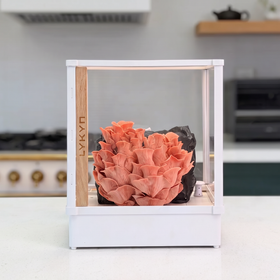
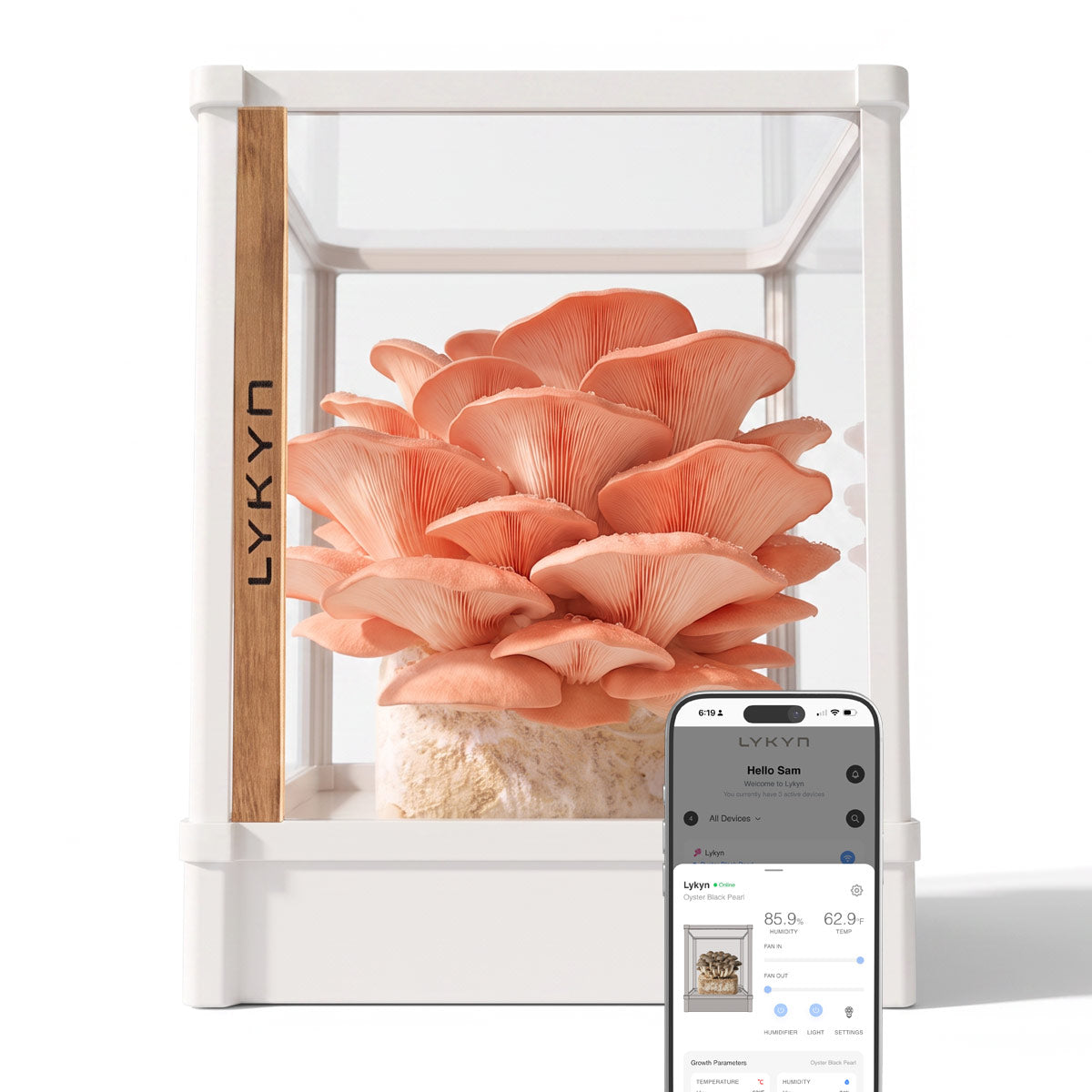
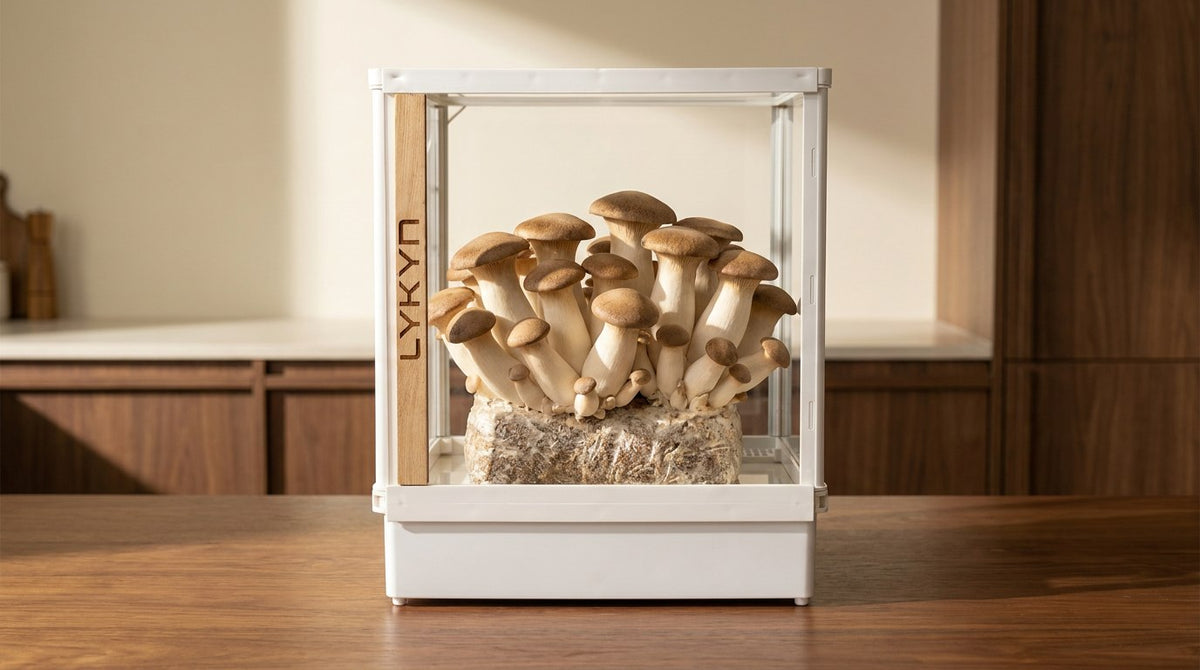
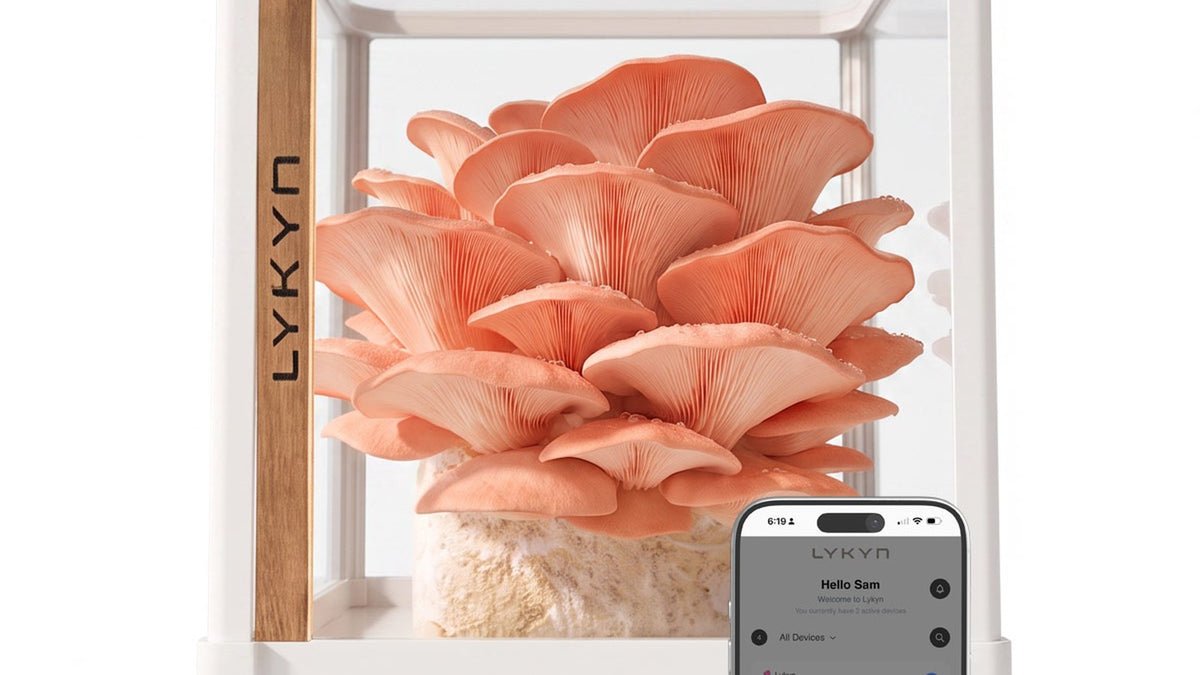
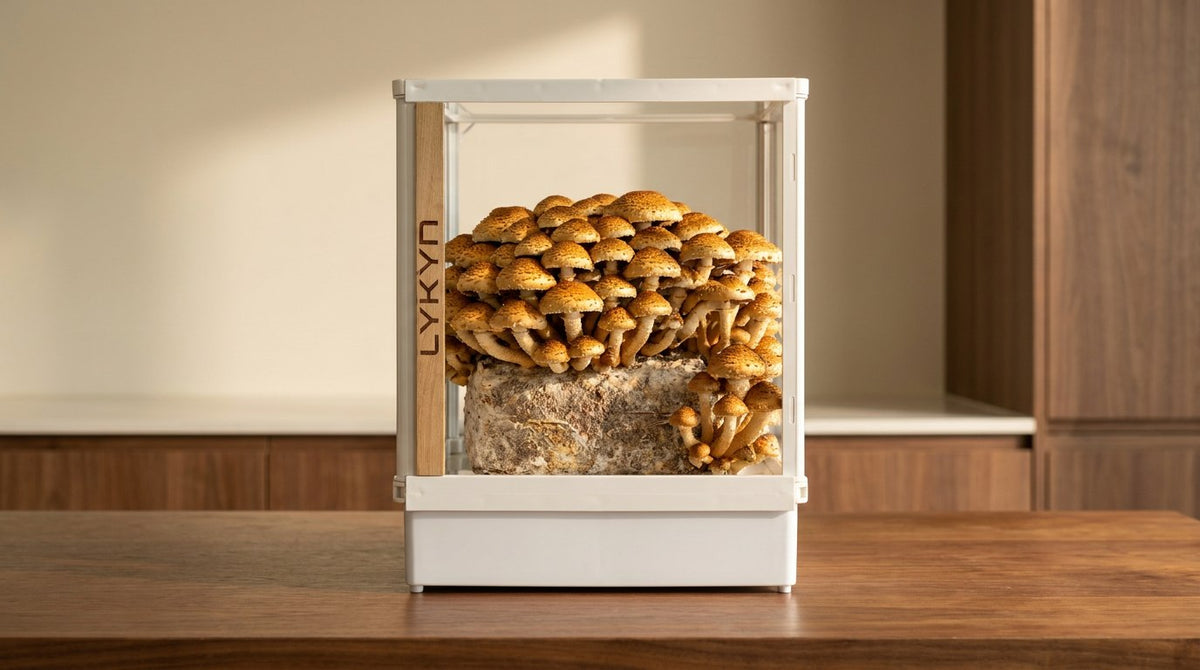
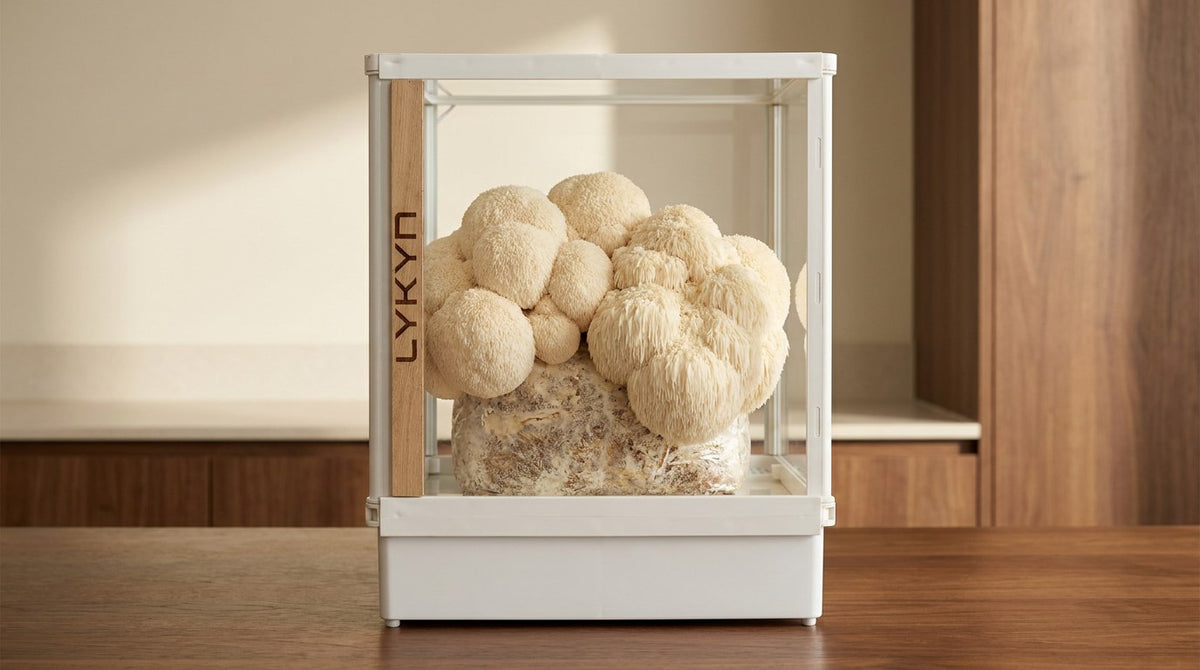
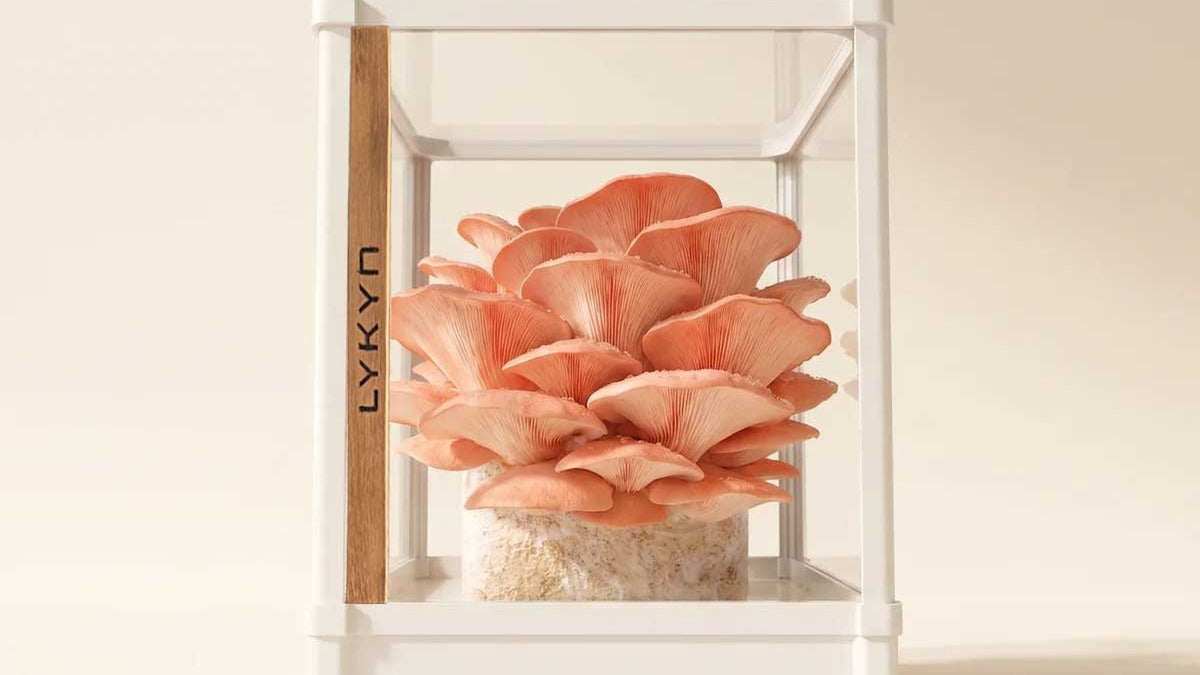
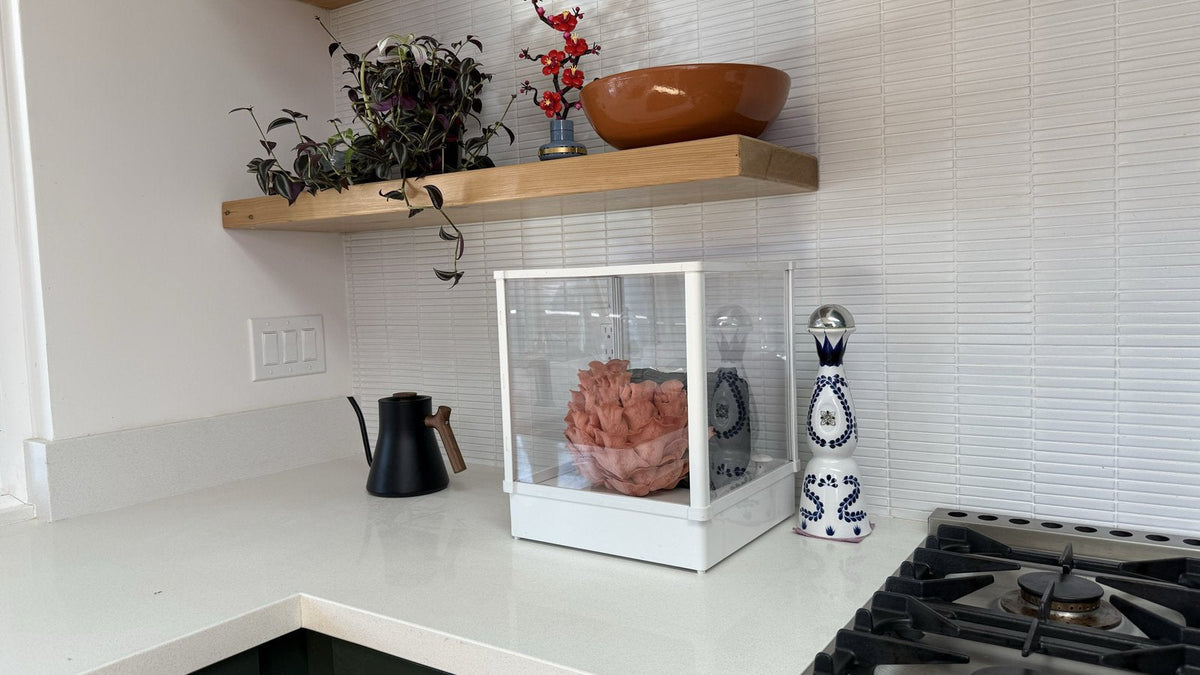
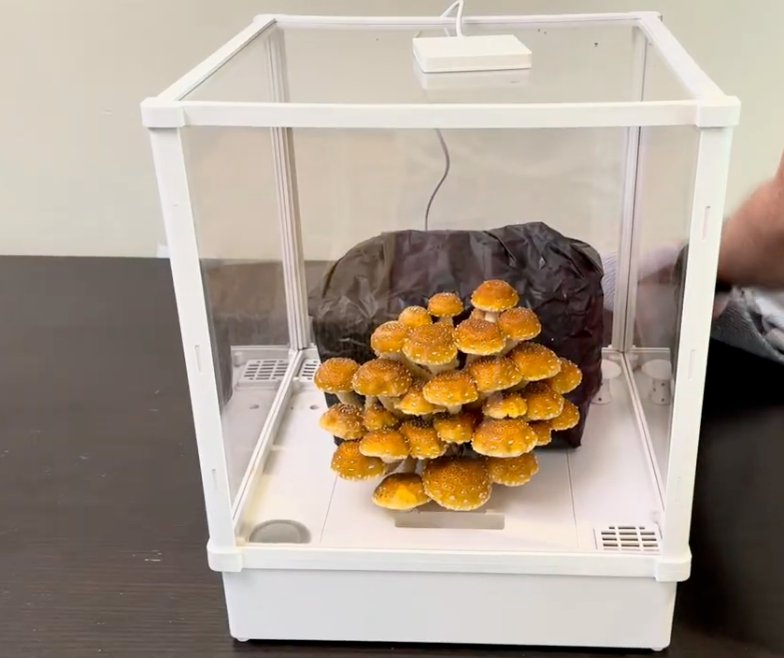
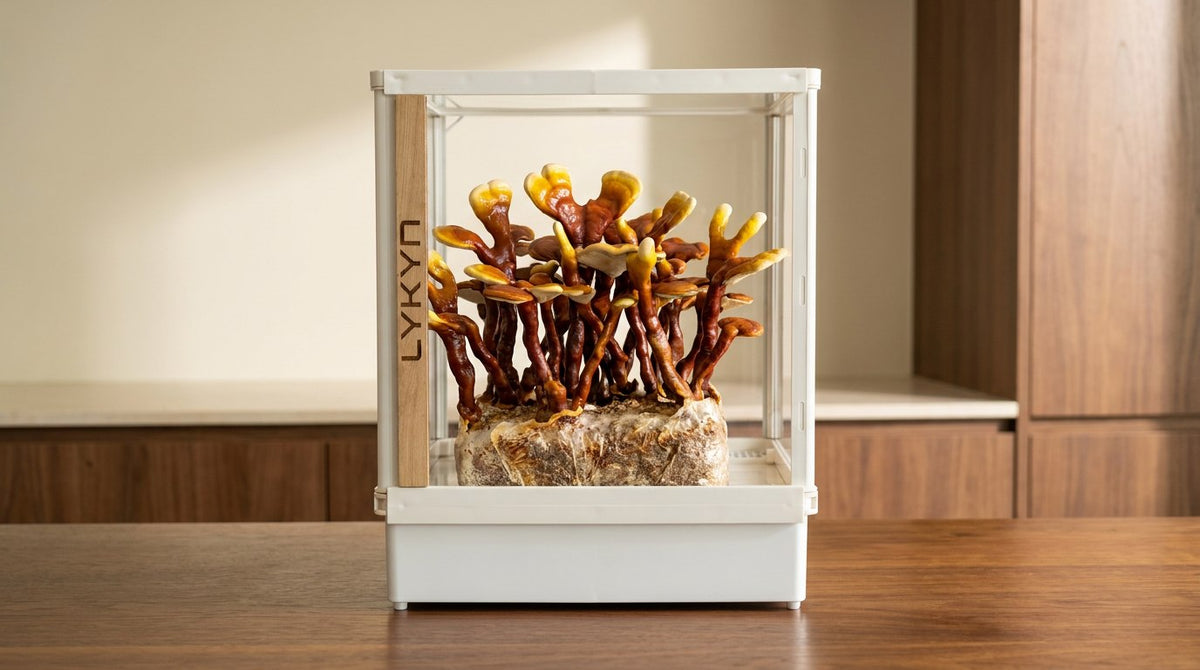
Smart Mushroom Grow Chamber
Plug-and-play smart chamber with humidity, light, and airflow dialed in for every species. Beginners harvest their first flush in days, not months.
Add to cart $299What reishi tea actually does
Reishi has been studied for several effects, though clinical evidence in humans is still developing. The most well-documented uses are immune modulation, stress and sleep support, and adaptogenic effects (helping the body respond to stress).
The compounds with the most research are beta-glucans (a class of polysaccharides that interact with the immune system) and triterpenes (which include ganoderic acids, the source of reishi's bitter taste). Both classes have shown effects in laboratory and animal studies. Human clinical trials are smaller and less conclusive than for some other functional mushrooms.
What reishi tea is not: an instant energy drink, a sleep aid that knocks you out, or a replacement for medical treatment of any condition. It's a traditional tonic that supports the body's regulatory systems over time, more like building a habit than taking a medication.
If you have any medical condition, take prescription medications, or are pregnant or nursing, talk to your doctor before adding reishi to your routine. Reishi can interact with blood-thinning medications and immunosuppressants.
How often and when to drink it
Most traditional and modern guidance suggests one to two cups per day for general wellness support. Some practitioners recommend drinking reishi tea in the evening because it has a calming rather than stimulating effect (it's not caffeinated). Others drink it in the morning as a tonic. Personal preference and how your body responds should guide the timing.
Effects from reishi tend to build up over weeks of consistent use, not minutes. If you're trying it for stress or sleep support, give it three to four weeks of daily use before evaluating whether it's helping.
Sourcing quality reishi
The quality of dried reishi varies enormously. Look for products that specify Ganoderma lucidum (or Ganoderma lingzhi), are sourced from reputable suppliers, and clearly state whether they're whole fruiting body or mycelium. Whole fruiting body is the traditional preparation and contains the highest concentration of active compounds.
Avoid products that are mostly mycelium on grain (often labeled with vague terms like "reishi mycelium biomass" without specifying the actual mushroom content). These have lower concentrations of the bioactive compounds.
Growing your own reishi at home is another option. Reishi cultivates from the same general processes as gourmet mushrooms, though the long fruiting cycle (six months from substrate to harvest) makes it a longer commitment than oyster mushrooms or Lion's Mane. Our mushroom grow kits focus on the species best suited to beginner home cultivation.
Storage notes
Dried reishi slices keep for one to two years in an airtight container in a cool, dark place. Reishi powder degrades faster (oxidation), so use it within six months for best quality.
Brewed reishi tea keeps in the fridge for three to four days. You can make a larger batch (a full quart) and refrigerate, then warm individual cups as needed. The flavor doesn't change significantly with refrigeration.
Fuel Your Mushroom Journey

Smart Chamber. Bone White Single
- 2.8L tank, 90% humidity automatic
- App-controlled, plug-and-play
- 6 lb block ceiling, in stock

Smart Chamber. Obsidian Black Single
- Same hardware as Bone White
- Matte black premium finish
- Pairs with any kitchen palette
Share:
How to Use North Spore Blocks in Your Lykyn Grow Box (2026 Guide)
How to Use North Spore Blocks in Your Lykyn Grow Box (2026 Guide)