


Kurze Antwort: Ein brauner Pilz ist nicht automatisch ein schlechter Pilz. Es gibt drei Gründe, warum ein Pilz braun wird, und nur einer davon bedeutet, dass er in den Müll gehört. Bräunung durch natürliche Oxidation ist unbedenklich. Bräunung durch Stress bedeutet, dass Ihr Pilz lebt, aber unglücklich ist und behoben werden muss. Bräunung durch Verderb oder Kontamination bedeutet, dass er verdorben ist. Im Folgenden erfahren Sie, wie Sie in 30 Sekunden erkennen, welche Kategorie zutrifft, sowie artspezifische Ratschläge für Löwenmähne, Shiitake, Austernpilze und weiße Champignons.

Die 3 Gründe, warum Pilze braun werden (Schnelldiagnose)
Bevor Sie etwas wegwerfen, sehen Sie sich den Pilz an und gehen Sie diese Liste durch. Die Ursache fällt fast immer in eine von drei Kategorien.

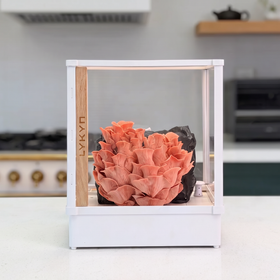
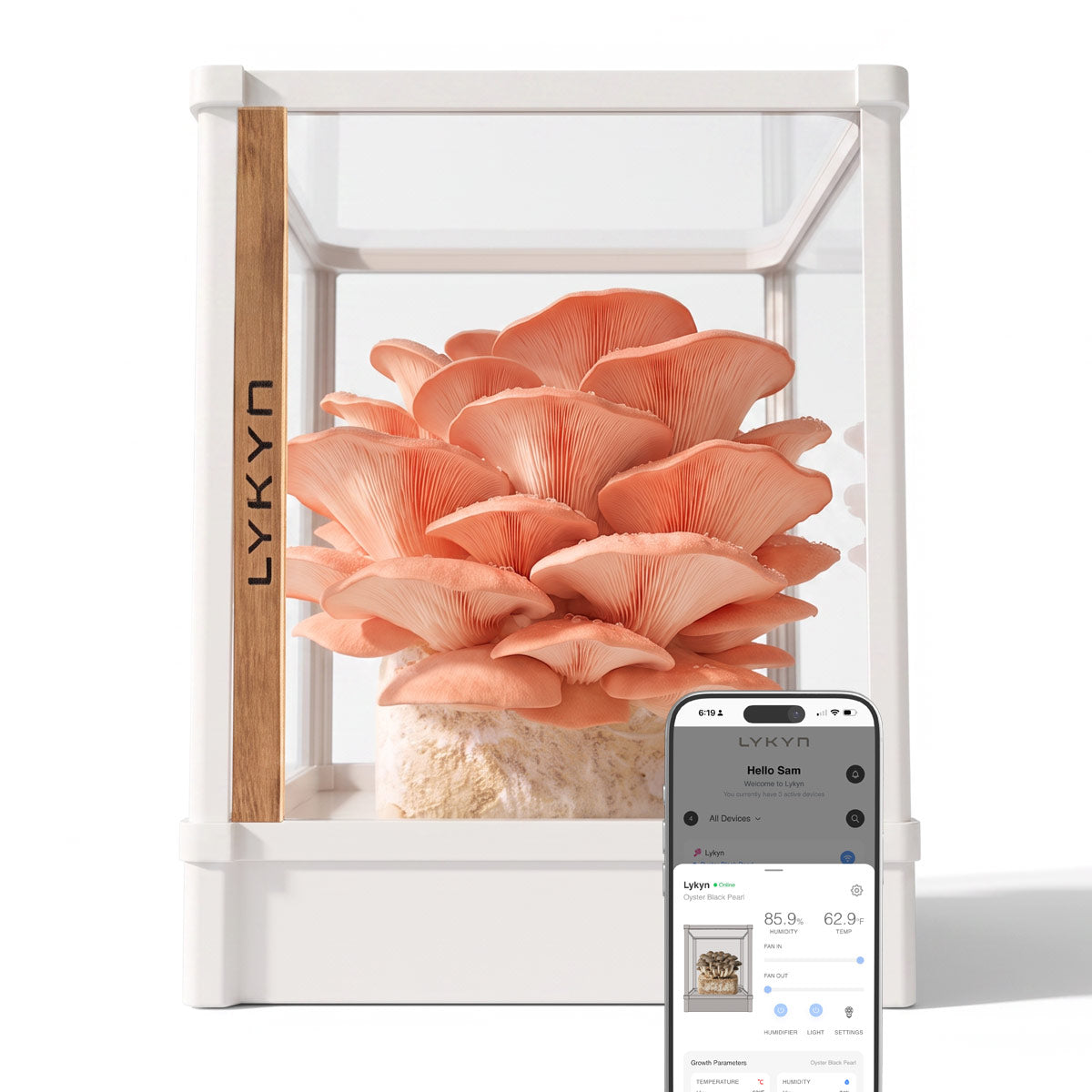
Smart Chamber. Knochenweiß Single
- 2,8L Tank, 90% automatische Luftfeuchtigkeit
- App-gesteuert, Plug-and-Play
- 6 lb Blockdecke, auf Lager

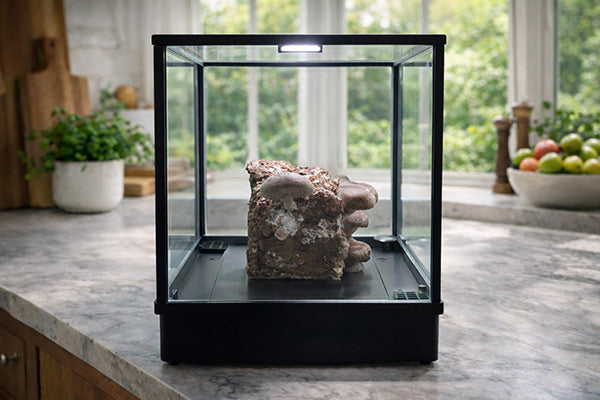
Smart Chamber. Obsidian Black Single
- Gleiche Hardware wie Knochenweiß
- Mattschwarze Premium-Oberfläche
- Passt zu jeder Küchenpalette

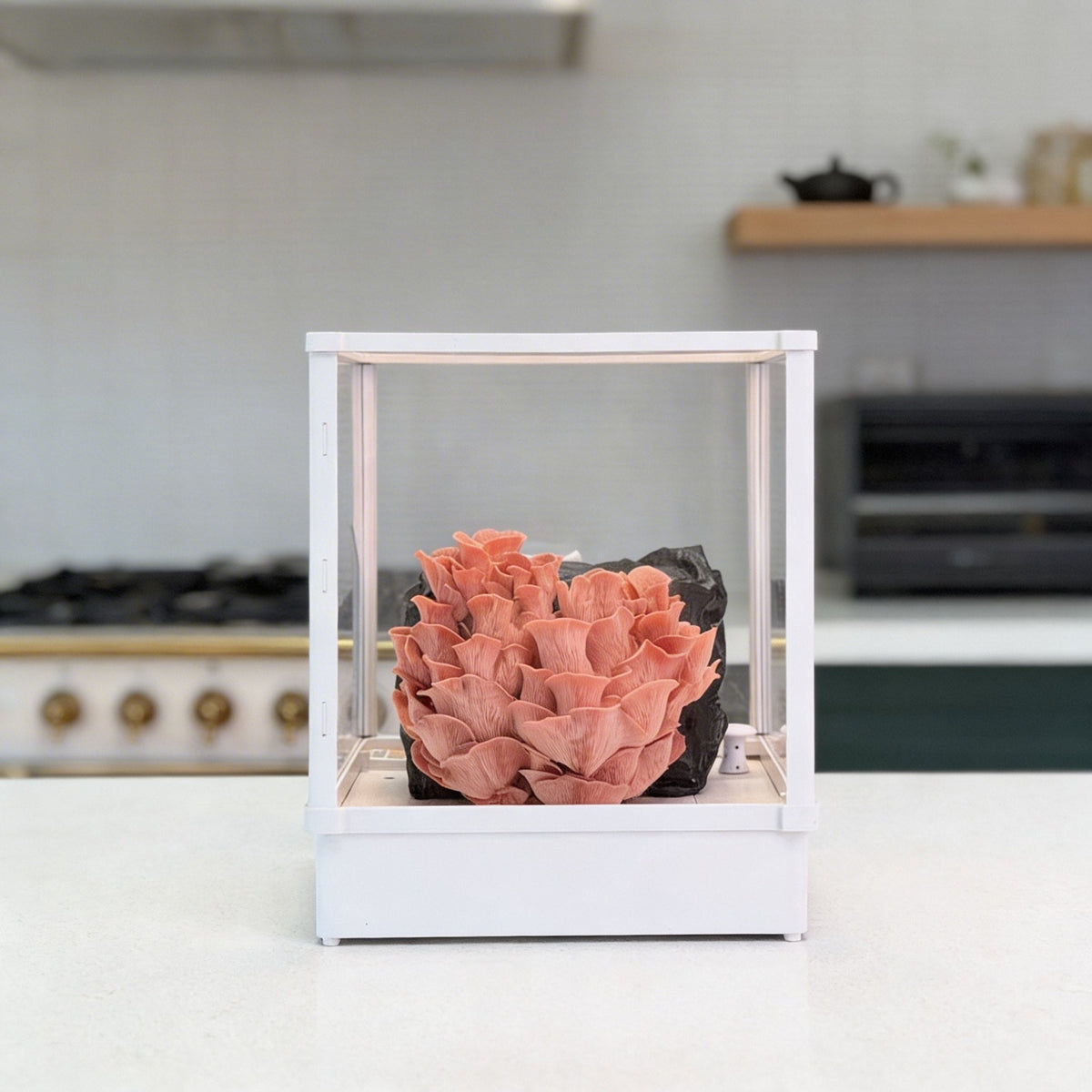
Schwarzes Austernpilz-Zuchtset
- Auf Lager
- Pinning in 3-5 Tagen
- Ersetzt 1 Kammerzyklus
1. Natürliche enzymatische Oxidation. Wenn ein Pilz geschnitten, gequetscht oder einfach der Luft ausgesetzt wird, reagiert ein Enzym namens Tyrosinase mit Sauerstoff und produziert Melanin, das gleiche braune Pigment, das einen angeschnittenen Apfel verdunkelt. Diese Bräunung ist rein kosmetisch. Der Pilz ist immer noch sicher und nahrhaft. Die Penn State Extension bestätigt, dass enzymatische Bräunung ein natürlicher Seneszenzprozess ist und kein Zeichen von Krankheit. Sichtbares Zeichen: hellbraune bis mittelbraune Verfärbung an Schnittflächen oder Druckstellen, kein Geruchswechsel, feste Textur.
2. Stress (Austrocknung, Lüfterschaden, Lichtverbrennung). Ein lebender, noch wachsender Pilz wird braun, wenn seine Umgebung nicht stimmt. Zu wenig Feuchtigkeit, ein direkt auf die Frucht blasender Ventilator oder übermäßiges Licht bleichen die empfindliche Fruchtoberfläche aus, und der Pilz reagiert, indem er seine äußeren Zellen zur Abwehr verhärtet und verfärbt. Sichtbares Zeichen: trockene, ledrige oder rissige Oberfläche; schwammiger oder hohler Innenraum; der Pilz ist immer noch fest und trocken und nicht schleimig.
3. Verderb oder Kontamination. Dies ist die einzige Kategorie, die „wegwerfen“ bedeutet. Verderb wird durch bakterielles Überwachsen, Schimmel oder fortgeschrittene Seneszenz verursacht. Die Zellwände des Pilzes kollabieren, Wasser tritt aus, und Mikroben übernehmen die Kontrolle. Sichtbares Zeichen: Schleim auf der Oberfläche, saurer oder ammoniakartiger Geruch, weiche oder matschige Textur, dunkle oder schwarze Flecken, flaumiges Schimmelwachstum.
Heben Sie den Pilz hoch. Wenn er fest und trocken ist, ist er fast sicher in Ordnung. Wenn er schleimig ist, schlecht riecht oder sichtbaren Flaum aufweist, ist er verdorben. Das ist der 30-Sekunden-Test.
Warum Pilze in Ihrem Kühlschrank braun werden
Kühlen verlangsamt die Bräunung, stoppt sie aber nicht. Zwei Faktoren beeinflussen, was mit Pilzen im Kühlschrank passiert.
Plastik versus Papier. Pilze bestehen zu 92 % aus Wasser. In einer versiegelten Plastikverpackung kann dieses Wasser nirgendwohin entweichen. Es kondensiert an der Innenseite der Verpackung, durchnässt die Pilzoberfläche und beschleunigt das Bakterienwachstum. Innerhalb von 3-4 Tagen entstehen Schleim und Braunfäule. In einer Papiertüte entweicht Feuchtigkeit, die Oberfläche bleibt trocken, und es kommt zu kosmetischer Oxidation, aber keinem Schleim. Die USDA FoodSafety-Richtlinien für die Pilzlagerung empfehlen ausdrücklich loses Papier oder einen porösen Behälter, nicht luftdichten Kunststoff.
Kalt, aber nicht zu kalt. Pilze halten am längsten bei 1-3 Grad Celsius. Unter 0 Grad Celsius gefrieren sie und die Zellwände platzen (beim Auftauen entsteht brauner Matsch). Über 4 Grad Celsius beschleunigt sich das Bakterienwachstum.
Praktische Kühlschrankregeln:
- Legen Sie gekaufte Pilze am ersten Tag aus ihrer Plastikverpackung in eine Papiertüte.
- Waschen Sie Pilze erst, wenn Sie sie zubereiten möchten.
- Lagern Sie sie auf einem mittleren Regal, nicht in der Tür (die Tür ist der wärmste Teil des Kühlschranks).
- Verwenden Sie weiße Champignons und Cremini innerhalb von 7-10 Tagen, Austernpilze und Löwenmähne innerhalb von 5-7 Tagen, Shiitake innerhalb von 10-14 Tagen.
Eine längere Aufschlüsselung, wie lange verschiedene Pilze haltbar sind, finden Sie in unserem ausführlichen Artikel wie lange Pilze haltbar sind.

Warum Pilze, die noch in Ihrer Kammer wachsen, braun werden
Wenn Ihr Pilz braun wird, während er noch an einem Fruchtkörperblock hängt, ist die Ursache umweltbedingt. Drei Dinge, die Sie überprüfen sollten.
Feuchtigkeit ist gesunken. Unter 80 % relativer Luftfeuchtigkeit beginnt die Fruchtoberfläche auszutrocknen und der Pilz wehrt sich, indem er seine äußeren Zellen verhärtet und bräunt. Dies ist die häufigste Ursache für stressbedingte Bräunung bei Löwenmähne- und Austernpilzen. Abhilfe: Bringen Sie die Luftfeuchtigkeit innerhalb weniger Stunden wieder über 85 %. Besprühen Sie die Innenwände des Zeltes oder der Kammer, füllen Sie den Luftbefeuchterbehälter nach und überprüfen Sie, ob die Ventilatoren nicht zu viel Luft absaugen.
Ein Ventilator bläst direkt auf die Frucht. Luftzirkulation ist gut. Direkte Luft auf einen fruchtenden Pilz ist nicht gut. Direkter Luftstrom beschleunigt die Verdunstung direkt an der Oberfläche und erzeugt die gleiche Austrocknungsbräunung, oft an einer lokalisierten Stelle (die dem Ventilator zugewandte Seite). Abhilfe: Positionieren Sie den Ventilator so, dass er die Luft an der Frucht vorbeibläst, nicht darauf. In einer Lykyn-Kammer sind die Ventilatoren kalibriert, um 500-6000 U/min in einem zirkulierenden Muster zu erzeugen, das die Fruchtzone vermeidet, was ein Grund dafür ist, warum stressbedingte Bräunung bei Benutzern, die automatisierte Kammern betreiben, selten ist.
Das Licht ist zu intensiv. Pilze benötigen eine geringe Menge Licht, um die Ausrichtung zu erkennen, aber mehr als ein paar Stunden direktes LED-Licht bei voller Helligkeit bleicht die Kappe aus und färbt sie braun. Abhilfe: Dimmen Sie die LED oder reduzieren Sie die täglichen Lichtstunden auf 8-12 Stunden.
Wenn Sie die Kappe bereits durch Bräunung verloren haben, müssen Sie die Ernte nicht aufgeben. Schneiden Sie den braunen Teil mit einem sauberen Messer ab und lassen Sie den Rest reifen. Der Block wird immer noch einen zweiten Ertrag produzieren.
Löwenmähne wird braun (der häufigste Fall)
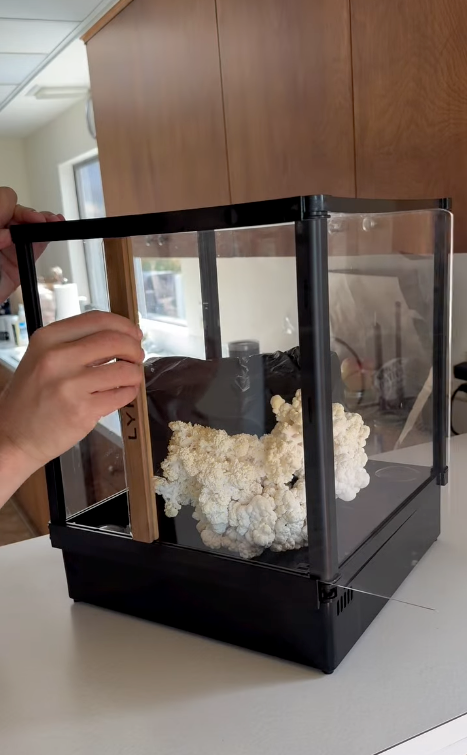
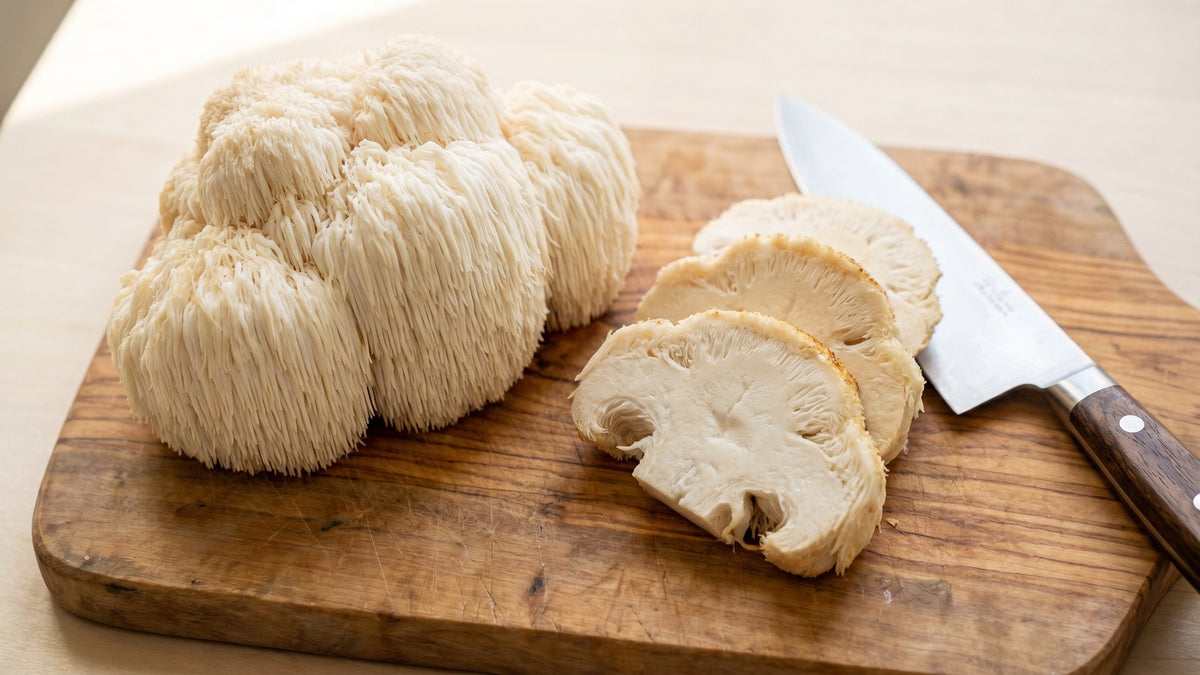
Löwenmähne (Hericium erinaceus) bräunt leichter als jeder andere Gourmetpilz, weil ihre langen Pompon-Zähne eine riesige Oberfläche haben, die der Luft ausgesetzt ist. Ein geringer Feuchtigkeitsabfall trocknet zuerst die Spitzen aus, und eine Löwenmähne mit braunen Zahnspitzen sieht dramatisch aus, selbst wenn nur die äußeren 2-3 Millimeter betroffen sind.
So sieht eine gesunde Löwenmähne aus: strahlend weiß, leicht cremefarben, mit Zähnen, die wie winzige Eiszapfen aus dem Cluster hängen. Fest, aber zart.
Anzeichen von Stressbräunung: Die Spitzen der Zähne werden hellbraun bis braun, der Cluster fühlt sich trockener an, als er sollte, manchmal vergilbt die Basis des Clusters. Der Pilz ist immer noch essbar. Die braunen Spitzen sind etwas zäher in der Textur, lassen sich aber gut kochen.
Anzeichen von Verderb: Der gesamte Cluster verfärbt sich von weiß zu mattbeige zu braun, mit rosa oder roten Flecken an der Basis und einem feuchten oder sauren Geruch. Wegwerfen.
Die Lösung: Erhöhen Sie die Luftfeuchtigkeit auf 90-95 % und überprüfen Sie, ob die Ventilatoren nicht direkt auf das fruchtende Cluster gerichtet sind. Löwenmähne benötigt eine etwas höhere Luftfeuchtigkeit als Austernpilze oder Shiitake. In einer Lykyn-Kammer liest der SHT3x-Sensor die Luftfeuchtigkeit kontinuierlich ab und der 2,8-Liter-Ultraschallbefeuchter passt sich automatisch an, weshalb Stressbräunung das Hauptproblem ist, über das Sie sich bei der Automatisierung keine Gedanken machen müssen. Ernten Sie, solange die Zähne noch größtenteils weiß sind. Warten Sie nicht auf ein "größeres" Cluster, denn jeder Tag nach dem Höhepunkt ist ein weiterer Tag der Zahnspitzenbräunung.

Shiitake-Bräunung
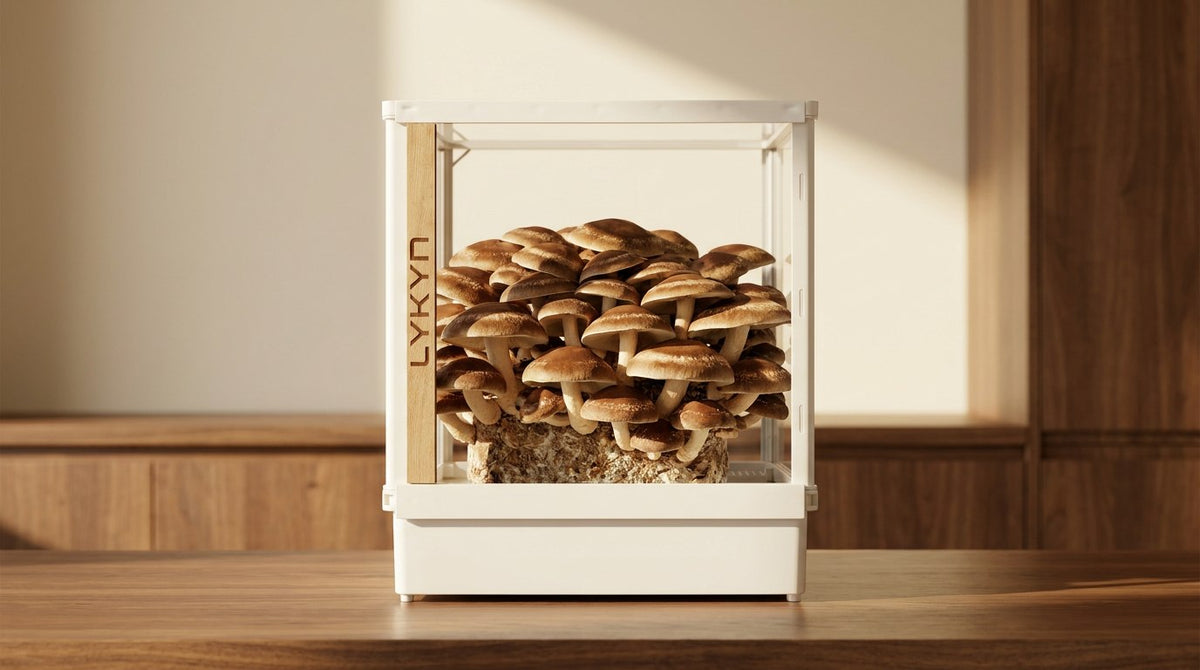
Shiitake (Lentinula edodes) ist die verzeihendste der Gourmet-Arten und hat von Natur aus eine braune Kappe, was die Diagnose anders macht. Sie suchen nach Veränderungen in der Textur, nicht in der Farbe.
Gesunder Shiitake: mittel- bis dunkelbraune Kappe, weiße Unterseite (Lamellen), dick und fleischig. Leichte Krümmung am Kappenrand.
Bräunung, die in Ordnung ist: Die Kappe verdunkelt sich leicht, wenn sie reift. Die weißen Lamellen darunter bleiben sauber.
Anzeichen von Verderb: Die weißen Lamellen darunter verfärben sich gelb, dann braun. Die Kappe fühlt sich weich oder schleimig an. Der Stiel reißt oder schrumpft.
Shiitake ist aufgrund seines geringeren Wassergehalts länger haltbar als jeder andere Gourmetpilz (10-14 Tage in einer Papiertüte).

Befeuern Sie Ihre Pilzreise
Intelligente Pilzzuchtkammer
Plug-and-Play-Smart-Kammer mit Feuchtigkeit, Licht und Luftstrom, die für jede Art optimiert sind. Anfänger ernten ihre erste Welle in Tagen, nicht Monaten.
In den Warenkorb $299Austernpilzbräunung
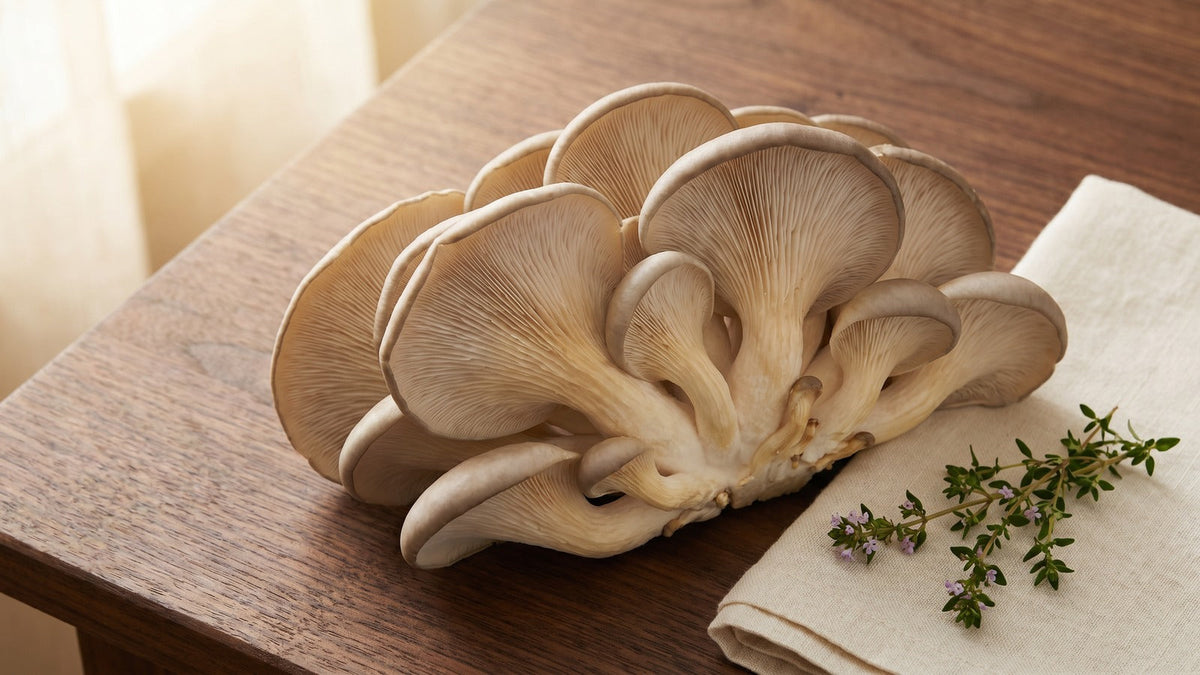
Austernpilze (Pleurotus ostreatus und Verwandte) gibt es in vielen Farben (weiß, blau, gelb, rosa, gold) und jede Sorte bräunt sich etwas anders. Der gemeinsame Nenner: Austern werden an den Rändern braun, wenn sie entweder überreif oder gestresst sind.
Gesunde Austern: Fächerförmiger Hut, farblich passend zur Sorte, leicht durchscheinender dünner Rand.
Stressbräunung: Die Ränder des Hutes kräuseln sich und werden braun. Der Cluster hängt schon zu lange am Block. Gelbe Pilzkappen bei einer nicht-gelben Sorte (z. B. ein weißer Austernpilz, der gelb wird) signalisieren oft zu viel Licht oder Kontamination von der Substratseite.
Verderb: feuchte, schleimige Unterseite, saurer Geruch. Häufig, nachdem der Cluster einige Tage überreif war.
Ernten Sie Austern, bevor sich die Kappen vollständig abgeflacht haben, um die längste Haltbarkeit zu gewährleisten.

Wie man braune, aber essbare von braunen und verdorbenen Pilzen unterscheidet
Eine Vergleichs-Checkliste, die Sie in 30 Sekunden durchgehen können:
| Zeichen | Essbar | Verdorben |
|---|---|---|
| Oberfläche | Trocken, fest | Schleimig, klebrig |
| Geruch | Erdig, pilzig | Sauer, Ammoniak, fischig |
| Textur | Federnd unter Fingerdruck | Weich, matschig, hinterlässt einen Abdruck |
| Farbe | Gleichmäßig hell- bis mittelbraun | Dunkle Flecken, schwarze Punkte, flaumiger weißer oder grüner Schimmel |
| Unterseite / Lamellen (Shiitake, Champignon) | Sauber | Schleimig oder verfärbt |
| Sichtbarer Schimmel | Keiner | Flaumiges Wachstum jeglicher Farbe |
Wenn zwei oder mehr "Verdorben"-Kästchen angekreuzt sind, werfen Sie ihn weg. Die Kosten für einen 5-Dollar-Pilz sind die Kosten einer Mageninfektion nicht wert.
Für einen tieferen Einblick, wann Braun in Schimmel übergeht, lesen Sie unseren Leitfaden zu schimmeligen Pilzen und wie man Schimmel von harmlosem Myzel unterscheidet.
Wie eine automatisierte Kammer Stressbräunung verhindert
Die meisten stressbedingten Bräunungen bei selbst gezüchteten Pilzen entstehen durch Feuchtigkeitsschwankungen. Ein Züchter besprüht morgens, die Kammer trocknet nachmittags aus, die Luftfeuchtigkeit sinkt von 92 % auf 68 %, und am nächsten Morgen hat der Cluster braune Spitzen.
Der Sinn einer automatisierten Kammer besteht darin, dass die Luftfeuchtigkeit nicht schwankt. Die Lykyn Smart Mushroom Grow Box misst die Luftfeuchtigkeit alle paar Sekunden mit einem SHT3x-DIS-Sensor (genau auf plus/minus 1,5 % relative Luftfeuchtigkeit) und löst den Ultraschallbefeuchter aus, sobald die Werte sinken. Die Ventilatoren laufen in einem Zirkulationsmuster, das Frischluft zuführt, ohne die Früchte anzublasen. Das Ergebnis: ein stabiler RH-Bereich von 85-95 % für den gesamten Fruchtzyklus, genau der Bereich, in dem Löwenmähne, Austernpilze und Shiitake weiß, zart und bräunungsfrei bleiben.
Wenn Sie derzeit in einem Zelt oder einer umgebauten Schuhschachtel anbauen und ständig mit braunen Spitzen kämpfen, ist eine automatisierte Pilz-Fruchtkammer der Unterschied zwischen „Ich muss alle 4 Stunden sprühen“ und „Ich überprüfe es einmal am Tag“. Und wenn Sie noch gar nicht mit dem Anbau vertraut sind, finden Sie in unserer Übersicht zum Indoor-Pilzzucht-Kit die vollständige Einrichtung.
Braune Kappen sind meist ein Feuchtigkeitsproblem. Automation löst das Feuchtigkeitsproblem.
Häufig gestellte Fragen
Sind Pilze noch genießbar, wenn sie braun werden?
Ja, solange die Oberfläche noch trocken und fest ist und sie normal riechen. Enzymatische Bräunung (die gleiche Reaktion, die einen angeschnittenen Apfel verdunkelt) ist harmlos. Werfen Sie sie nur weg, wenn Sie auch Schleim, einen unangenehmen Geruch oder Schimmel sehen.
Warum wird mein Löwenmähnepilz braun?
Die häufigste Ursache ist Austrocknung. Die Zähne des Löwenmähnepilzes haben eine riesige Oberfläche und sind der erste Teil jedes Gourmetpilzes, der austrocknet. Erhöhen Sie die Luftfeuchtigkeit auf 90-95 % und verhindern Sie, dass Ventilatoren direkt auf den Pilz blasen. Wenn der gesamte Pilz mit rosa oder feuchten Stellen braun wird, verdirbt er und sollte entsorgt werden.
Was sind die braunen Flecken auf meinen Pilzen?
Kleine braune Flecken sind in der Regel Druckstellen (ein Fingerabdruck oder ein Stoß während der Verpackung) oder lokalisierte Oxidation. Solange der Fleck trocken und die Oberfläche fest ist, ist der Pilz in Ordnung. Schneiden Sie den Fleck ab, wenn Ihnen das Aussehen nicht gefällt.
Warum werden meine weißen Pilze braun?
Weiße Champignons (Agaricus bisporus) werden aus denselben Gründen braun wie jede andere Art: Oxidation, Alterung oder Verderb. Cremini und Portobello sind die gleiche Art, nur länger ausgereift, weshalb sie von Natur aus braun sind. Wenn Ihre weißen Champignons noch fest und trocken sind, sind braune Oberflächenflecken kosmetisch.
Wie verhindert man, dass geschnittene Pilze braun werden?
Schneiden Sie Pilze kurz vor dem Kochen, nicht Stunden im Voraus. Wenn Sie sie im Voraus schneiden müssen, lagern Sie sie in einer einzigen Schicht in einem mit Küchenpapier ausgelegten Behälter im Kühlschrank und beträufeln Sie sie mit einem kleinen Spritzer Zitronensaft. Die Säure verlangsamt das Oxidationsenzym. Versiegelte Plastiktüten beschleunigen das Bräunen aufgrund eingeschlossener Feuchtigkeit.
Wann werden Pilze schlecht?
In einer Papiertüte im Kühlschrank halten weiße Champignons und Cremini 7–10 Tage, Austernpilze und Löwenmähne 5–7 Tage, Shiitake 10–14 Tage. Pilze, die diese Zeitfenster überschreiten, sind nicht automatisch unsicher, nur von geringerer Qualität. Verwenden Sie den 30-Sekunden-Test (fest, trocken, normaler Geruch) vor dem Kochen.
Kann man Pilze kochen, die braun geworden sind?
Ja, wenn das einzige Anzeichen eine Farbveränderung ist. Das Anbraten oder Rösten vertieft tatsächlich den Geschmack von leicht gealterten Pilzen, da der Feuchtigkeitsgehalt gesunken und Umami-Verbindungen konzentrierter sind. Verzichten Sie darauf, wenn sie schleimig, stinkend oder schimmelig sind.
Warum werden meine Pilzhüte gelb?
Gelbe Pilzhüte bedeuten normalerweise eines von drei Dingen: zu viel Licht (der Hut bleicht aus), bakterielle Kontamination vom Substrat (Bakterienflecken, häufig bei Austernpilzen und weißen Champignons) oder natürliches Pigment für diese Sorte (z. B. goldener Austernpilz). Wenn eine normalerweise weiße Sorte gelblich wird und sich schleimig anfühlt oder sauer riecht, entsorgen Sie sie. Wenn es nur eine Farbverschiebung auf einem trockenen, festen Hut ist, kochen und essen Sie ihn.
Das Fazit
Ein brauner Pilz ist ein Ausgangspunkt, kein Urteil. Führen Sie den 30-Sekunden-Test (trocken, fest, normaler Geruch) durch, und Sie wissen innerhalb einer Minute, ob es sich um harmlose Oxidation, behebbaren Stress oder echten Verderb handelt. Wenn Sie Ihre eigenen Pilze anbauen und immer wieder braune Spitzen auftreten, liegt die Lösung fast immer in der Luftfeuchtigkeit. Und wenn Sie es leid sind, die Luftfeuchtigkeit manuell zu bekämpfen, genau dafür wurde die Lykyn Smart Chamber entwickelt.
Wenn Sie mehr darüber erfahren möchten, was die braunen oder weißen Flecken verursacht, die Sie manchmal während des Anbaus sehen, erklärt unser Leitfaden „Arten der Pilzkontamination“ die visuellen Unterschiede zwischen Bakterien, Schimmel und harmlosen Pigmentverschiebungen.
Quellen: USDA FoodSafety.gov Pilzlagerungsrichtlinien, FDA Food Code für frische Produkte, Penn State Extension zur enzymatischen Bräunung von Pilzen, Cornell Mushroom Blog zu Hericium-Fruchtkörperanforderungen.




Aktie:
Rezept für Rosenseitlinge: 5 einfache Gerichte | Lykyn
Rezept für Rosenseitlinge: 5 einfache Gerichte | Lykyn